


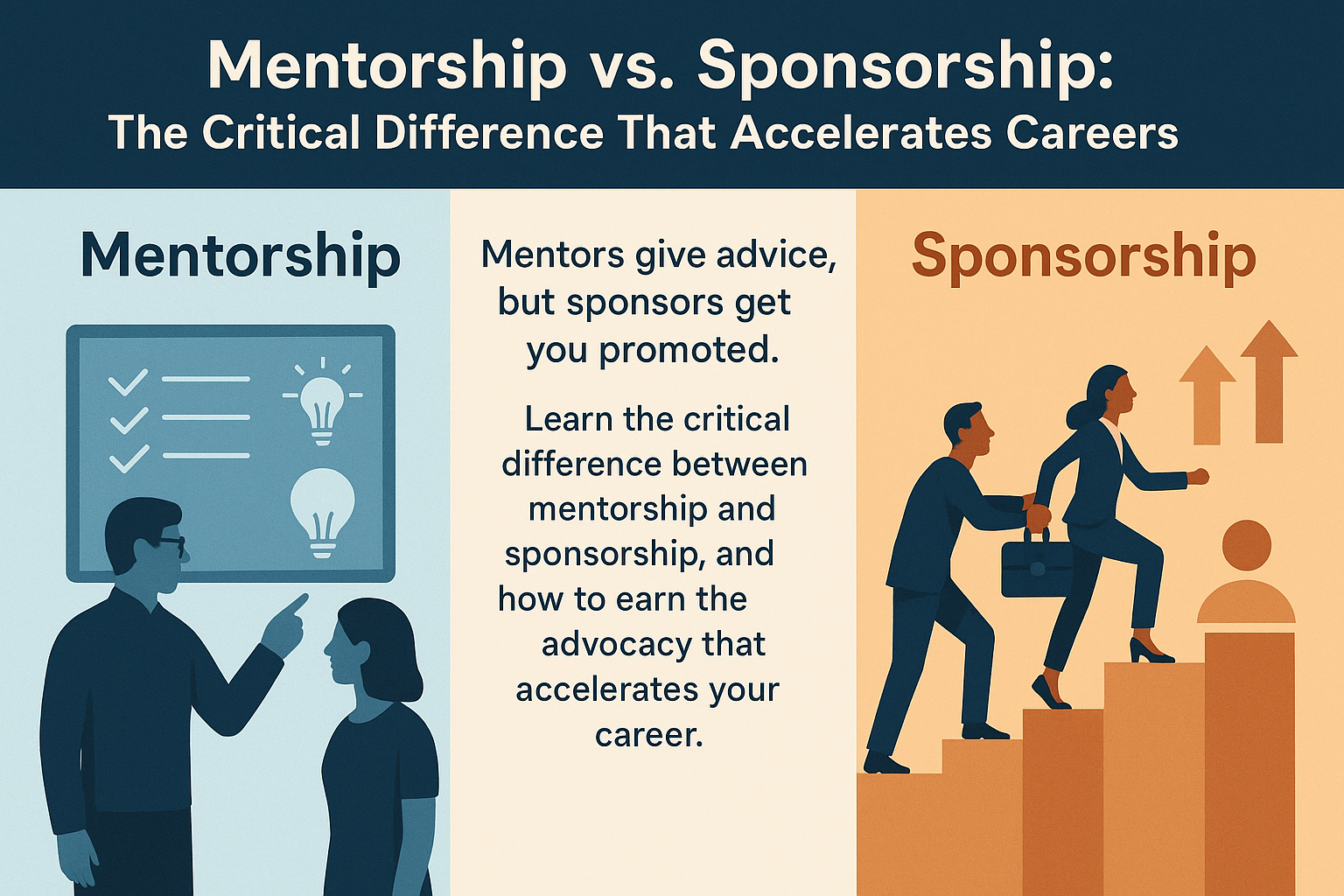
Mentorship vs. Sponsorship: The Critical Difference That Accelerates Careers
We are all told from the very beginning of our careers: "Get a mentor." The logic is sound. A mentor provides guidance, shares wisdom, and helps you navigate the complexities of your role. Countless professionals diligently seek out mentors, have regular coffee chats, and receive excellent advice. Yet, many of them still find themselves stuck in the same role year after year, watching others—sometimes less qualified—leapfrog over them into leadership positions.
Why does this happen? The answer often lies in a critical misunderstanding of how career advancement actually works. While mentorship is valuable, it is rarely the engine of promotion. The true catalyst for accelerated career growth is not mentorship; it is sponsorship.
The distinction between a mentor and a sponsor is not just semantic; it is structural. As the famous saying goes: "A mentor speaks to you; a sponsor speaks about you." One helps you build skills; the other helps you build power.
If you are ambitious and aiming for leadership, understanding this difference is non-negotiable. You cannot simply "ask" for a sponsor the way you ask for a mentor. Sponsorship must be earned, cultivated, and strategically managed. This guide will break down the fundamental differences between these two roles, why you need both, and provide a roadmap for converting your mentors into the sponsors who will champion your success when you aren't in the room.
The Mentor: Your Coach and Confidant
A mentor is a trusted counselor. They are usually someone with more experience than you, often (but not always) in your field. Their primary role is developmental.
- The Role: To provide advice, feedback, and emotional support. They help you think through problems, navigate office politics, and improve your skills.
- The Relationship: It is often informal and private. You can be vulnerable with a mentor. You can tell them, "I'm struggling with this project," or "I don't know how to handle my boss," without fear of judgment or professional repercussions.
- The Outcome: You gain knowledge, confidence, and a broader perspective. You become better at your job.
Key Characteristic: A mentor helps you prepare for the opportunity.
The Sponsor: Your Advocate and Agent
A sponsor is a senior leader with influence and authority. Their primary role is transactional and public.
- The Role: To use their political capital and reputation to advocate for you. They put your name forward for high-visibility projects, fight for your promotion in closed-door meetings, and ensure your contributions are recognized by other leaders.
- The Relationship: It is public and performance-based. You cannot be "vulnerable" with a sponsor in the same way. Because they are putting their reputation on the line by vouching for you, they need to be 100% confident in your ability to deliver. They are betting on you.
- The Outcome: You gain visibility, access to high-stakes opportunities, and accelerated career progression.
Key Characteristic: A sponsor gives you the opportunity.
The Critical Differences at a Glance
| Feature | Mentorship | Sponsorship | | :--- | :--- | :--- | | Primary Action | Advising and listening | Advocating and acting | | Focus | Your personal development | Your career advancement | | Location | Private (coffee chats, calls) | Public (meetings, planning sessions) | | Risk | Low risk for the mentor | High reputational risk for the sponsor | | How to Get One | You can ask directly | You must earn it through performance | | Reciprocity | Usually one-way (wisdom flows down) | Two-way (you deliver results that make them look good) |
Why You Are Stuck (The "Over-Mentored, Under-Sponsored" Trap)
Many professionals, particularly women and minorities, fall into the trap of being "over-mentored and under-sponsored." They have plenty of people giving them advice on how to improve, but no one using their power to pull them up the ladder.
You need mentorship to build the capability to lead, but you need sponsorship to get the chance to lead. Without a sponsor, your hard work is often invisible to the people who make promotion decisions.
How to Earn a Sponsor (You Can't Just Ask)
You can walk up to someone and ask, "Will you be my mentor?" You cannot ask, "Will you be my sponsor?" Sponsorship is a reward for high performance and trust. Here is how to cultivate it:
1. Be undeniable in your performance
This is the baseline. You must be a top performer. A sponsor needs to know that if they put their neck out for you, you will not embarrass them. You need to consistently deliver excellence so they feel safe betting their reputation on you.
2. Make your ambitions clear
Don't assume senior leaders know what you want. In your conversations with potential sponsors (who might start as mentors), be explicit about your goals. "My goal is to lead the X division within two years." This gives them a clear target to help you hit.
3. Ask for "Stretch Assignments," not just advice
Instead of asking for coffee, ask for work. Ask a senior leader if you can help with a project that is important to them. "I know you're driving the new sustainability initiative. I'd love to support that by doing the data analysis for the Q1 report." By helping them achieve their goals, you prove your value and loyalty.
4. Be a "Sponsor-Ready" Professional
This means demonstrating executive presence. Can you hold your own in a meeting with senior leadership? Are you solution-oriented? Sponsors look for protégés who reflect well on them.
5. The "2+1" Rule
Aim to have two mentors (one internal, one external) for perspective and support, and one sponsor (internal, senior, and influential) for advancement.
Conclusion: Shift from Passive Learning to Active Earning
Mentorship feels good; it’s safe and supportive. Sponsorship is scary; it carries pressure and expectation. But if you want to move from the middle of the pack to the front of the room, you need to stop looking for more advice and start looking for advocacy.
Audit your professional network today. Do you have people who talk to you, or people who talk about you? If you lack the latter, it’s time to change your strategy. Focus on delivering visible value to the most influential people in your orbit. Make them look good, and they will ensure you rise.
To position yourself as top talent worthy of sponsorship, ensure your track record is visible. Keep your LinkedIn profile sharp and your achievements quantified.
For more strategic advice on navigating the corporate ladder, https://jobpe.com.
Finding A Career Sponsor: A Better Way To Advance Your Career Quickly?
This video features a discussion on the practical steps to finding a career sponsor and why it is a more effective strategy for rapid advancement than mentorship alone.

Creative Content Writer
More from Debojyoti Roy
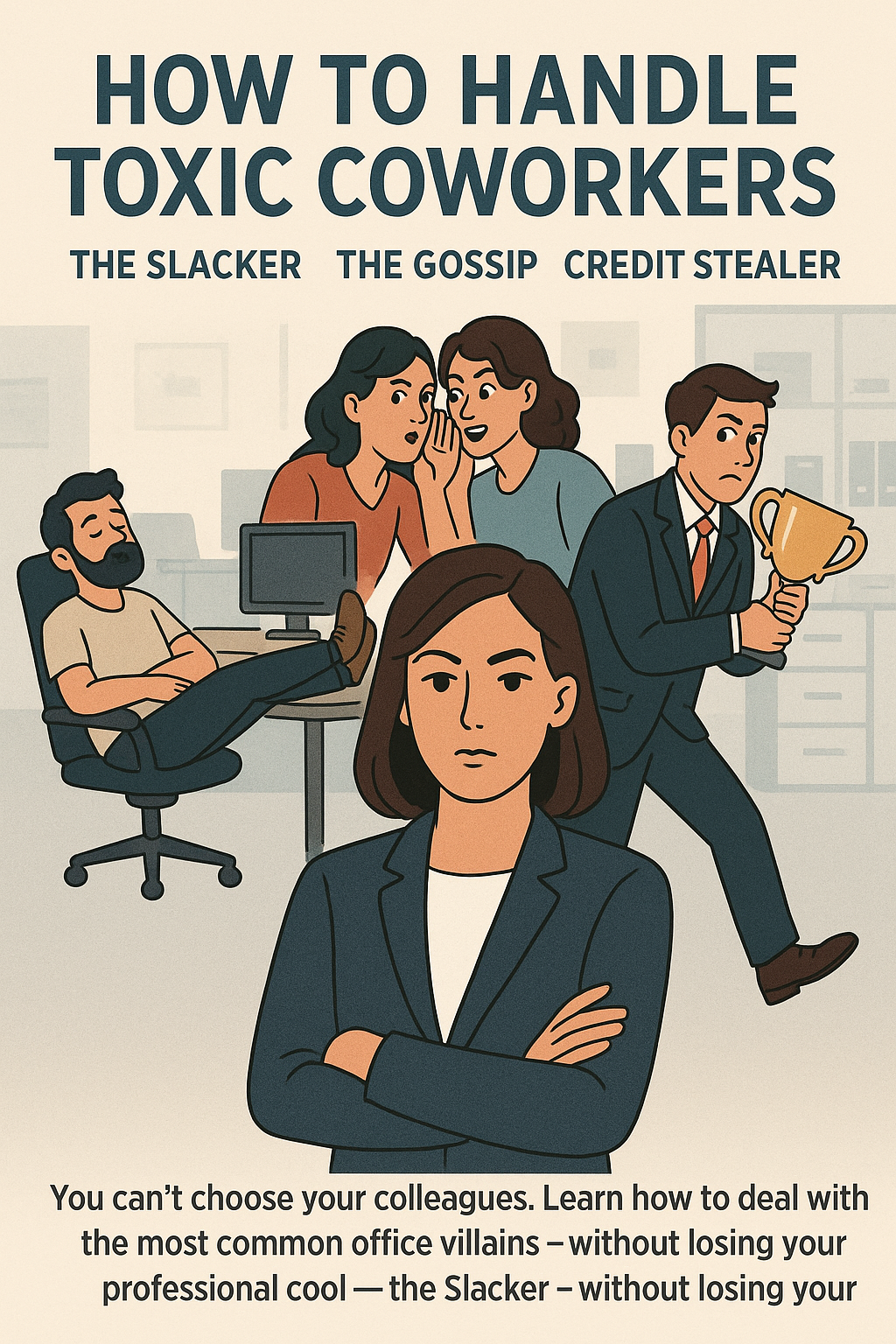
How to Handle Toxic Coworkers: The Slacker, The Gossip, and The Credit Stealer
You can't choose your colleagues. Learn how to deal with the most common office villains—the Credit Stealer, the Chronic Complainer, and the Slacker—without losing your professional cool.
2026-01-20

The 4-Day Work Week: Will AI Finally Make It a Reality?
Can Artificial Intelligence unlock the 4-day work week? We analyze how AI productivity tools could shorten the work week, the economic obstacles standing in the way, and how to position yourself for an output-based career.
2026-01-20
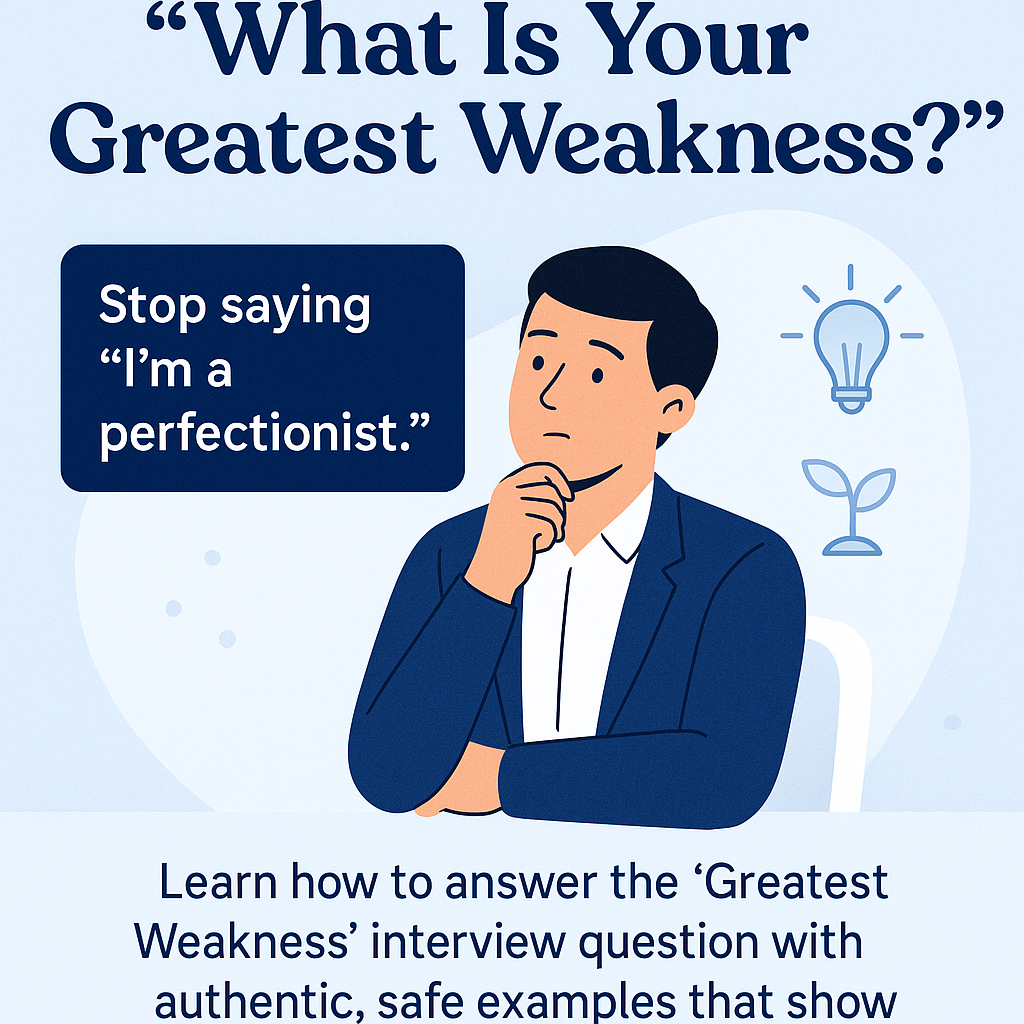
Best Answer to "What Is Your Greatest Weakness?"
Stop saying "I'm a perfectionist." Learn how to answer the "Greatest Weakness" interview question with authentic, safe examples that show growth and self-awareness.
2026-01-19
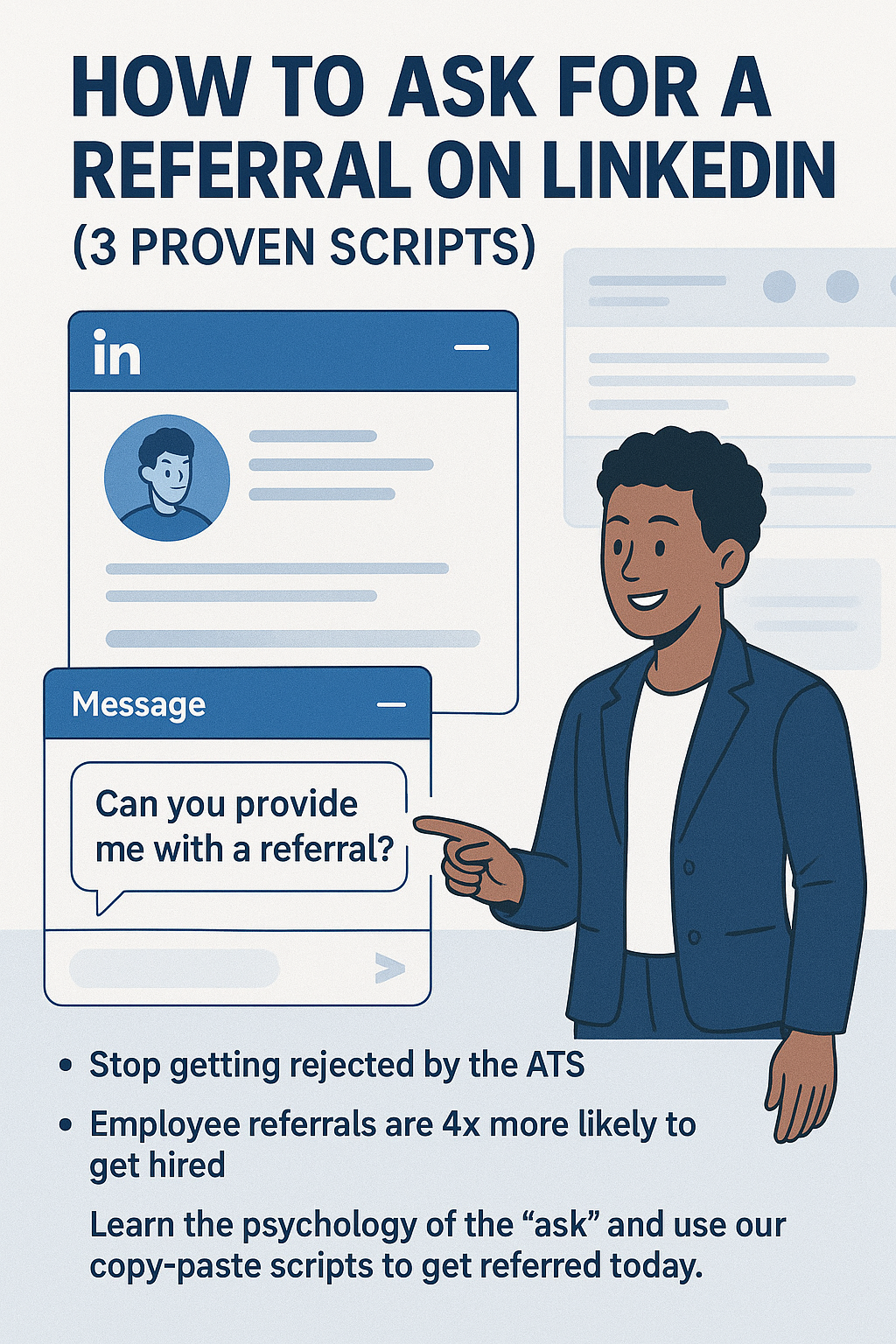
How to Ask for a Referral on LinkedIn (3 Proven Scripts)
Stop getting rejected by the ATS. Employee referrals are 4x more likely to get hired. Learn the psychology of the "ask" and use our copy-paste scripts to get referred today.
2026-01-08
Video Interview Tips: How to Ace Your Zoom & Teams Interview |
Nervous about your virtual interview? From lighting hacks to eye contact secrets, master these 7 video interview tips to look professional on Zoom, Google Meet, or Teams.
2026-01-08