


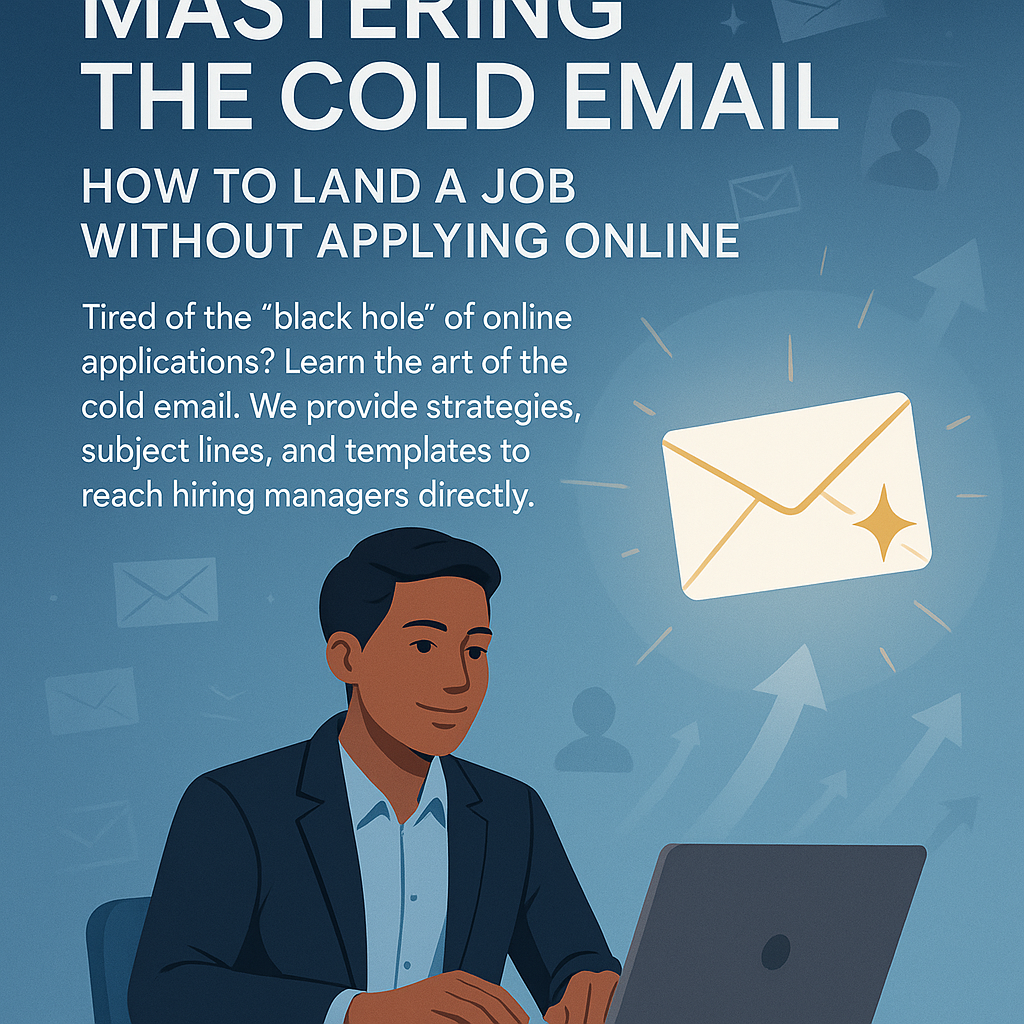
Mastering the Cold Email: How to Land a Job Without Applying Online
You know the feeling. You spend two hours tweaking your resume, filling out a tedious online application form, and hitting "Submit." Then... silence. You wait weeks, only to receive an automated "Thank you for your interest" rejection email. You have just fallen into the Application Black Hole.
In the modern job market, applying online is the least effective way to get hired. You are competing with hundreds (sometimes thousands) of other applicants, filtered by ruthless Applicant Tracking Systems (ATS) that reject you for missing a single keyword.
But there is a "backdoor" to the job market: The Cold Email.
Cold emailing is the act of sending a direct, personal message to a hiring manager or a potential peer at a company you want to work for, even if you don't know them. It sounds intimidating. You might think, "Won't I be annoying them?"
Here is the truth: Hiring managers are desperate for good talent. They hate reading through 500 generic resumes just as much as you hate sending them. If you send a thoughtful, valuable, and concise email, you aren't annoying them; you are solving their problem.
This guide will teach you the art of the cold email. We will show you how to find the right person, guess their email address, write a subject line that gets opened, and craft a message that gets you an interview.
Step 1: Who to Email? (Stop Emailing HR)
Do not email the general "careers@" inbox or the HR manager listed on the job posting. They are often the gatekeepers.
You want to email the decision-maker. This is the person who would be your boss. * If you are a Marketing Manager, email the Head of Marketing or CMO. * If you are a Developer, email the Engineering Manager or CTO. * If you are a Sales Rep, email the VP of Sales.
How to find them: Use LinkedIn. Search for the company name and the job title. Look for people in the specific location where you want to work.
Step 2: Finding the Email Address
Once you have a name (e.g., Priya Sharma), you need their email. Don't just send a LinkedIn InMail (which often gets ignored). Get into their work inbox.
- The Patterns: Most corporate emails follow standard patterns:
priya.sharma@company.compsharma@company.compriya.s@company.com
- The Tools: Use free tools like Hunter.io, RocketReach, or Skrapp to verify the email format for that company.
Step 3: The Subject Line (The "Open" Rate)
If they don't open it, the content doesn't matter. Your subject line must be professional, intriguing, and specific. Avoid generic lines like "Looking for a job."
Winning Subject Lines: * The Fan: "Question about your article on [Topic]" * The Value Add: "Ideas for [Company]'s Q3 Marketing Strategy" * The Referral (Best): "Referral from [Mutual Connection's Name] - [Your Name]" * The Direct Approach: "Application for [Role] - [Your Name]"
Step 4: The Body (The "Response" Rate)
Keep it short. No one reads long emails on their phone. Use the "Hook - Value - Ask" formula.
Template 1: The "Direct Pitch" (When there is an open role)
Subject: Application for Senior Designer - [Your Name]
Hi [Hiring Manager Name],
I’ve been following [Company Name]’s design work for a while—I particularly loved the recent rebrand you did for [Client/Project].
I saw you are looking for a Senior Designer, and I wanted to reach out directly.
In my last role at [Current Company], I led a UI overhaul that increased user retention by 20%. I’ve attached a portfolio of that project and my resume here.
I know you're busy, but I’m confident I could bring that same results-driven creativity to your team. Are you open to a brief 10-minute chat next week to discuss?
Best,
[Your Name] [Portfolio Link]
Template 2: The "Value Add" (When there is NO open role)
This is a bold move. You aren't asking for a job; you are creating one.
Subject: Ideas for [Company]'s content strategy
Hi [Hiring Manager Name],
I’m a huge fan of [Company Product]. As a heavy user, I noticed that while your blog is great, you aren't yet capitalizing on [Specific Opportunity, e.g., YouTube Shorts or Technical Whitepapers].
I actually took the liberty of mocking up a few concepts for what that could look like (attached).
I’m currently a Content Marketer specializing in [Niche], and I’d love to help [Company] execute on this. Even if you aren't hiring right now, I'd love to hear your thoughts on the concepts.
Cheers,
[Your Name]
Template 3: The "Advice" Approach (Networking)
Subject: Quick question from a fellow [Job Title]
Hi [Name],
I see that you transitioned from [Industry A] to [Industry B] a few years ago. I’m currently looking to make a similar move and admire the path you’ve taken.
I’m not asking for a job, but I would value your perspective. If you have 10 minutes spare in the next couple of weeks, I’d love to ask you two specific questions about how you navigated that transition.
Thanks for your time,
[Your Name]
Rules for Cold Email Success
- Don't be a Robot: Customize every single email. Mention something specific about them or the company in the first sentence.
- Attach Proof: Don't just attach a resume. Attach a portfolio, a case study, or a link to your work.
- Follow Up: This is where the magic happens. 50% of responses come from the follow-up. If you don't hear back in 4-5 days, send a polite nudge. > "Hi [Name], just bubbling this up in case it got buried. I remain very interested in the potential of joining the team. Best, [Your Name]."
Conclusion: Be Bold
Cold emailing requires courage. You will get ignored. You might get a few "no's." But you only need one "yes."
By bypassing the gatekeepers and speaking human-to-human with the people who actually have the pain points, you position yourself not as a "candidate" in a stack of resumes, but as a proactive professional who gets things done.
To maximize your chances, make sure your LinkedIn Profile is optimized, as the hiring manager will definitely click on your signature to check you out.
For more tools to hack your job search, https://jobpe.com.

Creative Content Writer
More from Debojyoti Roy
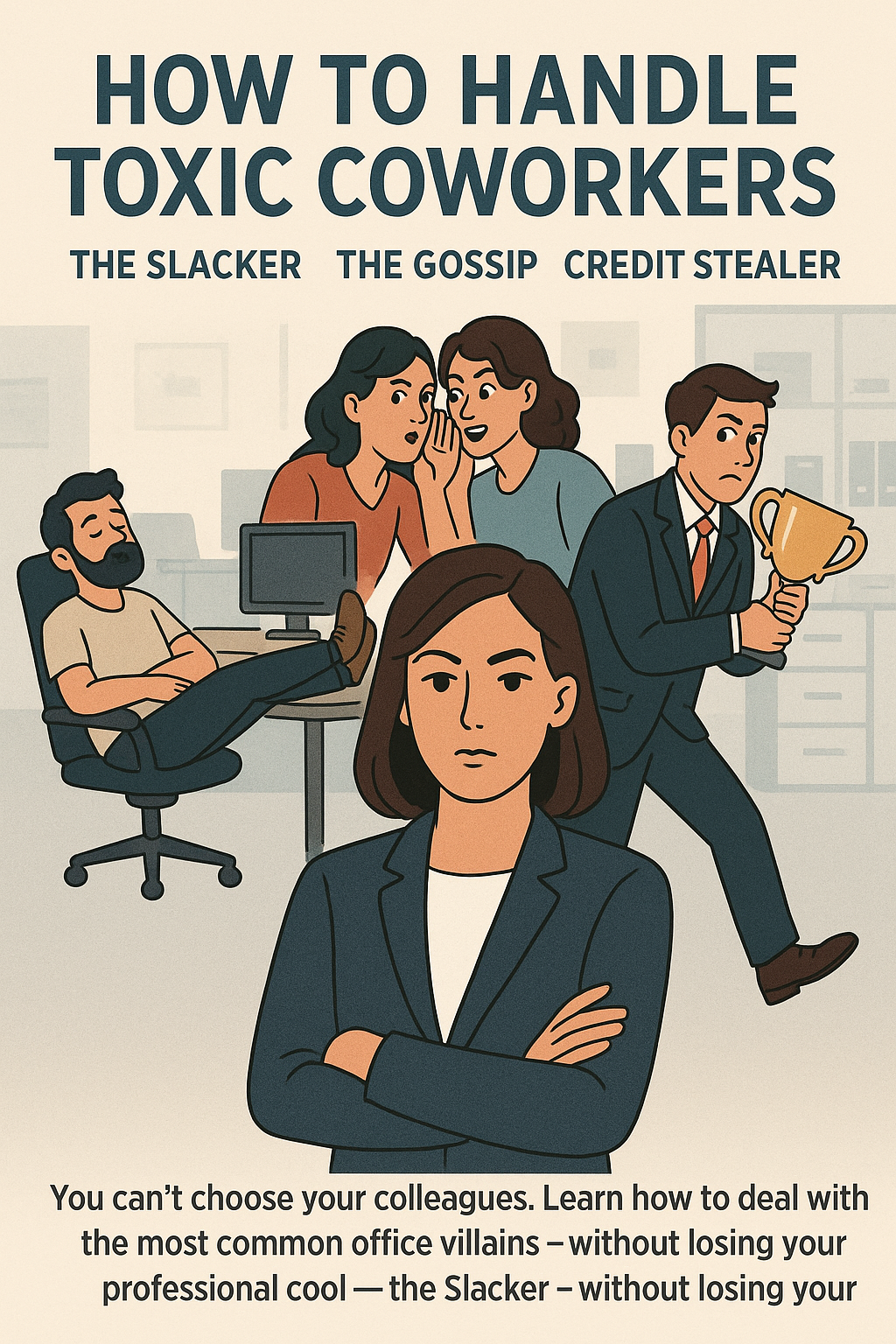
How to Handle Toxic Coworkers: The Slacker, The Gossip, and The Credit Stealer
You can't choose your colleagues. Learn how to deal with the most common office villains—the Credit Stealer, the Chronic Complainer, and the Slacker—without losing your professional cool.
2026-01-20

The 4-Day Work Week: Will AI Finally Make It a Reality?
Can Artificial Intelligence unlock the 4-day work week? We analyze how AI productivity tools could shorten the work week, the economic obstacles standing in the way, and how to position yourself for an output-based career.
2026-01-20
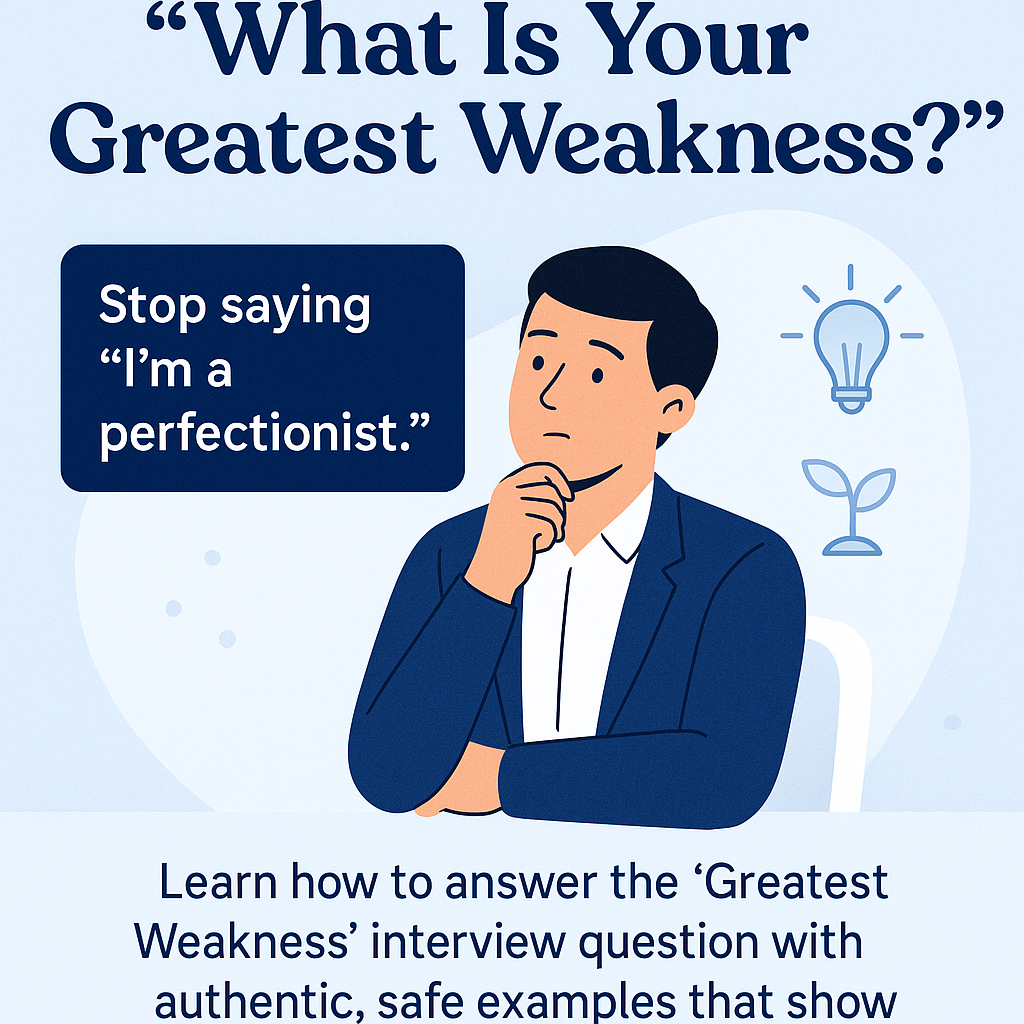
Best Answer to "What Is Your Greatest Weakness?"
Stop saying "I'm a perfectionist." Learn how to answer the "Greatest Weakness" interview question with authentic, safe examples that show growth and self-awareness.
2026-01-19
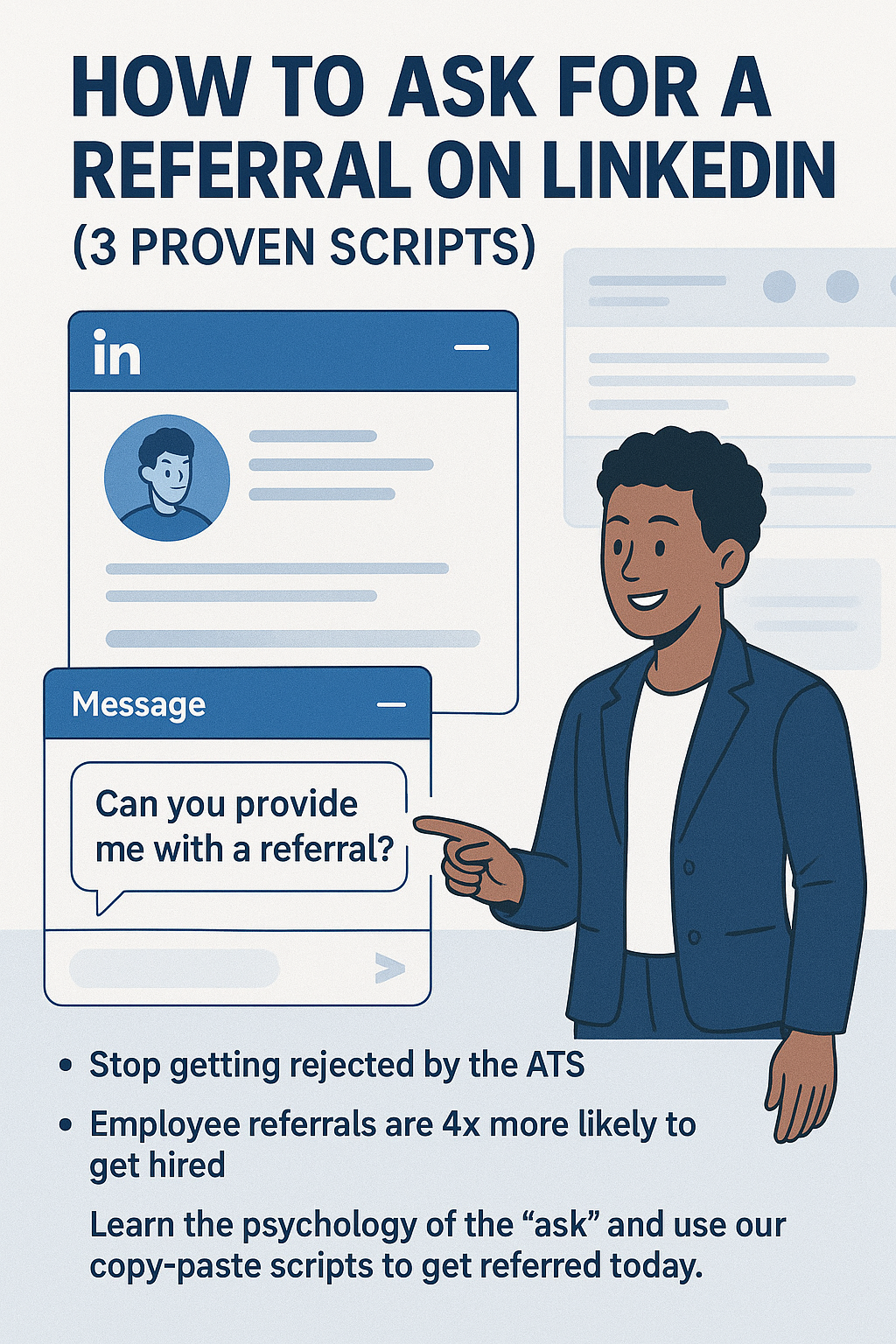
How to Ask for a Referral on LinkedIn (3 Proven Scripts)
Stop getting rejected by the ATS. Employee referrals are 4x more likely to get hired. Learn the psychology of the "ask" and use our copy-paste scripts to get referred today.
2026-01-08
Video Interview Tips: How to Ace Your Zoom & Teams Interview |
Nervous about your virtual interview? From lighting hacks to eye contact secrets, master these 7 video interview tips to look professional on Zoom, Google Meet, or Teams.
2026-01-08