


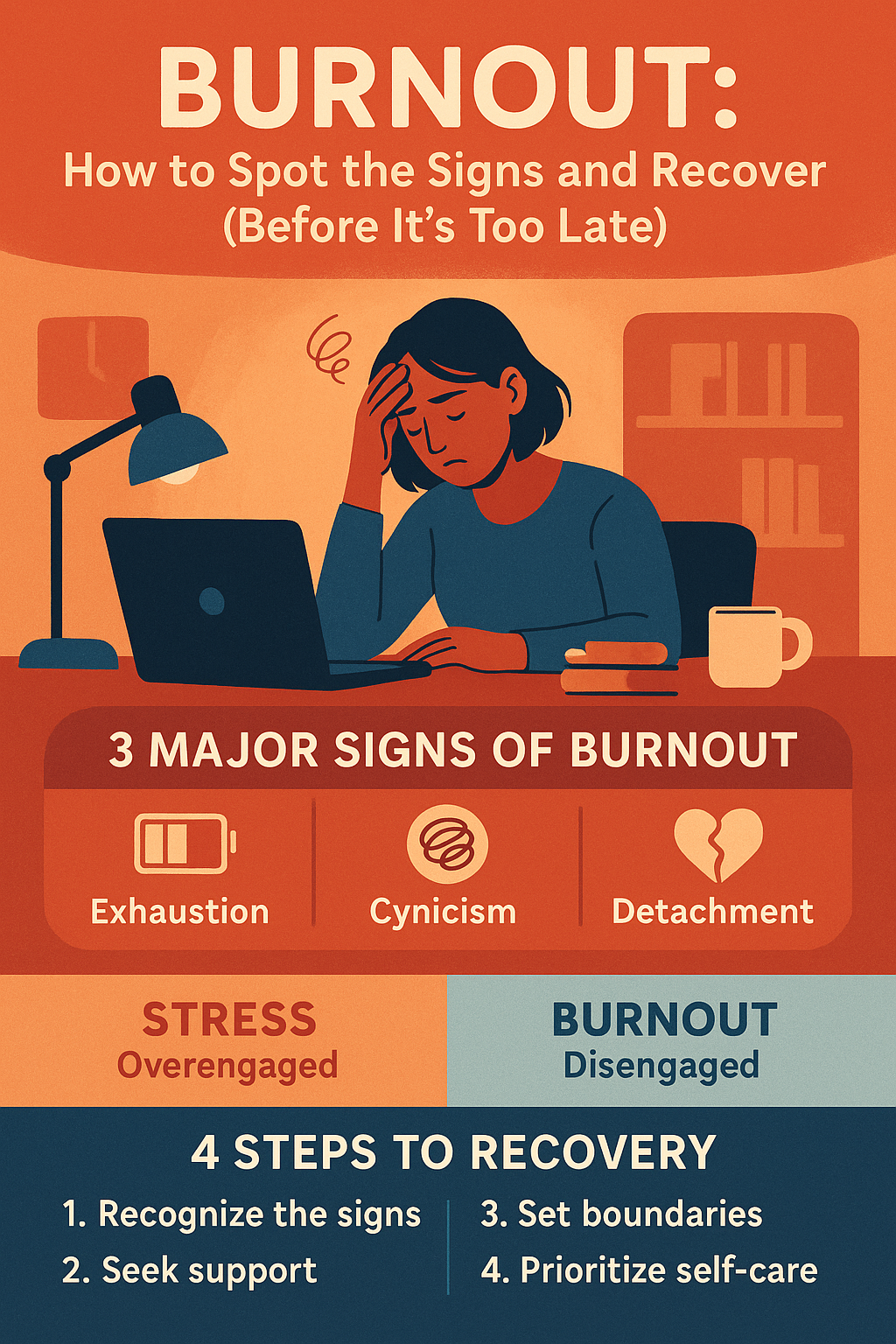
Burnout: How to Spot the Signs and Recover (Before It's Too Late)
We often wear our exhaustion like a badge of honor. We brag about working late, skipping lunch, and being "always on." In a culture that glorifies the hustle, admitting you are tired can feel like admitting defeat. But there is a point where "working hard" crosses a line and becomes something dangerous. It transforms into a state of physical, emotional, and mental exhaustion that doesn't just ruin your week—it can derail your career and damage your health. This is burnout.
Burnout is not just "having a bad day" or "needing a vacation." It is a chronic state of stress that leads to physical and emotional depletion, cynicism, and detachment. It’s the feeling of running on empty, yet continuing to push the accelerator.
The most dangerous thing about burnout is its slow creep. It doesn't happen overnight. It starts with enthusiasm, moves to stagnation, then frustration, and finally, apathy. By the time most professionals realize they are burnt out, they are already deep in the danger zone.
If you are reading this and feeling a flicker of recognition, pay attention. Burnout is reversible, but only if you catch it and take decisive action. This guide will help you distinguish between normal stress and true burnout, identify the three major warning signs, and provide a practical recovery plan to help you reclaim your energy and your career.
Stress vs. Burnout: Knowing the Difference
It is crucial to understand that burnout is not the same as stress. In fact, they are often opposites.
- Stress is about too much: too many pressures that demand too much of you physically and mentally. Stressed people can still imagine that if they can just get everything under control, they’ll feel better.
- Burnout is about not enough: not enough motivation, not enough energy, and not enough care. People experiencing burnout often don't see any hope of positive change.
If you are drowning in responsibilities, you are stressed. If you have dried up and simply don't care anymore, you are burnt out.
The 3 Dimensions of Burnout (The Signs)
Psychologists define burnout by three distinct symptoms. You don't need to have all three to be in trouble, but they often appear together.
1. Exhaustion (The Physical Sign)
This is the most obvious sign. It’s a profound tiredness that sleep doesn't fix. You wake up just as tired as you went to bed. You might experience physical symptoms like frequent headaches, stomach issues, or a weakened immune system. It feels like your battery is permanently stuck at 10%.
2. Cynicism and Detachment (The Emotional Sign)
This is the most damaging sign for your career. You start feeling negative, resentful, or indifferent towards your job. You might find yourself snapping at colleagues, mentally checking out during meetings, or feeling like nothing you do matters. You lose your empathy and your connection to the purpose of your work.
3. Inefficacy (The Performance Sign)
You feel like you can't accomplish anything. Tasks that used to take you an hour now take three. You struggle to concentrate. You feel like a failure, and your confidence plummets. It’s a sense of "what's the point?" that kills your productivity.
Your 4-Step Recovery Plan
If you recognized yourself in the descriptions above, do not panic. Burnout is a signal that your current way of working is unsustainable. It is time to make a change.
Step 1: The "Hard Stop" (Immediate Triage)
You cannot recover from burnout while continuing to burn the candle at both ends. You need to stop the bleeding. * Take Time Off: If you have leave, take it. Not a "working vacation" where you check emails, but a complete disconnect. If you can't take a week, take a long weekend. * Set Hard Boundaries: For the next two weeks, leave work exactly on time. Do not check emails after hours. Say "no" to any new non-essential tasks. You need to create a protective bubble around your remaining energy.
Step 2: Identify the Source (The Audit)
Burnout isn't always about working too many hours. It often comes from a mismatch between you and your job. Ask yourself: * Is it the workload? (Too much to do, not enough resources). * Is it the lack of control? (Micromanagement, lack of autonomy). * Is it the lack of reward? (Not enough pay, recognition, or satisfaction). * Is it the values mismatch? (Doing work you don't believe in). Identifying the root cause is essential for the next step.
Step 3: Have the Honest Conversation
You cannot fix this alone. You need to speak to your manager. * Don't say: "I'm burnt out, I can't do this." * Do say: "I want to perform at my best, but I'm currently feeling overextended. I'd like to discuss prioritizing my current projects and seeing if we can adjust [specific stressor] so I can be more effective." A good manager will want to help you recover rather than lose you.
Step 4: Reconnect with "Non-Work" You
Burnout happens when your job consumes your identity. To recover, you need to remember who you are outside of your job title. * Find a "Third Place": A hobby, a sport, a volunteer group—something that has zero to do with your career. * Physical Activity: Exercise is a natural stress-buster. It completes the stress cycle in your body. * Sleep: Prioritize sleep above almost everything else. It is the foundation of emotional resilience.
Conclusion: Burnout is a Pivot Point, Not the End
Recovering from burnout takes time. It won't happen in a weekend. Be patient with yourself. Treat your energy like a bank account; you are currently overdrawn, and you need to make small, consistent deposits to get back in the black.
Sometimes, recovery means realizing that your current environment is toxic and you need to leave. If you decide that a new start is the only way to heal, that is a valid and brave choice. Start by looking for companies that prioritize work-life balance.
To find roles in healthier environments, set up job alerts for companies known for their culture. And remember, your career is a marathon. You have to last the distance.
For more resources to help you build a sustainable and healthy career, https://jobpe.com.

Creative Content Writer
More from Debojyoti Roy
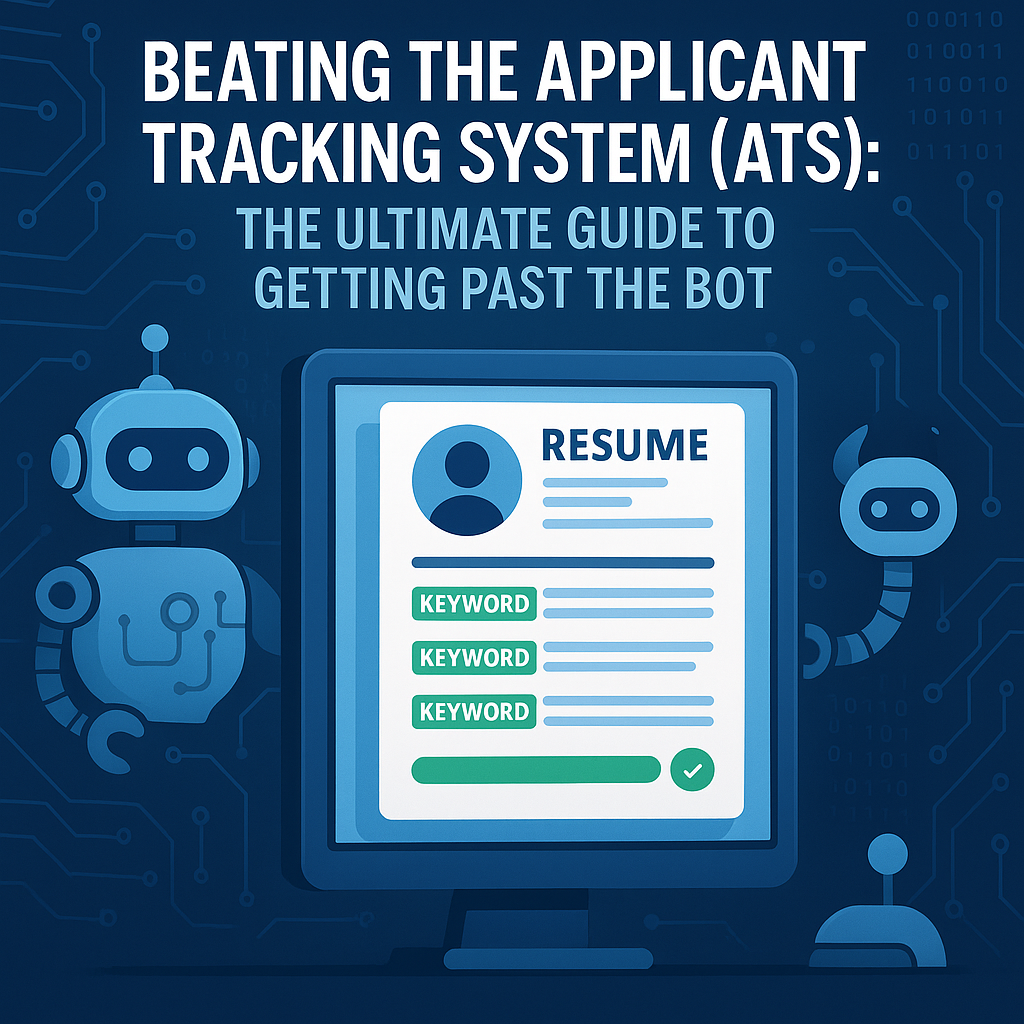
Beating the Applicant Tracking System (ATS): The Ultimate Guide to Getting Past the Bot
Is your resume getting rejected instantly? It might be the ATS. Learn how Applicant Tracking Systems work, how to format your resume to beat the bot, and the keyword strategies that get you noticed.
2025-12-10
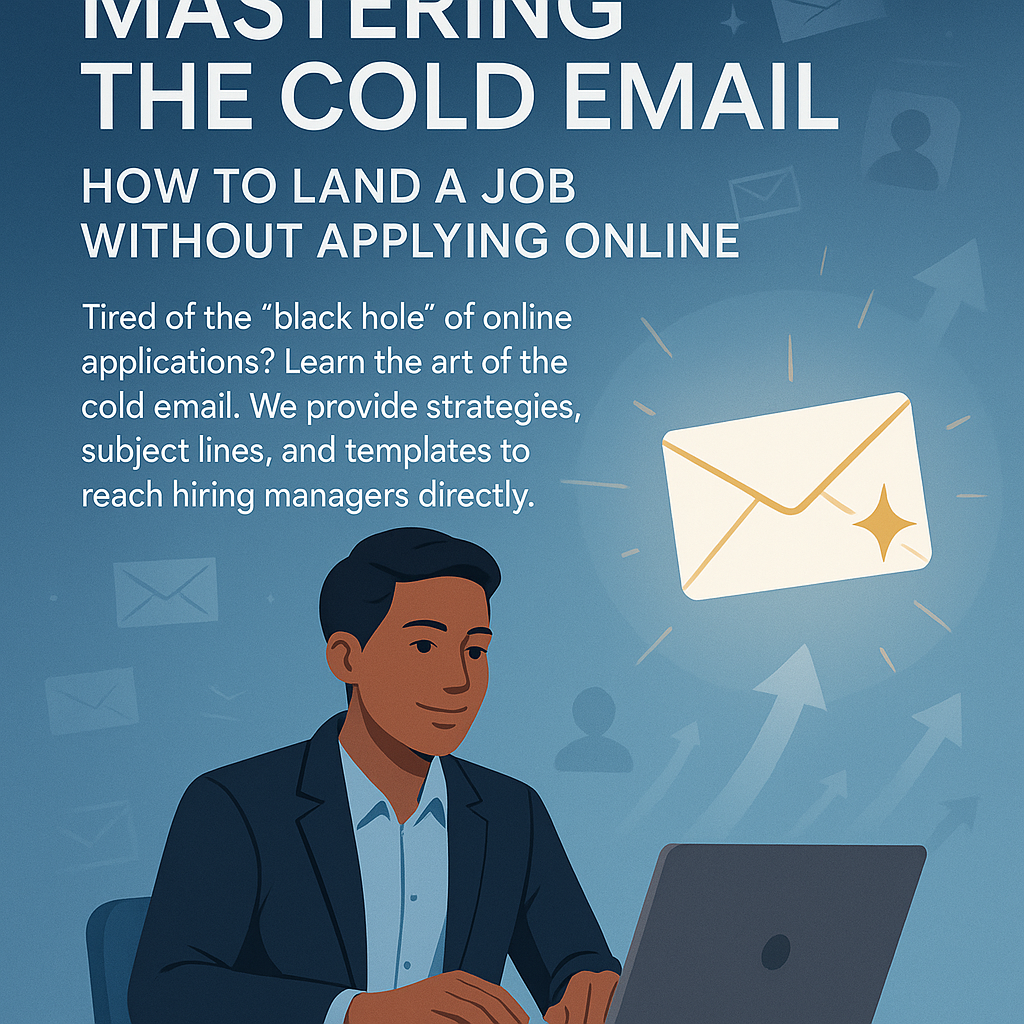
Mastering the Cold Email: How to Land a Job Without Applying Online
Tired of the "black hole" of online applications? Learn the art of the cold email. We provide strategies, subject lines, and templates to reach hiring managers directly.
2025-12-10
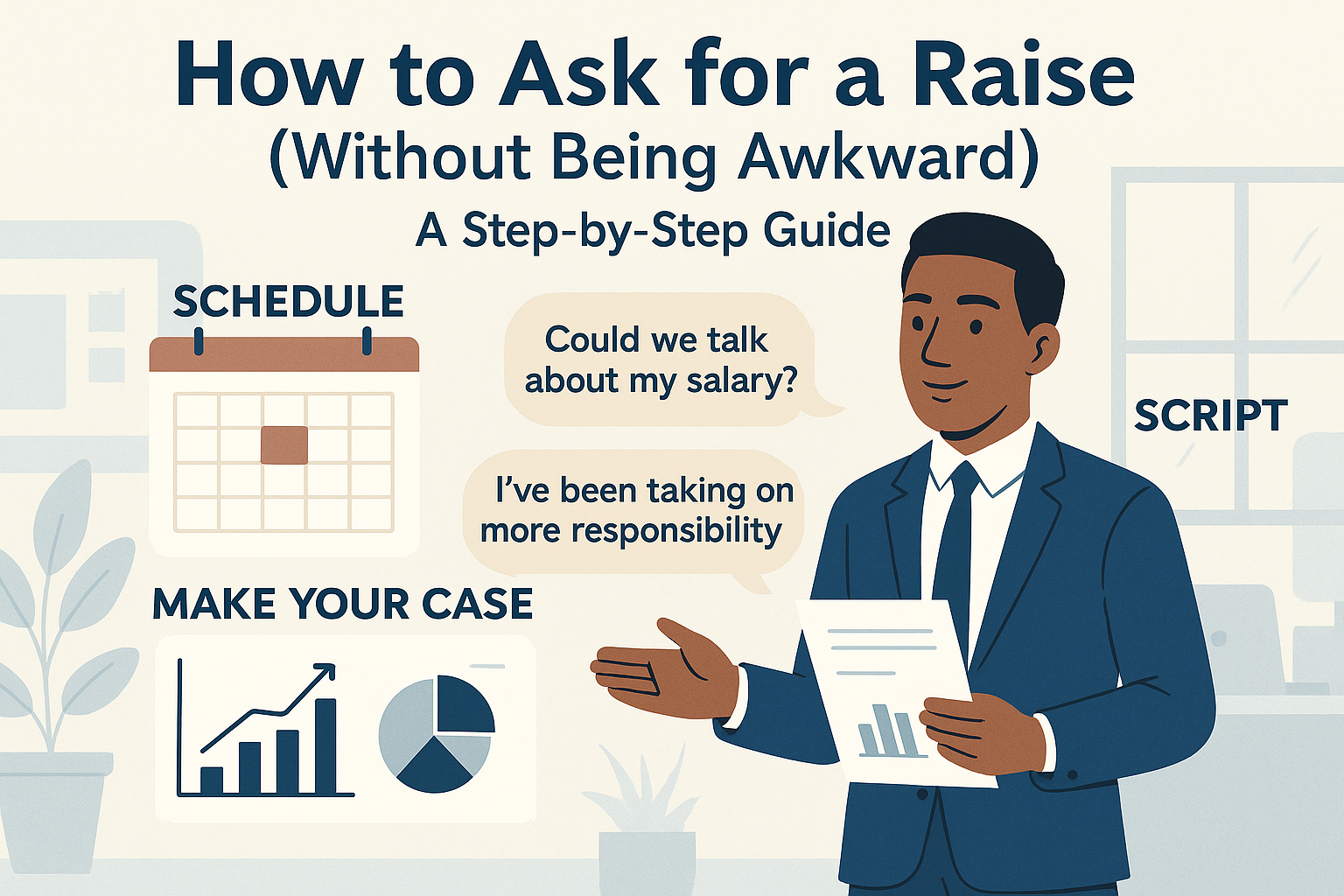
How to Ask for a Raise (Without Being Awkward): A Step-by-Step Guide
Don't wait for your annual appraisal. Learn the strategic way to ask for a raise, build your business case, and use our scripts to get the salary hike you deserve.
2025-12-10
The First 90 Days: A Strategic Plan to Impress Your New Boss
Your first 3 months in a new job determine your reputation. Use our 30-60-90 day plan to secure early wins, build relationships, and pass probation with flying colors.
2025-12-09
Background Verification (BGV) Explained: What Employers Actually Check (And What Gets You Rejected)
Worried about the background check? We decode the Background Verification (BGV) process in India, covering employment history, education checks, and how to handle discrepancies.
2025-12-09