


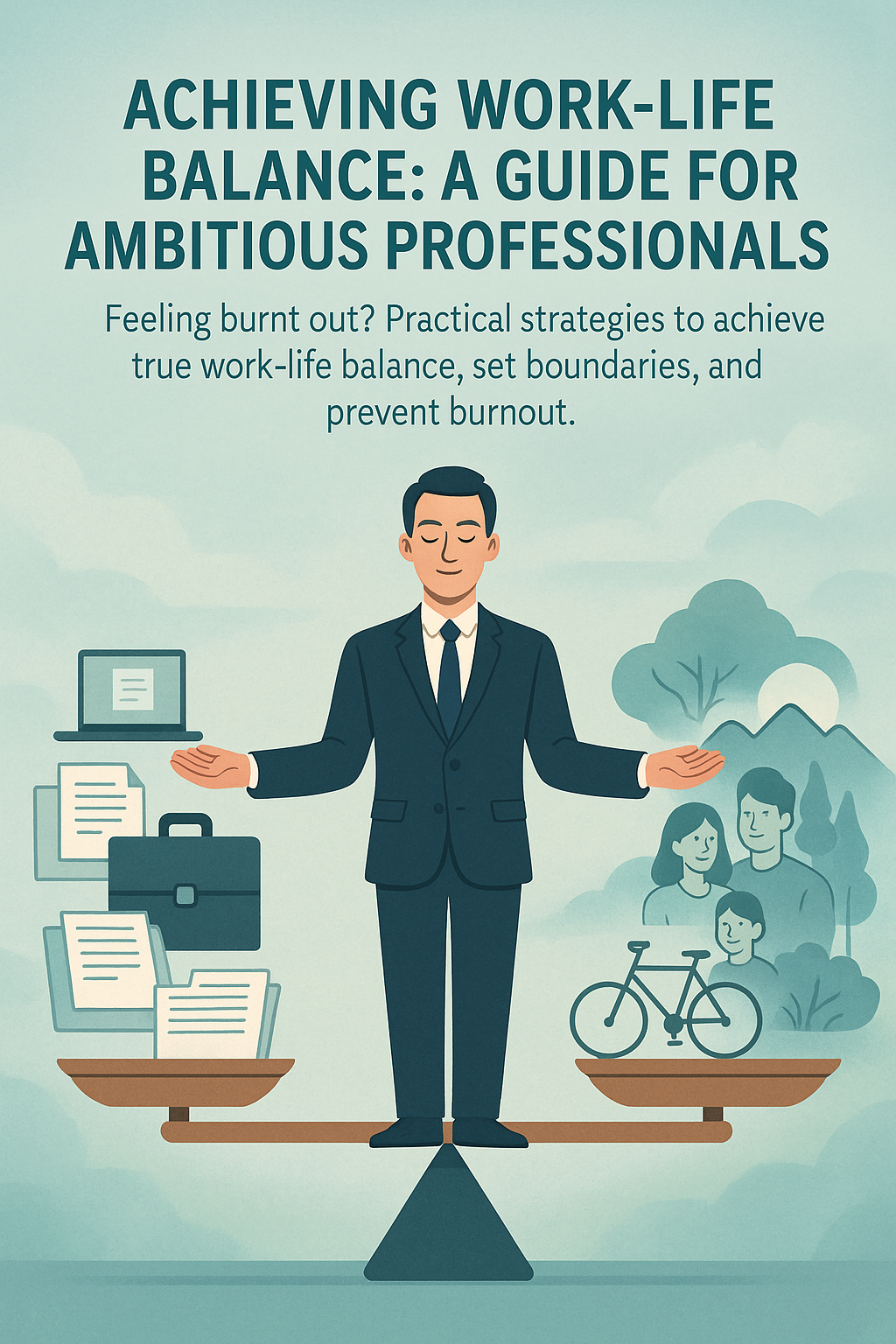
Achieving Work-Life Balance: A Guide for Ambitious Professionals
In the high-stakes, fast-paced world of the modern career, there's a concept that is endlessly discussed, universally desired, yet notoriously elusive: work-life balance. For ambitious, driven professionals, this concept can feel like a myth, a trade-off you must make in the pursuit of success. The prevailing narrative often suggests that to climb the corporate ladder, you must be "always on," available 24/7, and willing to sacrifice your personal life for your professional goals. This relentless "hustle culture" has led to an epidemic of burnout, anxiety, and a profound sense of dissatisfaction, even for those who are achieving their career goals.
But what if this is a false choice? What if achieving a healthy work-life balance is not the opposite of ambition, but a critical component of it? The truth is, a career is a marathon, not a sprint. The most successful, innovative, and resilient professionals are not the ones who work the hardest; they are the ones who work the smartest and most sustainably. Burnout is not a badge of honor; it is a state of depletion that kills creativity, damages health, and ultimately leads to career stagnation.
True work-life balance is not about a perfect 50/50 split of your hours every day. It's about having the flexibility, the control, and the peace of mind to be fully present and productive at work, while also having the time, energy, and mental space to live a full, healthy, and engaged life outside of it. It’s a dynamic, ongoing process of setting boundaries, managing energy, and making conscious choices.
This guide is for the ambitious professional who refuses to accept burnout as the price of success. We will provide practical, actionable strategies to help you reclaim your time, manage your energy, and build a thriving career that supports your life, not one that consumes it.
The Problem The "Always On" Culture
Before we find solutions, we must identify the problem. Technology, while a great enabler, has become a digital leash. The smartphone in your pocket has erased the physical boundaries between the office and the home. Emails, instant messages, and notifications create a constant, low-level hum of work-related anxiety, making it feel impossible to ever truly disconnect. This "always on" culture is the single biggest enemy of work-life balance. The first step to achieving balance is to consciously decide to build a firewall.
Strategy 1 Set Clear, Firm, and Communicated Boundaries
Boundaries are not a sign of weakness; they are a sign of professionalism. They are the rules of engagement that you set to protect your time, your focus, and your well-being.
- Define Your "Work" and "Home" Time: This is the most crucial step. Decide on your official start and end times, and do your absolute best to honor them. When your workday is over, be over. Log off your work applications, close your laptop, and mentally clock out.
- Tame Your Notifications: You do not need to be reachable 24/7. Go into your phone's settings and turn off all work-related notifications (email, Slack, Teams) outside of your working hours. This simple act reclaims your mental freedom. If there is a true, building-is-on-fire emergency, someone will call you.
- Communicate Your Boundaries: Gently and professionally communicate your working style to your team. "Just so everyone is aware, I'm generally online from 9 AM to 6 PM. I'll respond to any messages that come in after hours first thing in the morning." This manages expectations and shows that you are organized, not unavailable.
Strategy 2 Manage Your Energy, Not Just Your Time
We all have the same 24 hours in a day. The difference between a productive person and a burnt-out one is often energy management. * Identify Your "Peak" Hours: Are you a morning person who does your best deep work at 8 AM? Or do you get your best ideas in the late afternoon? Schedule your most important, high-focus tasks during your natural peak energy windows. Use your lower-energy periods (like the post-lunch slump) for more administrative tasks like answering emails or attending routine meetings. * Take Real Breaks: Stop eating lunch at your desk while answering emails. A true break is a detachment from work. Get up, walk around, get some sunlight, or have a conversation with a colleague about something other than work. Even a 10-minute "micro-break" can significantly replenish your focus. * Prioritize Sleep: The "hustle" culture often glorifies sleep deprivation. This is scientifically proven to be counter-productive. Quality sleep is the foundation of your energy, your focus, your mood, and your immune system. Prioritizing 7-8 hours of sleep is one of the most high-impact things you can do for your career.
Strategy 3 Leverage Technology to Create Focus, Not Distraction
Technology is the problem, but it can also be the solution. Use it intentionally to create boundaries. * Block Your Focus Time: Use your calendar as a defensive tool. Block out 90-minute "Focus Time" slots in your calendar for your most important projects. This signals to colleagues that you are busy and prevents your day from being shattered by a constant stream of meetings. * Use "Do Not Disturb" Modes: Be ruthless with your "Do Not Disturb" or "Focus" modes on your phone and computer. When you are doing deep work, silence all notifications. * Set Up Automated Alerts: Use job alerts on platforms like JobPe to automate your career monitoring. This stops you from anxiously scrolling through job boards "just in case" and lets you focus on your current role, confident that the right opportunities will be sent to you.
Strategy 4 The Power of "No" (and the "Yes, if...")
Ambitious professionals are often "people pleasers" who say yes to every request. This is the fastest path to being overworked and undervalued. * Learn to Say a Professional "No": You cannot do everything. When you are at capacity, it is perfectly acceptable to say, "Unfortunately, I don't have the bandwidth to take that on right now and give it the attention it deserves." * Use the "Yes, if..." Tactic: A more collaborative approach is to trade priorities. "Yes, I can take on that new project. To make it a priority, should I de-prioritize [Project X] or [Project Y] that I am currently working on? Can you help me decide?" This frames you as a collaborative partner who is managing their workload responsibly, rather than as a negative person.
Strategy 5 Actively Plan Your "Life"
Work-life balance is not just about not working; it's about actively living. You need to be as intentional with your personal time as you are with your professional time. * Schedule Your "Life" Tasks: Put your personal commitments in your calendar with the same seriousness as a work meeting. "Go to the gym," "Have dinner with family," "Read for 30 minutes." What gets scheduled gets done. * Have a "Third Place": Have a hobby, a passion, or a community that is completely separate from your work. This could be a sports team, a coding project on JobPe's Coding Practice platform, or a volunteer group. This "third place" enriches your life and gives you a sense of identity and accomplishment outside of your job title.
Conclusion Your Career is a Marathon, Not a Sprint
Achieving work-life balance is not a one-time fix; it is a constant, dynamic practice of setting boundaries and managing your energy. It is the most critical skill for a long, healthy, and sustainable career.
By rejecting the "always on" myth and proactively designing a work life that respects your personal time, you are not sacrificing your ambition; you are protecting it. A well-rested, energized, and fulfilled employee is a more creative, productive, and resilient employee. In the long run, the person who masters work-life balance will always outperform the one who burns out. If your current role makes this balance impossible, it may be time to look for companies that value a healthier culture. A well-crafted resume from the JobPe Resume Builder can help you make that next move.
For more tools and resources to help you build a career that truly works for you, https://jobpe.com.

Creative Content Writer
More from Debojyoti Roy
Beating the Applicant Tracking System (ATS): The Ultimate Guide to Getting Past the Bot
Is your resume getting rejected instantly? It might be the ATS. Learn how Applicant Tracking Systems work, how to format your resume to beat the bot, and the keyword strategies that get you noticed.
2025-12-10
Mastering the Cold Email: How to Land a Job Without Applying Online
Tired of the "black hole" of online applications? Learn the art of the cold email. We provide strategies, subject lines, and templates to reach hiring managers directly.
2025-12-10
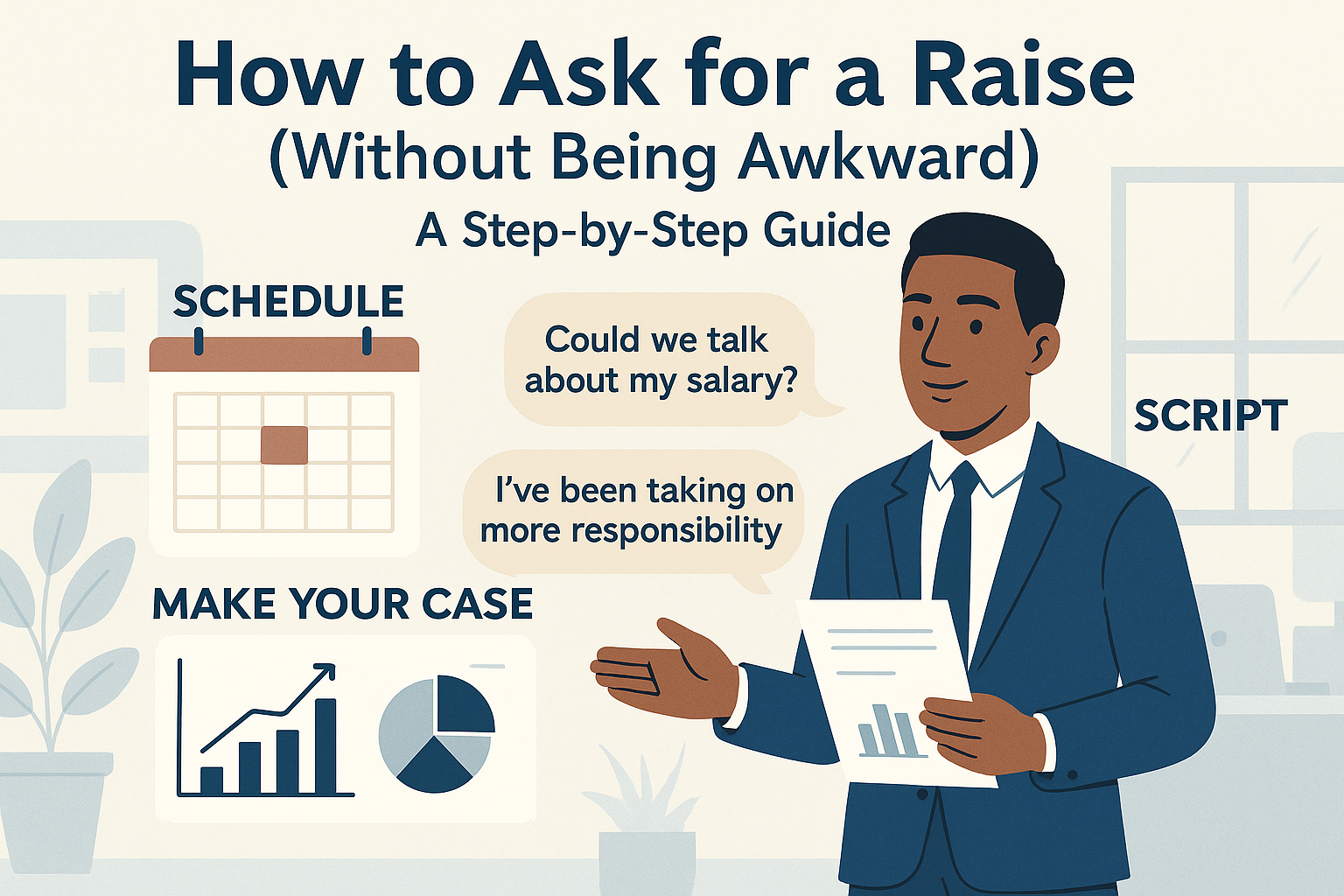
How to Ask for a Raise (Without Being Awkward): A Step-by-Step Guide
Don't wait for your annual appraisal. Learn the strategic way to ask for a raise, build your business case, and use our scripts to get the salary hike you deserve.
2025-12-10
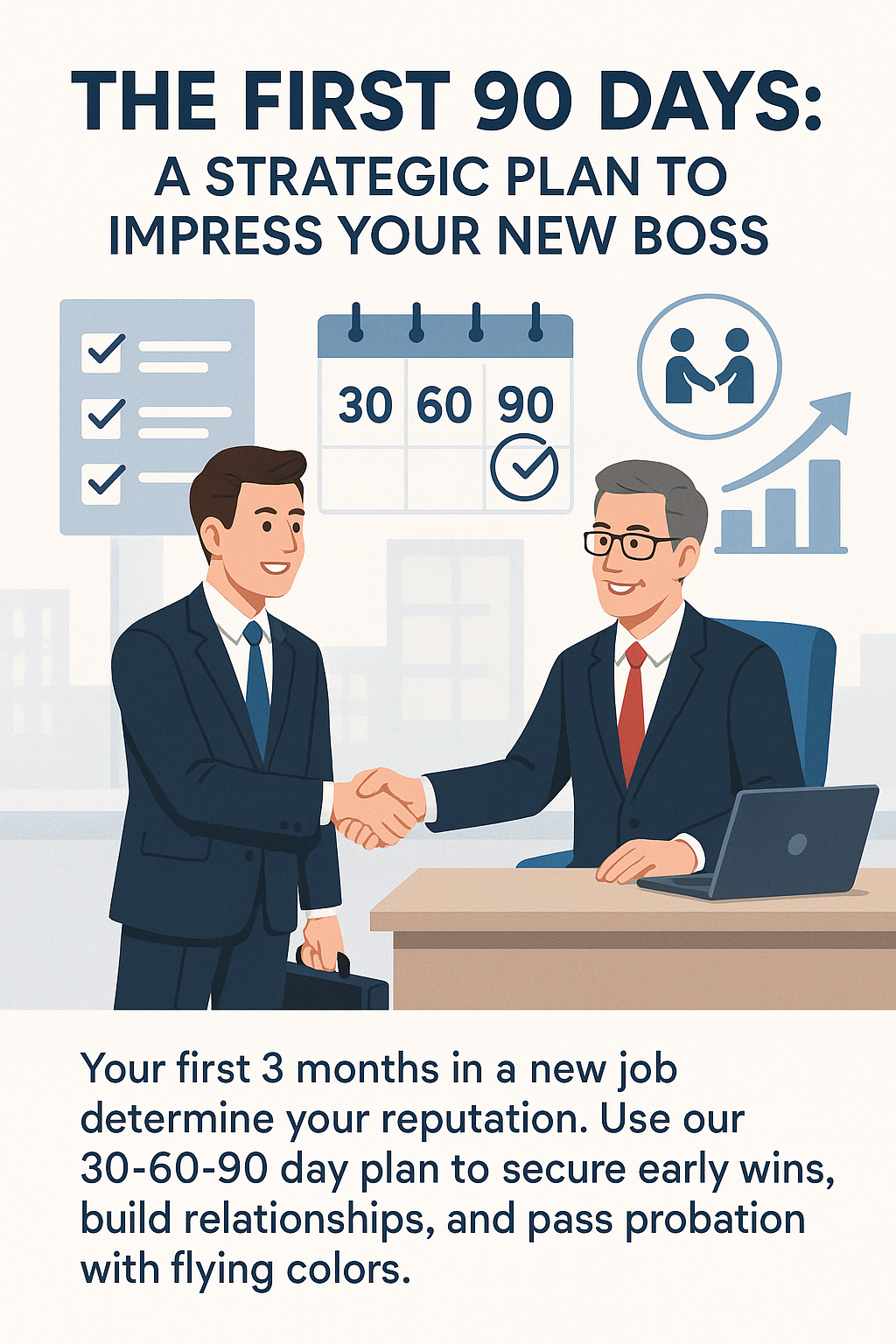
The First 90 Days: A Strategic Plan to Impress Your New Boss
Your first 3 months in a new job determine your reputation. Use our 30-60-90 day plan to secure early wins, build relationships, and pass probation with flying colors.
2025-12-09
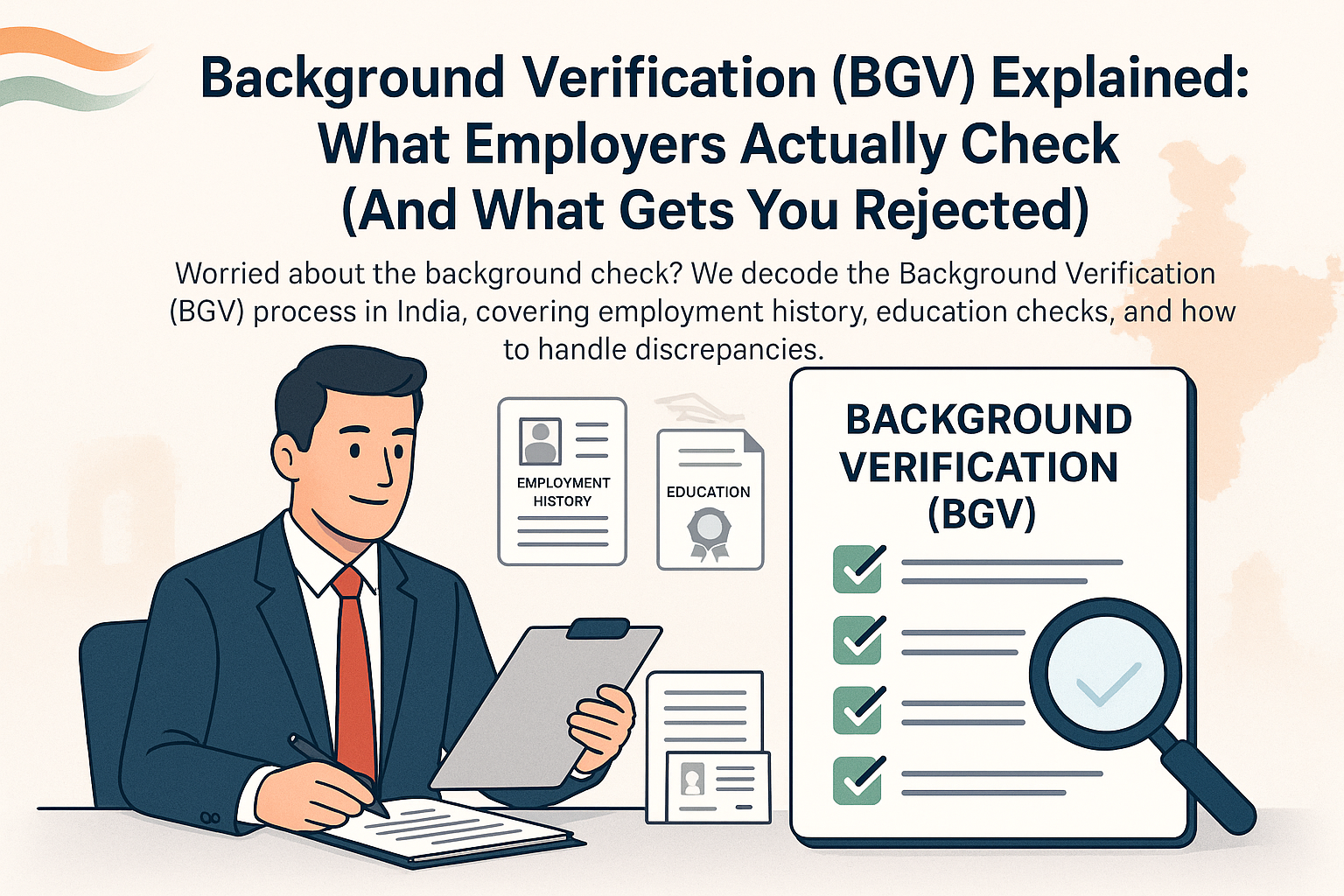
Background Verification (BGV) Explained: What Employers Actually Check (And What Gets You Rejected)
Worried about the background check? We decode the Background Verification (BGV) process in India, covering employment history, education checks, and how to handle discrepancies.
2025-12-09