


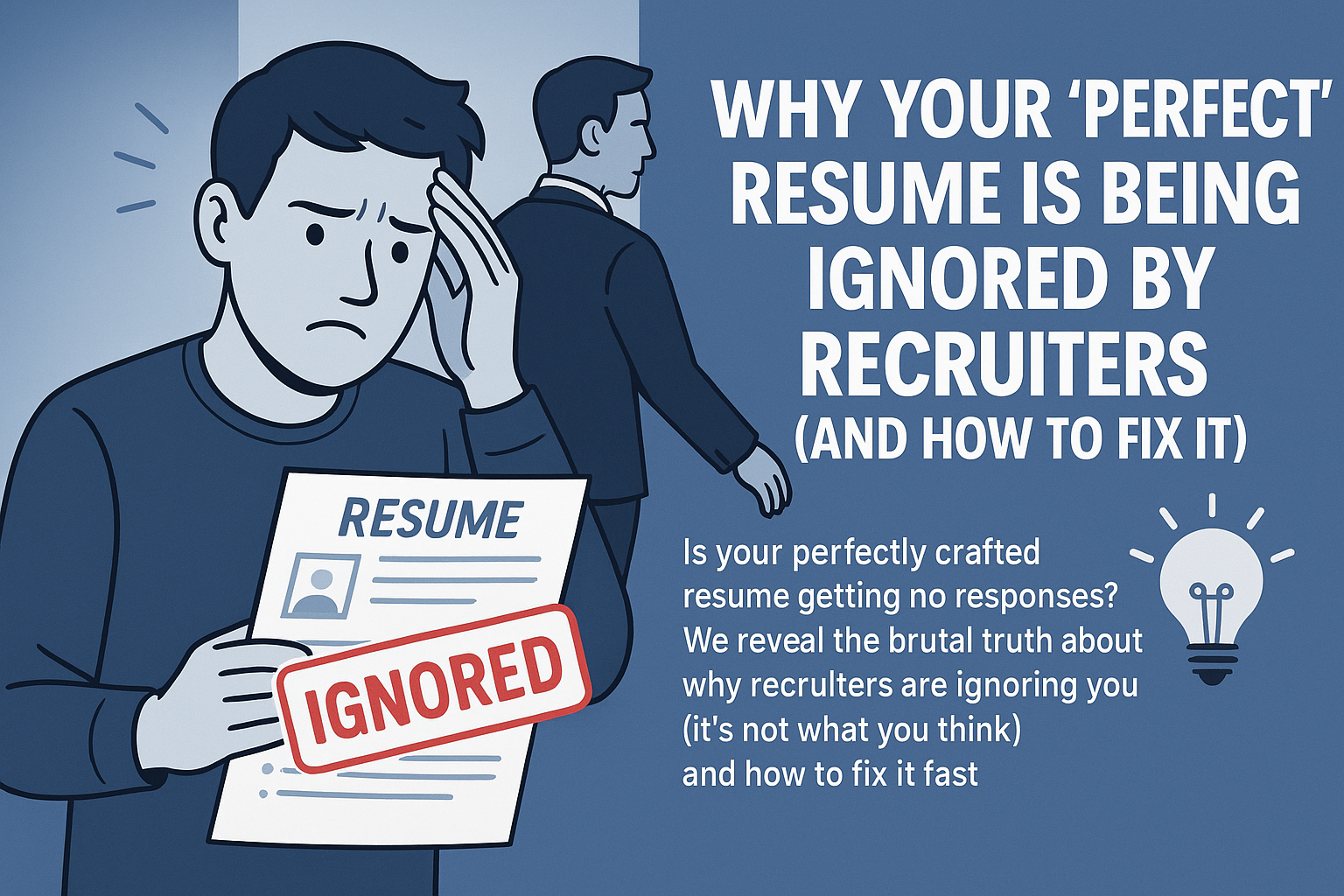
Why Your 'Perfect' Resume is Being Ignored by Every Recruiter
You’ve spent hours, maybe even days, crafting what you believe to be the "perfect" resume. You’ve chosen an elegant template, carefully selected a professional font, and painstakingly detailed every single one of your accomplishments. You’ve had friends review it, you’ve proofread it ten times, and it looks like a masterpiece. It's clean, it's professional, and it perfectly encapsulates your skills and experience. You hit "submit" for a job you know you are qualified for, feeling a surge of confidence.
And then... nothing.
Days turn into a week. The silence is deafening. You check your application status. "Submitted." You apply for another perfect-fit job. And again... nothing. A sense of panic and deep frustration begins to set in. "What is going on? My resume is perfect! Why is no one calling me back?" You start to question your skills, your experience, and the job market itself.
If this sounds familiar, you are not alone. This is one of the most demoralizing experiences in the modern job search. The brutal truth, however, is that your "perfect" resume might be the very thing that is causing it to be ignored. You've made a critical error: you've designed a resume for the human eye, forgetting that your first obstacle is a robot. The gatekeeper of nearly every corporate job you apply for is an Applicant Tracking System (ATS), and this software is almost certainly rejecting your resume before a human recruiter ever gets a chance to see how perfect it is.
This guide will pull back the curtain and reveal the most common, and often shocking, reasons why your resume is being ignored and how you can fix it immediately.
The Brutal Truth Your Resume Isn't Built for the Real Audience
The single biggest mistake candidates make is assuming their resume's first reader is a human. It's not. It's a piece of parsing software, the ATS, designed to scan and filter hundreds of applications. This software does not "see" your resume; it "reads" the text data. It does not appreciate your beautiful design. In fact, that beautiful design is probably breaking it.
- Fancy Templates are Your Enemy: That stylish template you bought or found online with two columns, skill-rating bars, and a fancy header with your initials? The ATS parser will try to read it from left to right, mixing your "Skills" section with your "Work Experience," turning your carefully crafted document into an unreadable jumble of nonsense.
- Graphics and Charts are Ignored: Those visual skill bars or logos of companies you've worked for? The ATS sees them as blank spaces or, worse, as barriers that stop it from reading the rest of your document.
- Unconventional Fonts Confuse the System: That elegant, unique font you chose? If it's not a standard, universally recognized font (like Arial, Calibri, or Times New Roman), the ATS may fail to parse the characters correctly.
Your visually "perfect" resume is being fed into a machine that is programmed to read simple, plain text. When it encounters your complex design, it fails to extract the information, gives you a low relevancy score, and automatically files your application in the digital rejection pile.
Your Keywords are a Mismatch for the Job
Let's assume your resume is formatted simply enough for the ATS to read. The next filter it must pass is the keyword match. The ATS is not smart; it's a matching engine. The recruiter has programmed it with a list of keywords and phrases pulled directly from the job description. Your resume is then scanned and scored based on how many of these keywords it contains.
If the job description asks for "experience in stakeholder management" and your resume says "experience in dealing with clients," the ATS may not be smart enough to see those as the same thing. You will get a low score, and you will be rejected.
You might be the most qualified candidate in the world, but if your resume doesn't use the exact language and keywords from the job description, the recruiter will never see it. Your "perfect" resume, written in your own words, is failing the automated relevancy test.
You're a Storyteller, Not an Achiever
Okay, let's say your format is clean and your keywords are right. Now, a human recruiter finally opens your resume. They will give it, on average, a six-second scan. What they are looking for are not your responsibilities; they are looking for your achievements.
This is where many "perfect" resumes fail spectacularly. They are filled with passive, responsibility-focused bullet points that sound like a cut-and-paste job description.
- A "Perfect" But Weak Resume Says: "Responsible for managing the monthly email newsletter."
- An "Imperfect" But Powerful Resume Says: "Grew the monthly email newsletter list by 30% and increased the click-through rate by 15% by implementing A/B testing and a new content strategy."
The first example is what you did. The second is how well you did it. Recruiters don't hire people to just do tasks; they hire people to achieve results. If your resume is a long list of responsibilities without any quantifiable impact, it's boring, unconvincing, and easy to ignore.
The "How to Fix It" Action Plan Your Path to Getting Noticed
Feeling discouraged? Don't be. All of these problems are fixable, and you can fix them right now.
1. Rebuild Your Foundation (The ATS-Friendly Template)
Ditch the fancy template immediately. Rebuild your resume from scratch in a simple, single-column format using a standard font. Use clear, bold, standard headings like "Professional Experience," "Education," and "Skills." This is the first and most critical step.
2. Run an ATS Check
Before you do anything else, see what the robots see. Use a free, powerful tool like JobPe's ATS Check. Upload your resume and get an instant, objective analysis of how an Applicant Tracking System will parse your document. It will show you exactly what information is being jumbled, misread, or ignored. This report is your diagnostic; it tells you exactly what to fix.
3. Become a Keyword Chameleon
You must tailor your resume for every single job you apply for. This is not optional; it is the most important rule of the modern job search. * Analyze the Job Description: Copy the job description and paste it into a word cloud tool or just read it carefully. Identify the top 5-10 keywords (skills, technologies, qualifications). * Weave Keywords In: Re-write your Professional Summary and your work experience bullet points to naturally include these exact keywords. * Use a Smart Tool: This can be exhausting to do manually. A tool like the JobPe Resume Builder is designed for this. It allows you to duplicate your master resume and provides AI-powered suggestions to help you seamlessly integrate the right keywords for each specific job, ensuring you get the highest possible match score. You can even check your resume's overall strength with the integrated AI Score.
4. Transform Responsibilities into Quantifiable Achievements
Go through every bullet point in your work history. For each one, ask yourself, "So what?" * "I managed the social media accounts." -> "So what?" -> "I grew the follower count." -> "By how much?" -> "Grew Instagram followers by 20% in 6 months." * "I trained new employees." -> "So what?" -> "They onboarded faster." -> "By how much?" -> "Streamlined the onboarding process, reducing new-hire ramp-up time by 2 weeks." * "I wrote code for the new feature." -> "So what?" -> "The feature worked well." -> "What was the impact?" -> "Developed a new checkout feature that reduced cart abandonment by 10%."
These achievement-oriented statements are what will make a recruiter stop scanning and start reading.
Conclusion Your Resume Isn't "Perfect" Until It Gets a Response
The hard truth is that a resume is not a piece of art. It is a marketing document with one single purpose: to get you an interview. Your "perfect" resume is not the one you think looks the best; it's the one that successfully passes the robot, grabs the recruiter's attention, and makes them pick up the phone.
Stop getting frustrated by the silence. Take an objective, critical look at your document through the eyes of an ATS and a time-strapped recruiter. Ditch the complex design, embrace simplicity, and replace your passive responsibilities with powerful, quantified achievements.
By making these strategic changes, you will transform your resume from a document that is consistently ignored into a powerful key that unlocks the interviews you deserve. Once your new resume starts working, be prepared to ace the next step by practicing with a comprehensive database of interview questions. To keep your pipeline full of new opportunities, set up targeted job alerts for roles that match your newly-optimized resume.
For more tools and resources to help you build an application that gets results, https://jobpe.com.

Creative Content Writer
More from Debojyoti Roy
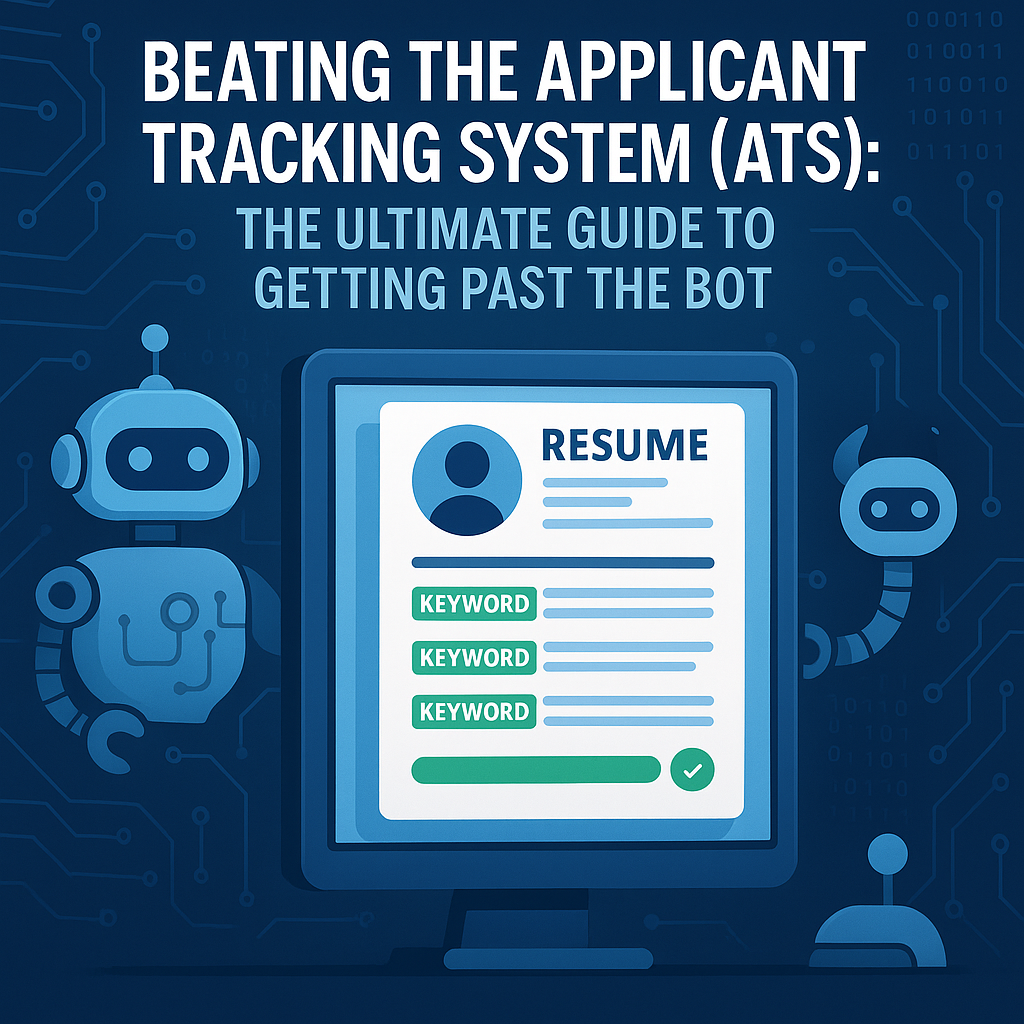
Beating the Applicant Tracking System (ATS): The Ultimate Guide to Getting Past the Bot
Is your resume getting rejected instantly? It might be the ATS. Learn how Applicant Tracking Systems work, how to format your resume to beat the bot, and the keyword strategies that get you noticed.
2025-12-10
Mastering the Cold Email: How to Land a Job Without Applying Online
Tired of the "black hole" of online applications? Learn the art of the cold email. We provide strategies, subject lines, and templates to reach hiring managers directly.
2025-12-10
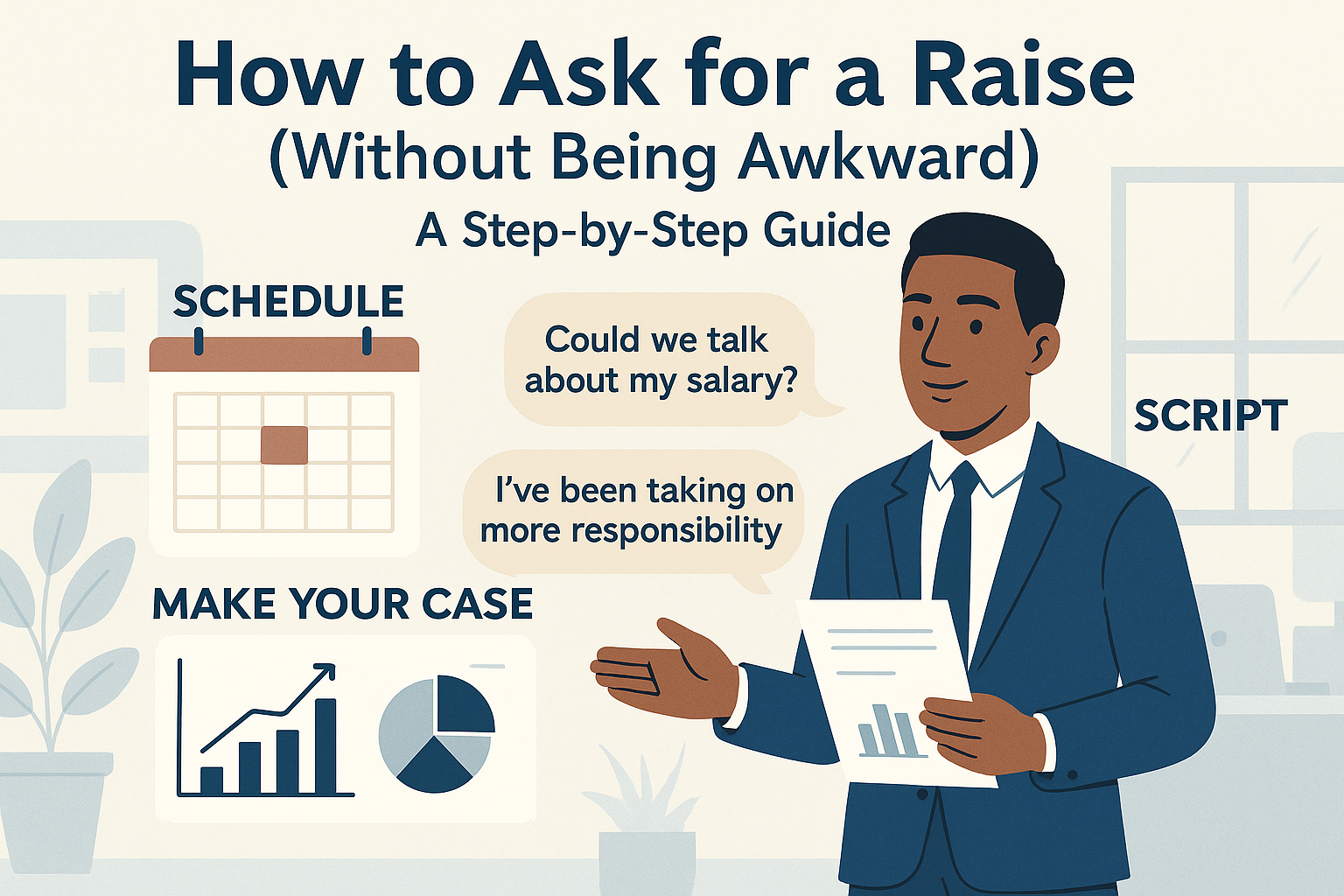
How to Ask for a Raise (Without Being Awkward): A Step-by-Step Guide
Don't wait for your annual appraisal. Learn the strategic way to ask for a raise, build your business case, and use our scripts to get the salary hike you deserve.
2025-12-10
The First 90 Days: A Strategic Plan to Impress Your New Boss
Your first 3 months in a new job determine your reputation. Use our 30-60-90 day plan to secure early wins, build relationships, and pass probation with flying colors.
2025-12-09
Background Verification (BGV) Explained: What Employers Actually Check (And What Gets You Rejected)
Worried about the background check? We decode the Background Verification (BGV) process in India, covering employment history, education checks, and how to handle discrepancies.
2025-12-09