


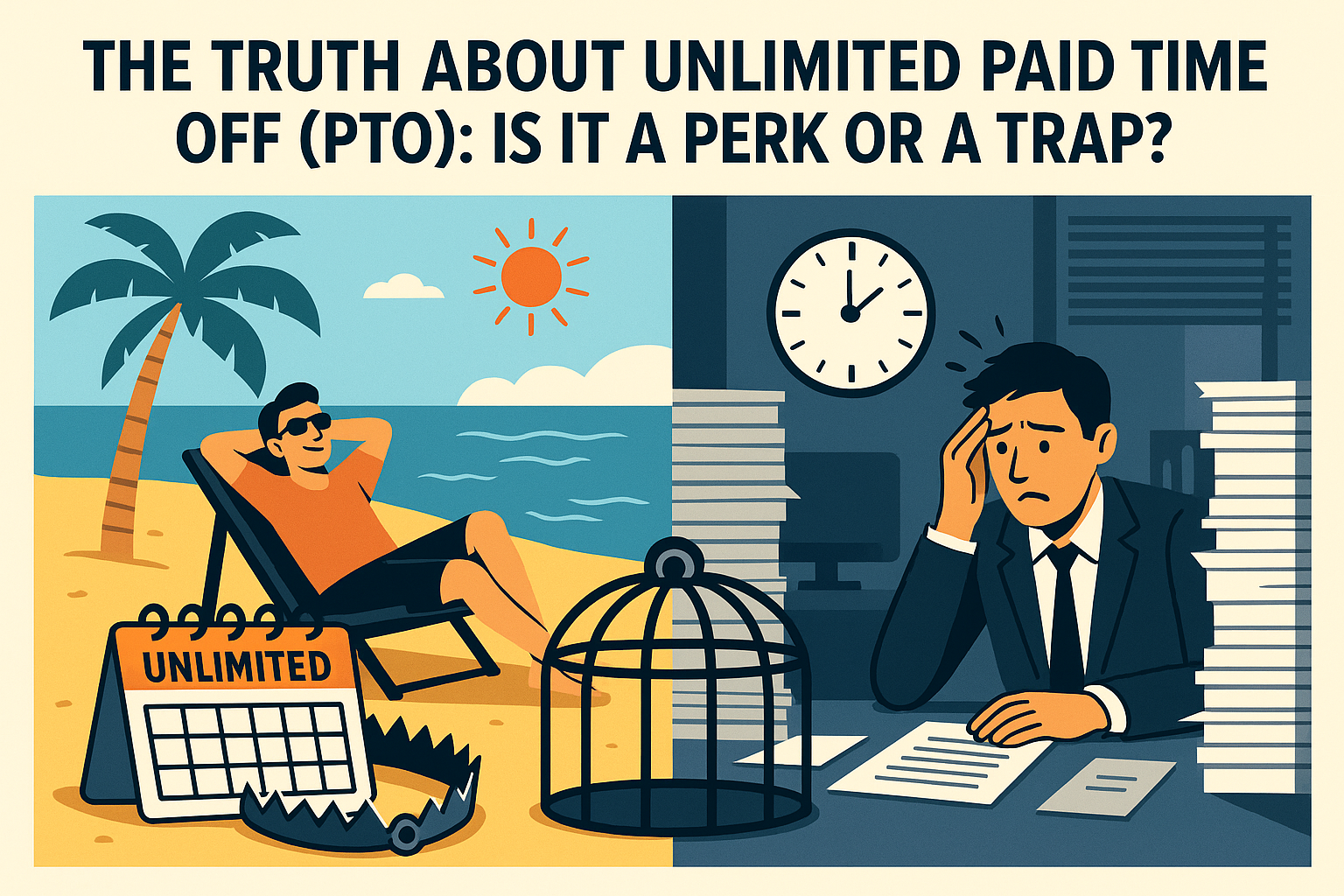
The Truth About "Unlimited Paid Time Off" (PTO): Is it a Perk or a Trap?
In the arms race to attract top talent, companies—especially in the tech and startup sectors—are constantly inventing flashy new benefits. Ping-pong tables and free snacks are old news. The new, glittering gold standard of modern perks is "Unlimited Paid Time Off" (Unlimited PTO).
On paper, it sounds like the ultimate dream. No more counting days, no more hoarding leave for December, no more stressing about taking a sick day. You are treated like an adult who can take as much time as you need, as long as the work gets done. It screams flexibility, trust, and work-life balance.
However, as this policy becomes more common globally and in Indian startups, a counter-narrative is emerging. Many employees at these companies report taking less vacation than they did with a traditional fixed allowance. Others describe a culture of "guilt" where taking leave feels like a weakness.
So, is Unlimited PTO a genuine liberation for the modern worker, or is it a clever financial trick disguised as a perk? The answer lies in the psychology of the workplace and the fine print of the policy. This article peels back the marketing layers to reveal the economic and cultural reality of Unlimited PTO, helping you decide if it’s a benefit you actually want.
The Company's Perspective: Why Do They Do It? (It's Not Just Kindness)
Companies don't just implement Unlimited PTO out of the goodness of their hearts. There is a massive financial incentive behind it.
1. Eliminating "Leave Liability" In a traditional model, accrued vacation days are a financial liability on the company's balance sheet. If you leave the company with 20 days of unused leave, they legally have to pay you for those days (leave encashment). With Unlimited PTO, you "accrue" nothing. Since there is no set number of days, there is nothing to track and, crucially, nothing to pay out when you quit. This saves companies millions.
2. Reducing Administrative Burden Tracking leave balances, carry-forwards, and accrual rates for thousands of employees is an HR nightmare. Unlimited PTO simplifies the backend process significantly.
3. The Recruiting Hook It is an incredibly powerful marketing tool. "Unlimited Vacation" looks fantastic on a job description and signals a progressive, employee-first culture.
The Employee's Perspective: The Psychological Trap
While the financial logic for the company is clear, the impact on the employee is psychological. Unlimited PTO removes the "right" to take leave and replaces it with ambiguity.
1. The Paradox of Choice (and Guilt) When you have 20 days of fixed leave, you view them as yours. You earned them, so you feel entitled to use them. When leave is "unlimited," it becomes a vague concept. You no longer know what is "appropriate." Is 2 weeks okay? Is 4 weeks greedy? Without a benchmark, employees often default to the path of least resistance: not taking leave at all to avoid looking like a slacker.
2. The "Hero" Complex In high-performance cultures, "unlimited" often morphs into a competition of who can work the most. Taking time off becomes a signal of low commitment. If the boss never takes a vacation, the team won't either, regardless of what the policy says.
3. No Separation Bonus As mentioned, when you leave, you walk away with nothing. That financial buffer of encashed leave days that often helps during a job transition disappears.
When Unlimited PTO Actually Works (The "Perk" Scenario)
Despite the risks, Unlimited PTO can be amazing. It works beautifully when two conditions are met: 1. A Trust-Based Culture: The company genuinely measures output, not hours. If you deliver your project in 3 days, no one cares if you take the other 2 off. 2. Leadership by Example: Managers actively take significant time off (3-4 weeks a year) and loudly encourage their teams to do the same.
In these environments, Unlimited PTO offers unparalleled freedom. You can take a Wednesday off for a mental health day without worry, or extend a trip by a few days without "saving up" hours. It removes the friction of life administration.
How to Evaluate an Unlimited PTO Policy (Before You Join)
If you are interviewing with a company that offers this, don't just accept the headline. You need to "stress test" the policy during the interview.
- Ask the Hiring Manager: "I see you have an Unlimited PTO policy. How much time did you personally take off last year?" Their answer will tell you the real culture. If they say, "Oh, I've been too busy to take any," that's a red flag.
- Ask About Minimums: Some progressive companies have moved to "Minimum Mandatory Leave" policies (e.g., "You must take at least 15 days"). This is the healthiest version of the policy.
- Ask the Team: If you get a peer interview, ask, "What is the average amount of vacation people on this team usually take?"
Conclusion: Clarity is Better Than Infinity
Unlimited PTO is a double-edged sword. In a healthy culture, it is the ultimate expression of trust. In a toxic or high-pressure culture, it is a recipe for burnout and lost compensation.
Don't be dazzled by the word "Unlimited." Look for the culture that supports it. A company that offers 25 days of fixed, guilt-free, mandatory vacation is often offering a much better "perk" than one offering an infinity they never intend for you to use.
To find companies with transparent cultures and benefits that match your lifestyle, research them on JobPe Companies before you apply.
For more deep dives into the changing world of work benefits, https://jobpe.com.

Creative Content Writer
More from Debojyoti Roy
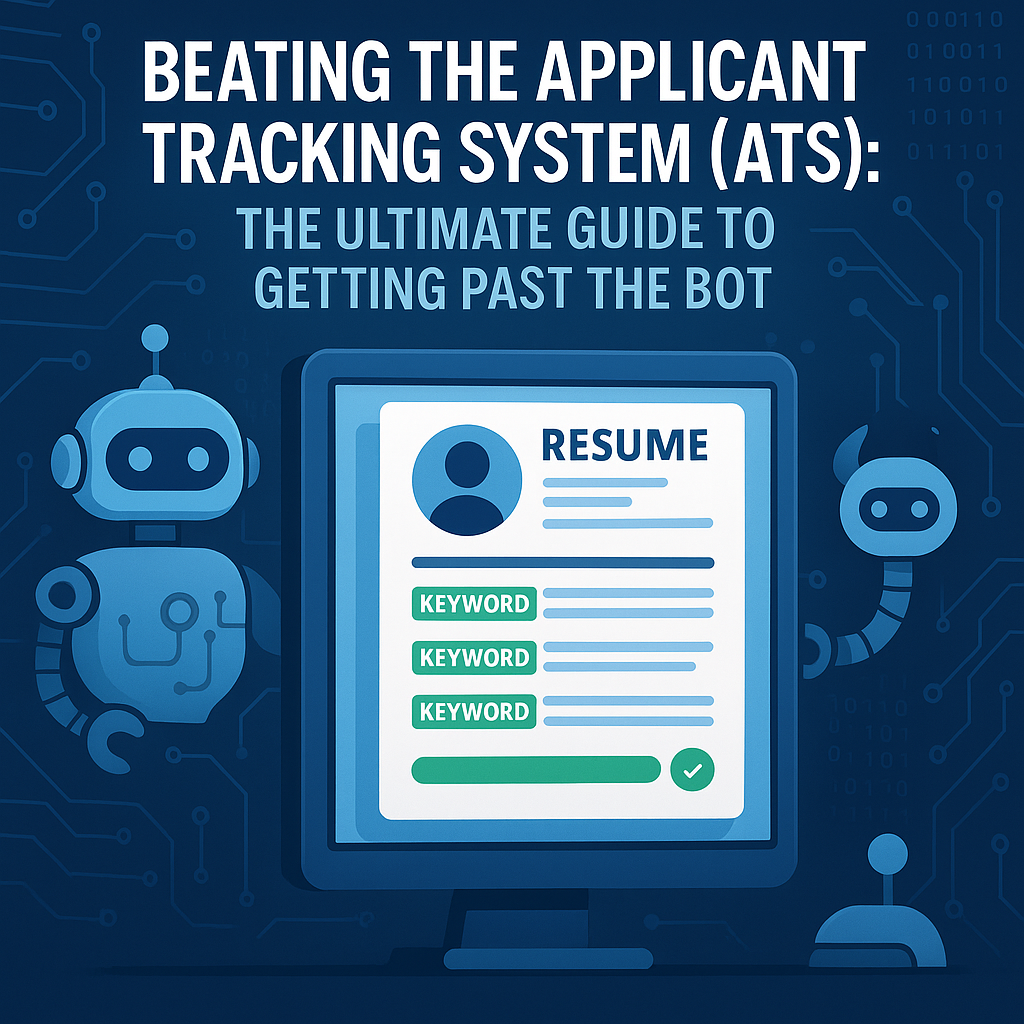
Beating the Applicant Tracking System (ATS): The Ultimate Guide to Getting Past the Bot
Is your resume getting rejected instantly? It might be the ATS. Learn how Applicant Tracking Systems work, how to format your resume to beat the bot, and the keyword strategies that get you noticed.
2025-12-10
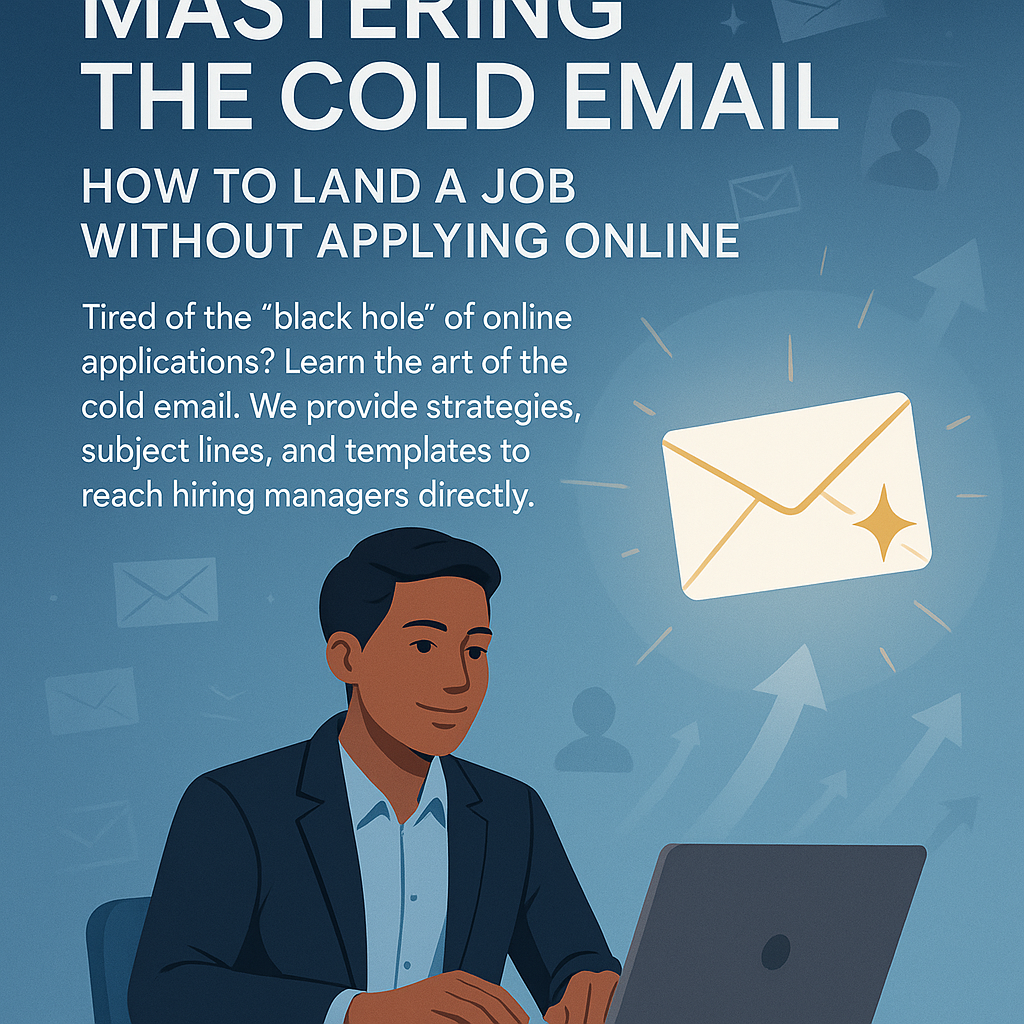
Mastering the Cold Email: How to Land a Job Without Applying Online
Tired of the "black hole" of online applications? Learn the art of the cold email. We provide strategies, subject lines, and templates to reach hiring managers directly.
2025-12-10
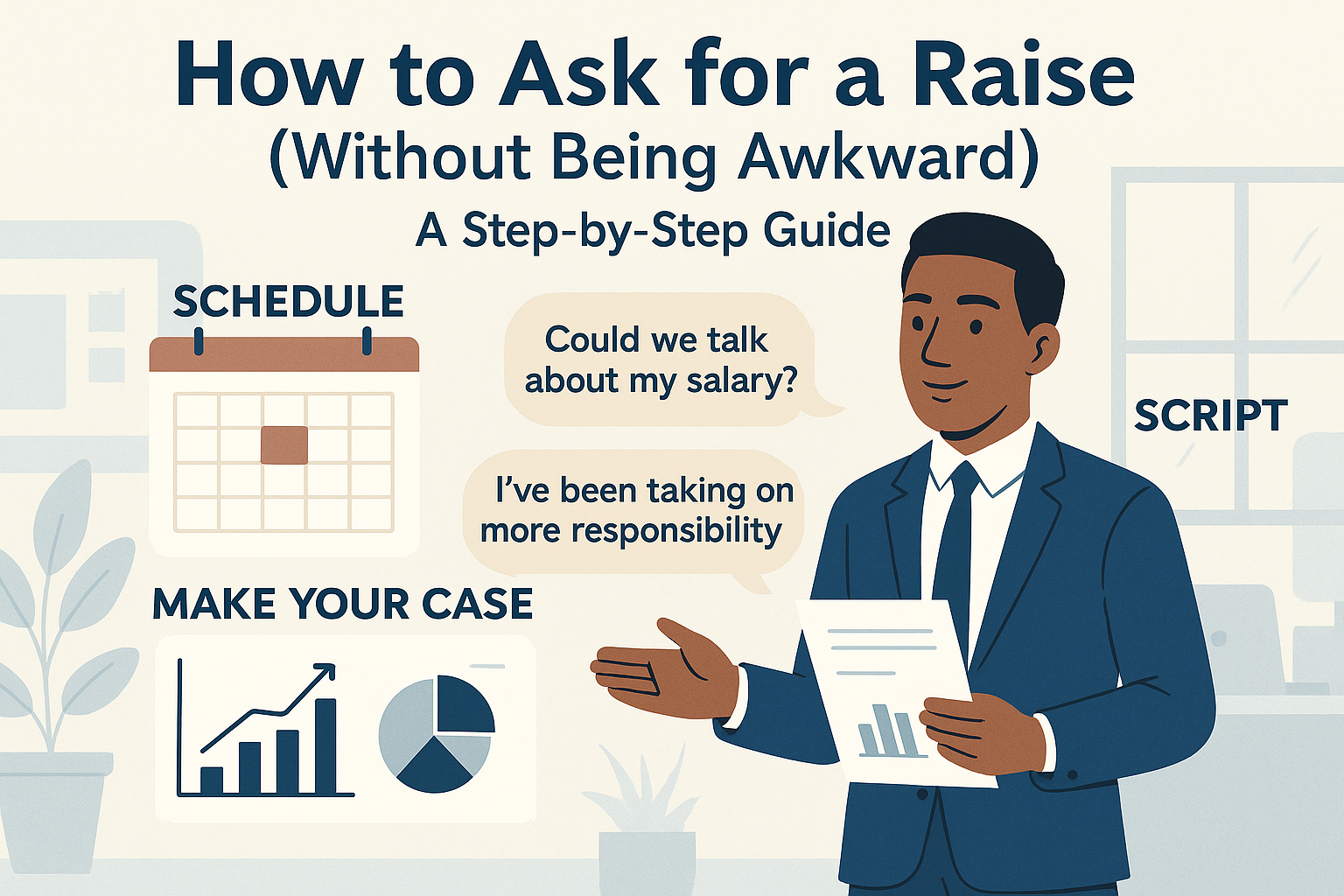
How to Ask for a Raise (Without Being Awkward): A Step-by-Step Guide
Don't wait for your annual appraisal. Learn the strategic way to ask for a raise, build your business case, and use our scripts to get the salary hike you deserve.
2025-12-10

The First 90 Days: A Strategic Plan to Impress Your New Boss
Your first 3 months in a new job determine your reputation. Use our 30-60-90 day plan to secure early wins, build relationships, and pass probation with flying colors.
2025-12-09
Background Verification (BGV) Explained: What Employers Actually Check (And What Gets You Rejected)
Worried about the background check? We decode the Background Verification (BGV) process in India, covering employment history, education checks, and how to handle discrepancies.
2025-12-09