


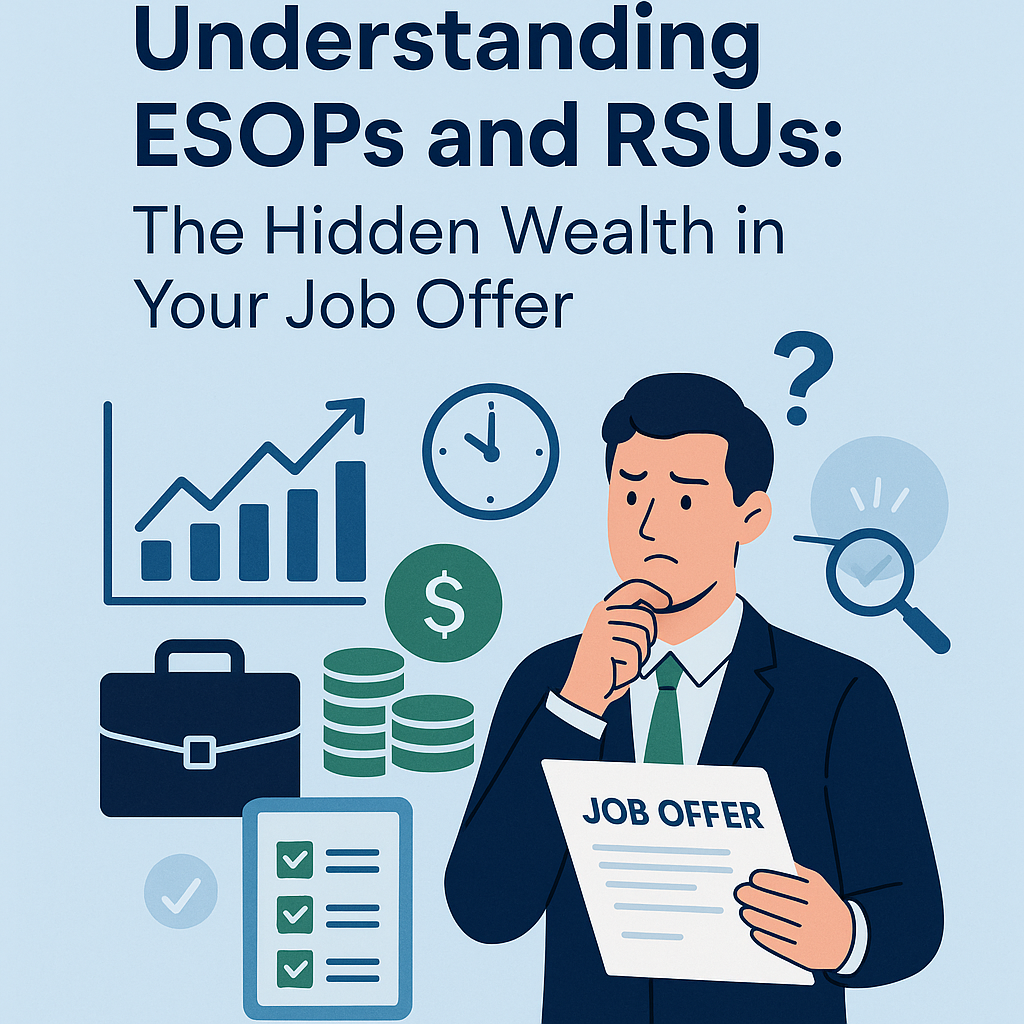
Understanding ESOPs and RSUs: The Hidden Wealth in Your Job Offer
You’ve received a job offer from an exciting tech company or a high-growth startup. The base salary looks decent, but then you see a line item that looks confusing: "1,000 ESOPs" or "₹10 Lakhs worth of RSUs."
For many professionals, this "equity" component feels like Monopoly money. It’s intangible, complicated, and often comes with a mountain of legal paperwork. As a result, many candidates ignore it completely, focusing only on the cash component (CTC) when making their decision.
This is a massive financial mistake.
In the modern economy, equity is often the vehicle for true wealth creation. It is the reason early employees at companies like Flipkart, Infosys, or Google became millionaires. It transforms you from an employee into an owner. However, not all equity is created equal. A "stock option" is very different from a "stock unit," and 10,000 shares in one company might be worth less than 10 shares in another.
To negotiate effectively and understand what you are actually being paid, you need to speak the language of equity. This guide will break down the jargon—ESOPs, RSUs, Vesting, and Cliffs—and help you evaluate whether that stock component is a lottery ticket or a solid investment.
The Two Main Types: ESOPs vs. RSUs
While both give you ownership, they work very differently.
1. ESOPs (Employee Stock Option Plans)
- What they are: An option (right) to buy a specific number of company shares at a fixed price in the future.
- The "Strike Price": This is the fixed price you pay. If your strike price is ₹100, and the company share price grows to ₹1,000, you still only pay ₹100 to buy it. Your profit is the difference (₹900).
- Where you see them: Primarily in Startups and private companies.
- The Risk: If the company doesn't grow or go public (IPO), the shares might be worthless. You also have to use your own money to "exercise" (buy) them.
2. RSUs (Restricted Stock Units)
- What they are: A promise to give you shares for free once you meet certain conditions (usually staying at the company for a set time).
- The Price: You pay zero. The entire value of the share is your profit (minus taxes).
- Where you see them: Primarily in Public Companies (like Google, Amazon, Microsoft) or late-stage unicorns.
- The Risk: Lower risk. Even if the share price drops, the stock still has value because you didn't pay for it.
The "Golden Handcuffs": Vesting and The Cliff
Companies don't give you all the shares on Day 1. They use them to keep you employed.
- Vesting Schedule: The timeline over which you earn your shares. The industry standard is 4 years.
- The Cliff: A mandatory waiting period, usually 1 year.
- Example: If you have 1,000 options with a 4-year schedule and a 1-year cliff, you get 0 shares if you leave in month 11. On month 12 (the cliff), you instantly get 25% (250 shares). The rest vest monthly or quarterly over the next 3 years.
Why this matters: If you are planning to stay at a job for only 18 months, you will likely leave 70-80% of your equity on the table.
How to Evaluate the Value of Your Equity
Do not just look at the number of shares. 10,000 shares out of 100 million total shares is a tiny slice; 100 shares out of 1,000 is massive.
Questions to Ask the Recruiter/Founder: 1. "What is the current valuation of the company?" (Essential for startups). 2. "What is the Strike Price?" (For ESOPs). 3. "What percentage of the company does this grant represent?" (More important for early-stage startups). 4. "What is the vesting schedule?" (Standard is 4 years, but some offer front-loaded vesting). 5. "Is there a liquidity event planned?" (i.e., When can I actually sell these? Is an IPO or buyback on the horizon?)
The Tax Trap (A Warning for Indian Employees)
In India, equity taxation is complex. * For ESOPs: You are taxed twice. First as a "perquisite" (salary) when you buy the shares, and second as "capital gains" when you sell them. This can sometimes lead to a cash-flow problem where you owe tax before you've made money. * For RSUs: They are taxed as income when they vest (hit your account) and as capital gains when you sell.
Note: Always consult a CA for specific advice, but be aware that equity has tax implications.
Should You Accept Lower Salary for More Equity?
This is the ultimate gamble. * Choose More Equity If: You are young, have high risk tolerance, believe 100% in the company's future success, and the company is in a high-growth phase. * Choose More Salary If: You have financial obligations (loans, family), the company is stagnant, or you value cash flow over potential future wealth.
Conclusion: It's a Long-Term Game
Equity is not a bonus; it is a partnership. When you accept ESOPs or RSUs, you are betting your time and talent on the company's future.
Don't ignore the fine print. Understand the vesting, check the strike price, and view it as a long-term investment bucket in your financial portfolio. Used wisely, it can be the most valuable component of your offer letter.
To compare how different companies structure their compensation, research their profiles on JobPe Companies. And if you are ready to negotiate for that equity, review our Salary Negotiation Guide.
For more insights into maximizing your career earnings, https://jobpe.com.

Creative Content Writer
More from Debojyoti Roy
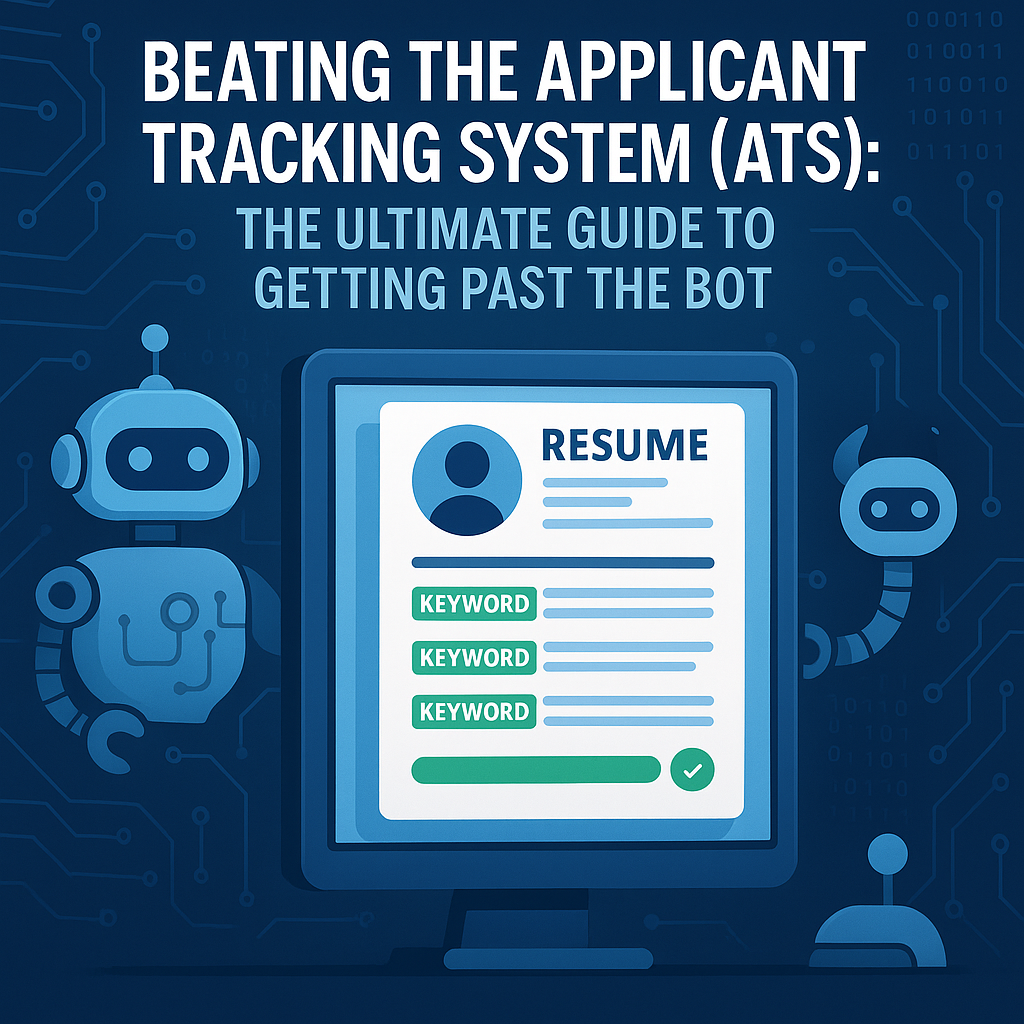
Beating the Applicant Tracking System (ATS): The Ultimate Guide to Getting Past the Bot
Is your resume getting rejected instantly? It might be the ATS. Learn how Applicant Tracking Systems work, how to format your resume to beat the bot, and the keyword strategies that get you noticed.
2025-12-10
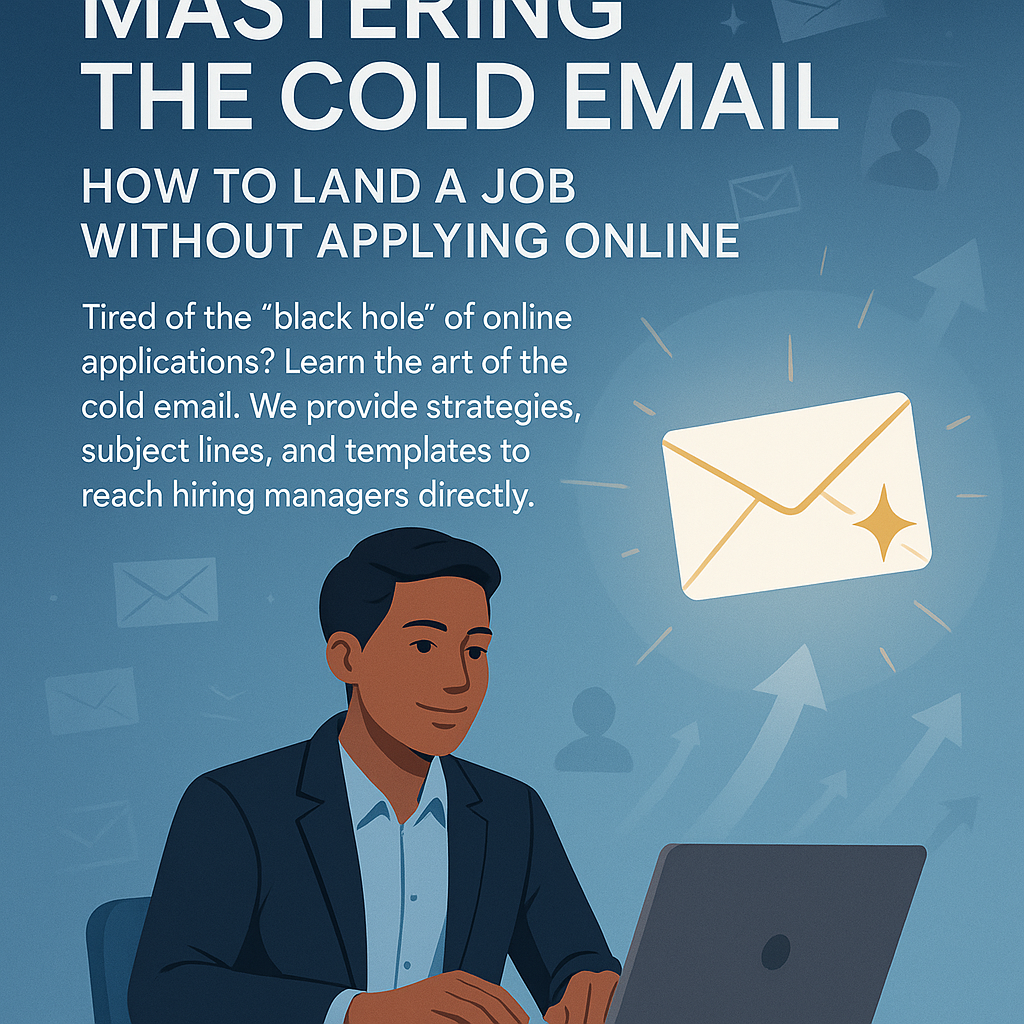
Mastering the Cold Email: How to Land a Job Without Applying Online
Tired of the "black hole" of online applications? Learn the art of the cold email. We provide strategies, subject lines, and templates to reach hiring managers directly.
2025-12-10
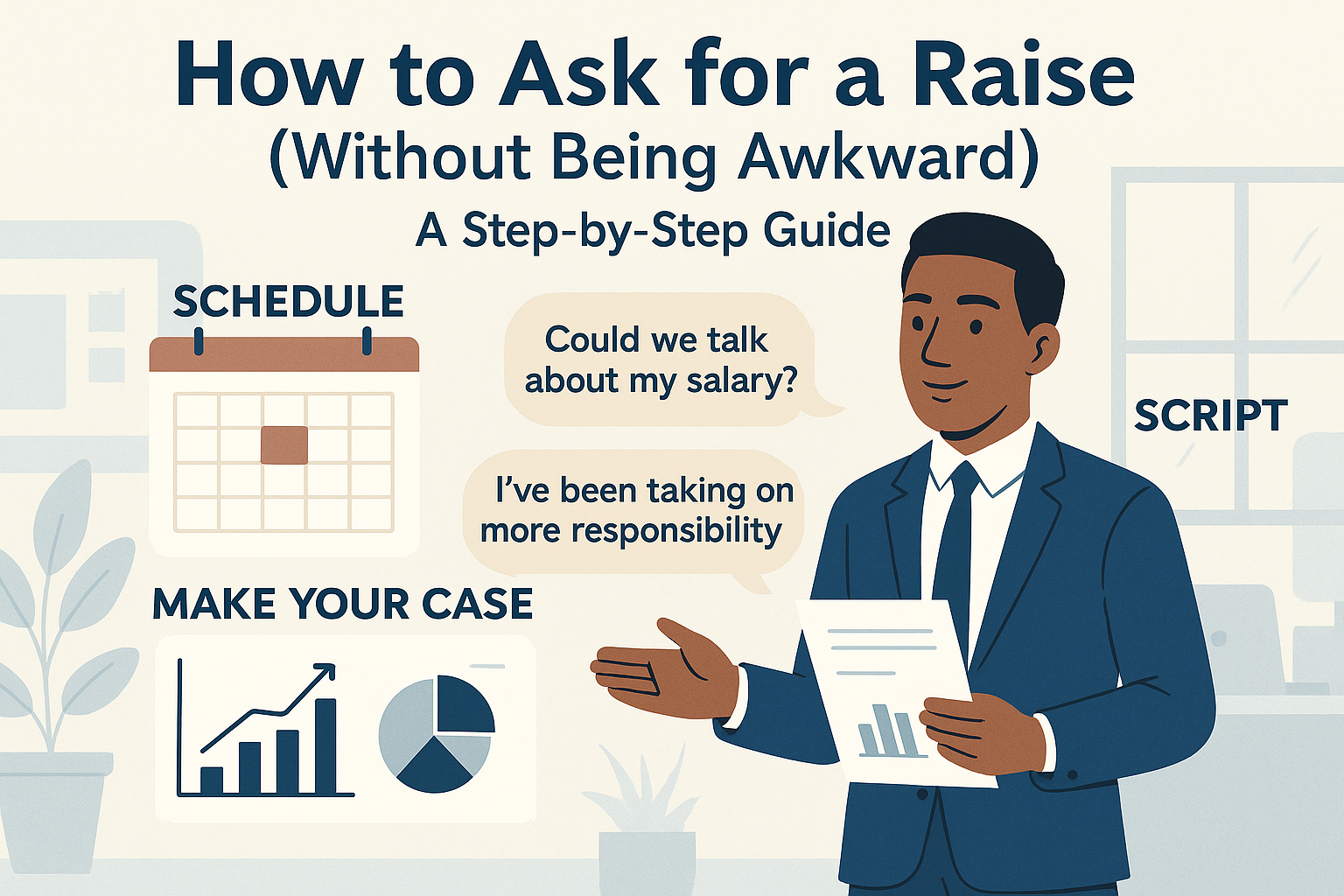
How to Ask for a Raise (Without Being Awkward): A Step-by-Step Guide
Don't wait for your annual appraisal. Learn the strategic way to ask for a raise, build your business case, and use our scripts to get the salary hike you deserve.
2025-12-10

The First 90 Days: A Strategic Plan to Impress Your New Boss
Your first 3 months in a new job determine your reputation. Use our 30-60-90 day plan to secure early wins, build relationships, and pass probation with flying colors.
2025-12-09
Background Verification (BGV) Explained: What Employers Actually Check (And What Gets You Rejected)
Worried about the background check? We decode the Background Verification (BGV) process in India, covering employment history, education checks, and how to handle discrepancies.
2025-12-09