


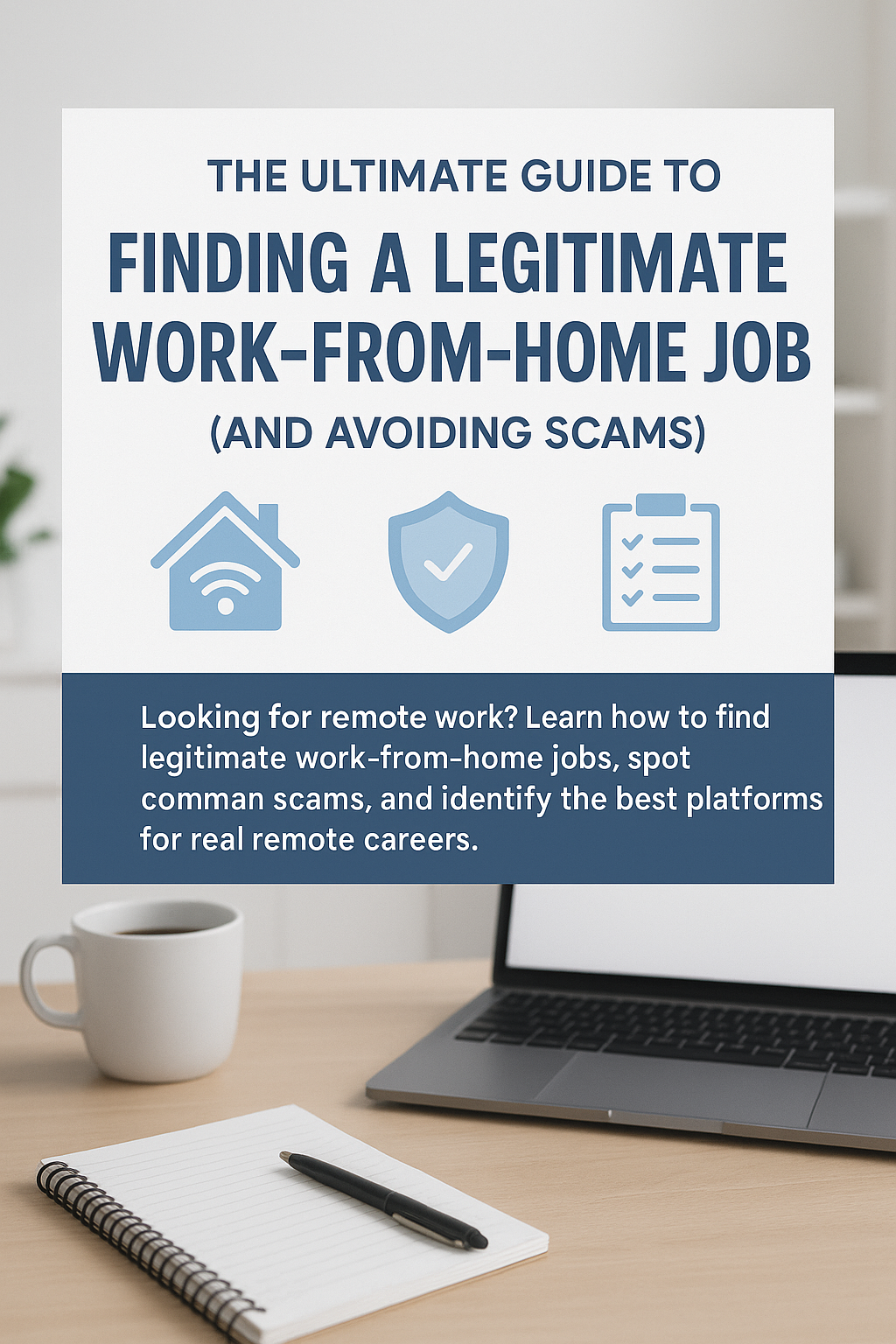
The Ultimate Guide to Finding a Legitimate Work-From-Home Job (And Avoiding Scams)
The dream of working from home—skipping the commute, working in pajamas, and managing your own schedule—has never been more popular. Since the pandemic, "Work From Home" (WFH) and "Remote Jobs" have consistently been the top search terms on every major job board. For students, stay-at-home parents, and professionals seeking better work-life balance, the remote revolution offers incredible freedom.
However, this surge in demand has created a playground for scammers. The internet is flooded with "easy money" schemes masquerading as jobs. Advertisements promising "Make ₹50,000/month with simple copy-paste work!" or "No experience needed, start today!" are almost always traps designed to steal your money or your data.
Finding a legitimate remote job requires a specific set of skills and a high degree of vigilance. You need to distinguish between a real professional role that happens to be remote, and a predatory scheme targeting desperate job seekers.
This guide is your safety manual and your roadmap. We will expose the most common WFH scams, teach you the red flags to watch out for, and show you exactly where and how to find genuine, high-quality remote opportunities that pay a real salary.
The "Real" Remote Jobs vs. The "Fake" Ones
The first step is adjusting your expectations. Legitimate remote jobs generally fall into professional categories that require specific skills. They are not "get rich quick" schemes.
Real Remote Roles typically include: * Tech: Software Developer, QA Tester, UI/UX Designer. * Marketing: Content Writer, Social Media Manager, SEO Specialist. * Support: Customer Service Representative (for reputable companies), Virtual Assistant. * Education: Online Tutor, Curriculum Developer. * Operations: Data Analyst, Project Manager, Recruiter.
The "Red Flag" Categories (Proceed with Extreme Caution): * "Simple Data Entry": While real data entry jobs exist, 95% of online ads for them are scams or pay pennies. * "Form Filling" or "Copy Paste" Jobs: These are almost universally scams. * "SMS Sending" Jobs: These are illegal schemes.
How to Spot a WFH Scam: The 5 Golden Rules
Scammers are getting sophisticated, but they always make mistakes. If you see any of these signs, delete the email and block the number.
1. They Ask You for Money
The Rule: A real job pays you. You never pay the employer. If they ask for a "registration fee," "security deposit," "training fee," or money for a "laptop/equipment bond," it is a scam. Legitimate companies provide equipment or expect you to have your own, but they never ask for cash upfront.
2. The Interview Happens Entirely via Text/Telegram
Legitimate companies want to hear your voice and see your face. If the "hiring manager" refuses to get on a video call or phone call and insists on conducting the interview via WhatsApp, Telegram, or Google Chat text only, it is a scam.
3. The Pay is Too Good to Be True
If a job requires "no experience" and offers a salary of ₹50,000+ per month for working 2 hours a day, it is a lie. Real salaries are based on market rates and skill levels.
4. They Hire You Instantly
A real hiring process takes time. If you apply and get an offer letter 10 minutes later without a proper interview or skills assessment, run.
5. The Email Address is Generic
Real recruiters email from @companyname.com. Scammers use @gmail.com, @yahoo.com, or slight misspellings of real company names (e.g., @amazon-hiring-dept.com instead of @amazon.com).
Where to Find Legitimate Remote Jobs
Stop searching Google for "online jobs." Use trusted platforms and filters.
1. Use Job Aggregators with "Remote" Filters
On platforms like JobPe, use the advanced search features. * Filter by Location: Select "Remote" or "Work from Home." * Filter by Job Type: Select "Full Time" or "Contract." * Search Specific Keywords: Instead of "online work," search for specific titles like "Remote Customer Support," "Freelance Writer," or "Virtual Assistant."
2. Niche Remote Job Boards
Several websites curate only remote listings, vetting them for legitimacy. * We Work Remotely: Great for tech and marketing. * FlexJobs: A paid site (which keeps scams out) known for high-quality listings. * Remote.co: A curated list of remote opportunities.
3. Company Career Pages
Many "remote-first" companies hire directly. Look at the career pages of companies known for remote work, such as: * Automattic (WordPress) * GitLab * Shopify * Zapier * Tech startups and EdTech companies (like Byju's, Unacademy - check current status).
Skills You Need to Get Hired Remotely
Remote employers aren't just looking for technical skills; they are looking for candidates who can be trusted to work without supervision. Your resume needs to highlight:
- Self-Discipline: Show that you can manage your own schedule and meet deadlines.
- Communication Tools: List proficiency in remote tools like Zoom, Slack, Microsoft Teams, Trello, or Asana.
- Written Communication: Since most remote work happens via email and chat, clear writing is a critical skill.
Conclusion: Vigilance is Your Best Defense
The remote job market is a land of opportunity, but you must navigate it with your eyes wide open. The most important tool you have is your intuition. If a job feels too easy, too lucrative, or too secretive, it is almost certainly a trap.
Focus on building tangible, marketable skills. Target reputable companies. Use trusted platforms. A legitimate remote job is out there, but you have to hunt for it with the same professionalism and strategy as you would for any corporate role.
To ensure your resume highlights the self-motivation and digital skills remote employers crave, refine it with the JobPe Resume Builder. And to get safe, legitimate remote listings delivered to you, set up a targeted job alert with the "Remote" filter enabled.
For more resources to help you find a safe and successful career path, https://jobpe.com.

Creative Content Writer
More from Debojyoti Roy
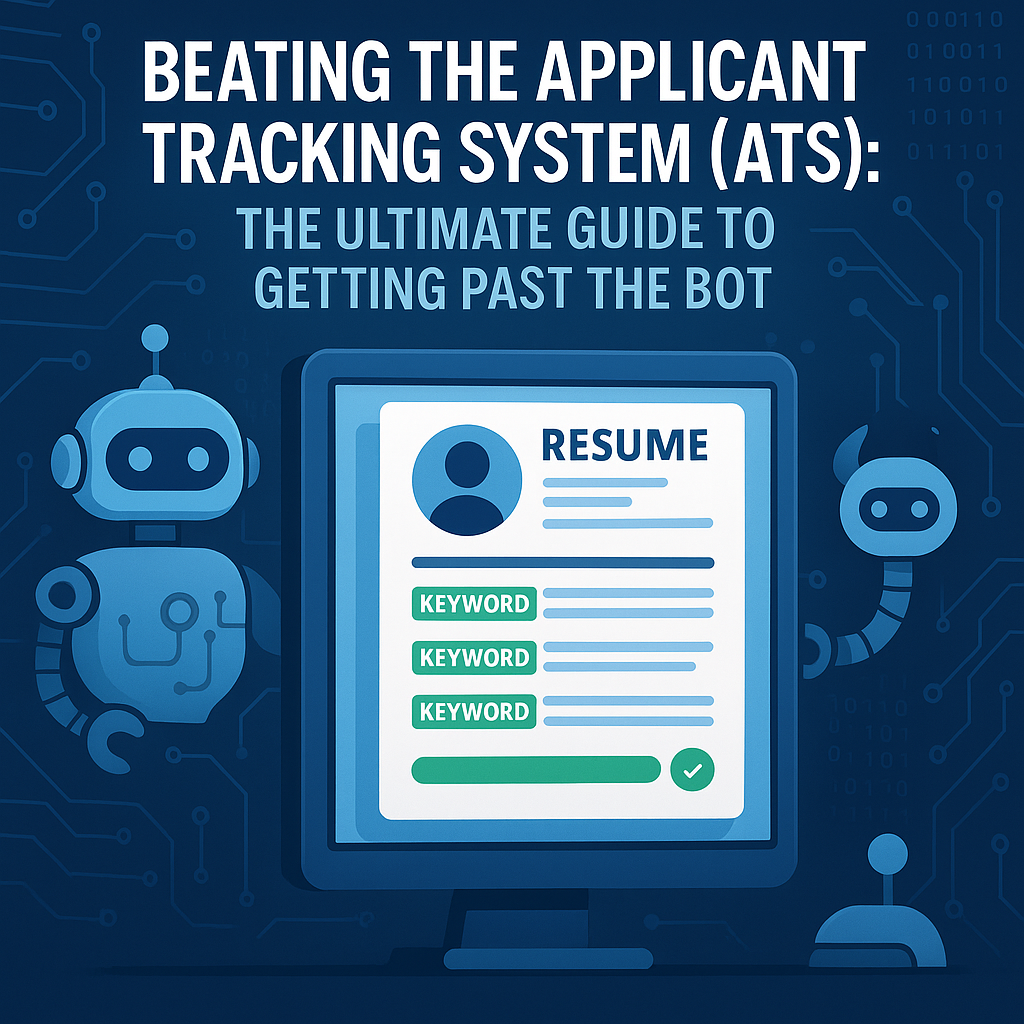
Beating the Applicant Tracking System (ATS): The Ultimate Guide to Getting Past the Bot
Is your resume getting rejected instantly? It might be the ATS. Learn how Applicant Tracking Systems work, how to format your resume to beat the bot, and the keyword strategies that get you noticed.
2025-12-10
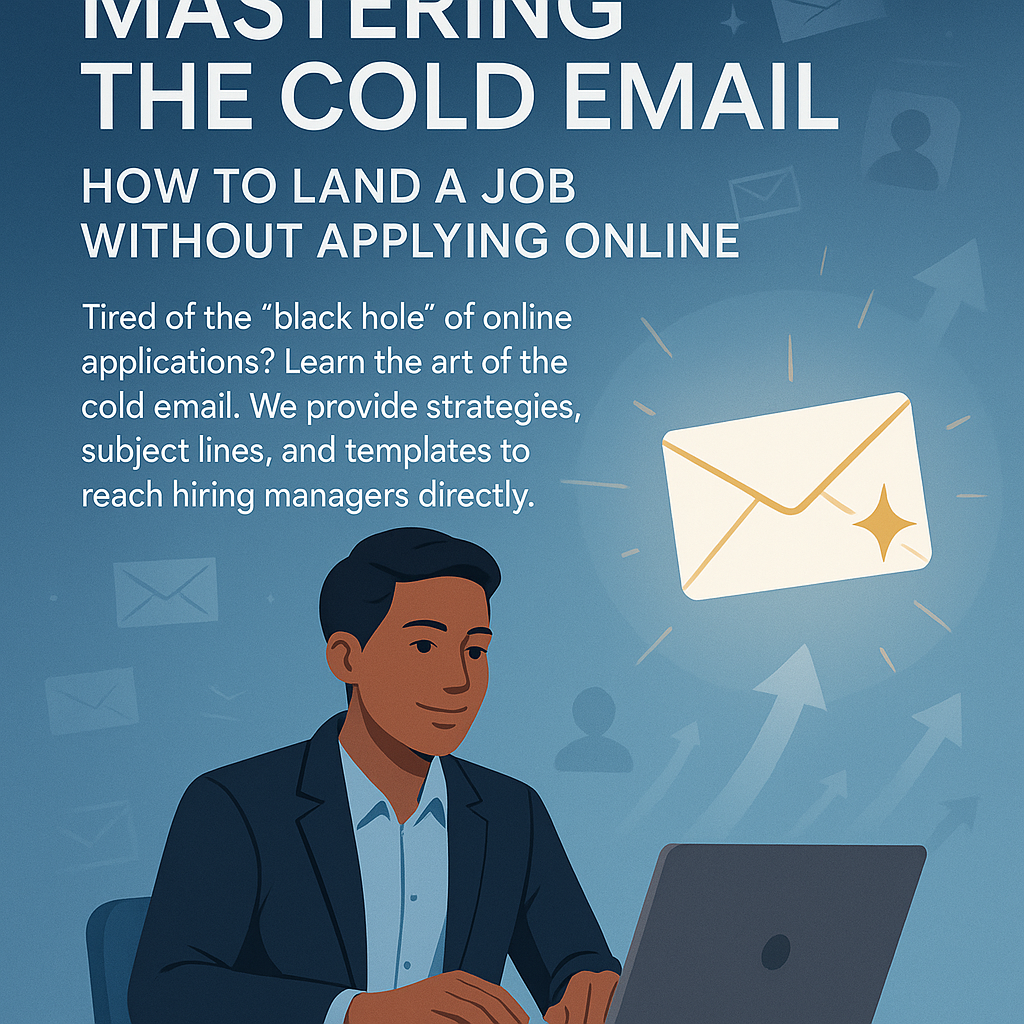
Mastering the Cold Email: How to Land a Job Without Applying Online
Tired of the "black hole" of online applications? Learn the art of the cold email. We provide strategies, subject lines, and templates to reach hiring managers directly.
2025-12-10
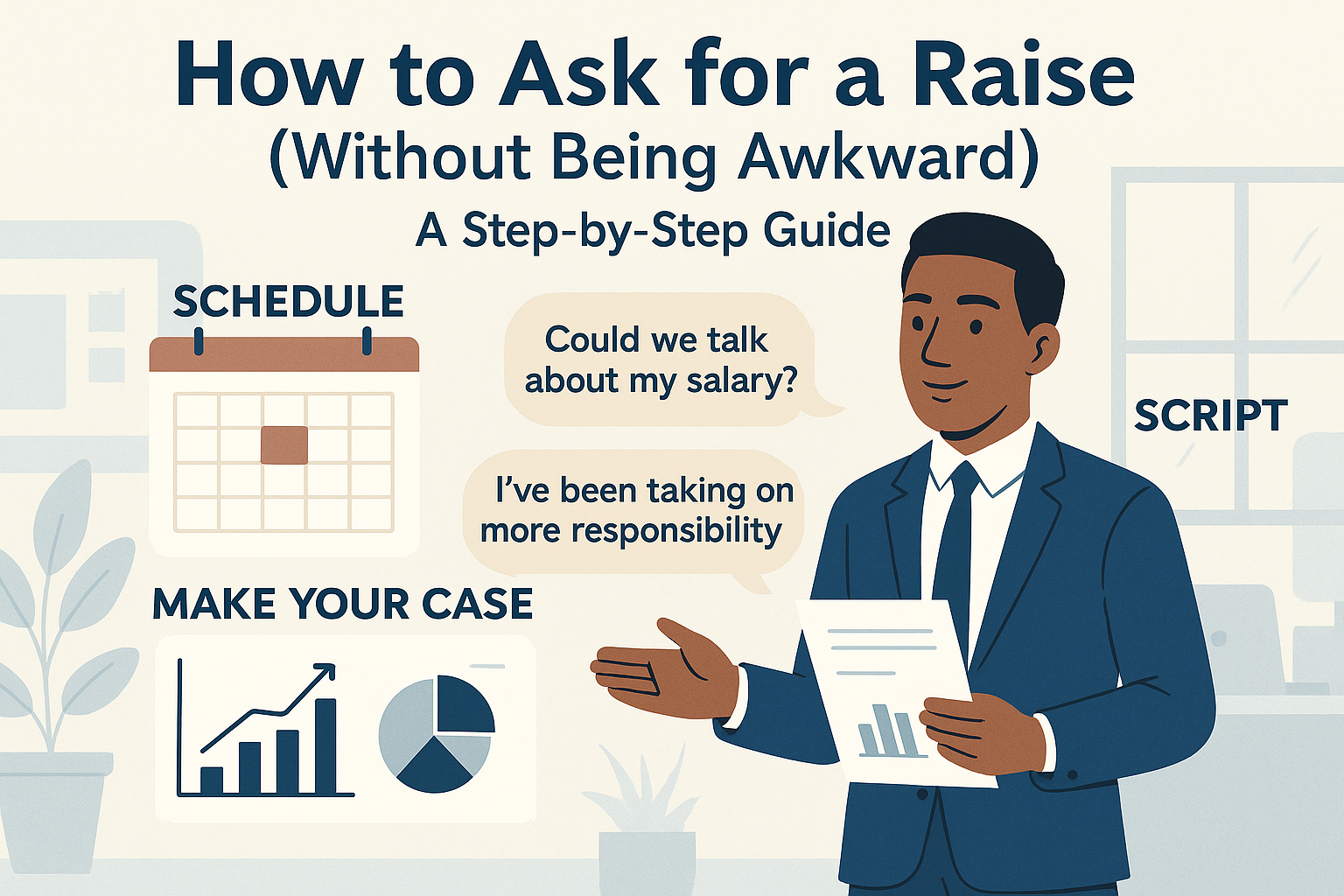
How to Ask for a Raise (Without Being Awkward): A Step-by-Step Guide
Don't wait for your annual appraisal. Learn the strategic way to ask for a raise, build your business case, and use our scripts to get the salary hike you deserve.
2025-12-10

The First 90 Days: A Strategic Plan to Impress Your New Boss
Your first 3 months in a new job determine your reputation. Use our 30-60-90 day plan to secure early wins, build relationships, and pass probation with flying colors.
2025-12-09
Background Verification (BGV) Explained: What Employers Actually Check (And What Gets You Rejected)
Worried about the background check? We decode the Background Verification (BGV) process in India, covering employment history, education checks, and how to handle discrepancies.
2025-12-09