


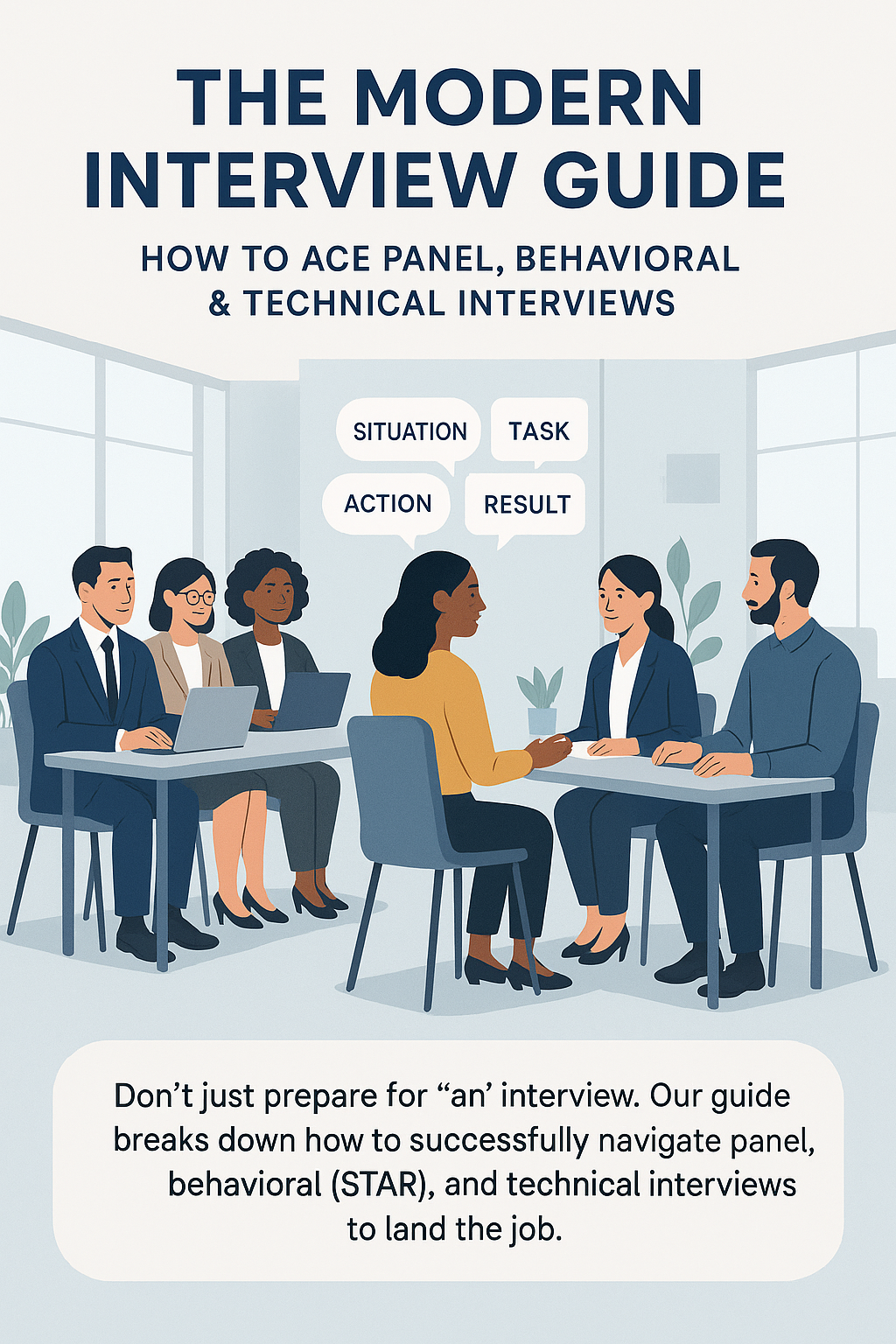
Beyond the Basics A Guide to Acing Panel, Behavioral, and Technical Interviews
You’ve made it. Your strategic, keyword-optimized resume sailed through the Applicant Tracking System (ATS), and the recruiter has invited you for an interview. This is a massive victory, but it's also the start of a new, more complex challenge. In the past, a "job interview" was often a single, straightforward conversation with a hiring manager. Today, the process is a multi-stage, multi-format gauntlet designed to test your skills, personality, and capabilities from every conceivable angle.
You might be invited to a "quick behavioral screen," followed by a "technical deep-dive," and finally, a "panel discussion." Each of these is a different kind of performance, and each requires its own unique strategy and preparation. Acing the behavioral interview requires a different skill set than acing a technical whiteboard challenge. Many highly qualified candidates fail at this stage, not because they lack the skills for the job, but because they are unprepared for the format of the interview itself. They prepare for "an interview," not for the specific types they will face.
Understanding the "why" behind each interview format is the secret to success. It allows you to anticipate the types of questions you'll be asked, frame your answers effectively, and demonstrate the exact competencies the interviewers are looking for. This guide is your comprehensive playbook for the three most common and challenging interviews you will face in the modern hiring process: the behavioral, the technical, and the panel interview.
The Behavioral Interview Decoding Your Past to Predict Your Future
What It Is: The behavioral interview is the most common format you'll encounter, often used in the initial screening rounds. It is based on the psychological principle that past behavior is the best predictor of future performance. You will be asked questions that start with "Tell me about a time when..." or "Give me an example of..."
Why They Ask: The interviewer is not interested in hypothetical answers. They don't want to know what you would do; they want to know what you did. They are testing your soft skills: your problem-solving abilities, your communication style, your resilience, your teamwork, and your ability to handle conflict. This is their primary tool for assessing your personality and cultural fit.
Your Winning Strategy The STAR Method
Your goal is not to just answer the question, but to tell a compelling and structured story. The gold standard for this is the STAR method.
- S - Situation: Briefly set the context. What was the situation or challenge you were facing? (e.g., "In my previous role, our team was facing a critical project deadline, and a key team member went on unexpected medical leave...")
- T - Task: What was your specific responsibility in that situation? (e.g., "...and I was tasked with taking over their responsibilities, which included managing the client communication and debugging their code module.")
- A - Action: This is the most important part of your answer. What specific, proactive steps did you take to address the task or challenge? (e.g., "First, I triaged their pending tasks, then I set up a brief daily check-in with the client to manage their expectations, and finally, I dedicated my evenings to methodically going through the code...")
- R - Result: What was the positive, quantifiable outcome of your actions? (e.g., "...As a result, we successfully delivered the project on time, the client was extremely satisfied with the proactive communication, and I was ablea to identify and fix a critical bug that had been missed.")
How to Prepare
You should not try to memorize 50 different answers. Instead, prepare 5-7 high-quality, versatile STAR stories from your past experience. Have stories ready that showcase: * A time you solved a complex problem. * A time you dealt with a difficult colleague or client. * A time you failed or made a mistake. * A time you showed leadership or took initiative. * A time you had to learn something new quickly.
By having these "portfolio" stories ready, you can adapt them to fit almost any behavioral question that comes your way. For a comprehensive list of these questions, you can practice with a vast library of common interview questions.
The Technical Interview Proving Your Hard Skills Under Pressure
What It Is: This is the "prove it" stage. It is a deep dive designed to verify your technical proficiency and problem-solving skills. Can you actually do what your resume claims you can do? This is especially common for roles in tech, engineering, finance, and data analytics.
Why They Ask: The company needs to know that you have the raw technical ability to handle the day-to-day challenges of the role. They are testing not just your knowledge, but your thought process.
Common Formats You Will Face
- The Whiteboard/Live Coding Challenge: You will be given a problem and asked to solve it in real-time on a whiteboard or in a shared online editor.
- The Conceptual Deep-Dive: The interviewer will ask you to explain complex technical concepts from your field (e.g., "Explain the principles of OOP," "Walk me through the difference between a SQL and a NoSQL database").
- The "Take-Home" Assignment: You may be given a small project to complete on your own time (within 24-48 hours) and then present in a follow-up interview.
How to Prepare
- Practice, Practice, Practice: For coding roles, this is non-negotiable. Use platforms like JobPe's Coding Practice, LeetCode, or HackerRank to get comfortable solving problems under pressure.
- Review Your Fundamentals: Don't just focus on advanced, niche topics. Make sure you can clearly and simply explain the core, foundational concepts of your field.
- Think Aloud (The Golden Rule): This is the most critical tip. The interviewer is more interested in how you think than in if you get the perfect answer. Narrate your thought process. Say things like, "Okay, my first instinct is to approach this problem by... I'm considering two methods... I think this one is better because of [trade-off]... Now I'm going to write a function to handle..." This shows them your analytical and problem-solving skills in real-time, even if you make a small mistake.
The Panel Interview Navigating Multiple People at Once
What It Is: This is an interview where you will be questioned by 3-5 (or more) people at the same time. The panel is often cross-functional, meaning it might include your potential manager, a senior leader, a colleague from another department, and a representative from HR.
Why They Do It: It's highly efficient for the company, as it allows multiple stakeholders to assess you at once. It also reveals how you handle group dynamics, how you respond to different personality types, and how you manage pressure from multiple angles.
How to Succeed
- Identify Your Panel in Advance: When the interview is scheduled, it is perfectly acceptable to ask the recruiter, "Who will I be speaking with on the panel?" Then, look up each person on LinkedIn. This helps you understand their role, their background, and what their primary concerns might be.
- Make Individual Connections: During the interview, make a conscious effort to make eye contact with everyone. When one person asks a question, begin your answer by addressing them, but then pan your eye contact to include the other members of the panel as you elaborate. This keeps everyone engaged.
- Anticipate Different Perspectives: Understand that each person in the room has a different priority.
- The HR Rep: Is assessing your personality, culture fit, and soft skills (use your STAR stories).
- The Hiring Manager: Is assessing your ability to solve their immediate problems.
- The Senior Leader: Is assessing your long-term strategic thinking and leadership potential.
- The Cross-Functional Colleague: Is assessing how easy you will be to collaborate with. Be prepared to shift your focus to address these different, underlying questions.
- Stay Calm and Composed: Panel interviews can feel like an interrogation. Don't get flustered. Take a sip of water, take a moment to think, and answer each question calmly and methodically. If two people talk at once, politely smile and say, "That's a great question, [Person A]. I'll answer that one first and then move on to [Person B]'s point."
Conclusion Your Interviewing Toolkit
The modern interview process is a multi-stage marathon designed to find the best possible candidate. By understanding the purpose behind each format, you can move from a place of anxiety to one of strategic preparation. You are no longer just a candidate answering questions; you are a professional demonstrating your value in multiple, specific ways.
A powerful application, built with a tool like the JobPe Resume Builder, gets you in the door. Mastering these different interview formats is what gets you the offer. To find more opportunities where you can put these new skills to the test, be sure to set up your targeted job alerts.
For more tools and resources to help you prepare for every challenge in your job search, https://jobpe.com.

Creative Content Writer
More from Debojyoti Roy
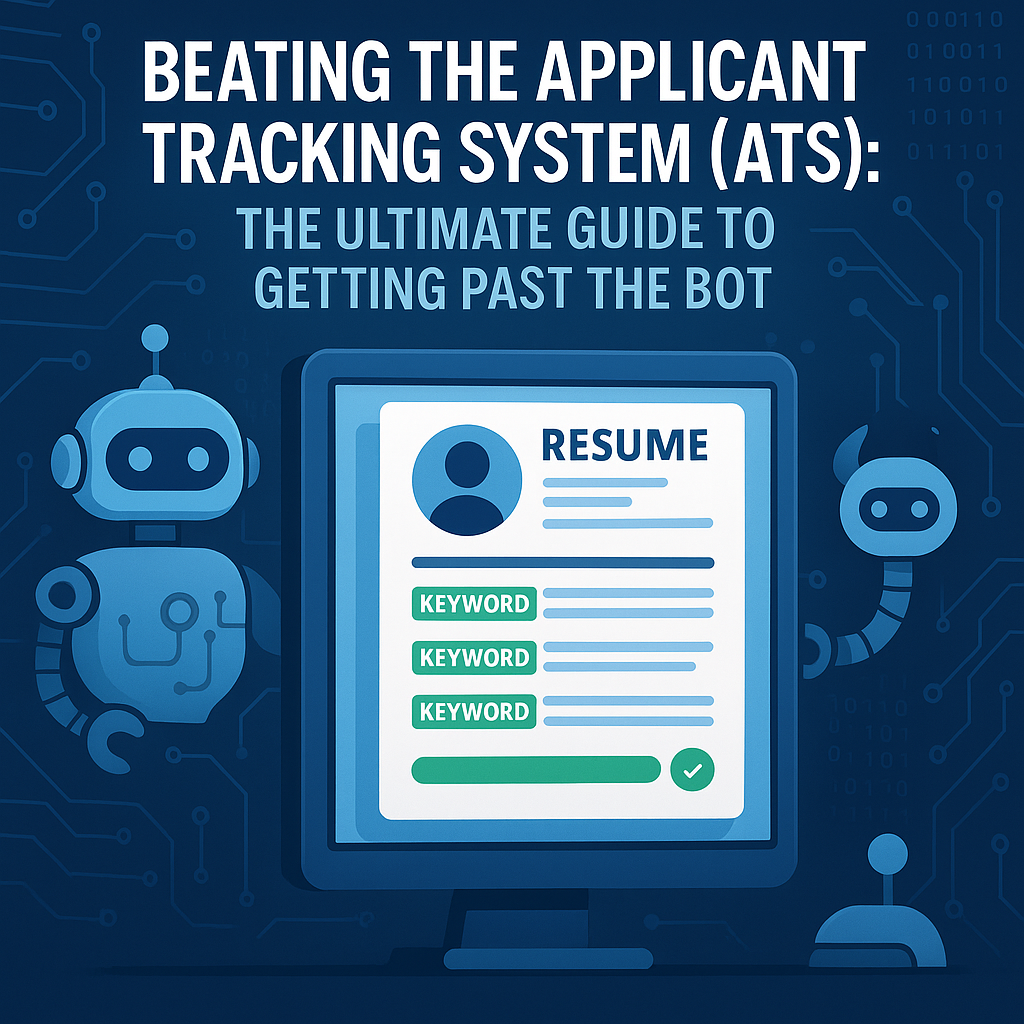
Beating the Applicant Tracking System (ATS): The Ultimate Guide to Getting Past the Bot
Is your resume getting rejected instantly? It might be the ATS. Learn how Applicant Tracking Systems work, how to format your resume to beat the bot, and the keyword strategies that get you noticed.
2025-12-10
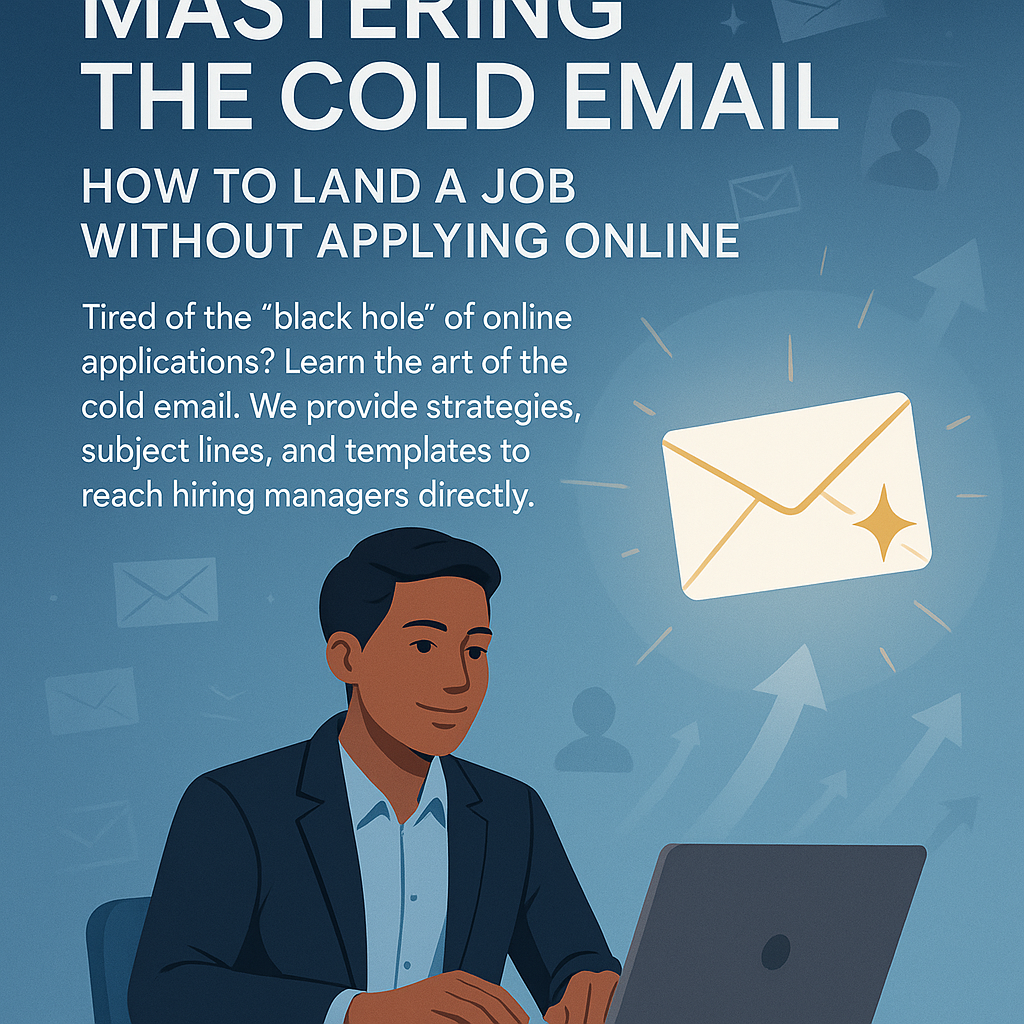
Mastering the Cold Email: How to Land a Job Without Applying Online
Tired of the "black hole" of online applications? Learn the art of the cold email. We provide strategies, subject lines, and templates to reach hiring managers directly.
2025-12-10
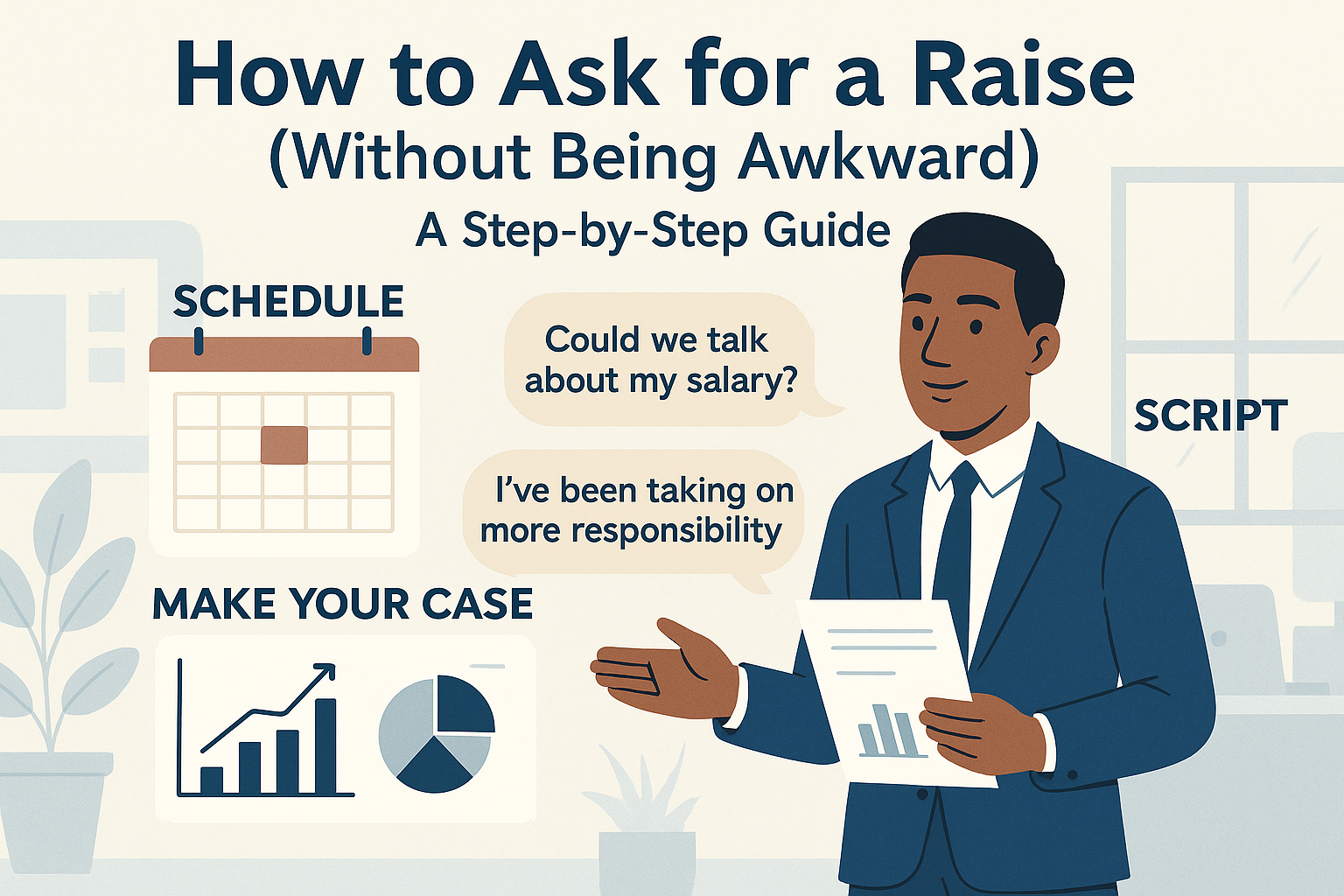
How to Ask for a Raise (Without Being Awkward): A Step-by-Step Guide
Don't wait for your annual appraisal. Learn the strategic way to ask for a raise, build your business case, and use our scripts to get the salary hike you deserve.
2025-12-10
The First 90 Days: A Strategic Plan to Impress Your New Boss
Your first 3 months in a new job determine your reputation. Use our 30-60-90 day plan to secure early wins, build relationships, and pass probation with flying colors.
2025-12-09
Background Verification (BGV) Explained: What Employers Actually Check (And What Gets You Rejected)
Worried about the background check? We decode the Background Verification (BGV) process in India, covering employment history, education checks, and how to handle discrepancies.
2025-12-09