


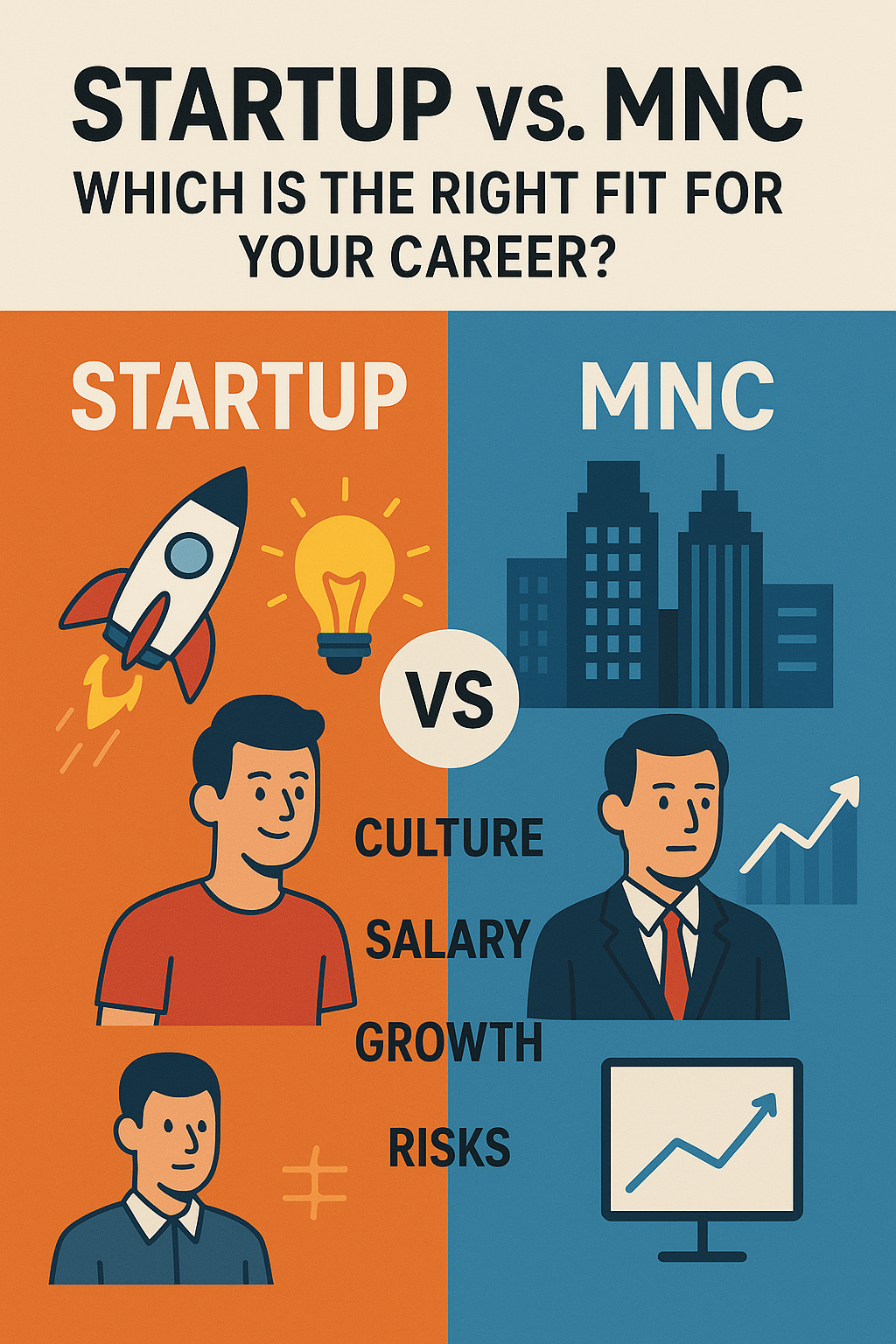
Startup vs. MNC: Which is the Right Fit for Your Career?
In the modern private sector, there are two distinct worlds. One is the world of the Multi-National Corporation (MNC): a land of glass towers, structured hierarchies, global brands, and established processes. The other is the world of the Startup: a landscape of open-plan offices (or remote teams), rapid experimentation, flat structures, and the thrill of building something from zero to one.
For a job seeker, choosing between these two paths is about much more than just the logo on your business card. It is a choice between two fundamentally different lifestyles, work cultures, and career trajectories. Do you crave stability and specialization, or do you thrive on chaos and broad responsibility? Do you want a clear, predictable ladder to climb, or do you want to build the ladder yourself?
Making the wrong choice can lead to significant frustration. A creative, fast-moving "builder" will feel suffocated by the bureaucracy of an MNC. Conversely, a professional who values structure and work-life balance might burn out quickly in the high-pressure, "always-on" environment of a startup.
This guide is designed to help you navigate this critical fork in the road. We will break down the pros, cons, and realities of working in both startups and MNCs, helping you align your personality and career goals with the environment where you will thrive best.
The MNC Experience: Structure, Stability, and Scale
Joining an MNC often feels like boarding a massive, well-oiled cruise ship. It is stable, it has a charted course, and there are clear rules for everyone on board.
The Pros
- Brand Value: Having a recognizable name like Google, Tata, or Unilever on your resume opens doors forever. It is a stamp of approval that signals you have cleared a high bar.
- Structure and Specialization: Roles are clearly defined. You will likely be a specialist, focusing deep on one specific function. There are established processes for everything, from requesting leave to launching a product.
- Mentorship and Training: MNCs have big budgets for learning and development. You will likely have access to formal training programs and seasoned mentors.
- Perks and Benefits: Comprehensive health insurance, travel allowances, structured bonuses, and posh offices are standard.
The Cons
- Bureaucracy and Speed: Decisions can take weeks or months. You often need approval from three different layers of management to change a font size. It can feel slow and stifling.
- Politics: In a large organization, visibility is currency. Navigating internal politics and "managing up" becomes a necessary skill set.
- Limited Impact: You are often a small cog in a very large machine. It can be hard to see the direct impact of your daily work on the company's overall bottom line.
The Startup Experience: Speed, Impact, and Chaos
Joining a startup is like jumping onto a speedboat—or sometimes, building the boat while you're driving it. It is fast, agile, and exciting, but the ride can be bumpy.
The Pros
- Massive Impact: You are not a cog; you are the engine. Your work directly affects the company's survival and success. You can see the results of your efforts immediately.
- Accelerated Learning: You will "wear many hats." A marketing manager might also do sales calls and product testing. You learn more in one year at a startup than you might in three years at an MNC.
- Rapid Growth: If the company grows, you grow. It is common for young professionals to find themselves leading teams or departments far earlier in their careers than they would in a corporate setting.
- Equity/ESOPs: While the base salary might be lower, the potential upside of stock options (if the company hits it big) can be life-changing.
The Cons
- Instability: The risk of failure is real. Funding can dry up, strategies can pivot overnight, and layoffs can happen suddenly.
- Lack of Structure: There are often no manuals or established processes. You have to figure things out yourself. This "chaos" can be exhausting.
- Work-Life Balance: The "hustle culture" is prevalent. Long hours and blurring lines between work and life are often expected.
Head-to-Head Comparison
| Feature | MNC | Startup | | :--- | :--- | :--- | | Role | Specialized, clearly defined | Broad, fluid, "wear many hats" | | Pace | Slower, deliberate, process-driven | Fast, iterative, "break things" | | Career Path | Structured ladder (Junior -> Senior -> Manager) | Jungle gym; rapid jumps based on merit/growth | | Risk | Low (generally stable) | High (high risk, high reward) | | Compensation | Higher base salary + benefits | Competitive base + Equity (ESOPs) |
How to Decide: The Personality Test
The "right" choice depends on who you are right now.
Choose an MNC if: * You value stability and financial predictability. * You want to become a deep specialist in a specific domain. * You appreciate clear guidance, mentorship, and structured processes. * You want a recognizable brand name on your CV to build a foundation.
Choose a Startup if: * You are a self-starter who hates micromanagement. * You get bored easily and love tackling new, undefined problems. * You are willing to trade some stability for the chance of rapid growth and high impact. * You are comfortable with ambiguity and change.
Conclusion: There is No "Best," Only "Best for You"
Your career is not a static decision. Many professionals start in an MNC to get training and a brand name, then move to a startup to apply those skills in a high-growth environment. Others start in the chaos of a startup to learn fast, then move to an MNC for stability later in life.
Assess your current risk appetite and learning goals. Whether you choose the skyscraper or the garage, make sure it's a choice that aligns with the way you want to work. To find opportunities in both worlds, filter your search on JobPe by company size or type, and set job alerts that match your preferred environment.
For more tools to help you navigate your career path, https://jobpe.com.

Creative Content Writer
More from Debojyoti Roy
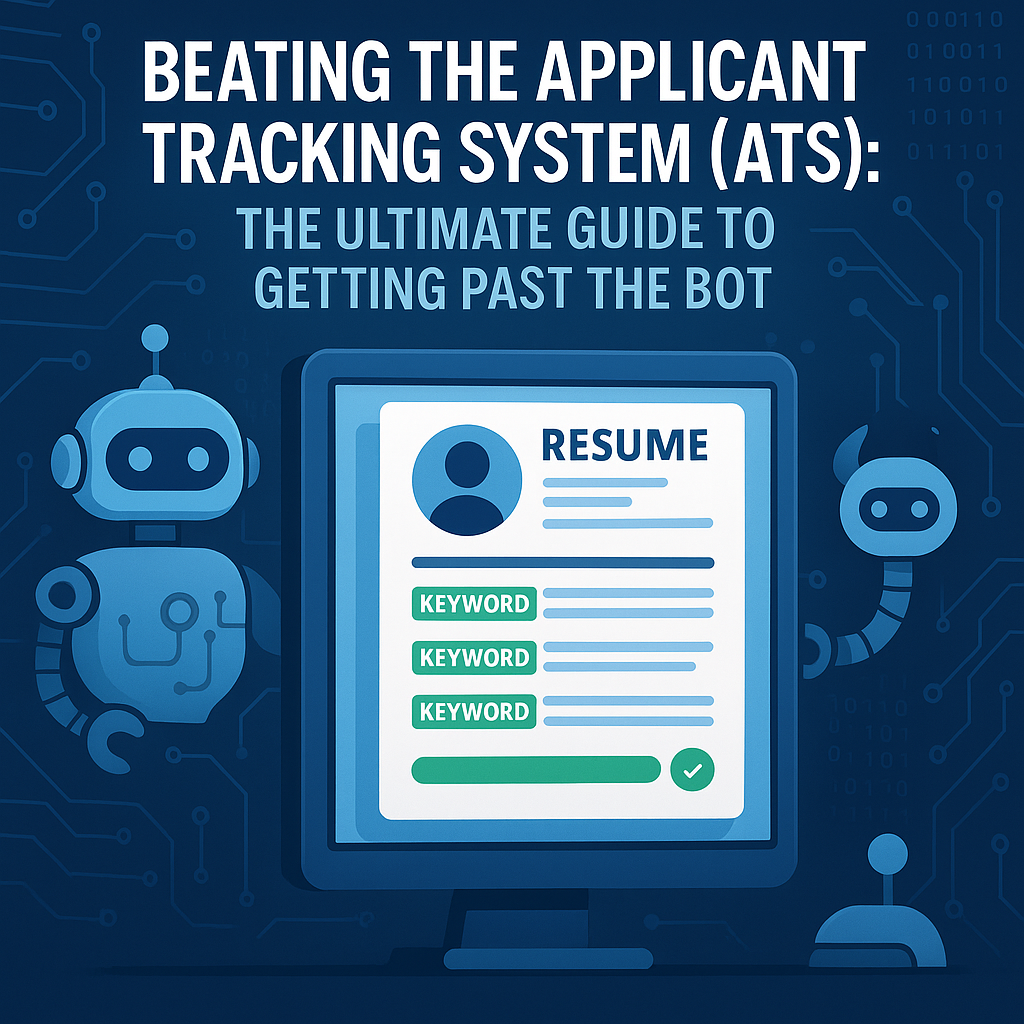
Beating the Applicant Tracking System (ATS): The Ultimate Guide to Getting Past the Bot
Is your resume getting rejected instantly? It might be the ATS. Learn how Applicant Tracking Systems work, how to format your resume to beat the bot, and the keyword strategies that get you noticed.
2025-12-10
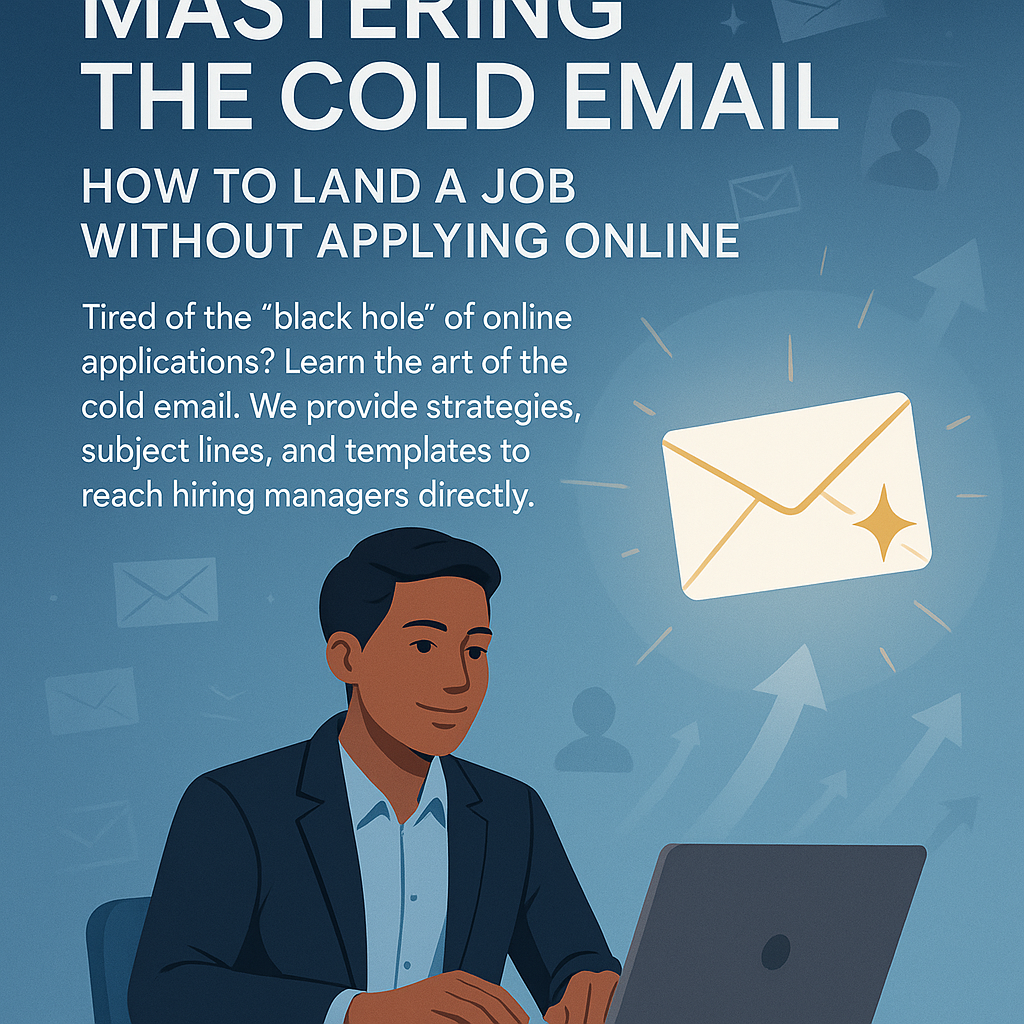
Mastering the Cold Email: How to Land a Job Without Applying Online
Tired of the "black hole" of online applications? Learn the art of the cold email. We provide strategies, subject lines, and templates to reach hiring managers directly.
2025-12-10
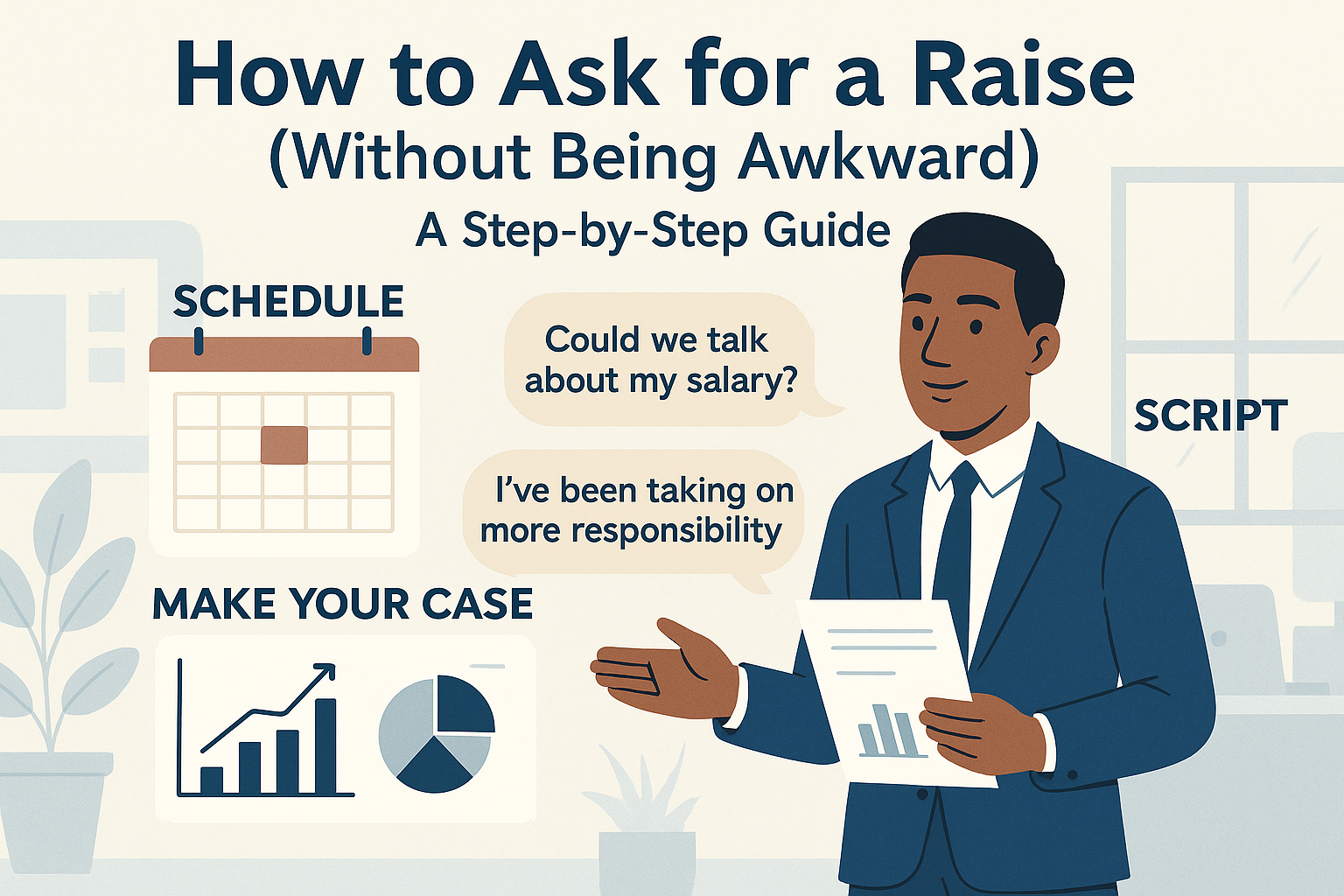
How to Ask for a Raise (Without Being Awkward): A Step-by-Step Guide
Don't wait for your annual appraisal. Learn the strategic way to ask for a raise, build your business case, and use our scripts to get the salary hike you deserve.
2025-12-10
The First 90 Days: A Strategic Plan to Impress Your New Boss
Your first 3 months in a new job determine your reputation. Use our 30-60-90 day plan to secure early wins, build relationships, and pass probation with flying colors.
2025-12-09
Background Verification (BGV) Explained: What Employers Actually Check (And What Gets You Rejected)
Worried about the background check? We decode the Background Verification (BGV) process in India, covering employment history, education checks, and how to handle discrepancies.
2025-12-09