


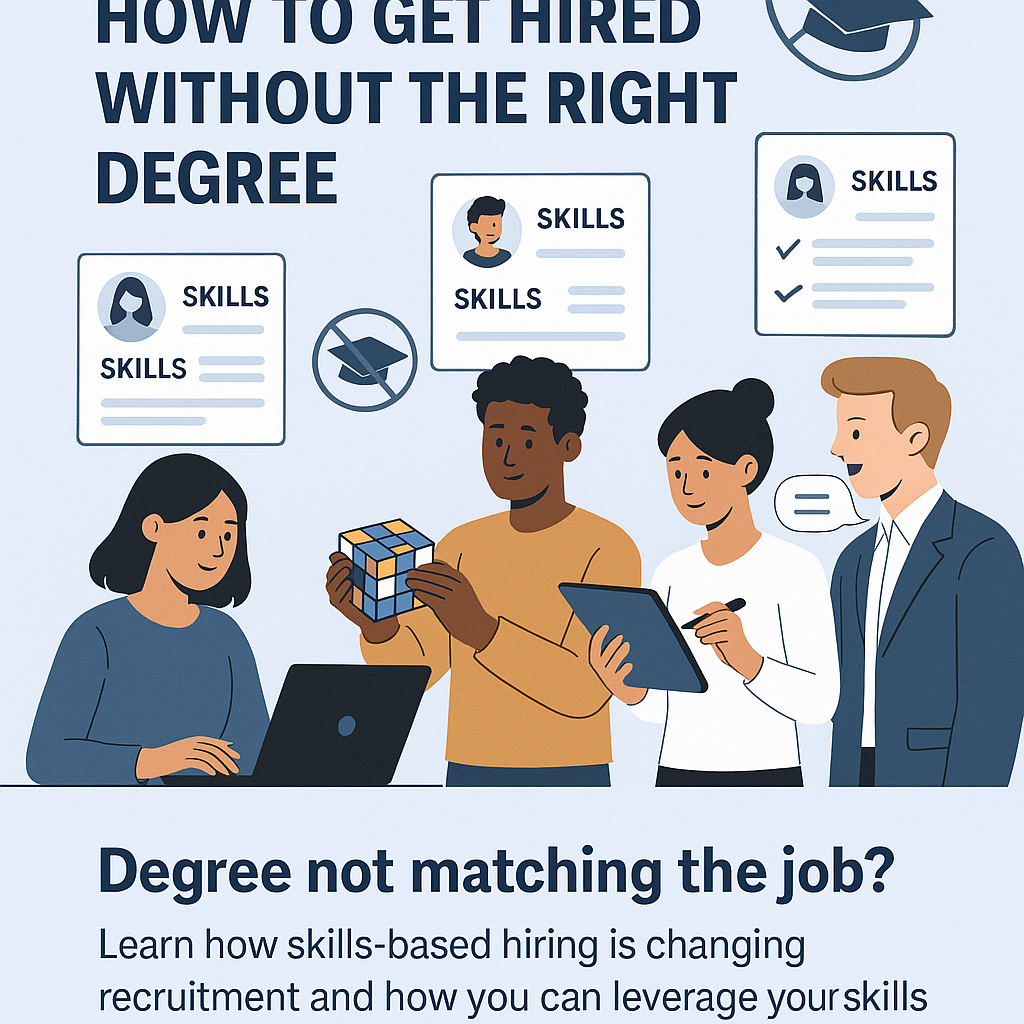
Skills-Based Hiring is Trending: How to Get Hired Without the 'Right' Degree
For generations, the gateway to a successful professional career followed a predictable path: get the right degree from the right college, and the doors to desirable jobs would open. Your educational pedigree was your primary qualification, the non-negotiable entry ticket into the corporate world. Recruiters scanned resumes with a laser focus on university names and degree titles, often using these as the primary filter to decide who even got considered. But the ground beneath the traditional hiring landscape is shifting, and a powerful new trend is emerging that promises to democratize opportunity: Skills-Based Hiring.
This isn't just a minor tweak to the recruitment process; it's a fundamental paradigm shift. Increasingly, forward-thinking companies are realizing that a candidate's demonstrated abilities are a far better predictor of job success than the name of their alma mater or the specific title of their degree. They are moving away from rigid credentialism and embracing a more practical, results-oriented approach: can this person actually do the job? This has massive implications for job seekers, especially those whose career paths haven't been perfectly linear or whose degrees don't perfectly align with their desired roles.
The rise of skills-based hiring is fantastic news if you have valuable experience but lack the "correct" piece of paper, if you're a career changer pivoting into a new field, or if you've acquired in-demand skills through non-traditional routes like online courses or self-study. It means that your practical capabilities, your proven achievements, and your potential to learn are becoming the new currency in the talent marketplace.
But how do you leverage this trend? How do you ensure that your skills shine brighter than your degree title on your application? This guide will break down the rise of skills-based hiring and provide you with a strategic playbook to position yourself as a top candidate based on what you can do, not just what you studied.
Why the Shift? The Drivers Behind Skills-Based Hiring
This isn't happening in a vacuum. Several powerful forces are converging to accelerate the move towards skills-based hiring.
- The Pace of Technological Change: New technologies are emerging and evolving so rapidly that traditional university curricula often struggle to keep up. Skills like AI prompt engineering, cloud architecture, or specific cybersecurity protocols are often learned through specialized certifications or on-the-job experience, not necessarily a four-year degree. Companies need people with these cutting-edge skills now, regardless of their formal education.
- The Widening Skills Gap: Many industries are facing a critical shortage of talent with specific, in-demand technical and soft skills. Relying solely on degree holders significantly limits the talent pool. Companies are realizing they need to broaden their search criteria to find the capable individuals they need, wherever they acquired their skills.
- The Rise of Alternative Credentials: Online courses, bootcamps, professional certifications, and digital badges have become legitimate and respected ways to acquire and validate specific skills. Platforms like Coursera, edX, and focused learning hubs like Allrounder.ai provide high-quality education that is often more practical and job-focused than traditional degrees.
- A Focus on Diversity and Inclusion: Relying too heavily on degrees from elite institutions can inadvertently create a less diverse workforce. Skills-based hiring opens doors for talented individuals from a wider range of backgrounds, fostering greater equity and innovation.
Your Strategy: How to Shine in a Skills-First World
Knowing that companies are shifting their focus is one thing; positioning yourself to take advantage of it is another. You need to actively reframe your application materials and interview strategy around your skills.
1. Identify and Articulate Your Transferable Skills
This is the absolute foundation. You need to become an expert at identifying the skills you've gained from all your experiences—past jobs, academic projects, volunteer work, even hobbies—and translating them into the language that recruiters understand.
Think broadly about your skills in two categories: * Hard Skills: These are the teachable, technical, and often quantifiable skills (e.g., Python programming, proficiency in Salesforce, SEO analysis, fluency in French). * Soft Skills: These are the interpersonal and behavioral competencies that are crucial for success in any role (e.g., communication, problem-solving, teamwork, leadership, adaptability).
For every experience on your resume, don't just list what you did; analyze what skills you used to do it effectively.
2. Build a Skills-Focused Resume
Your resume needs to scream "skills" from the very first glance. This might mean adopting a different format or significantly enhancing specific sections. * The Powerful Skills Section: Don't just list a few keywords. Create a detailed, categorized "Skills" section near the top of your resume. Break it down into relevant categories (e.g., "Technical Skills," "Marketing Platforms," "Languages") and list your specific proficiencies. * Keyword Integration is Crucial: Ensure the keywords for the skills listed in the job description are woven naturally throughout your professional summary and work experience bullet points. This is essential for getting past the Applicant Tracking System (ATS). Tools like JobPe's ATS Check can help verify your resume's compatibility. * Consider a Functional or Combination Resume: While the reverse-chronological format is standard, if you are making a significant career change or have substantial gaps, a functional or combination resume format can be effective. These formats prioritize your skills and abilities over a strict chronological work history. The JobPe Resume Builder offers templates and guidance for these different formats.
3. Show, Don't Just Tell: The Power of Portfolios and Projects
In a skills-based world, demonstrating your abilities is far more persuasive than simply listing them. Your portfolio of work becomes a critical asset. * Build a Digital Portfolio: If you are in a creative or technical field (design, writing, development), create an online portfolio showcasing your best projects. Include links to live work, code repositories (like GitHub), or case studies detailing the results you achieved. * Highlight Projects on Your Resume: Dedicate a specific section on your resume to "Key Projects" (academic, personal, or professional) where you applied the skills relevant to the job. Describe the project goal, your specific contribution, and the outcome. * Get Hands-On: Platforms offering practical exercises, like JobPe's Coding Practice, not only help you build skills but can also contribute tangible examples for your portfolio.
4. Emphasize Continuous Learning and Certifications
Actively showcase your commitment to keeping your skills sharp. * List Relevant Certifications: Include a dedicated section for any professional certifications, online course completions, or digital badges you've earned. * Mention Ongoing Learning: In your cover letter or interview, don't be afraid to mention that you are currently enrolled in a course or working towards a new certification. This demonstrates initiative and a growth mindset.
5. Ace the Skill-Based Interview
Interviews in a skills-based hiring process will focus less on your background and more on your practical abilities. * Prepare for Behavioral Questions (STAR Method): Be ready to provide specific examples of times you used the key skills mentioned in the job description. Structure your answers using the STAR method (Situation, Task, Action, Result). * Expect Technical Assessments or Case Studies: Be prepared for practical tests, coding challenges, or case study assignments designed to evaluate your real-world problem-solving abilities. Practice these types of assessments beforehand. Many common scenarios can be found in interview questions databases. * Focus on Potential: If you lack direct experience in one specific area mentioned, focus on your ability to learn quickly and highlight past experiences where you successfully mastered a new skill or technology.
Conclusion: Your Skills Are Your Superpower
The shift towards skills-based hiring is one of the most exciting and democratizing trends in the modern job market. It’s an acknowledgment that talent and capability come in many forms and are not solely defined by a traditional degree.
This is your opportunity. Stop worrying about whether your degree perfectly matches the job title. Start focusing on identifying, articulating, and demonstrating the valuable skills you possess. Build a resume that showcases your capabilities. Create a portfolio that proves your competence. And walk into interviews ready to tell a compelling story about what you can do. In the skills-first future of work, your abilities are your ultimate currency. To find companies that are embracing this modern approach, explore opportunities and set up targeted job alerts focused on the skills you want to use.
For more tools and resources designed to help you showcase your skills and land your next great role, https://jobpe.com.

Creative Content Writer
More from Debojyoti Roy
Beating the Applicant Tracking System (ATS): The Ultimate Guide to Getting Past the Bot
Is your resume getting rejected instantly? It might be the ATS. Learn how Applicant Tracking Systems work, how to format your resume to beat the bot, and the keyword strategies that get you noticed.
2025-12-10
Mastering the Cold Email: How to Land a Job Without Applying Online
Tired of the "black hole" of online applications? Learn the art of the cold email. We provide strategies, subject lines, and templates to reach hiring managers directly.
2025-12-10
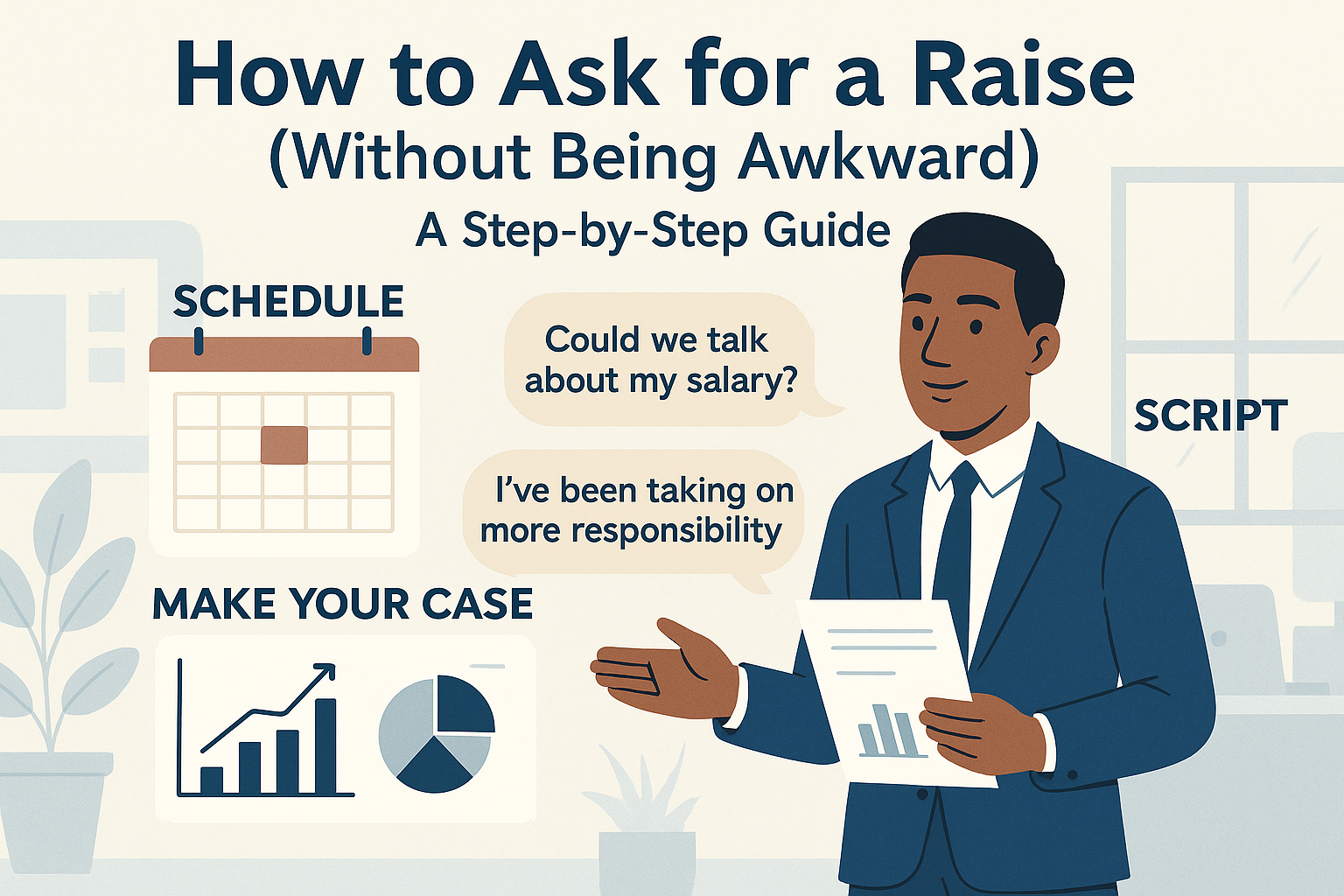
How to Ask for a Raise (Without Being Awkward): A Step-by-Step Guide
Don't wait for your annual appraisal. Learn the strategic way to ask for a raise, build your business case, and use our scripts to get the salary hike you deserve.
2025-12-10
The First 90 Days: A Strategic Plan to Impress Your New Boss
Your first 3 months in a new job determine your reputation. Use our 30-60-90 day plan to secure early wins, build relationships, and pass probation with flying colors.
2025-12-09
Background Verification (BGV) Explained: What Employers Actually Check (And What Gets You Rejected)
Worried about the background check? We decode the Background Verification (BGV) process in India, covering employment history, education checks, and how to handle discrepancies.
2025-12-09