


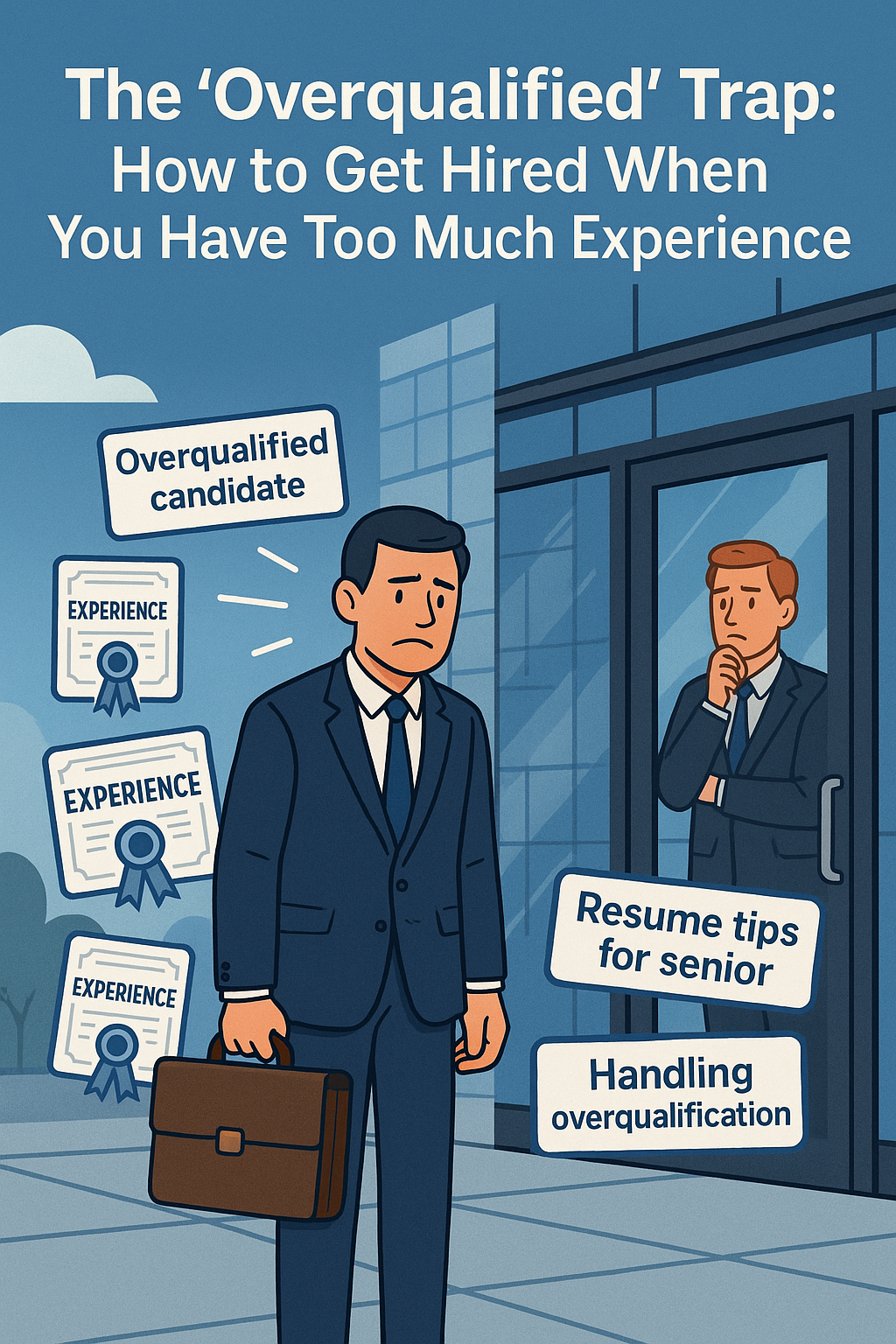
The "Overqualified" Trap: How to Get Hired When You Have Too Much Experience
It’s one of the most confusing rejections a job seeker can receive. You apply for a job that you can do in your sleep. You have years of experience, a track record of success, and skills that far exceed the requirements in the job description. You think you’re a slam-dunk candidate. And then, the email arrives: "We were impressed with your background, but we feel you are overqualified for this position."
It feels like a punishment for success. You’re willing to do the work, perhaps even for less money than you used to make, so why won't they hire you? In a logical world, getting more value for the same price would be a great deal for an employer. But in the psychology of hiring, "overqualified" is code for "high risk."
When a recruiter sees a resume that is "too good" for the role, they don't see a bargain; they see a flight risk. They worry you will be bored, that you will leave the moment a better offer comes along, that you will be difficult to manage, or that you will be dissatisfied with the salary. To land the job, you have to dismantle these fears before they even arise.
Whether you are pivoting to a new industry, stepping back for better work-life balance, or simply need a job now, overcoming the "overqualified" label requires a specific strategy. You cannot use the same resume and interview techniques you used to climb the ladder; you need a new toolkit to step onto a different rung. This guide will show you how to reframe your experience, tailor your application, and convince employers that you are not "too much"—you are exactly what they need.
The Recruiter's Fear: Decoding "Overqualified"
To beat the objection, you must understand it. Here is what a hiring manager is actually thinking when they say you are overqualified:
- "They will get bored and leave." They fear the work isn't challenging enough to keep you engaged, and you'll quit in 3 months for a more senior role.
- "They are too expensive." Even if you say you're flexible, they worry you will eventually resent the lower salary or constantly push for raises they can't afford.
- "They will be hard to manage." A manager might feel threatened by a subordinate who has more experience than they do, or worry you won't take direction well.
- "They are just 'parking' here." They worry this is just a stop-gap solution for you while you look for your "real" job.
Your entire application strategy must be designed to silently answer these four fears with a resounding "No."
Strategy 1: The "Trimmed" Resume (Less is More)
If you are applying for a mid-level role, do not send a C-Suite resume. You need to tailor your resume to match the level of the job, not the peak of your career.
- Remove Senior Titles (Strategically): If you were a "Senior Vice President" but are applying for a "Manager" role, consider using a more functional title like "Marketing Leader" or "Senior Strategist" in your descriptions to appear less intimidating (while staying honest).
- Truncate Your History: You do not need to list 25 years of experience. Limit your resume to the last 10-15 years. Summarize anything older in a brief "Early Career" section or remove it entirely. This reduces the "age/experience weight" of the document.
- Focus on "Doing," Not "Delegating": Senior resumes focus on strategy and management. If you are applying for an execution role, rewrite your bullets to highlight your hands-on work. Instead of "Oversaw a team of 20 developers," write "Collaborated with the development team to ship code for..."
- Remove Advanced Degrees (If Irrelevant): If you have a PhD but are applying for a role that requires a Bachelor's, and you keep getting rejected, consider omitting the PhD if it makes you look too academic or expensive for the role.
Use a tool like the JobPe Resume Builder to create a specific version of your resume for these roles, distinct from your senior-level version.
Strategy 2: The Cover Letter (Your Secret Weapon)
This is one scenario where a cover letter is non-negotiable. An ATS cannot understand why a Director wants to be an Analyst; only you can explain that. Use the cover letter to address the "why" head-on.
- Explain Your Motivation: Be transparent. "After years of managing large teams, I’ve realized my true passion lies in the hands-on creative work, not administration. I am looking for a role where I can return to the 'front lines' and focus on [Skill X]."
- Address the "Flight Risk": "I am looking for a long-term home where I can contribute to a great mission and have a stable work-life balance, rather than chasing the next job title."
Strategy 3: The Interview Pivot (Handling the "Overqualified" Question)
When you get to the interview, bring up the elephant in the room before they do. Or, be ready with a perfect answer when they ask, "You seem very experienced for this role; why do you want it?"
The "Commitment to Craft" Answer:
"I’ve spent the last five years in management, and while I was successful, I found myself moving further away from the work I actually love—coding/writing/designing. I’ve made a conscious decision to pivot my career back to an individual contributor role because that is where I find the most satisfaction. I’m not looking to climb the ladder right now; I’m looking to do great work."
The "Stability & Mission" Answer:
"At this stage in my career, I'm prioritizing the company and the mission over the job title. I admire [Company Name] and want to help you achieve [Goal]. I have the experience to hit the ground running without needing training, and I’m happy to let others handle the management responsibilities so I can focus on delivering results."
The "Mentor" Angle:
"I see my experience as an asset to the team, not a threat. I’m happy to be a resource and a mentor to younger team members, supporting the manager’s goals without needing to be in charge."
Strategy 4: Salary Alignment
Be proactive about the money conversation. If you wait until the end, they might assume you are too expensive and cut you early.
- Address it Early: In the initial screen, you can say: "I am aware that the salary range for this role is likely lower than my previous compensation. I have factored that into my decision, and my priority right now is [Role/Culture/Location], not matching my previous salary."
Conclusion: Own Your Narrative
Being "overqualified" is only a trap if you let the recruiter create the narrative. If you don't explain why you want the job, they will assume the worst.
By trimming your resume to fit the role, writing a compelling cover letter that explains your motivations, and addressing their fears directly in the interview, you can turn your "excess" experience into your greatest selling point: you are a high-value, low-maintenance expert who is ready to deliver from day one.
To find roles that value expertise over job titles, search for "Senior Individual Contributor" or "Specialist" roles on JobPe and set up job alerts that match your skills, not just your history.
For more tools to help you navigate complex career transitions, https://jobpe.com.

Creative Content Writer
More from Debojyoti Roy
Beating the Applicant Tracking System (ATS): The Ultimate Guide to Getting Past the Bot
Is your resume getting rejected instantly? It might be the ATS. Learn how Applicant Tracking Systems work, how to format your resume to beat the bot, and the keyword strategies that get you noticed.
2025-12-10
Mastering the Cold Email: How to Land a Job Without Applying Online
Tired of the "black hole" of online applications? Learn the art of the cold email. We provide strategies, subject lines, and templates to reach hiring managers directly.
2025-12-10
How to Ask for a Raise (Without Being Awkward): A Step-by-Step Guide
Don't wait for your annual appraisal. Learn the strategic way to ask for a raise, build your business case, and use our scripts to get the salary hike you deserve.
2025-12-10
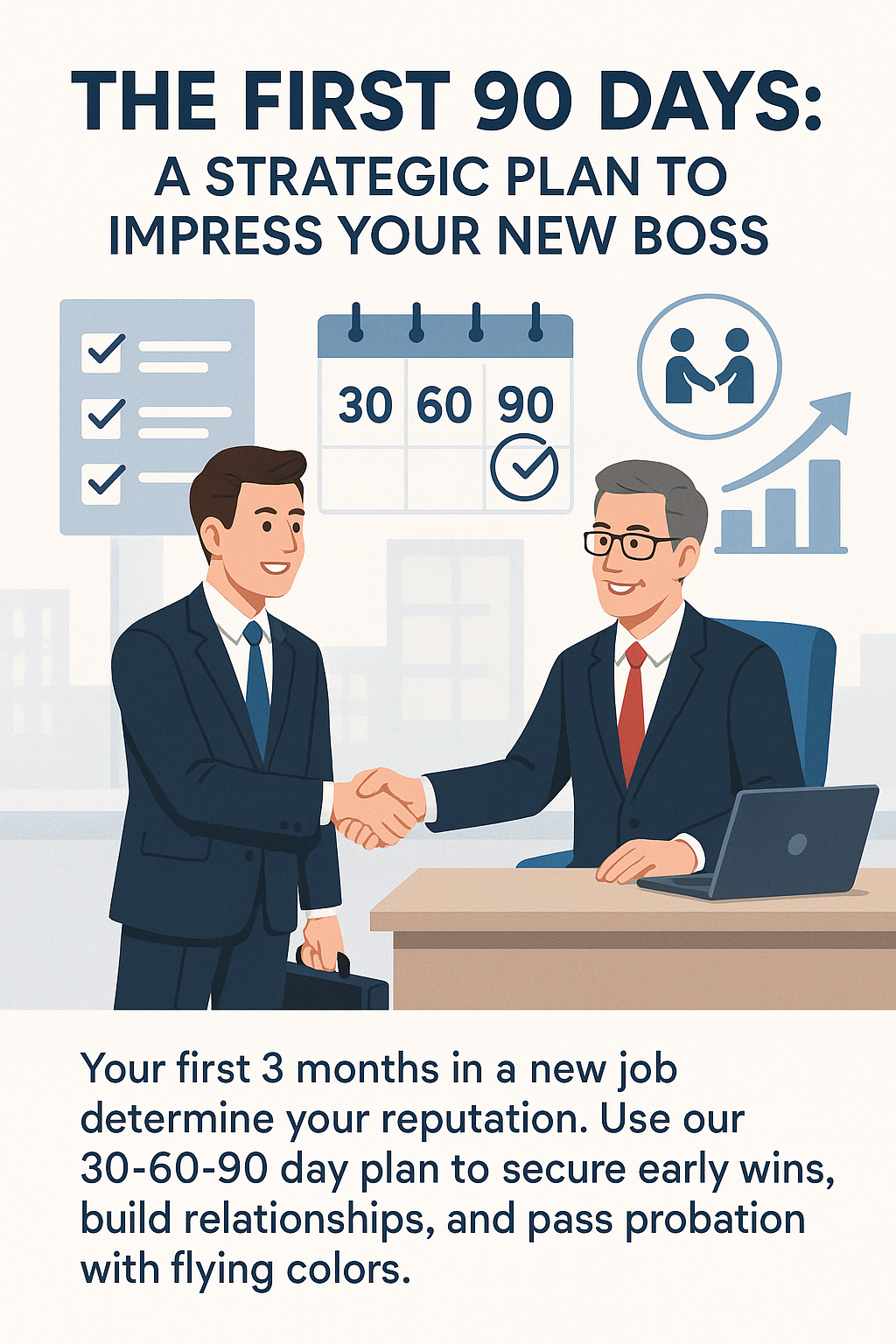
The First 90 Days: A Strategic Plan to Impress Your New Boss
Your first 3 months in a new job determine your reputation. Use our 30-60-90 day plan to secure early wins, build relationships, and pass probation with flying colors.
2025-12-09
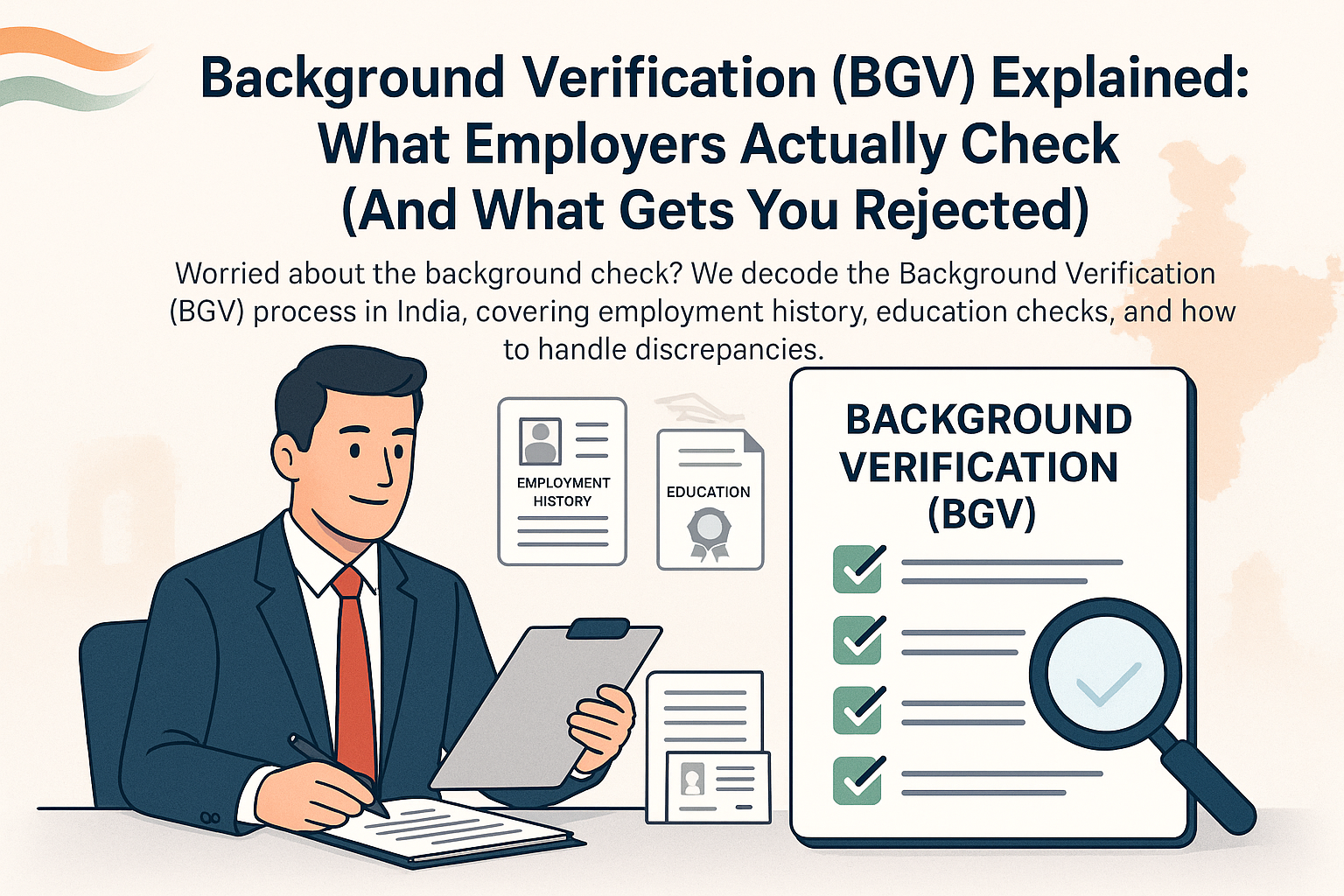
Background Verification (BGV) Explained: What Employers Actually Check (And What Gets You Rejected)
Worried about the background check? We decode the Background Verification (BGV) process in India, covering employment history, education checks, and how to handle discrepancies.
2025-12-09