


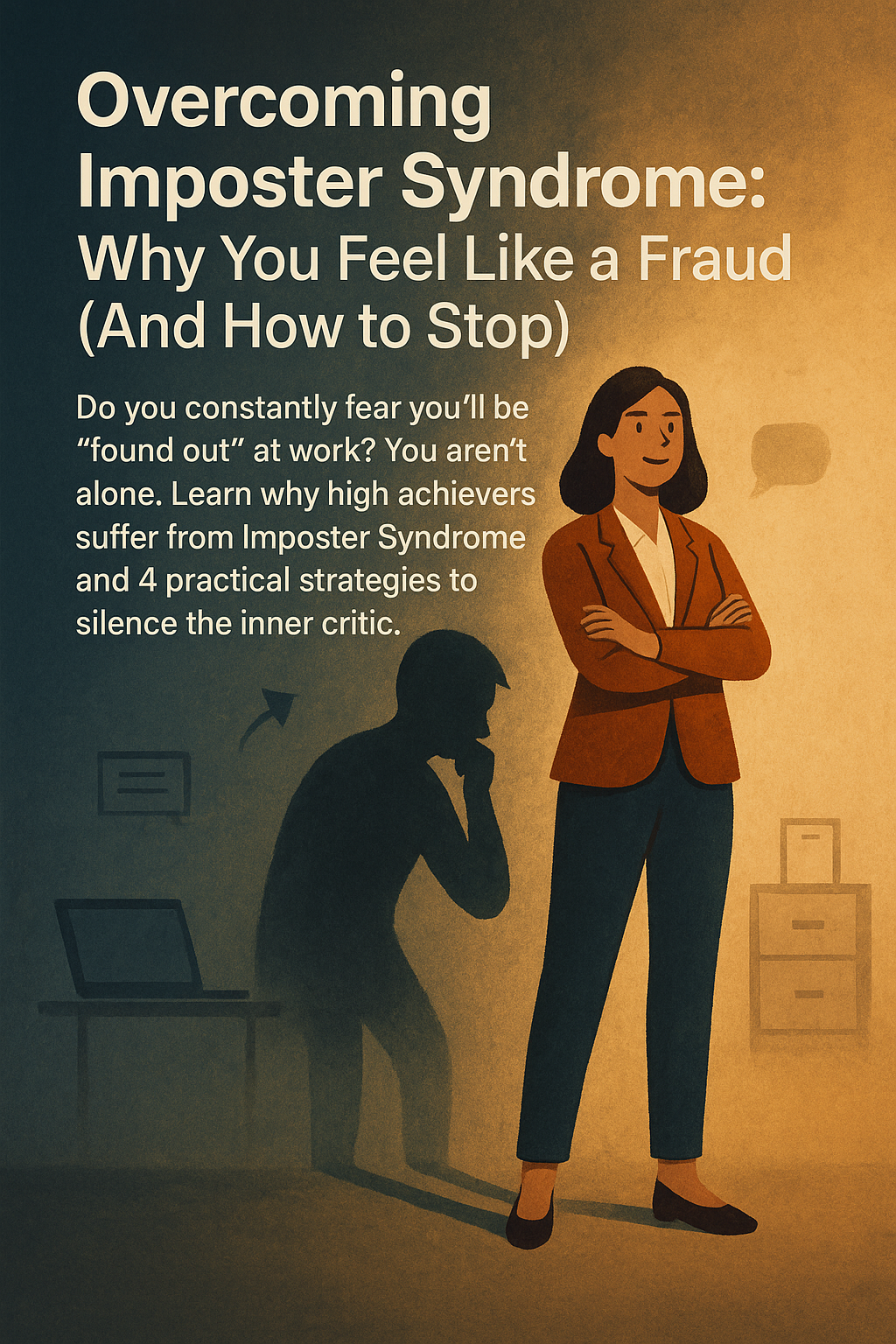
Overcoming Imposter Syndrome: Why You Feel Like a Fraud (And How to Stop)
You are sitting in a meeting. Everyone around you is using smart words, nodding at data, and seemingly in total control. You look down at your notebook and think:
- "I have no idea what I'm doing."
- "They made a mistake hiring me."
- "Any day now, security is going to walk in and escort me out because they realized I’m a fraud."
This is Imposter Syndrome.
It is the nagging, persistent belief that your success is due to luck, timing, or deceiving others, rather than your own competence. And it is incredibly common. Studies estimate that 70% of people experience it at some point in their lives.
Ironically, Imposter Syndrome attacks high achievers the hardest. It doesn't happen because you are incompetent; it happens because you are stepping into a new zone of growth. The only people who never feel like imposters are the ones who aren't challenging themselves (or the truly incompetent, thanks to the Dunning-Kruger effect).
You cannot simply "wish" these feelings away, but you can manage them. This guide offers practical mental tools to silence your inner critic and own your success.
1. The "Facts vs. Feelings" Audit
Imposter Syndrome thrives on vague feelings. It dies in the face of hard data. Your brain lies to you. It says, "You are bad at this." You need to take that feeling to court and demand evidence.
- The Exercise: When you feel like a fraud, write down two columns.
- Column A (Feelings): "I feel like I'm failing because I didn't know the answer to that one question."
- Column B (Facts): "I have hit 100% of my targets for the last 3 months. My manager praised my report last week. I was hired over 50 other candidates."
- The Result: You will realize that while your anxiety is real, the incompetence is fiction.
2. Reframe "Incompetence" as "Learning"
We often confuse "being new" with "being bad." If you just started a new job or got promoted, of course you don't know everything yet. That is not a flaw; it is the definition of the role.
- The Shift: Stop telling yourself, "I should know this already."
- The New Script: "I am not supposed to know the answer yet; I am supposed to be capable of finding it."
- Why it works: It releases the pressure to be perfect instantly. You are a learner, not an encyclopedia.
3. Create a "Brag Folder" (The Cookie Jar)
Our brains are wired to remember failures and forget victories (Negativity Bias). You need an external hard drive for your wins.
- The Tactic: Create a folder in your email or on your desktop called "Wins" or "Kudos."
- What goes in:
- Every "Great job!" email from a boss.
- Every "Thank you" note from a client.
- Every chart showing a project went well.
- When to use it: On those dark days when you feel worthless, open the folder. Read 10 emails. It is impossible to feel like a total fraud when you are staring at 50 pieces of documented proof that you are valuable.
4. Stop Trying to be "The Smartest Person in the Room"
Imposter Syndrome often comes from the ego's need to be the expert. If you define your worth by "knowing everything," you will always feel unsafe because there is always someone smarter.
- The Shift: Change your goal. Don't try to be the Expert; try to be the Facilitator.
- The Action: In meetings, if you don't know the answer, don't hide. Say: "That’s a great point. I don't have the data on that right now, but I’ll dig into it and get back to you."
- Why it works: Confidence isn't knowing all the answers; it's being comfortable admitting what you don't know.
5. Talk About It (The Voldemort Effect)
Shame survives in secrecy. As long as you keep your Imposter Syndrome a secret, it feels huge and monstrous.
- The Tactic: Confide in a trusted peer or mentor. "Honestly, I’m feeling a bit out of my depth on this project."
- The Reaction: 9 times out of 10, they will laugh and say, "Oh my god, me too. I was just panicking about my own deadline."
- The Result: Once you realize everyone is struggling, the fear loses its power. You aren't the only fraud; you are just a human working with other humans.
Conclusion: You Are in Good Company
Maya Angelou wrote 11 books and won prestigious awards, yet she said: "Each time I write a book, every time I face that yellow pad, the challenge is so great. I have written eleven books, but each time I think, 'Uh oh, they’re going to find out now. I’ve run a game on everybody, and they’re going to find me out.'"
If Maya Angelou felt it, you are allowed to feel it too.
The goal isn't to stop feeling like an imposter forever. The goal is to stop letting that feeling prevent you from raising your hand, speaking up, and doing your best work.
If you are looking for a community that supports growth, or want to read how others navigated their careers, check out the success stories on JobPe.
For more mental health and career wellness tips, https://jobpe.com.

Creative Content Writer
More from Debojyoti Roy
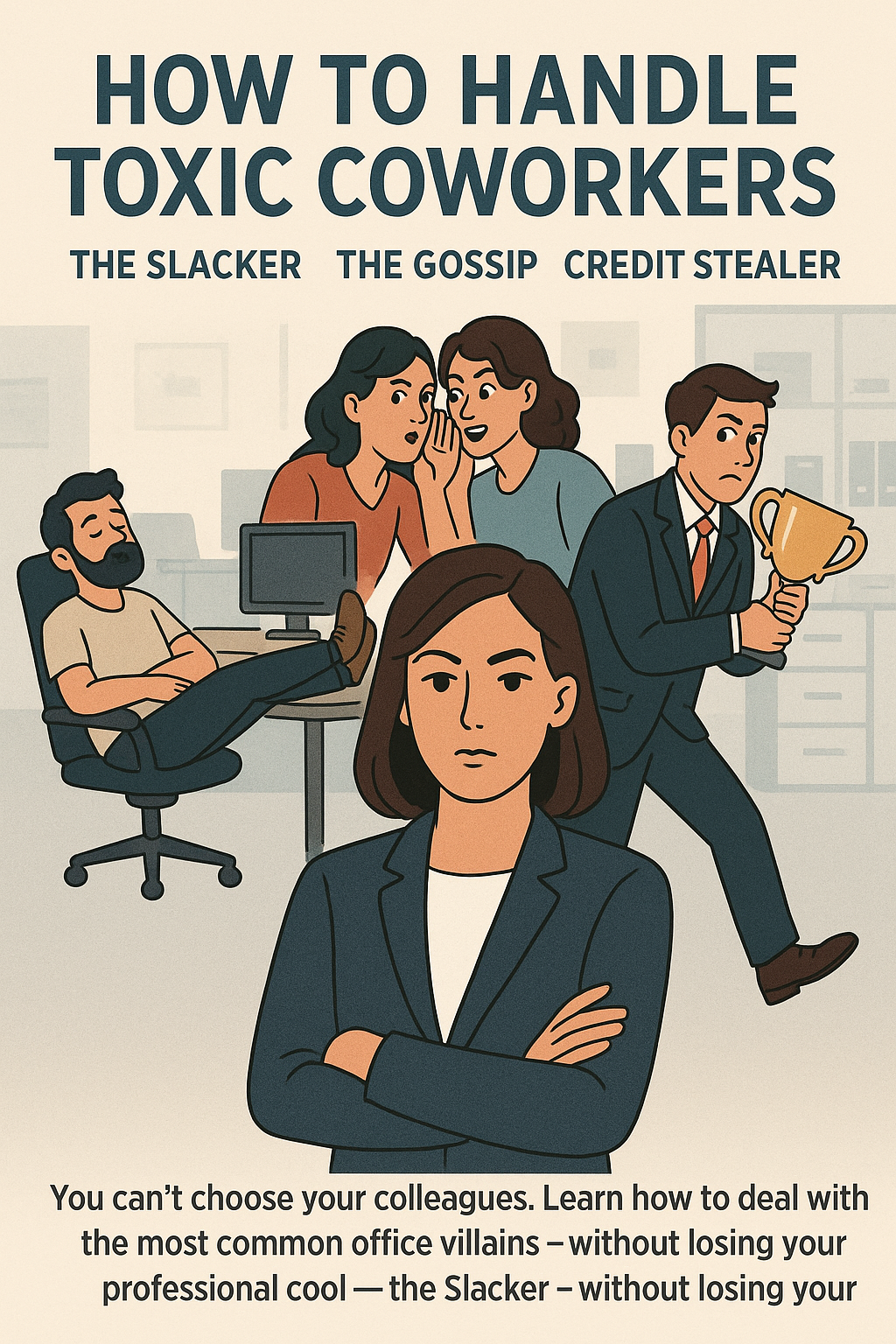
How to Handle Toxic Coworkers: The Slacker, The Gossip, and The Credit Stealer
You can't choose your colleagues. Learn how to deal with the most common office villains—the Credit Stealer, the Chronic Complainer, and the Slacker—without losing your professional cool.
2026-01-20
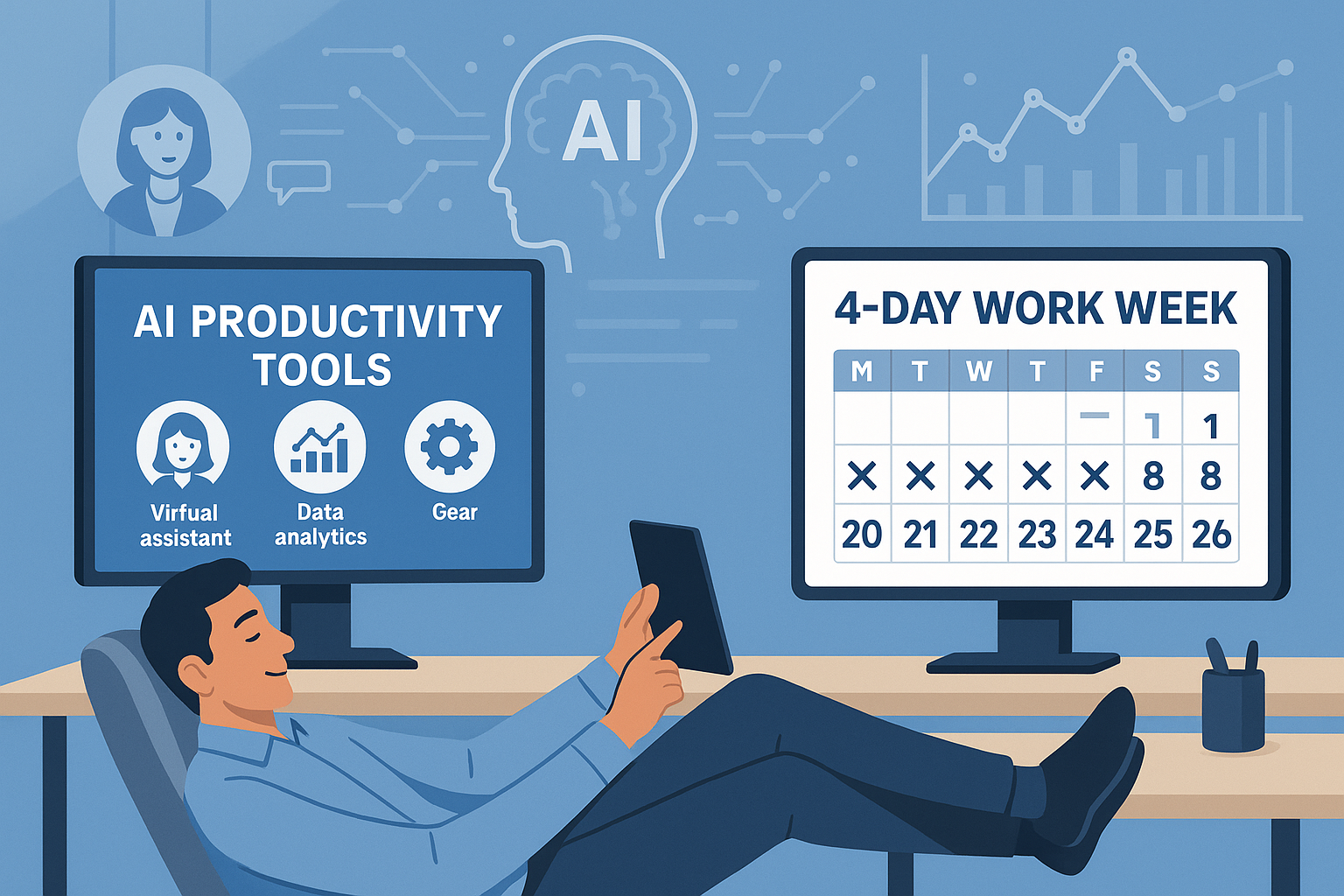
The 4-Day Work Week: Will AI Finally Make It a Reality?
Can Artificial Intelligence unlock the 4-day work week? We analyze how AI productivity tools could shorten the work week, the economic obstacles standing in the way, and how to position yourself for an output-based career.
2026-01-20
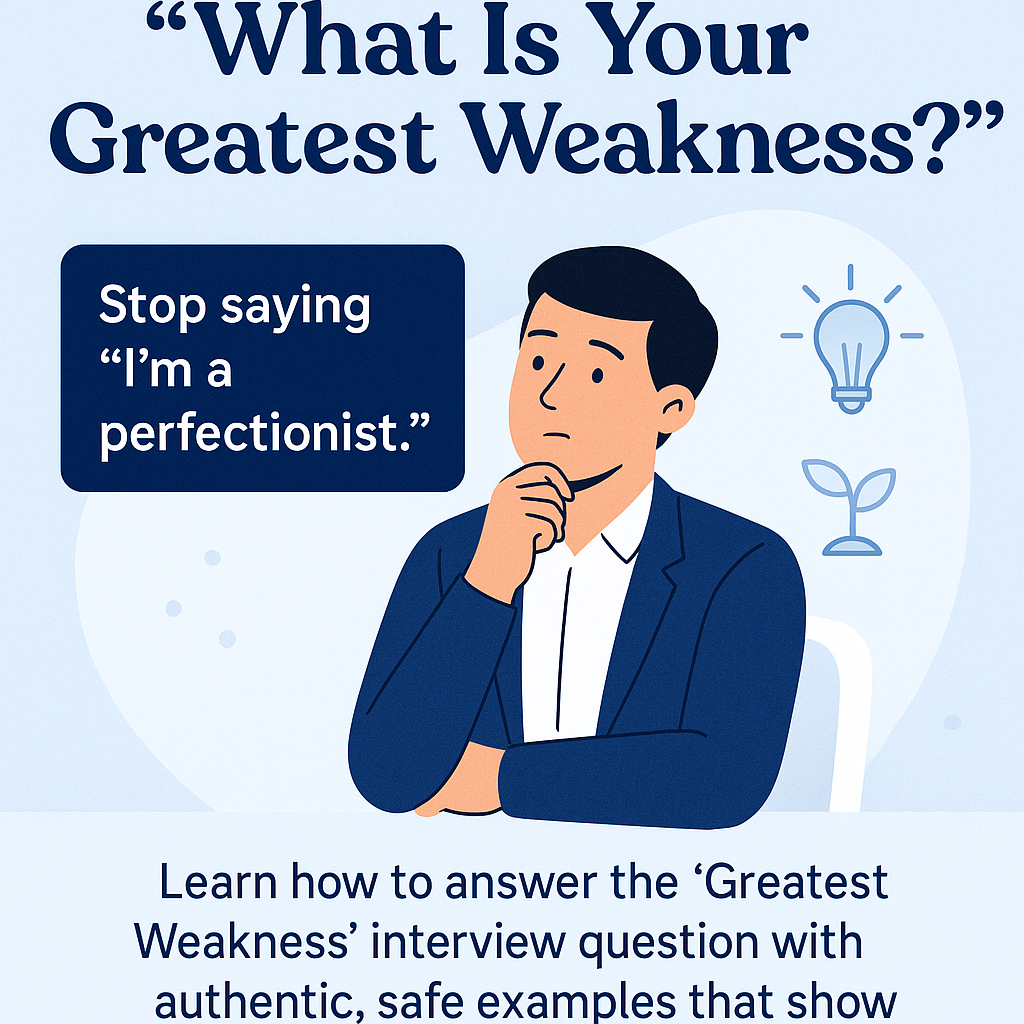
Best Answer to "What Is Your Greatest Weakness?"
Stop saying "I'm a perfectionist." Learn how to answer the "Greatest Weakness" interview question with authentic, safe examples that show growth and self-awareness.
2026-01-19
How to Ask for a Referral on LinkedIn (3 Proven Scripts)
Stop getting rejected by the ATS. Employee referrals are 4x more likely to get hired. Learn the psychology of the "ask" and use our copy-paste scripts to get referred today.
2026-01-08
Video Interview Tips: How to Ace Your Zoom & Teams Interview |
Nervous about your virtual interview? From lighting hacks to eye contact secrets, master these 7 video interview tips to look professional on Zoom, Google Meet, or Teams.
2026-01-08