


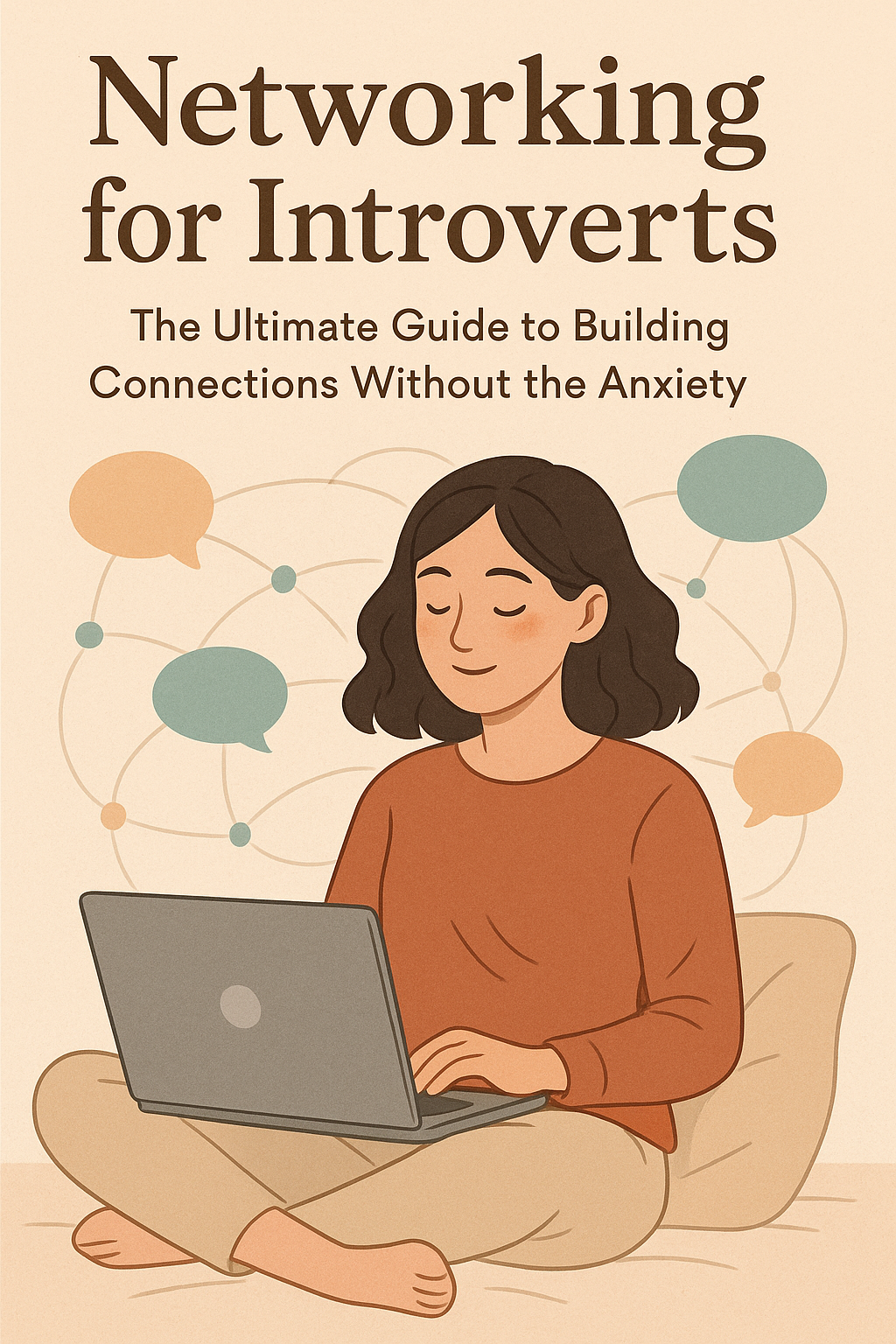
Networking for Introverts: The Ultimate Guide to Building Connections Without the Anxiety
For many professionals, the word "networking" triggers an immediate, visceral reaction: dread. The mental image it conjures is almost universally unpleasant: a loud, crowded conference hall filled with people in suits, the deafening buzz of superficial chatter, the awkward exchange of business cards with strangers, and the exhausting pressure to "sell yourself" to anyone who will listen. For an introvert, this scenario isn't just annoying; it is a nightmare. It feels draining, inauthentic, and fundamentally at odds with their nature.
In a world that seems to celebrate the loud, the gregarious, and the "schmoozers," introverts often feel at a distinct disadvantage. The prevailing career advice—"You have to put yourself out there!" or "Work the room!"—feels like a command to change who you are. As a result, many talented, brilliant, and capable introverts retreat. They avoid networking events, stay silent in meetings, and hope that their hard work alone will be enough to propel their careers forward.
But here is the harsh reality: while hard work is essential, visibility is critical. Research consistently shows that a vast majority of jobs—up to 85% by some estimates—are filled through networking and referrals, not through online job boards. The "hidden job market" is real, and it is built on relationships. By opting out of networking, you are essentially competing for a tiny slice of the available opportunities.
However, there is a much more hopeful and empowering truth that is rarely discussed. Networking is not about being the loudest person in the room. It is not about collecting the most business cards. It is about building relationships. And when it comes to building deep, meaningful, and lasting relationships, introverts actually possess a set of "superpowers" that extroverts often lack.
This guide is not about teaching you how to pretend to be an extrovert. It is about redefining networking on your own terms. It is a comprehensive, 1200+ word manual designed to help you leverage your natural strengths—listening, empathy, observation, and thoughtful communication—to build a powerful professional network without the anxiety, exhaustion, or inauthenticity.
Part 1: The Introvert’s Advantage (Why You Are Better at This Than You Think)
Before we discuss strategies, we must address mindset. Many introverts view their nature as a liability in the professional world. They believe they need to "fix" themselves to succeed. This is incorrect. Introversion is not a weakness; it is simply a different mode of operating that prioritizes depth over breadth and processing over performing.
In the context of networking, these traits are actually significant assets:
- You are a Listener, Not a Talker: In a networking interaction, the most popular person is rarely the one talking the most; it’s the one who makes the other person feel heard and valued. Extroverts often struggle with "waiting to speak," whereas introverts naturally listen to understand. This active listening builds trust and rapport far faster than a sales pitch ever could.
- You Focus on Quality Over Quantity: An extrovert might leave an event with 20 business cards but remember no names. An introvert might speak to only three people, but they will likely have had deep, substantive conversations with all three. In the long game of career growth, three allies are worth infinitely more than twenty acquaintances.
- You are Observant and Thoughtful: Introverts tend to pick up on subtleties—a shared interest mentioned in passing, a tone of voice, a hesitation. This allows you to ask better questions and follow up with more relevant, personalized information, which is the key to turning a contact into a connection.
Your goal is not to become the life of the party. Your goal is to be the person people trust, remember, and want to help.
Part 2: The Pre-Game Strategy (Preparation is Your Best Friend)
Anxiety thrives on uncertainty. The best way to dismantle networking anxiety is to remove the unknown through meticulous preparation. For an introvert, the work you do before the event is just as important as what you do at the event.
1. The "Reconnaissance" Mission
Never walk into a networking situation blind. Whether it's a conference, a Zoom mixer, or a team lunch, try to find out who will be there. * Request the Attendee List: If possible, ask the organizer for a list of guests. * Stalk (Professionally) on LinkedIn: Identify 3-5 people you specifically want to meet. Read their profiles. Find a "hook"—a recent article they shared, a project they completed, or a mutual connection. * The Goal: Instead of walking into a room full of strangers, you are now walking into a room where you have "warm leads." Your mission shifts from "survive the chaos" to "find Rahul and ask him about his new AI project." This gives you a focus and reduces the overwhelming sensory input.
2. Prepare Your "Scripts"
Small talk is often the most painful part of networking for introverts because it feels aimless. Remove the pressure of improvising by having a few "pocket questions" ready. * Instead of: "So, what do you do?" (Boring) * Try: "What is the most interesting project you're working on right now?" or "How did you get started in this field?" or "What brings you to this event today?" * Have your exit strategy ready: Knowing how to leave a conversation is just as important as starting one. A simple, polite script like, "It was so great meeting you. I promised myself I'd say hello to a few other people before I leave, but I'd love to stay in touch on LinkedIn," gives you a graceful escape route.
Part 3: Mastering the Event (Survival Tactics)
You’ve done your prep. Now you are at the event (virtual or in-person). Here is how to navigate it without draining your social battery in the first 10 minutes.
1. The "Early Bird" Advantage
It seems counterintuitive. Why would you want to spend more time at an event you are dreading? But arriving early is a secret weapon. * The Room is Quieter: When you arrive early, the room is empty and quiet. The noise level is manageable. * Groups Haven't Formed Yet: It is incredibly intimidating to approach a tight circle of four people laughing together. It is very easy to approach one person standing alone by the coffee machine. * You Become part of the "Welcoming Committee": By being there first, you are on the "inside." As new people arrive, they are the ones who are nervous, and you can be the friendly face that welcomes them. This flips the power dynamic and makes you feel more in control.
2. Give Yourself a Job
Social anxiety often stems from feeling like you don't know what to do with your hands or where to stand. The solution? Give yourself a purpose. * Volunteer: Offer to help check people in at the registration desk. This gives you a legitimate reason to talk to every single person ("Hi, what's your name?") without the pressure of making clever conversation. * The Photographer: Offer to take photos for the organizer. It gives you a reason to move around the room and approach groups. * The "Connector": If you meet two people who you think should know each other, introduce them. "Sarah, meet Dave. You both work in FinTech." Once they start talking, you can step back and listen, or even slip away to recharge.
3. Look for the "Lone Wolves"
Scan the room. You will almost certainly see someone else standing awkwardly by the wall, looking at their phone, or examining the buffet with intense fascination. That person is likely an introvert just like you. They are praying for someone to rescue them. * Approach them: Walk up and say, "These events can be pretty overwhelming, can't they?" * Why it works: You are offering immediate empathy and relief. This shared vulnerability is the fastest way to build an authentic connection. That person will be grateful you approached them, and the conversation will likely be much more genuine than with the person "working the room."
Part 4: The Digital Pivot (Networking Without Leaving Your House)
The rise of remote work has been a blessing for introverts. It allows you to shift networking from "real-time performance" to "asynchronous thoughtfulness." You can build a massive network without ever putting on a suit.
1. The "Writer" Strategy
If you hate talking, write. Writing is networking for introverts. * LinkedIn Comments: You don't have to post original content every day. Spend 15 minutes a day leaving thoughtful, paragraph-long comments on posts by industry leaders. This gets your name and your insights in front of thousands of people without the pressure of a live conversation. * Curated Sharing: Share an interesting article and add your own two-sentence analysis. This positions you as a thoughtful expert.
2. The One-on-One Virtual Coffee
This is the introvert's sweet spot. Large Zoom mixers are terrible, but a 15-minute one-on-one video call is manageable and intimate. * The Ask: Send a message to someone you admire. "I've been following your work on [Topic] and have a specific question about [X]. I know your time is valuable, but would you be open to a brief 15-minute virtual coffee chat? I'd love to hear your perspective." * The Control: You control the environment (your home), the timing, and the agenda. You can prepare your questions in advance and have them on your screen. It plays entirely to your strengths of preparation and focused listening.
Part 5: The Follow-Up (Where You Win)
This is where introverts truly outshine extroverts. The extrovert often forgets the connection the moment they leave the room. The introvert, who has been listening carefully, has the data to follow up meaningfully.
- The "Callback" Email: Within 24 hours, send a note. Do not just say "Nice to meet you." Use a specific detail from your conversation. > "Hi [Name], it was great meeting you last night. I really enjoyed our discussion about the future of remote work. You mentioned you were looking for resources on [Topic]—I found this article this morning and thought of you: [Link]. Hope it helps!"
- Why this is powerful: It proves you listened. It provides value. It shows you are reliable and thoughtful. This single email does more to cement a professional relationship than an hour of cocktail party chatter.
Part 6: Energy Management (The "Sandwich" Technique)
Finally, you must protect your energy. Networking is draining for introverts because it requires high-focus processing. Use the "Sandwich Technique" to prevent burnout.
- The Bottom Slice (Preparation): Schedule quiet, alone time before the event. Read a book, meditate, or sit in silence. Do not go straight from a stressful meeting to a networking event.
- The Meat (The Event): Go, execute your strategy, and leave early. You do not need to stay until the lights come on. Set a goal (e.g., "I will talk to three people") and once you achieve it, give yourself permission to leave.
- The Top Slice (Recovery): Schedule quiet time after the event. Do not book a dinner date or a team meeting immediately following. Go home, decompress, and process the experience.
Conclusion: Authentic Networking is the Best Networking
The world doesn't need you to be a fake extrovert. It needs you to be an authentic introvert. It needs your listening skills, your thoughtful questions, and your ability to build deep, one-on-one connections.
By shifting your focus from "impressing strangers" to "being curious about people," you remove the performance anxiety. You realize that networking is simply a series of conversations, and you are perfectly capable of having a conversation.
Start small. Send one thoughtful LinkedIn message today. Invite one person to a virtual coffee next week. Slowly, brick by brick, you will build a network that is not just a list of contacts, but a community of allies who know, trust, and value you for exactly who you are.
To ensure your professional profile supports your networking efforts, keep it updated with the JobPe Resume Builder. And to find the people and companies worth connecting with, explore the detailed profiles on JobPe Companies.
For more tools to help you navigate your career with confidence and authenticity, https://jobpe.com.

Creative Content Writer
More from Debojyoti Roy
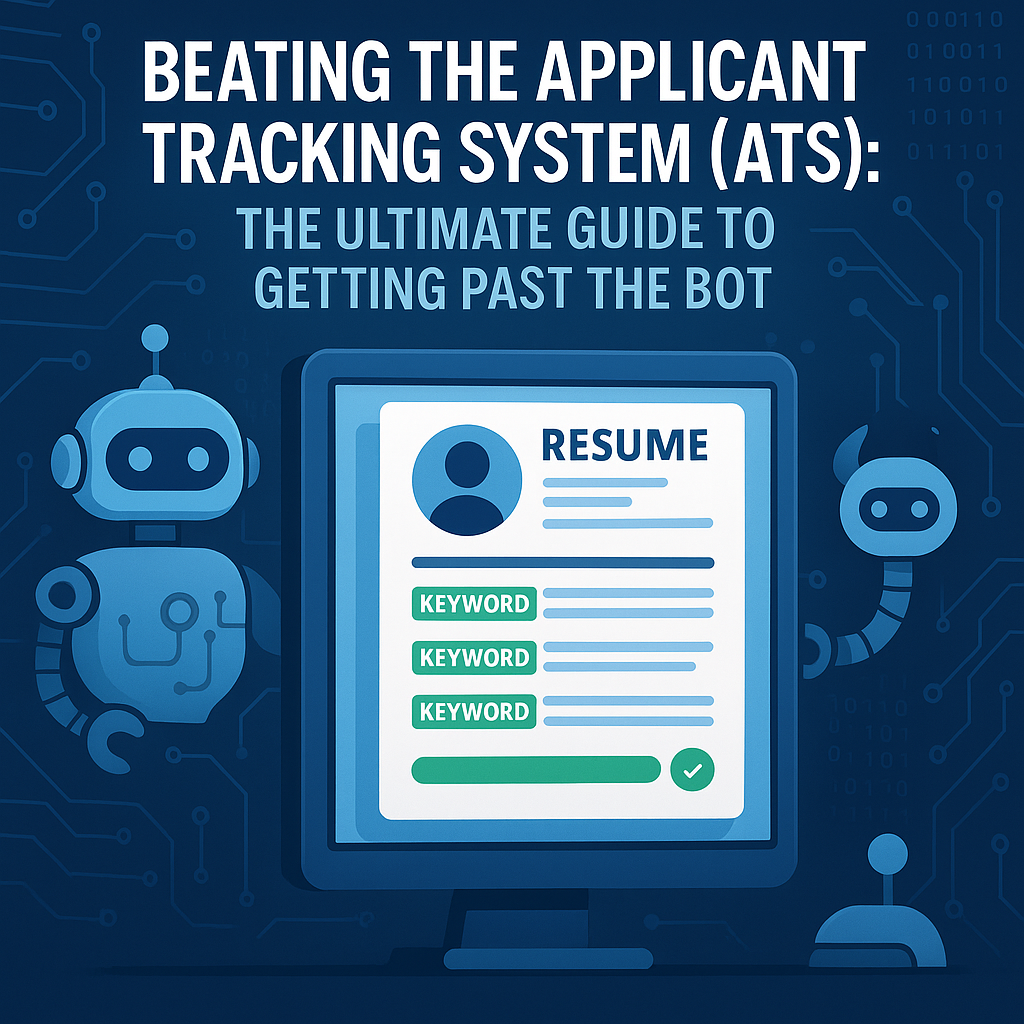
Beating the Applicant Tracking System (ATS): The Ultimate Guide to Getting Past the Bot
Is your resume getting rejected instantly? It might be the ATS. Learn how Applicant Tracking Systems work, how to format your resume to beat the bot, and the keyword strategies that get you noticed.
2025-12-10
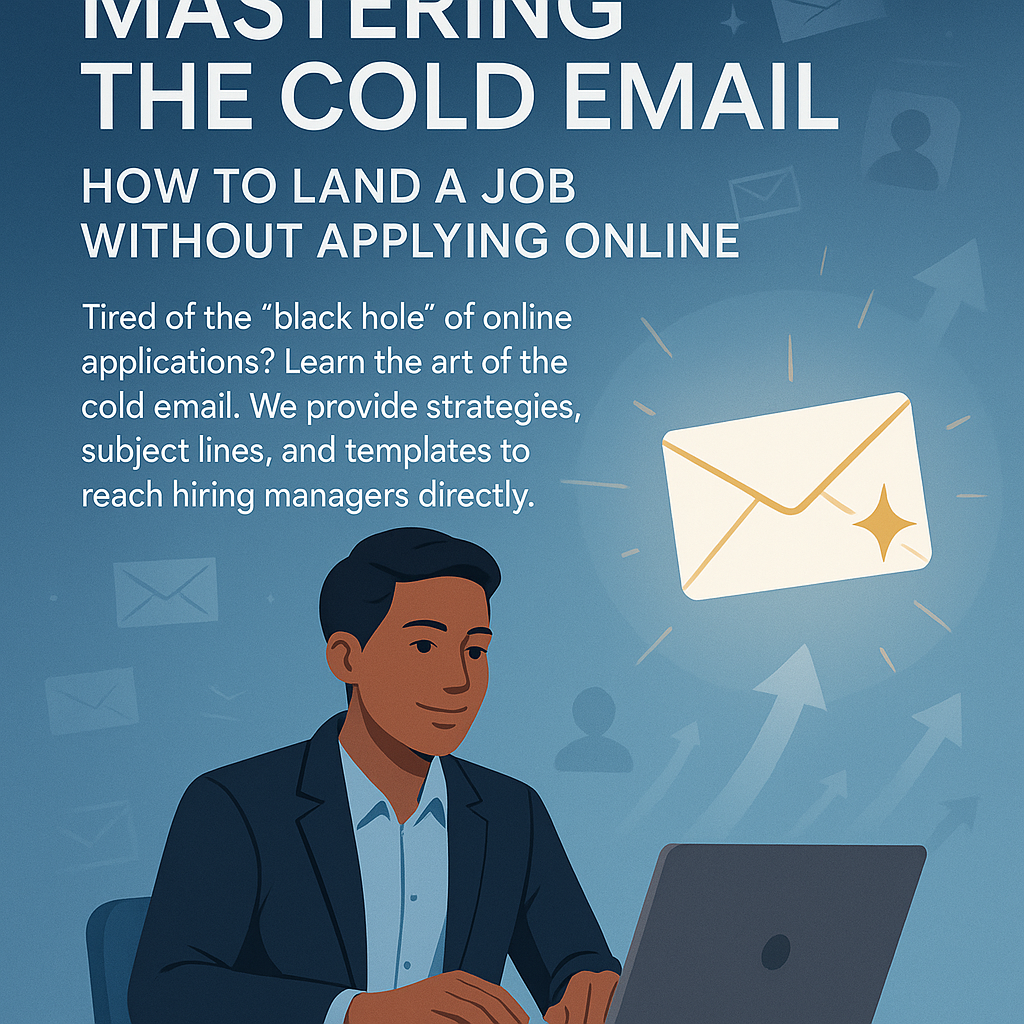
Mastering the Cold Email: How to Land a Job Without Applying Online
Tired of the "black hole" of online applications? Learn the art of the cold email. We provide strategies, subject lines, and templates to reach hiring managers directly.
2025-12-10
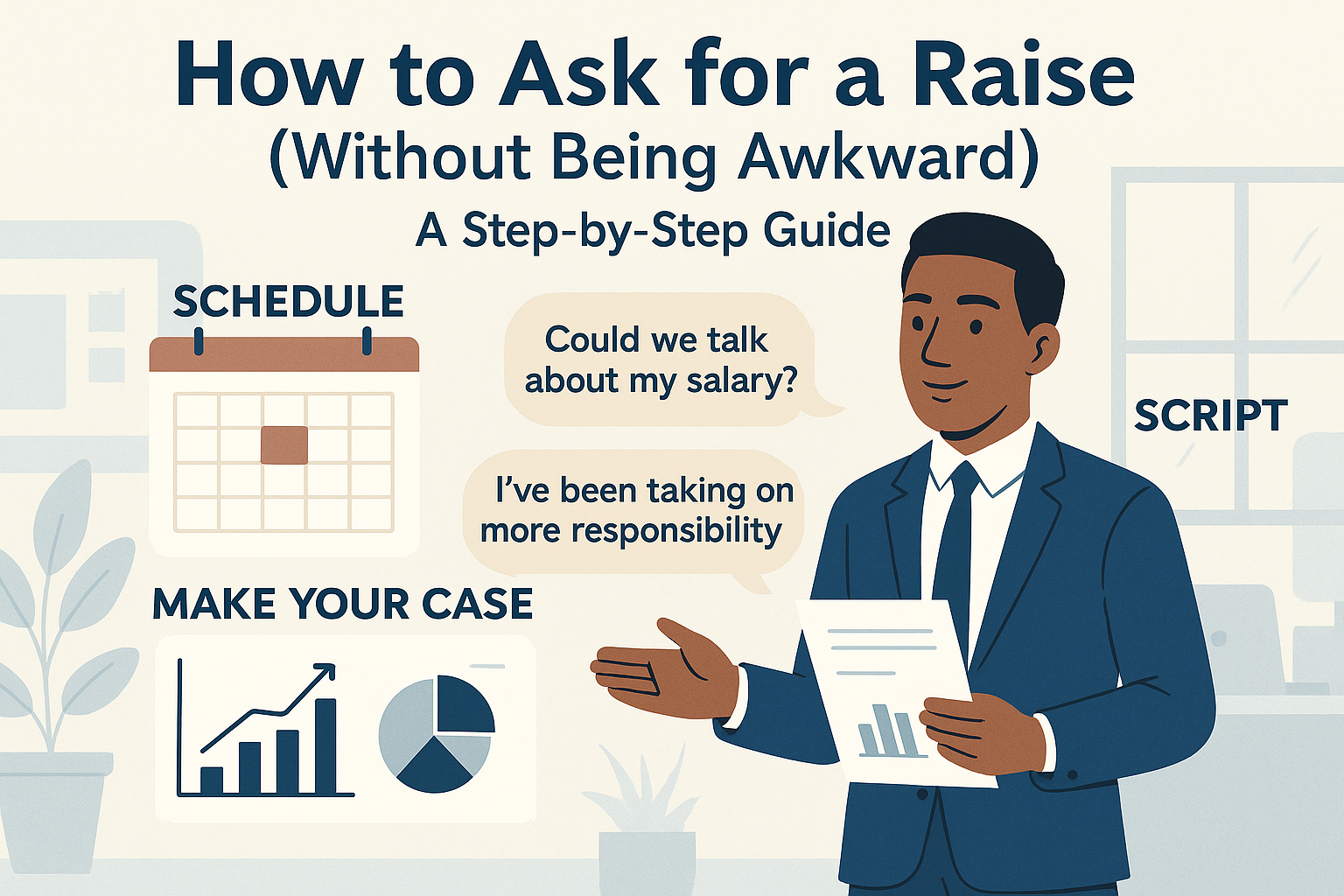
How to Ask for a Raise (Without Being Awkward): A Step-by-Step Guide
Don't wait for your annual appraisal. Learn the strategic way to ask for a raise, build your business case, and use our scripts to get the salary hike you deserve.
2025-12-10
The First 90 Days: A Strategic Plan to Impress Your New Boss
Your first 3 months in a new job determine your reputation. Use our 30-60-90 day plan to secure early wins, build relationships, and pass probation with flying colors.
2025-12-09
Background Verification (BGV) Explained: What Employers Actually Check (And What Gets You Rejected)
Worried about the background check? We decode the Background Verification (BGV) process in India, covering employment history, education checks, and how to handle discrepancies.
2025-12-09