


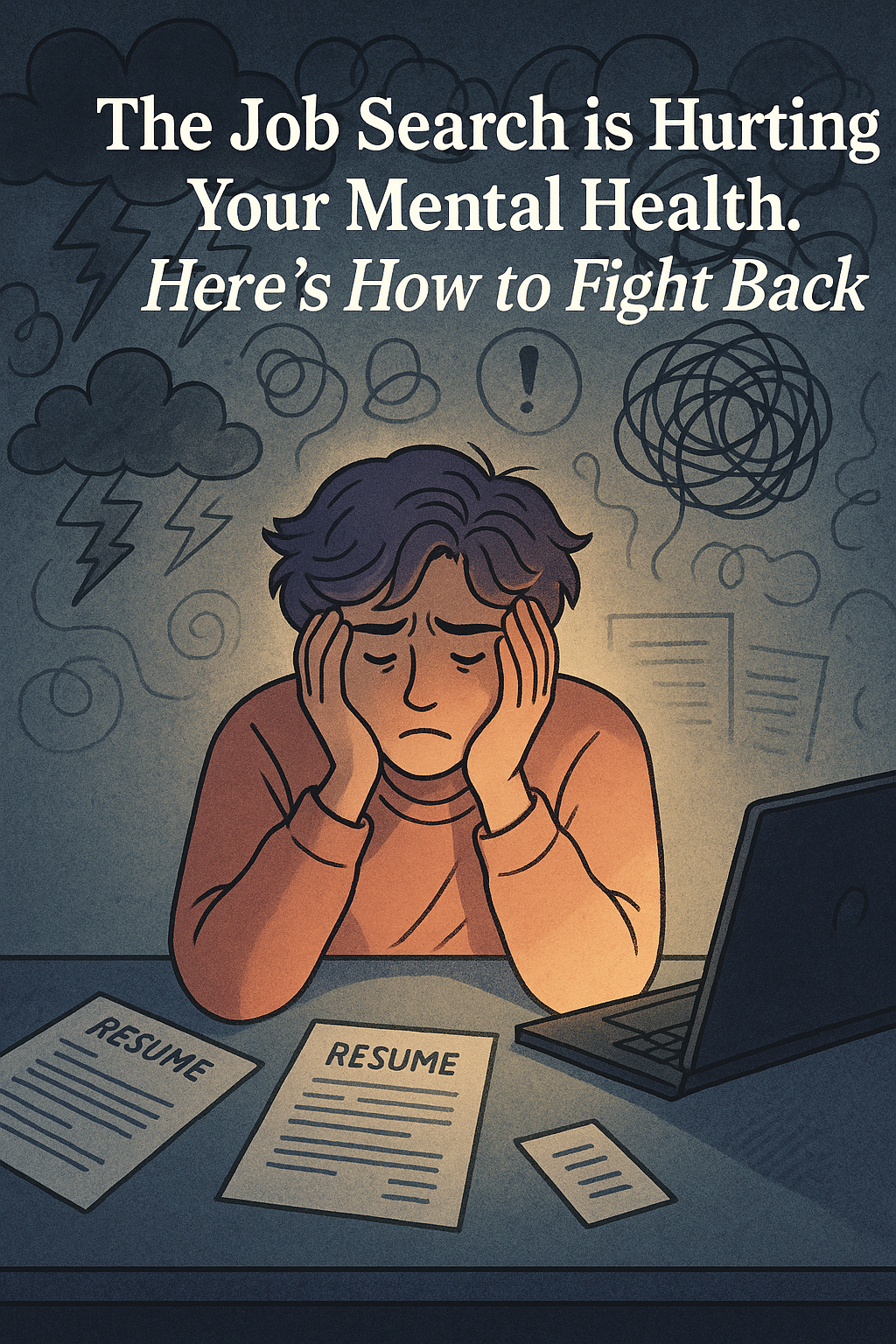
The Job Search is Hurting Your Mental Health. Here’s How to Fight Back
The job search is often described in purely strategic terms: optimize your resume, tailor your cover letter, network effectively, and ace the interview. We create plans and checklists, treating it like a project to be managed. But what we often fail to acknowledge is the profound and often brutal emotional toll that the process can take. A modern job search is a journey fraught with uncertainty, filled with silence, and punctuated by rejection. It’s an experience that can test the resilience of even the most confident professional.
Day after day, you pour your energy into crafting the perfect application, only to be met with an automated rejection email or, even worse, complete silence. You make it through multiple interview rounds, build a genuine connection with the team, and start to feel a glimmer of hope, only to be "ghosted" without explanation. With each "no," a little piece of your confidence chips away. The constant pressure to perform, the financial anxiety, and the endless cycle of hope and disappointment can quickly spiral into a serious mental health challenge.
This is the hidden epidemic of the job search: the rise of job search depression, anxiety, and burnout. You might feel isolated, believing you are the only one struggling while your peers seem to be effortlessly landing great roles. Your motivation plummets. You start to procrastinate on applications. The lines between your self-worth and your professional validation begin to blur. Your career goals, which once felt exciting, now feel like an insurmountable mountain.
If you are feeling this way, know this: you are not alone, and it is not a sign of weakness. The emotional toll of a job search is real and significant. Protecting your mental health is not a "soft" skill or a luxury; it is the single most important and strategic thing you can do to ensure you have the stamina, resilience, and confidence to actually land the job you deserve. This guide is your practical toolkit for fighting back. We will provide you with actionable strategies to manage the emotional rollercoaster, protect your mental well-being, and reclaim a sense of control and power in your career journey.
Strategy 1: Structure Your Search Like a Job, Not a Life Sentence
One of the biggest sources of anxiety is the formless, 24/7 nature of a job search. It can feel like you should be "on" all the time, constantly scrolling through job boards and checking your email. This is a direct path to burnout. The most powerful thing you can do is to impose a structure on your search.
Create a "Workday" for Your Job Search: * Define Your Hours: Treat your job search like a 9-to-5 job (or whatever hours work for you). For example, commit to actively searching from 10 AM to 4 PM, with a one-hour lunch break. * When You're "On," Be Focused: During these hours, you are a professional job seeker. This means focused, productive activities: researching companies, tailoring your resume for specific roles, writing thoughtful cover letters, and reaching out to your network. * When You're "Off," Be Truly Off: This is the most important part. When your designated time is over, shut down your laptop. Turn off your job alert notifications. Give yourself permission to completely disengage. Your brain needs time to rest and recharge. A constantly "on" job search is an ineffective and exhausting one.
This structure transforms the search from an all-consuming source of anxiety into a manageable, professional project. It creates boundaries that are essential for your mental health.
Strategy 2: Focus on Controllable Inputs, Not Uncontrollable Outcomes
You cannot control whether or not a recruiter calls you back. You cannot control whether you get a job offer. There are a hundred variables in the hiring process that are completely outside of your influence. Chasing these uncontrollable outcomes is the root cause of much job search anxiety.
You need to shift your definition of a "successful day." A successful day is not one where you get an interview; a successful day is one where you execute your process flawlessly.
Measure Your Effort, Not the Results: Instead of a to-do list, create a "done" list. At the end of your "workday," your goal should be to look at a list of concrete actions you took. For example: * "I sent out three high-quality, tailored applications today." * "I spent one hour learning a new skill on Allrounder.ai." * "I reached out to two new contacts on LinkedIn for informational chats." * "I practiced my answer to a tough behavioral question."
By focusing on these controllable inputs, you regain a sense of agency and accomplishment every single day, regardless of the external results. This builds momentum and self-esteem, which are the fuel for a long-term search.
Strategy 3: Decouple Your Self-Worth from Your Job Status
This is the most challenging, but most transformative, mental shift you can make. In our society, the question "What do you do?" is often the first one we ask. It’s easy to internalize this and believe that our job title defines our identity and our worth as a person. During a job search, especially if you are unemployed, this can lead to feelings of shame and inadequacy.
You must consciously and repeatedly remind yourself: Your job is what you do; it is not who you are.
- Reconnect with Your Non-Professional Identity: What are you outside of your career? A parent, a sibling, a friend, an artist, a runner, a great cook? Actively invest time in the parts of your identity that have nothing to do with a job title. This creates a stronger, more resilient sense of self that isn't dependent on external professional validation.
- Practice Self-Compassion: Speak to yourself the way you would speak to a friend who is going through a tough time. You would never tell a friend they are a "failure" because they got a rejection email. You would offer them support and encouragement. You deserve that same level of compassion from yourself.
Strategy 4: Curate Your "Win" File and Celebrate Small Victories
The job search is a firehose of negative feedback. To counteract this, you need to create your own source of positive reinforcement.
Create a digital folder or a physical notebook and label it your "Win File." This is the same concept as the "brag document" for a promotion, but its purpose here is purely motivational. * Document Every Positive Step: Did you get a positive response to a networking email? Screenshot it and put it in the folder. Did you finally master a tricky coding problem on JobPe's Coding Practice section? Document it. Did you write a cover letter that you are particularly proud of? Save it. * Celebrate the Smallest of Wins: The job search is a marathon made up of many small steps. Did you complete all your tasks for the day? That's a win. Did you have the courage to reach out to a senior person in your field? That's a huge win. Acknowledge and celebrate these small victories. They are the proof that you are making progress, even when it doesn't feel like it.
Strategy 5: Stay Healthy – The Physical Foundation of Mental Resilience
It's easy to let your healthy habits slide during a stressful period like a job search. You might sleep less, eat more junk food, and stop exercising. This is a critical mistake. Your mental and emotional resilience is directly linked to your physical health.
- Move Your Body: You don't have to run a marathon. A simple 30-minute walk every day can have a profound impact on your mood and stress levels. Exercise releases endorphins, which are natural mood elevators.
- Prioritize Sleep: Sleep deprivation exacerbates anxiety and emotional volatility. Aim for 7-8 hours of quality sleep per night.
- Fuel Your Brain: Your brain needs good fuel to function optimally. Try to maintain a balanced diet and stay hydrated.
These are not luxuries; they are essential, non-negotiable components of a strategic job search. You cannot perform at your peak professionally if you are not taking care of yourself personally.
Conclusion: Your Well-Being is Your Greatest Career Asset
The job search is a challenging journey, but it does not have to be a destructive one. By recognizing the toll it can take and by proactively implementing strategies to protect your mental health, you are not taking a break from your job search; you are making it more effective and sustainable.
Structure your time, focus on what you can control, and be kind to yourself. Remember that a rejection is a data point, not a verdict. Your value as a professional is constant, regardless of your current employment status. By building a foundation of mental and emotional resilience, you ensure that you can show up to every application and every interview as the confident, capable, and hireable candidate that you are.
A powerful application starts with a powerful mindset. Ensure your resume reflects this confidence by using a tool like the JobPe Resume Builder to present your skills in the best possible light. And to keep a steady stream of opportunities in your pipeline, set up targeted job alerts that match your goals.
For more resources to support you at every stage of your career journey, https://jobpe.com.

Creative Content Writer
More from Debojyoti Roy
Beating the Applicant Tracking System (ATS): The Ultimate Guide to Getting Past the Bot
Is your resume getting rejected instantly? It might be the ATS. Learn how Applicant Tracking Systems work, how to format your resume to beat the bot, and the keyword strategies that get you noticed.
2025-12-10
Mastering the Cold Email: How to Land a Job Without Applying Online
Tired of the "black hole" of online applications? Learn the art of the cold email. We provide strategies, subject lines, and templates to reach hiring managers directly.
2025-12-10
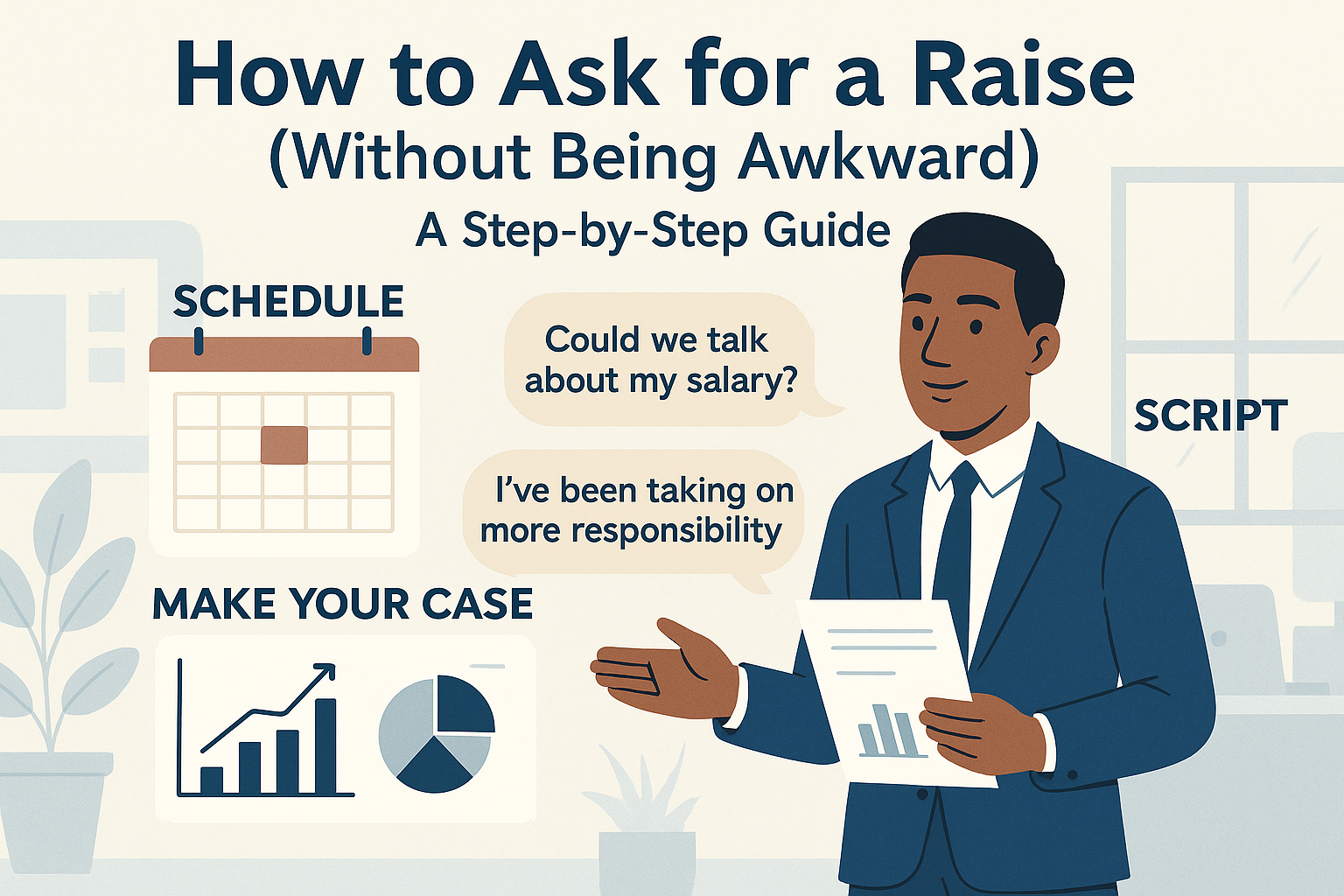
How to Ask for a Raise (Without Being Awkward): A Step-by-Step Guide
Don't wait for your annual appraisal. Learn the strategic way to ask for a raise, build your business case, and use our scripts to get the salary hike you deserve.
2025-12-10
The First 90 Days: A Strategic Plan to Impress Your New Boss
Your first 3 months in a new job determine your reputation. Use our 30-60-90 day plan to secure early wins, build relationships, and pass probation with flying colors.
2025-12-09
Background Verification (BGV) Explained: What Employers Actually Check (And What Gets You Rejected)
Worried about the background check? We decode the Background Verification (BGV) process in India, covering employment history, education checks, and how to handle discrepancies.
2025-12-09