


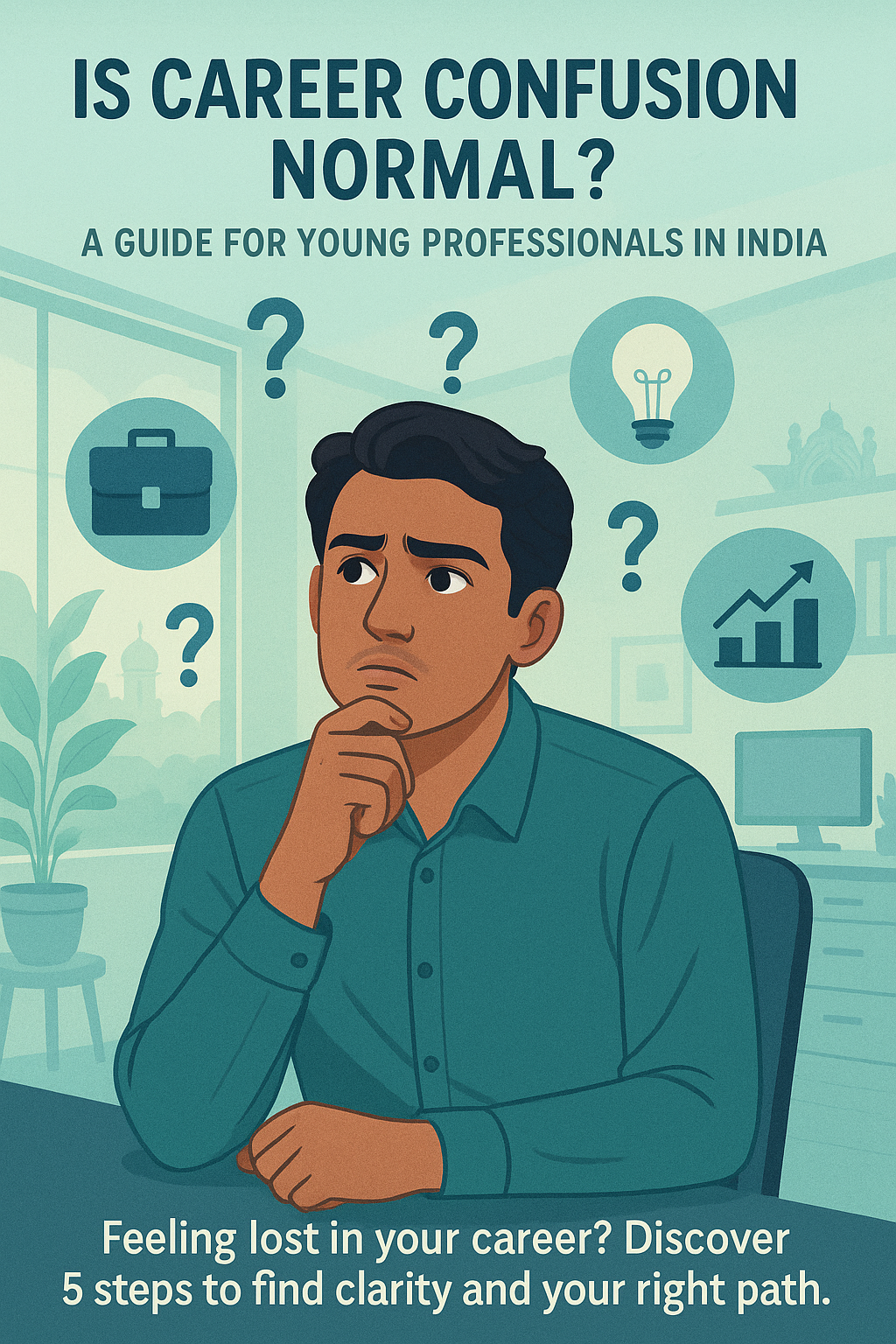
Is 'Career Confusion' Normal? A Guide for Young Professionals in India
You’ve done everything you were "supposed" to do. You studied hard, got your degree, landed a decent job, and started your professional life. On paper, you are a success story. But internally, you’re grappling with a persistent and unsettling feeling: a quiet but constant sense of confusion. You look at your career path and feel a profound sense of uncertainty. Is this the right industry for me? Am I passionate about this work? Am I even on the right track? This feeling of being adrift, of "career confusion," is a deeply personal and often isolating experience.
For young professionals in India, this feeling can be particularly intense. Our career paths are often chosen at a very young age, heavily influenced by parental expectations, societal pressures, and the pursuit of a "stable" and "respectable" job. We follow a well-trodden path—engineering, medicine, commerce—often without a deep, personal connection to the field itself. The first few years of our career are a whirlwind of learning and adapting, but as we enter our mid-to-late twenties, the initial momentum can fade, leaving a void filled with doubt.
You might look at your peers who seem so passionate and driven in their careers and wonder, "What's wrong with me?" You might feel guilty for not being more grateful for the job you have. This can lead to a cycle of anxiety, frustration, and a feeling of being completely stuck.
If this sounds familiar, the first and most important thing you need to know is this: career confusion is not just normal; it is a near-universal experience for your generation. It is not a sign of failure. It is a sign of self-awareness. It’s the moment your adult self begins to question the choices your younger self made, and that is a healthy and necessary part of building an authentic and fulfilling professional life.
This guide is for every young professional who is feeling lost. We will explore why career confusion is so common, and provide you with a practical, 5-step framework to navigate this period of uncertainty and find the clarity you're searching for.
Why Career Confusion is at an All-Time High
Understanding the root causes of this feeling can help you to normalize it and remove the sense of personal failure.
- The Paradox of Choice: Unlike previous generations who had a limited set of clear career paths, you are faced with a dizzying array of options. The rise of new industries like digital marketing, data science, and the creator economy means there are thousands of potential jobs that didn't even exist when you were in college. This abundance of choice can be paralyzing.
- The "Passion" Myth: We are the first generation to be told, repeatedly, to "follow your passion." While well-intentioned, this creates immense pressure. What if you don't know what your passion is? What if your passion isn't a viable career? This can lead to a constant feeling that you are falling short of an idealized version of a "dream job."
- The Social Media Highlight Reel: On platforms like LinkedIn and Instagram, you are constantly exposed to the curated success stories of your peers. You see their promotions, their new job announcements, and their exciting projects. What you don't see is their own moments of doubt, their struggles, and their failures. This creates a distorted reality that can make you feel like you are the only one who is falling behind.
- A Mismatch of Skills and Interests: The career path you chose at 18 based on your academic strengths may have very little to do with the work that genuinely interests you at 25. As you gain more life experience, your interests evolve, and it's perfectly normal for them to diverge from your initial career choice.
The 5-Step Framework for Finding Career Clarity
Feeling confused is the starting point. Finding clarity is a proactive, intentional process. It doesn't happen by accident.
Step 1: Detach and Observe (Become a Career Scientist)
The first step is to detach emotionally from the feeling of being "stuck" and to start observing your own professional life like a scientist. For the next two weeks, keep a "Work Journal." At the end of each workday, spend ten minutes writing down the answers to these questions: * What task today gave me the most energy? * What task today drained the most energy from me? * What was the most interesting problem I thought about today? * When did I feel the most engaged or "in the flow"?
After two weeks, review your journal. You will start to see patterns emerge. You might discover that you love the moments when you get to analyze data, but you dread the moments when you have to present it. Or you might find that you feel most energized when you are mentoring a junior colleague. These patterns are the first real clues to what kind of work genuinely motivates you.
Step 2: Conduct Informational Interviews (Gather Real-World Data)
You cannot figure out your next career move in a vacuum. You need to talk to real people who are doing the jobs you are curious about. An informational interview is a short, 15-20 minute chat where you ask someone about their career.
Identify 3-5 job roles that seem interesting to you. Use LinkedIn to find people who have those titles. Reach out with a polite request for a brief virtual coffee chat. Your goal is to learn about the day-to-day reality of their job—the good, the bad, and the ugly. This is the most effective way to demystify a career path and see if it truly aligns with your interests and skills. This is also a fantastic, low-pressure way to start building a professional network.
Step 3: "Test Drive" Your Interests with Low-Risk Projects
Once you have a few promising ideas, you need to move from theory to practice. The best way to know if you'll enjoy a new career is to "test drive" it in a small, low-risk way. * Take a Short Online Course: If you're curious about UX design, take an introductory course. The act of learning and doing the basic exercises will tell you a lot about your aptitude and interest. Platforms like Allrounder.ai to learn are perfect for this kind of skill-based exploration. * Start a Small Side Project: If you think you might enjoy content writing, start a personal blog on a topic you love. If you're interested in coding, try to build a very simple website or app. Getting your hands dirty is the fastest way to get a real feel for the work. * Volunteer Your Skills: Find a local NGO or a small startup and offer to volunteer a few hours a week in the function you're exploring. This provides invaluable, real-world experience and looks great on a resume.
Step 4: Focus on Skills, Not Just Job Titles
Instead of getting fixated on a specific "dream job title," shift your focus to building a portfolio of in-demand, transferable skills. In today's fluid job market, your skills are your true career currency.
Identify a few "power skills" that are valuable across many industries, such as data analysis, project management, digital marketing, or public speaking. Investing in these skills makes you a more versatile and adaptable professional. It opens up more doors and gives you more options, which is the ultimate antidote to feeling stuck. Honing your technical abilities on a platform with coding practice or your interview skills with a database of interview questions are both fantastic investments in your future.
Step 5: Talk to a Mentor or a Career Coach
Sometimes, you are too close to your own situation to see it clearly. Talking to a neutral, experienced third party can be incredibly helpful. A mentor—perhaps a senior professional you admire, or a former manager—can offer a valuable perspective based on their own career journey. A professional career coach can provide you with structured exercises and frameworks to help you work through your confusion and create an actionable plan.
Conclusion: Confusion is a Compass
Career confusion is not a sign that you have failed; it is a sign that you are growing. It is your inner compass telling you that it's time to re-evaluate your path and make a more conscious, authentic choice. The journey to career clarity is not about finding a single, perfect answer overnight. It is a process of exploration, experimentation, and self-discovery.
Embrace the uncertainty. Get curious. Talk to people. Try new things. By taking these small, proactive steps, you will slowly but surely turn the fog of confusion into a clear and exciting vision for your future. Your career is a long and winding journey, and it's perfectly okay to pause, check the map, and choose a new direction.
To explore the vast range of career paths available and to set up job alerts for roles that spark your curiosity, https://jobpe.com.

Creative Content Writer
More from Debojyoti Roy
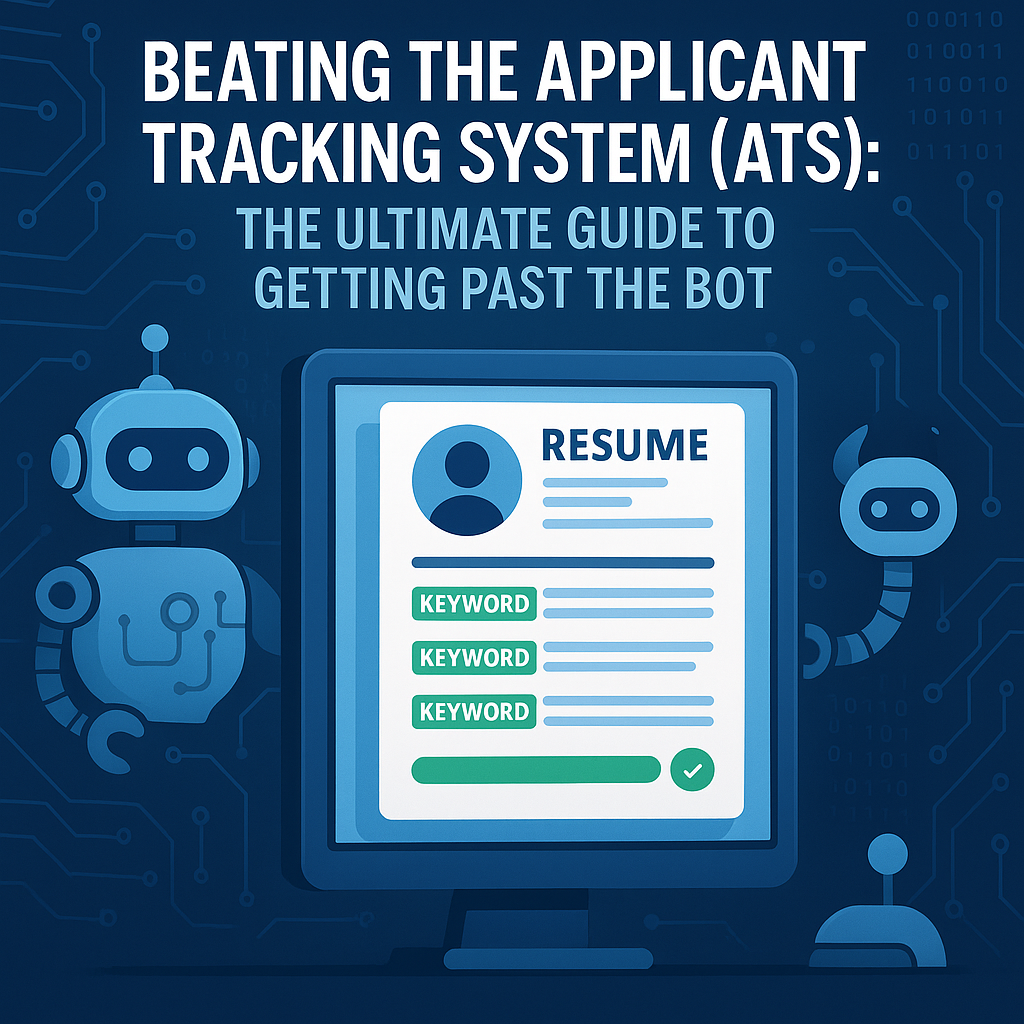
Beating the Applicant Tracking System (ATS): The Ultimate Guide to Getting Past the Bot
Is your resume getting rejected instantly? It might be the ATS. Learn how Applicant Tracking Systems work, how to format your resume to beat the bot, and the keyword strategies that get you noticed.
2025-12-10
Mastering the Cold Email: How to Land a Job Without Applying Online
Tired of the "black hole" of online applications? Learn the art of the cold email. We provide strategies, subject lines, and templates to reach hiring managers directly.
2025-12-10
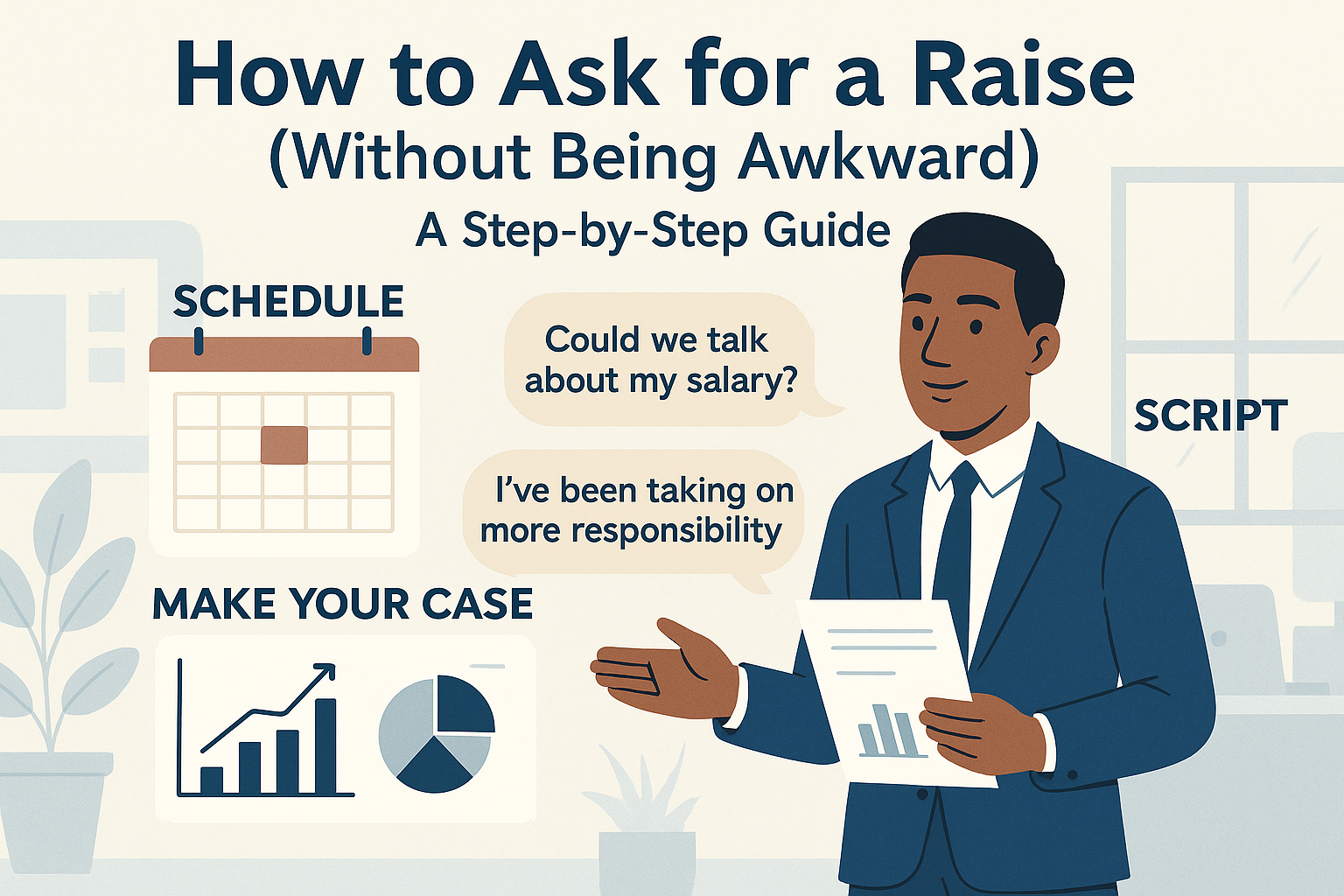
How to Ask for a Raise (Without Being Awkward): A Step-by-Step Guide
Don't wait for your annual appraisal. Learn the strategic way to ask for a raise, build your business case, and use our scripts to get the salary hike you deserve.
2025-12-10
The First 90 Days: A Strategic Plan to Impress Your New Boss
Your first 3 months in a new job determine your reputation. Use our 30-60-90 day plan to secure early wins, build relationships, and pass probation with flying colors.
2025-12-09
Background Verification (BGV) Explained: What Employers Actually Check (And What Gets You Rejected)
Worried about the background check? We decode the Background Verification (BGV) process in India, covering employment history, education checks, and how to handle discrepancies.
2025-12-09