


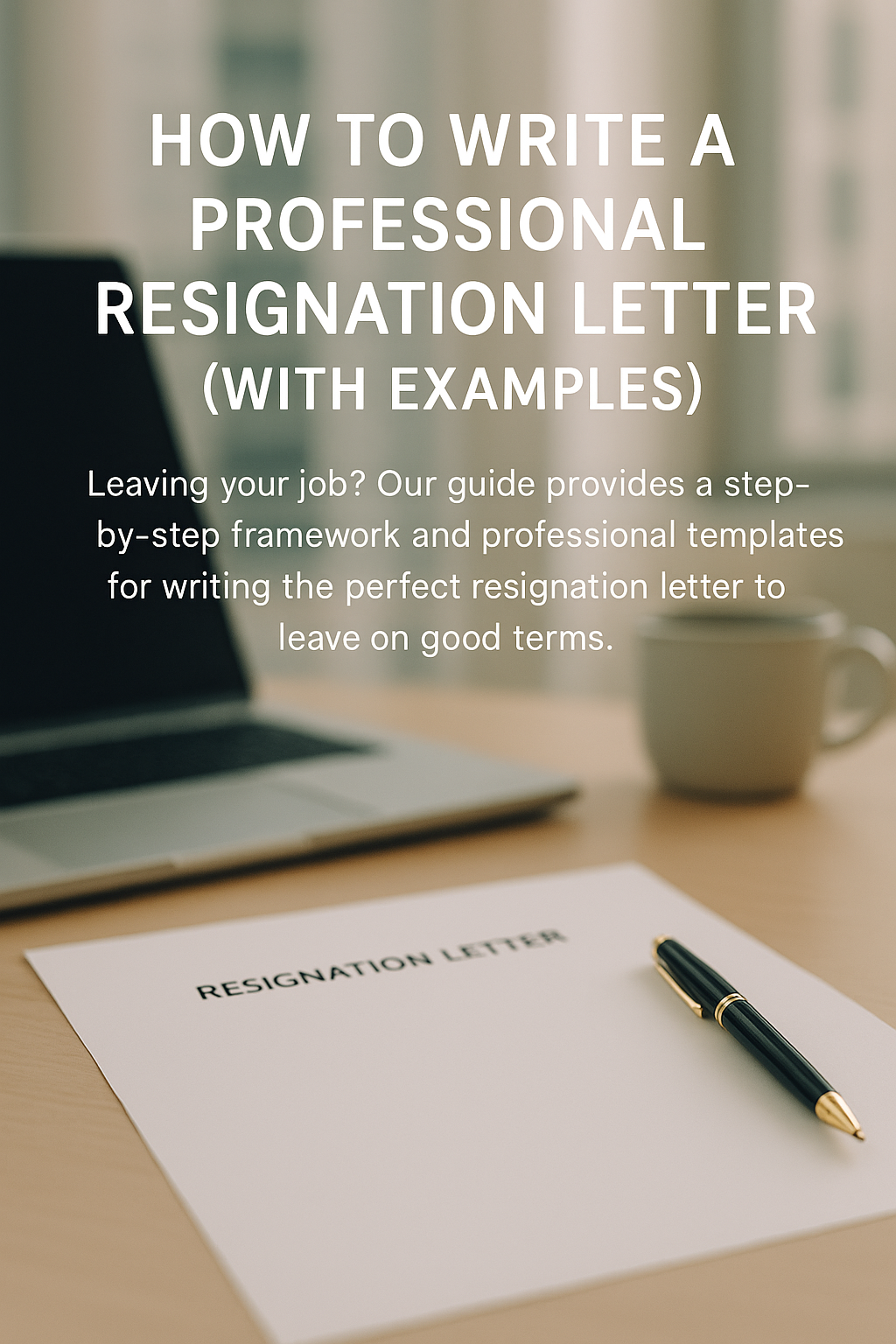
How to Write a Professional Resignation Letter (with Examples)
You’ve done it. After a successful job search, you’ve landed an exciting new opportunity, negotiated your salary, and formally accepted the offer. A wave of relief and anticipation washes over you. But before you can fully celebrate your next chapter, there's one final, crucial step you need to take in your current role: you need to resign.
The way you leave a job is just as important as the way you start one. The professional world is small, and your reputation is your most valuable asset. The last impression you leave on an employer can have a long-lasting impact on your future career, affecting potential references, your alumni network, and your professional standing. The cornerstone of this graceful exit is the formal resignation letter.
This letter is not the time to air grievances, settle old scores, or be overly casual. It is a formal business document that serves as the official notification of your departure. The goal is to be clear, concise, professional, and appreciative, ensuring you leave on the most positive note possible. But what do you actually write? How formal do you need to be? What information is essential, and what should you absolutely leave out?
This guide will provide you with a clear, step-by-step framework for writing a perfect resignation letter. We'll cover what to include, what to avoid, and provide simple, professional templates you can use to handle your resignation with class and confidence.
Before You Write the Letter The Resignation Conversation
Your resignation letter should never be a surprise. It should not be the first time your manager learns of your departure. The proper etiquette is to first schedule a brief, private meeting with your direct manager to inform them of your decision in person (or via a video call if you work remotely).
This conversation is a sign of respect. Keep it professional and concise. * Be Direct and Appreciative: "Thank you for meeting with me. I wanted to let you know that I have been offered another opportunity, and after careful consideration, I have decided to accept it. I am giving my formal two weeks' notice, and my last day will be [Your Last Day]." * Express Gratitude: "I am so grateful for the opportunity you've given me here, and I've truly valued my time working with you and the team." * Be Prepared for a Counter-Offer (and Your Answer): Your company might make a counter-offer to convince you to stay. Be prepared to politely but firmly decline if your mind is made up. * Discuss the Transition: End the conversation by offering to help with a smooth transition. "I am fully committed to making this transition as smooth as possible and will do whatever I can to help train my replacement and wrap up my projects."
Immediately after this conversation, you should send your formal resignation letter via email to both your manager and the HR department. This letter is the official, written record for company files.
The Anatomy of a Professional Resignation Letter
A resignation letter should be simple, direct, and professional. It only needs to include a few key pieces of information.
- A Clear Statement of Intent: The very first paragraph should clearly state that you are resigning and include your official last day of employment.
- Your Notice Period: Explicitly state your last day, which should align with the notice period in your employment contract (typically two weeks, one month, or more in India).
- A (Brief) Expression of Gratitude: Thank your employer for the opportunity they gave you. You can briefly mention something positive you've gained, such as "learning from the team" or "working on exciting projects."
- A Commitment to a Smooth Transition: Offer to help wrap up your responsibilities and train your replacement.
- A Professional Closing: A simple, polite sign-off.
What You Must Absolutely AVOID in Your Letter
This is just as important as what you include. Your resignation letter is not the place to vent. * Do Not Criticize: Do not include any complaints about the company, your manager, your salary, or your colleagues. This letter becomes a permanent record, and negativity will only burn bridges. Save your constructive feedback for the exit interview, if you choose to give it. * Do Not Go into Detail About Your New Job: It's unnecessary and can come across as bragging. You don't need to mention your new company's name, your new salary, or your new title. * Do Not Be Overly Emotional or Casual: Keep the tone professional, polite, and to the point. * Do Not Make Promises You Can't Keep: Be realistic in your offer to help with the transition. Don't promise to be available "anytime" after you've left.
Simple Resignation Letter Templates You Can Use
Use these templates as a starting point. Keep it simple, clear, and professional.
Template 1 The Simple & Formal (Most Recommended)
Subject: Resignation - [Your Name]
Dear [Manager's Name],
Please accept this email as my formal notification that I am resigning from my position as [Your Job Title] at [Company Name].
In accordance with my notice period of [Number] weeks/months, my last day of employment will be [Your Last Day, Date].
I want to thank you for the opportunity to have worked at [Company Name] for the past [Number] years/months. I have truly valued the experience and the relationships I've built here, and I am grateful for the chance you gave me to grow in my field.
I am committed to ensuring a smooth transition during my final [Number] weeks. Please let me know how I can best assist in wrapping up my duties and training my replacement.
I wish you and the company all the best for the future.
Sincerely,
[Your Name]
Template 2 The "More Personal Gratitude"
Subject: Resignation - [Your Name]
Dear [Manager's Name],
Please accept this letter as my formal resignation from my role as [Your Job Title] at [Company Name]. My final day will be [Your Last Day, Date], as per my notice period.
I want to express my sincere gratitude for the opportunity to have been a part of this team. I've learned a great deal during my time here, and I am especially thankful for your mentorship and guidance on [Specific Project or Skill]. It has been a pleasure working with you and the entire team.
I will do everything I can to ensure a smooth and seamless transition over the next [Number] weeks. I am happy to assist in training my replacement and documenting my current projects.
I wish you and everyone at [Company Name] continued success.
Best regards,
[Your Name]
Conclusion Leaving a Lasting, Positive Impression
Resigning from a job is a significant moment in your career. By handling it with professionalism, grace, and gratitude, you are not just closing one chapter; you are setting yourself up for success in the next. A well-managed exit strengthens your professional reputation and keeps valuable connections intact for years to come.
Your career journey is a long one. Always leave a bridge, never a burnt one. Your successful job search, which may have started with tools like the JobPe Resume Builder and practicing interview questions, officially concludes with this final act of professionalism. As you look toward your next opportunity, you can even keep your job alerts active to monitor the market for future growth.
For more resources to help you navigate every single stage of your career journey, https://jobpe.com.

Creative Content Writer
More from Debojyoti Roy
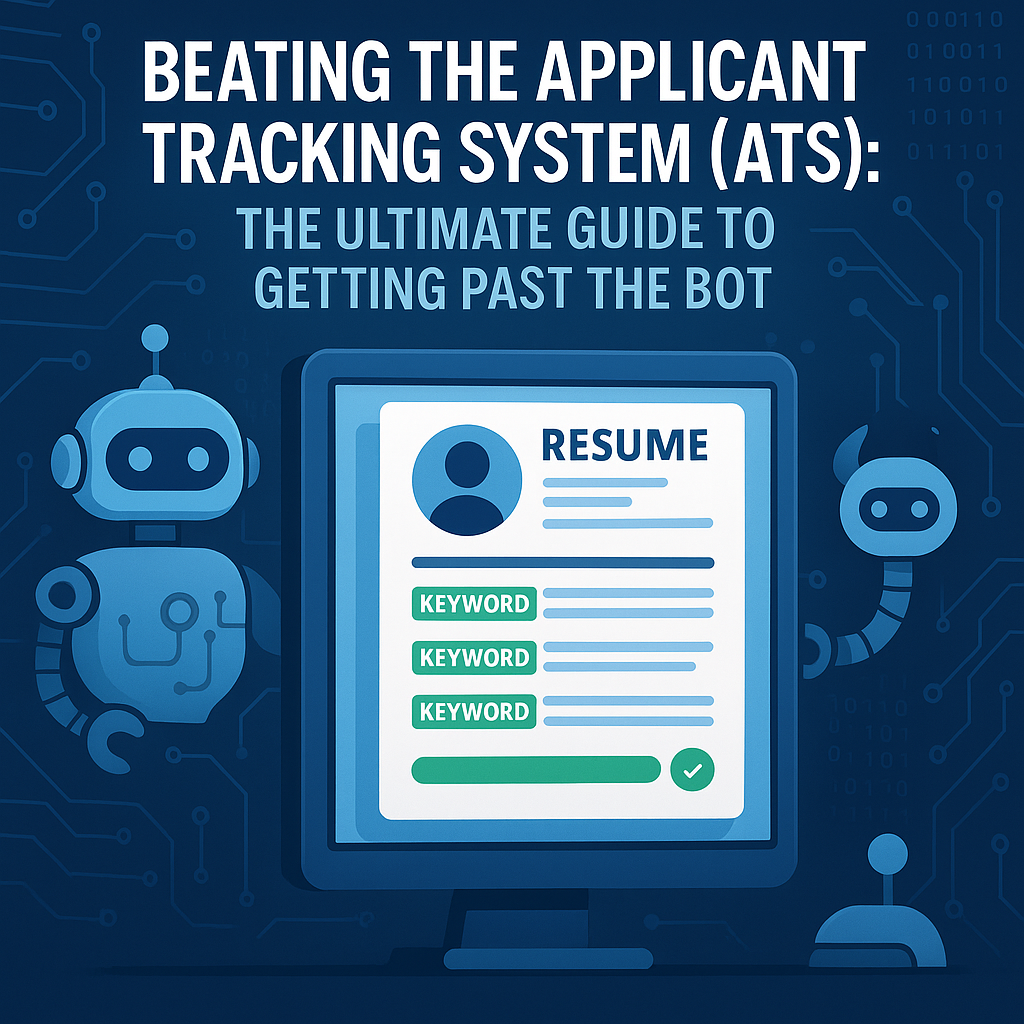
Beating the Applicant Tracking System (ATS): The Ultimate Guide to Getting Past the Bot
Is your resume getting rejected instantly? It might be the ATS. Learn how Applicant Tracking Systems work, how to format your resume to beat the bot, and the keyword strategies that get you noticed.
2025-12-10
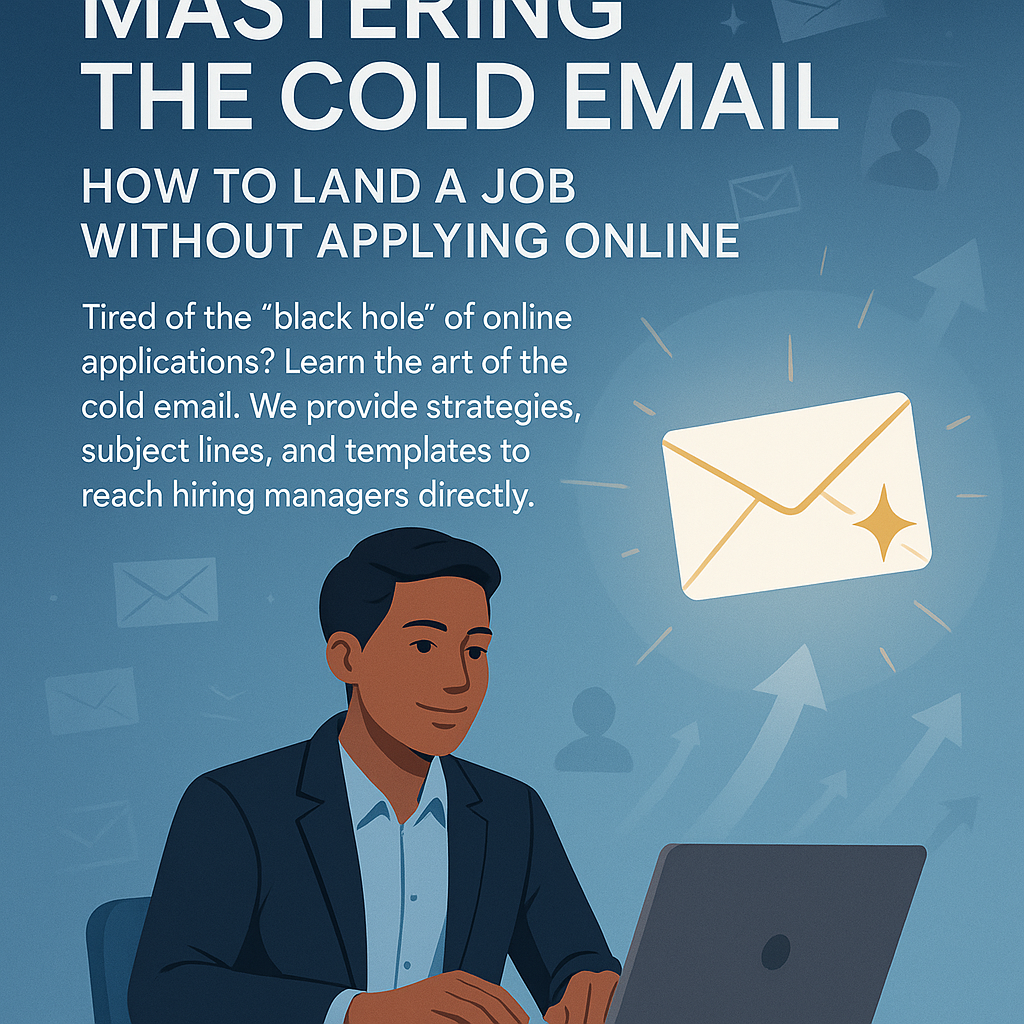
Mastering the Cold Email: How to Land a Job Without Applying Online
Tired of the "black hole" of online applications? Learn the art of the cold email. We provide strategies, subject lines, and templates to reach hiring managers directly.
2025-12-10
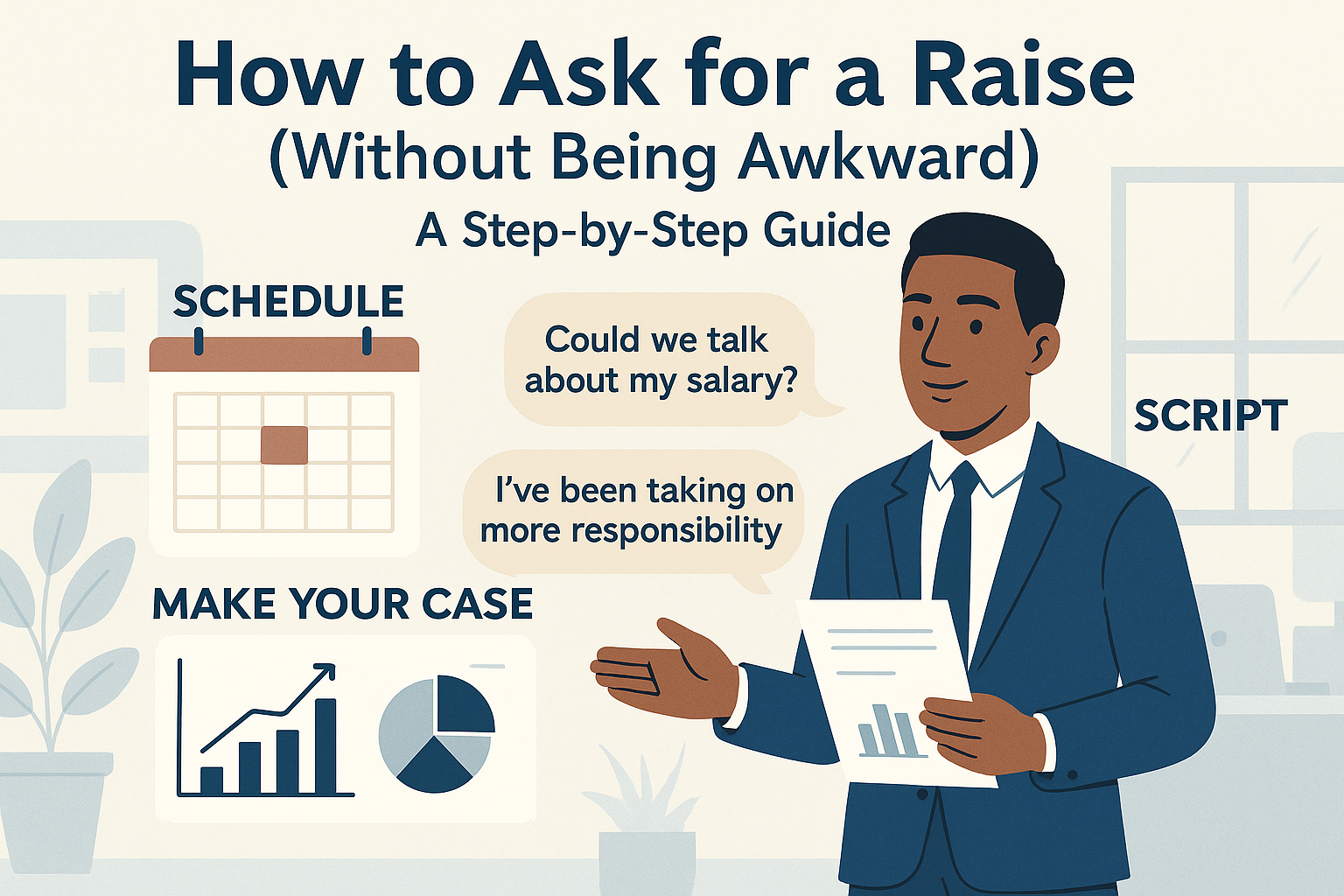
How to Ask for a Raise (Without Being Awkward): A Step-by-Step Guide
Don't wait for your annual appraisal. Learn the strategic way to ask for a raise, build your business case, and use our scripts to get the salary hike you deserve.
2025-12-10

The First 90 Days: A Strategic Plan to Impress Your New Boss
Your first 3 months in a new job determine your reputation. Use our 30-60-90 day plan to secure early wins, build relationships, and pass probation with flying colors.
2025-12-09
Background Verification (BGV) Explained: What Employers Actually Check (And What Gets You Rejected)
Worried about the background check? We decode the Background Verification (BGV) process in India, covering employment history, education checks, and how to handle discrepancies.
2025-12-09