


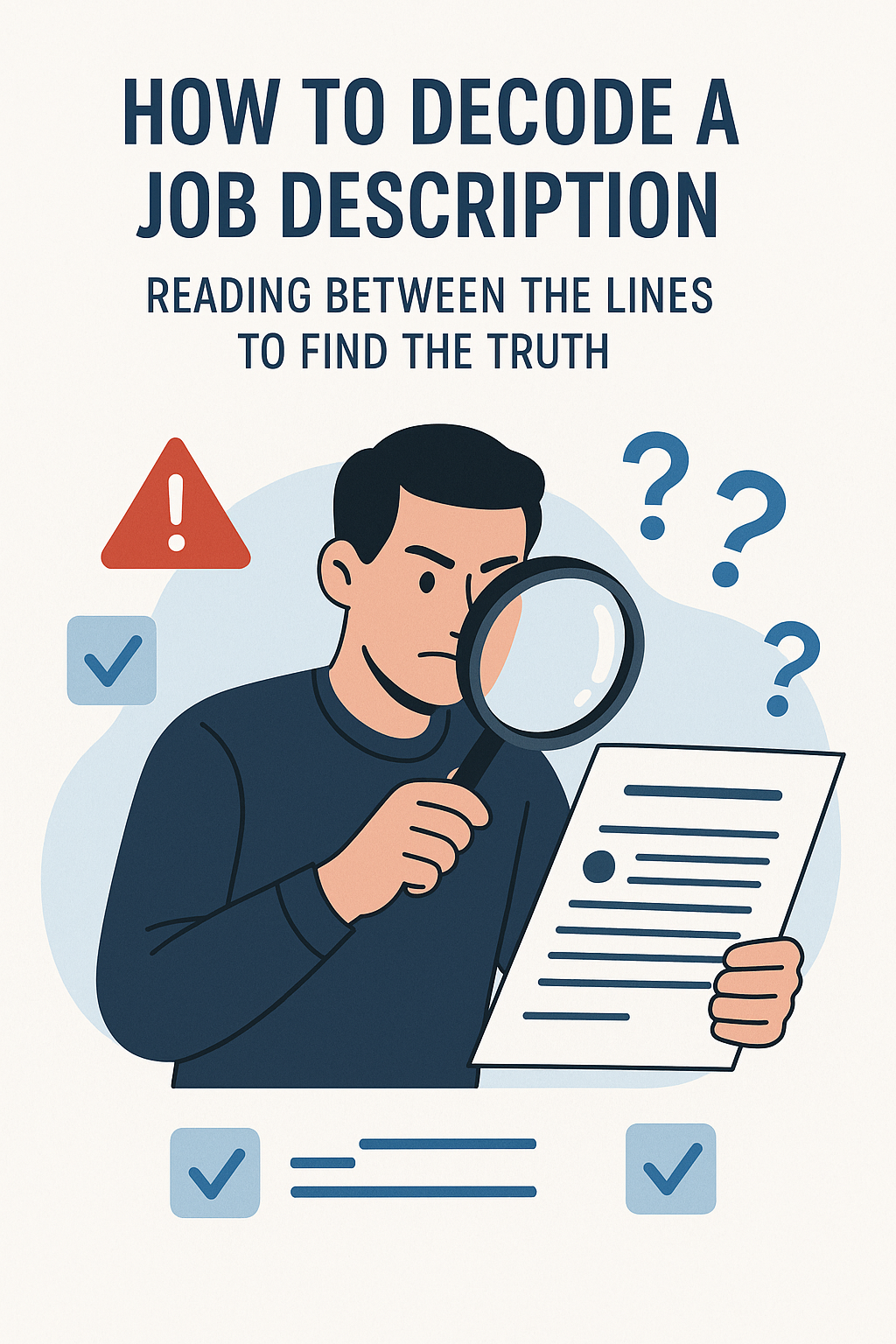
How to Decode a Job Description: Reading Between the Lines to Find the Truth
A job description (JD) is supposed to be a clear, honest summary of a role. Ideally, it tells you exactly what you’ll be doing, what skills you need, and what the company culture is like. But in reality, JDs are often messy, confusing, and filled with corporate jargon. They can be aspirational "wish lists" rather than realistic requirements, or they can be riddled with subtle code words that hint at a toxic work environment.
For a job seeker, misinterpreting a JD can lead to two major problems: 1. Self-Rejection: You don't apply because you think you're underqualified (when you're actually a perfect fit). 2. Wasted Effort: You apply for a job that turns out to be completely different from what you expected, or has a terrible culture.
Learning to "decode" a job description is a superpower. It allows you to separate the "must-haves" from the "nice-to-haves," spot the hidden red flags before you apply, and tailor your resume to hit the exact pain points the hiring manager cares about.
This guide is your decoder ring. We will break down the anatomy of a job posting, translate common corporate phrases into plain English, and show you how to find the truth hidden in the text.
The Anatomy of a JD: What Matters and What Doesn't
Most job descriptions follow a standard structure. Knowing which parts to focus on helps you skim efficiently.
- The Title: Don't get hung up on this. A "Manager" at a startup might be the same as an "Associate" at an MNC. Look at the responsibilities, not the label.
- The "About Us" Fluff: This is marketing copy. Skim it for industry context, but don't base your decision on it.
- The Responsibilities (The "What"): This is the most critical section. It tells you what you will actually do all day. Look for action verbs. If 50% of the bullets involve "reporting," "scheduling," or "coordinating," it’s an admin-heavy role, even if the title says "Strategic Manager."
- The Requirements (The "Who"): This is where candidates get discouraged. Remember: This is a wish list, not a checklist. You rarely need 100% of these. If you have 60-70% of the core skills, apply.
Translation Guide: What They Say vs. What They Mean
Corporate speak can be misleading. Here is a translation of common JD phrases.
The "Culture" Codes
- "Fast-paced environment" = We have tight deadlines, high stress, and things change constantly. Expect chaos.
- "Must be willing to wear many hats" = We are understaffed. You will be doing your job plus the job of the person we didn't hire. Common in startups.
- "Work hard, play hard" = We expect you to work long hours (often unpaid overtime), but we have a ping pong table and beer on Fridays.
- "Self-starter / Entrepreneurial mindset" = There will be very little training or guidance. You are on your own to figure it out.
- "Thick skinned / Resilient" = The boss or clients can be difficult/abusive.
The "Requirement" Codes
- "Proficient in Excel" = You need to know VLOOKUP and Pivot Tables. If you just know how to make a list, you aren't proficient.
- "Excellent communication skills" = You will be writing a lot of emails/reports or presenting to stakeholders. This is a core part of the job, not just filler.
- "Other duties as assigned" = A standard legal catch-all, but if it's high up on the list, the role is poorly defined.
How to Spot the "Must-Haves" vs. "Nice-to-Haves"
You need to know where to focus your resume tailoring. * Must-Haves: Usually the first 3-5 bullets in the requirements list. These are non-negotiable hard skills (e.g., "5+ years in Python," "CPA Certified"). If you don't have these, you will likely be filtered out by the ATS. * Nice-to-Haves: Usually listed lower down or explicitly labeled "Preferred." (e.g., "Experience with Jira is a plus"). Do not let a lack of these stop you from applying.
The Red Flag Check
Before you spend an hour tailoring your resume, scan for these warning signs: * The "Unicorn" List: Does the JD ask for expert-level skills in Coding, Marketing, Sales, and Graphic Design for an entry-level salary? They want a whole department in one person. Avoid. * Vague Responsibilities: If the responsibilities are just "Support the team" or "Help grow the business" without specifics, the company doesn't know what they need. You will likely be set up for failure. * Typo-Ridden Text: If they didn't care enough to proofread the ad, they won't care about your employee experience.
Strategy: Tailoring Your Resume to the "Truth"
Once you've decoded the JD, use your insights to sharpen your application. 1. Mirror the Language: If they call it "Client Success," don't call it "Customer Support" on your resume. Use their exact terms. 2. Prioritize the Top 3: Identify the top 3 hard skills in the "Must-Haves" section. Ensure these appear in your Professional Summary and are the first things listed in your Skills section. 3. Address the "Hidden" Needs: If the JD emphasizes "fast-paced" and "changing priorities," include a bullet point in your experience about "Adapting to shifting project scopes" or "delivering under tight deadlines." You are answering their hidden anxiety about whether you can handle the pace.
Conclusion: Read with Your Eyes Open
A job description is a window into the company's soul—if you know where to look. By reading critically and decoding the jargon, you can save yourself time, avoid toxic workplaces, and craft applications that speak directly to the hiring manager's true needs.
Don't just apply to everything. Apply to the right things. To check if your resume matches your decoded insights, run it through the JobPe ATS Check. And to find high-quality listings that are worth your time, filter your search on JobPe.
For more tools to help you work smarter, not harder, https://jobpe.com.

Creative Content Writer
More from Debojyoti Roy
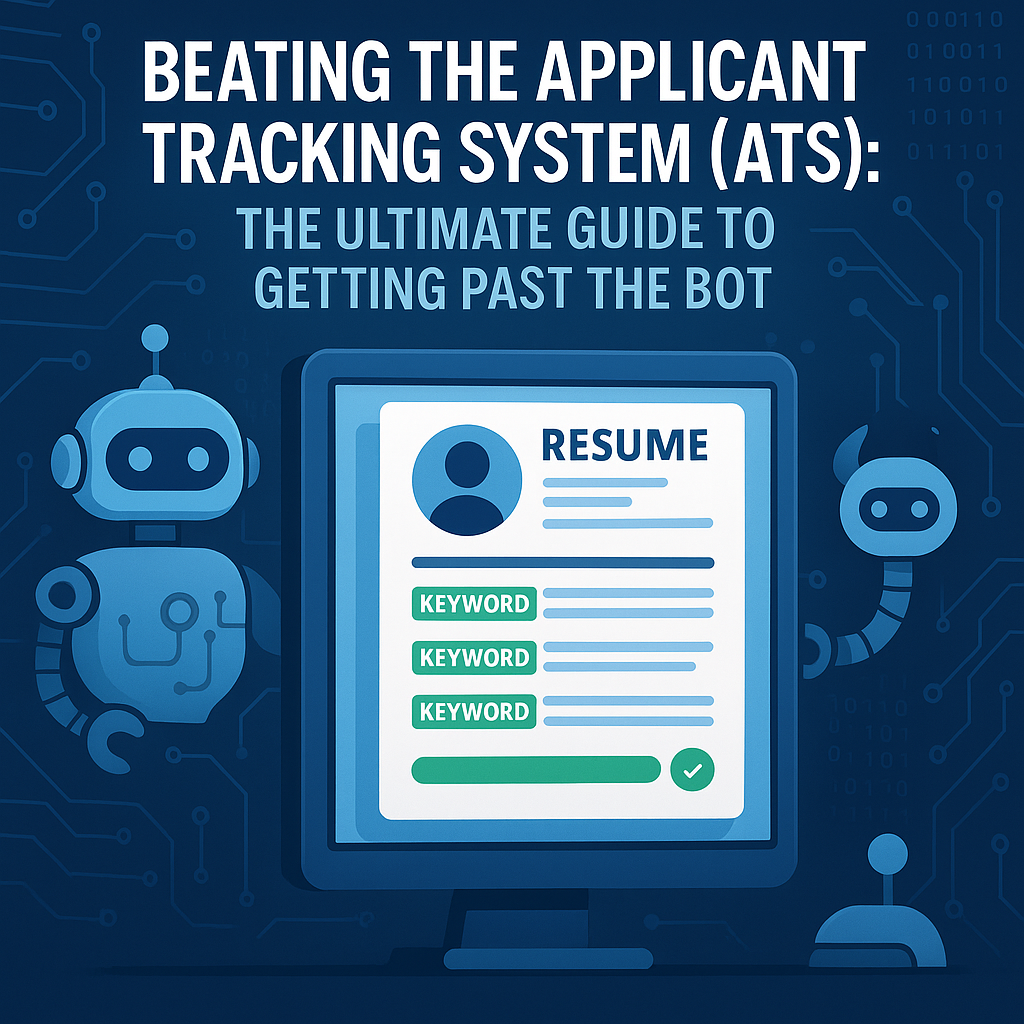
Beating the Applicant Tracking System (ATS): The Ultimate Guide to Getting Past the Bot
Is your resume getting rejected instantly? It might be the ATS. Learn how Applicant Tracking Systems work, how to format your resume to beat the bot, and the keyword strategies that get you noticed.
2025-12-10
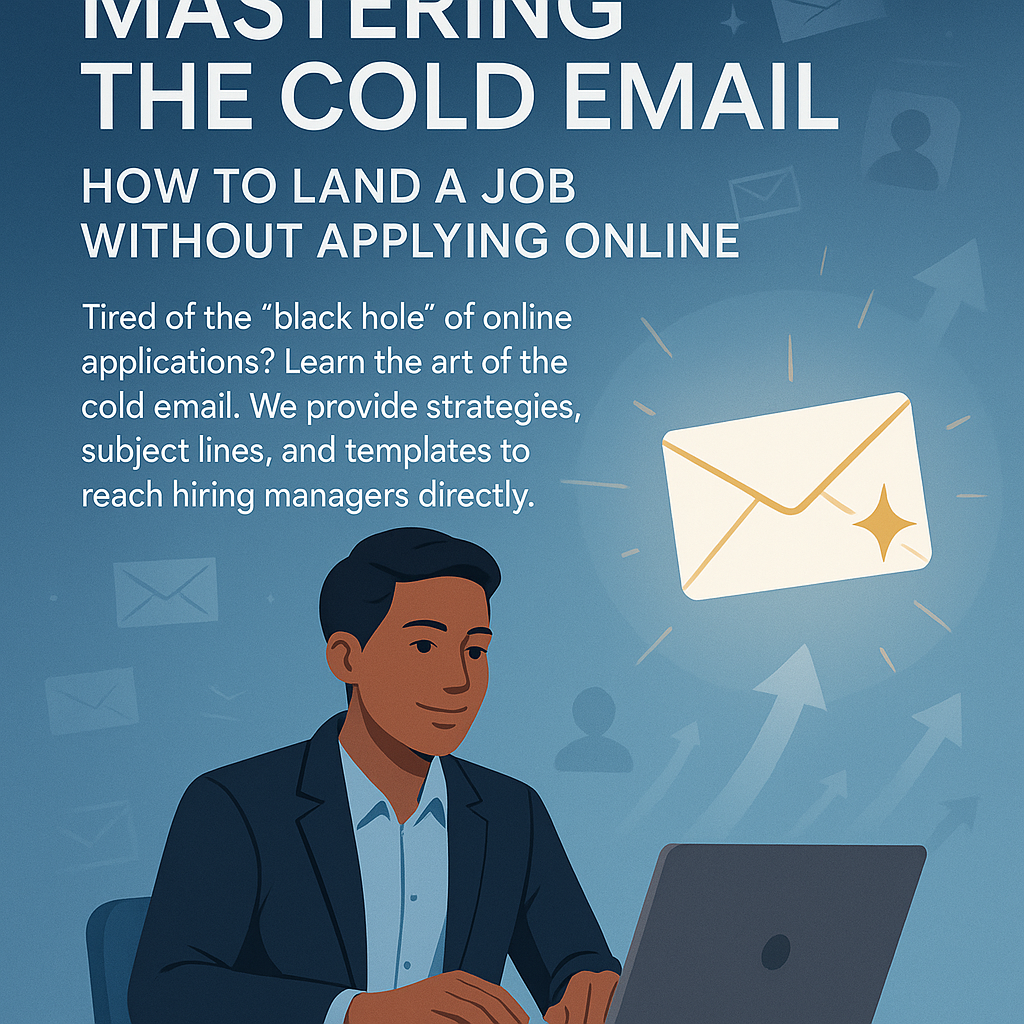
Mastering the Cold Email: How to Land a Job Without Applying Online
Tired of the "black hole" of online applications? Learn the art of the cold email. We provide strategies, subject lines, and templates to reach hiring managers directly.
2025-12-10
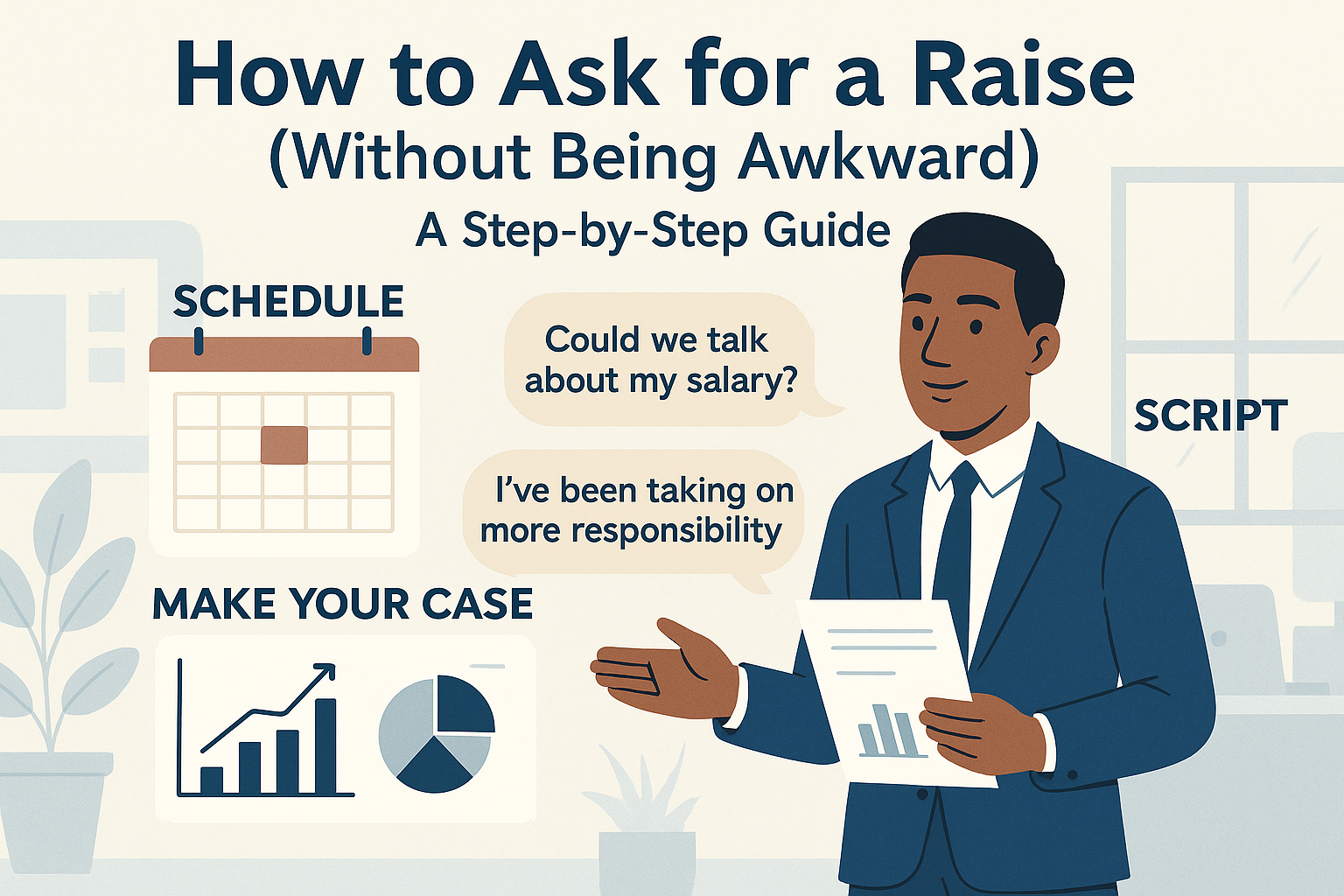
How to Ask for a Raise (Without Being Awkward): A Step-by-Step Guide
Don't wait for your annual appraisal. Learn the strategic way to ask for a raise, build your business case, and use our scripts to get the salary hike you deserve.
2025-12-10

The First 90 Days: A Strategic Plan to Impress Your New Boss
Your first 3 months in a new job determine your reputation. Use our 30-60-90 day plan to secure early wins, build relationships, and pass probation with flying colors.
2025-12-09
Background Verification (BGV) Explained: What Employers Actually Check (And What Gets You Rejected)
Worried about the background check? We decode the Background Verification (BGV) process in India, covering employment history, education checks, and how to handle discrepancies.
2025-12-09