


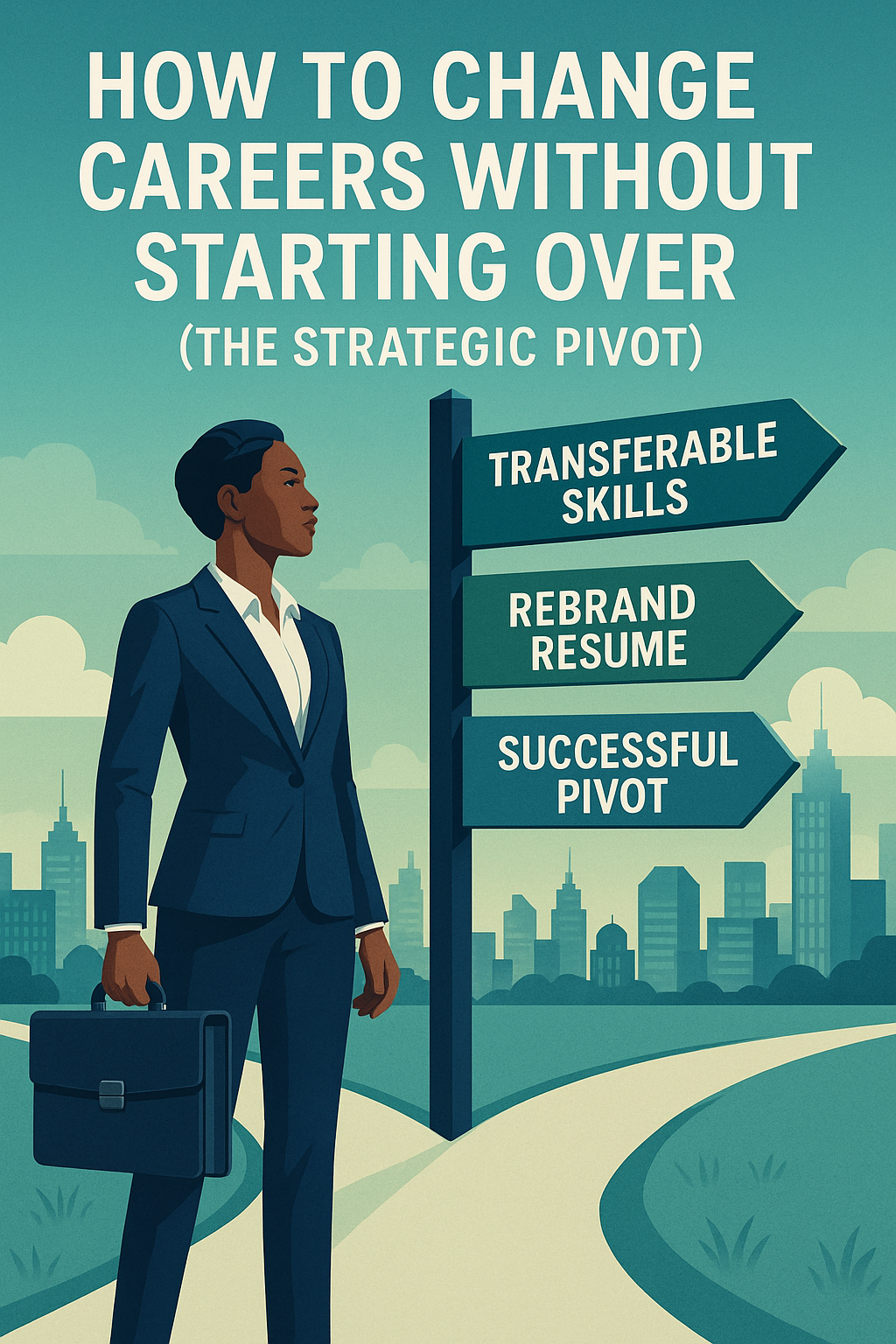
How to Change Careers Without Starting Over (The Strategic Pivot)
You wake up on Monday morning and dread going to work. Not because you are tired, but because you realize you are on the wrong path.
Maybe you chose your current career at 21 because your parents wanted it. Maybe the industry has changed and is now dying. Or maybe you have just lost the passion you once had.
You want to leave, but you are paralyzed by the "Sunk Cost Fallacy." * "I've spent 8 years in Sales. If I switch to HR now, I'll have to start as an intern." * "I can't afford to take a 50% pay cut."
Here is the good news: Changing careers does not mean starting from zero.
You are not an undergraduate with no experience. You are a professional with years of "Transferable Skills"—soft skills, leadership, and operational knowledge that apply to every industry.
The secret to a successful switch isn't to go back to the starting line; it's to build a bridge to a new lane. This is called the Strategic Pivot.
This guide will teach you how to translate your old experience into new opportunities and convince recruiters that you are the perfect fit for a job you have never technically held.
Step 1: Identify Your "Transferable Skills" (The Rosetta Stone)
You need to stop defining yourself by your Job Title and start defining yourself by your Skills.
- Job Title: "High School Teacher" -> Transferable Skills: Public Speaking, Curriculum Design, Conflict Resolution, Stakeholder Management (Parents).
- Job Title: "Sales Representative" -> Transferable Skills: Persuasion, Data Analysis, CRM Management, Client Relations.
The Action: List every task you do daily. Now, rename it to corporate-speak that applies to your target industry. * Example: If you are a Chef moving to Project Management: * Chef Task: "Cooking 50 meals at once." * PM Skill: "Managing high-volume deliverables under strict time constraints and quality control standards."
Step 2: The "Bridge Role" Strategy
Do not try to jump the Grand Canyon in one leap. If you want to move from Sales in Retail to Product Management in Tech, that is a huge jump. You likely won't get hired immediately.
Use a "Bridge Role." Find a halfway point.
- The Path: Retail Sales -> Tech Sales (Bridge) -> Product Management.
- Why it works: In the Bridge Role (Tech Sales), you learn the industry language and network with Product Managers internally. Once you are inside the building, the lateral move to Product is much easier than applying from the outside.
Step 3: Rebrand Your Resume (The Functional Format)
Your standard chronological resume will hurt you here because it highlights your past (which is irrelevant) rather than your skills.
Switch to a Hybrid or Functional Resume. * Summary: Start with a strong "Career Objective" explaining the pivot. "Experienced Sales Leader pivoting to Human Resources, bringing 8 years of negotiation and people-management expertise..." * Skill Buckets: Instead of listing jobs first, list "Core Competencies." * Category 1: Strategic Planning * Category 2: Data Analysis * Category 3: Team Leadership * Work History: Move this to the bottom. Focus on achievements, not responsibilities.
Step 4: The Narrative (Your "Why")
Recruiters are risk-averse. They worry you are switching just because you are bored or "couldn't hack it" in your old job. You need a compelling story.
The Script:
"I’ve spent the last 5 years in Digital Marketing, where I loved analyzing user data. However, I realized that my favorite part of the job wasn't running the ads, but building the tools that make the ads work. That’s why I’ve spent the last year learning Python and SQL. I’m now looking to pivot into Data Analytics to focus 100% on the part of the work I excel at."
Why it works: It frames the change as a "doubling down on strengths," not "running away from weakness."
Step 5: Network (Don't Apply Cold)
Applying online for a career change is almost impossible. The ATS bot will reject you because you lack the specific keywords for the last 5 years.
You need a human to vouch for you. * Find people in your target role on LinkedIn. * The Ask: "I see you moved from Marketing to UX Design a few years ago. I’m attempting the same pivot. Could I ask how you navigated the portfolio requirement?" * People love talking about their own career pivots. They will likely give you the roadmap and maybe a referral.
Step 6: Close the Gap (Upskill)
You probably do lack some hard skills. Don't hide it. Fix it. * Need to know SQL? Take a weekend course. * Need to know Figma? Build a mock project. * The Portfolio: Create a "Side Project" that proves you can do the job. If you want to be a writer, start a blog. If you want to be a coder, build an app. Show, don't tell.
Conclusion: It’s Never Too Late
The average person changes careers 5-7 times in their life. The idea that you have to stay in the lane you picked at age 22 is obsolete.
Employers value perspective. A Project Manager who used to be an Engineer is valuable. A Sales Director who used to be a Teacher is valuable.
Your diverse background is not a bug; it is a feature. Package it correctly, and you won't just find a new job; you will find a new life.
To start rebranding your profile for your new industry, check out the specialized templates on the JobPe Resume Builder.
For more inspiration on career transitions, https://jobpe.com.

Creative Content Writer
More from Debojyoti Roy
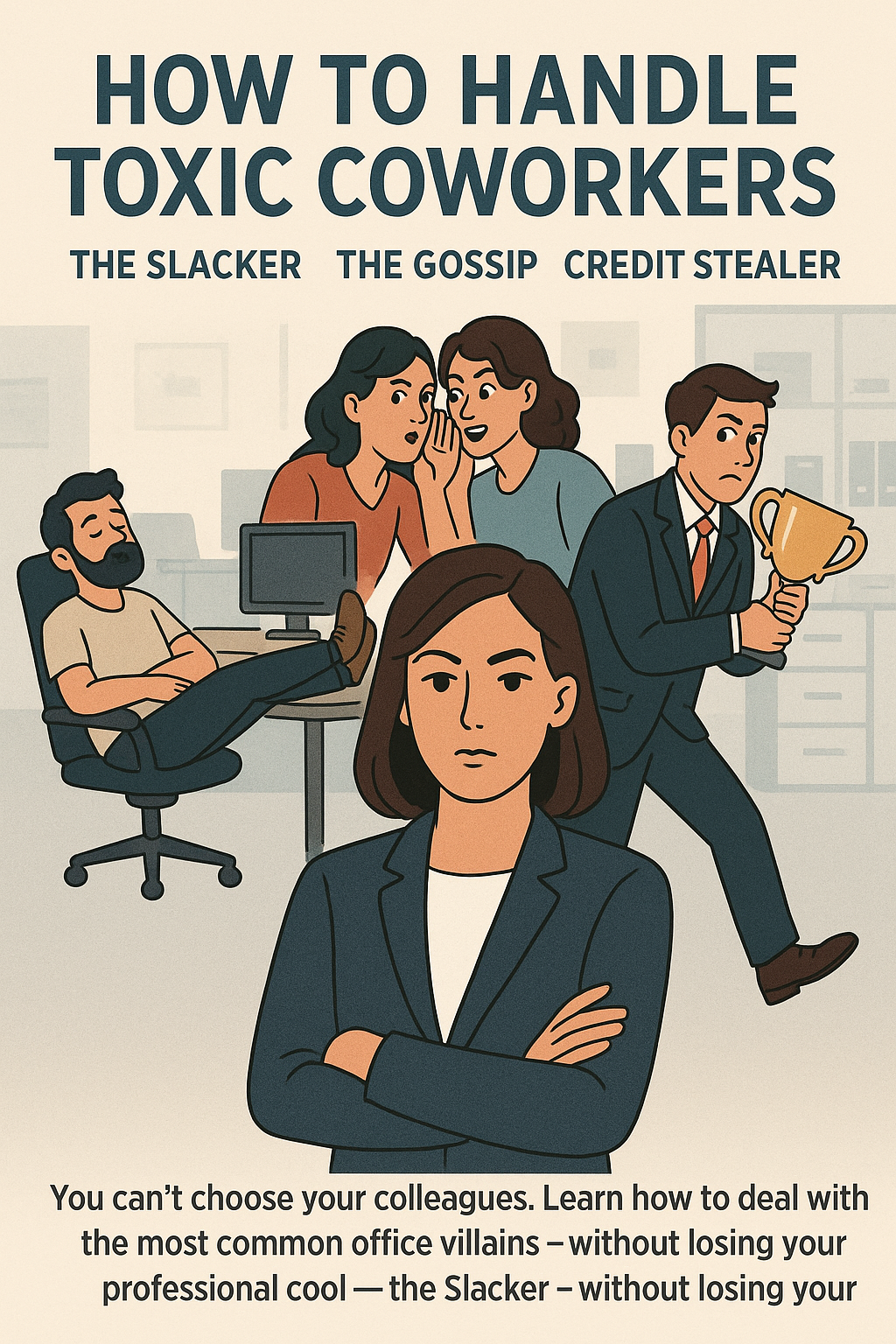
How to Handle Toxic Coworkers: The Slacker, The Gossip, and The Credit Stealer
You can't choose your colleagues. Learn how to deal with the most common office villains—the Credit Stealer, the Chronic Complainer, and the Slacker—without losing your professional cool.
2026-01-20
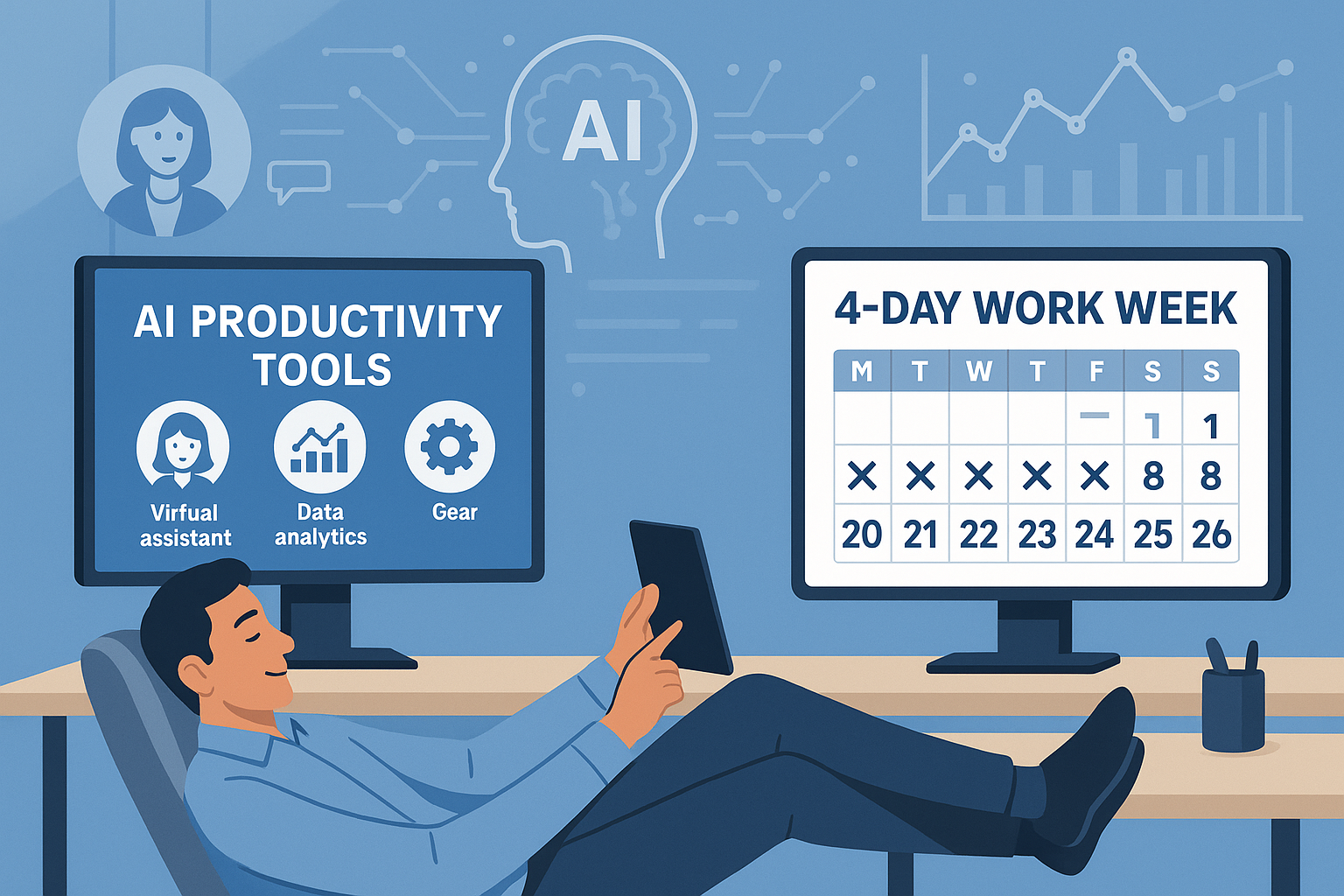
The 4-Day Work Week: Will AI Finally Make It a Reality?
Can Artificial Intelligence unlock the 4-day work week? We analyze how AI productivity tools could shorten the work week, the economic obstacles standing in the way, and how to position yourself for an output-based career.
2026-01-20
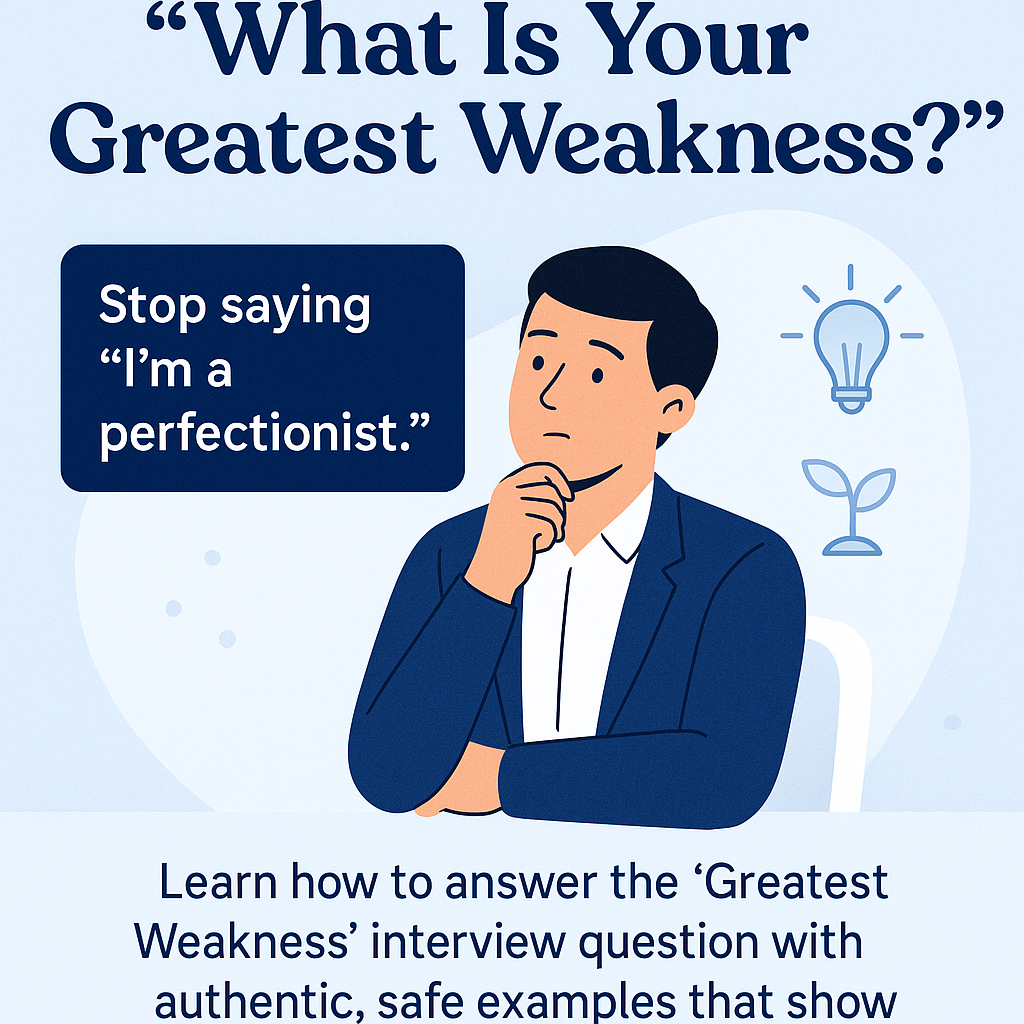
Best Answer to "What Is Your Greatest Weakness?"
Stop saying "I'm a perfectionist." Learn how to answer the "Greatest Weakness" interview question with authentic, safe examples that show growth and self-awareness.
2026-01-19
How to Ask for a Referral on LinkedIn (3 Proven Scripts)
Stop getting rejected by the ATS. Employee referrals are 4x more likely to get hired. Learn the psychology of the "ask" and use our copy-paste scripts to get referred today.
2026-01-08
Video Interview Tips: How to Ace Your Zoom & Teams Interview |
Nervous about your virtual interview? From lighting hacks to eye contact secrets, master these 7 video interview tips to look professional on Zoom, Google Meet, or Teams.
2026-01-08