


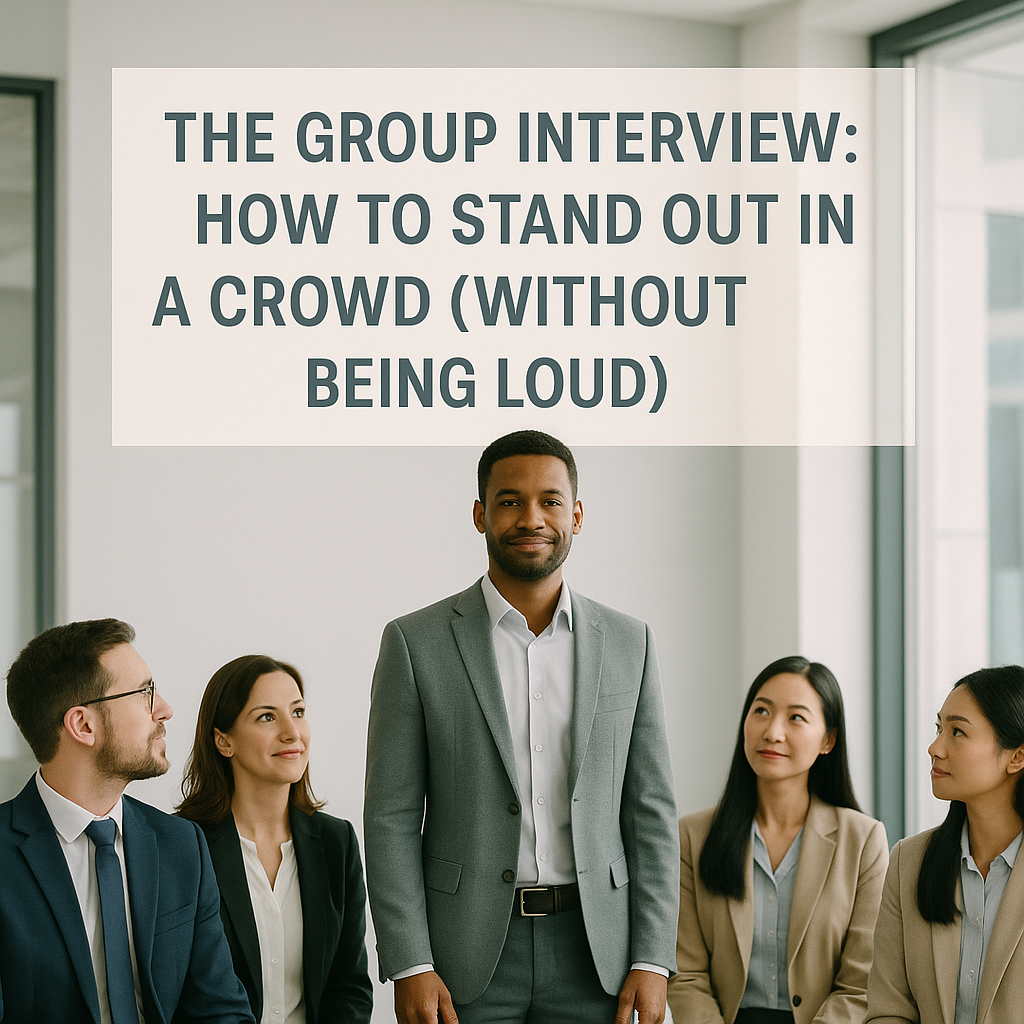
The Group Interview: How to Stand Out in a Crowd (Without Being Loud)
You arrive for your interview, expecting a one-on-one conversation. instead, you are ushered into a room with five, ten, or even twenty other candidates. The recruiter announces, "Today, we will be conducting a group interview."
For many job seekers, this is a nightmare scenario. The Group Interview feels less like a professional meeting and more like a reality TV competition. You are suddenly pitted directly against your rivals in real-time. The loud extroverts immediately start dominating the conversation, the quiet candidates shrink into the background, and everyone is fighting for the limited attention of the hiring managers.
Companies use group interviews (especially for roles in sales, customer service, and graduate schemes) for efficiency, but more importantly, to see how you play with others. They are testing your interpersonal skills, your leadership style, and your ability to collaborate under pressure.
The biggest misconception candidates have is that they need to be the loudest voice in the room to win. This is false. Recruiters are rarely looking for the person who interrupts everyone else. They are looking for the facilitator, the listener, and the inclusive leader.
This guide is your survival kit for the group interview. We will break down the different formats you might face, provide strategies for both introverts and extroverts, and show you exactly how to shine without shouting.
The Two Types of Group Interviews
Not all group interviews are the same. You need to identify which game you are playing.
1. The Panel-Style Group Interview
- The Format: Multiple candidates are seated in a row or circle, and interviewers take turns asking questions to the group or individuals.
- The Challenge: Standing out when answering the same question as five other people.
- The Strategy: Build, Don't Repeat. If you are answering last, don't just say "I agree with Sarah." Say, "I really liked Sarah's point about customer empathy. To build on that, I believe that..." Add a new dimension or a specific personal example.
2. The Activity-Based Group Interview
- The Format: The group is given a problem to solve, a role-play scenario, or a task (e.g., "Build a tower out of straws," "Debate this topic").
- The Challenge: Demonstrating teamwork while also showcasing individual leadership.
- The Strategy: Focus on Process, Not Product. The recruiters don't care about the straw tower. They care about how you built it. Did you listen? Did you plan? Did you handle conflict?
How to Stand Out (The "Servant Leader" Approach)
The secret to winning a group interview is to adopt the role of a "Servant Leader." This means you lead by helping the group succeed, rather than trying to beat them.
1. Be the First to Include Others
In a group activity, look for the quietest person in the room. Ask them, "What do you think, Arjun?" or "Priya, you had a great idea earlier, should we try that?" * Why it wins: Recruiters love this. It shows confidence, empathy, and true leadership. You are demonstrating that you care about the team's best ideas, not just your own.
2. The "Timekeeper" and "Scribe" Roles
If the group is chaotic, take a functional role. * Say: "We only have 10 minutes left. Shall we spend the next 2 minutes brainstorming and then 8 minutes building?" * Why it wins: It brings order to chaos without being bossy. It positions you as the project manager.
3. Body Language is Louder than Words
When you aren't speaking, you are still being interviewed. * Active Listening: Nod when others speak. Maintain eye contact with the speaker (not just the recruiter). * Open Posture: Don't cross your arms. Lean in. Smile. * Note Taking: Jotting down others' points shows respect and engagement.
Tips for Introverts: Quality Over Quantity
If you are shy, a group interview can feel overwhelming. You do not need to become an extrovert to win. * Speak Early: Try to make one comment in the first 5 minutes. The longer you wait, the harder it becomes to break the silence. * Be the Synthesizer: Let the loud people throw out 20 ideas. Then, step in and say, "It sounds like we have three main themes here: A, B, and C. Maybe we should focus on B because..." This is a high-value contribution that requires very little "airtime."
What to Avoid (The Red Flags)
Recruiters are actively looking to weed out people with these behaviors: * The Interrupter: Never cut someone off. If you accidentally do, apologize immediately: "Sorry, please go ahead." * The Dominator: Do not try to control every aspect of the task. * The Ghost: Do not stay completely silent. You must contribute something verbal to be evaluated. * The "Trash Talker": Never put down another candidate's idea to make yours look better. "That won't work" is bad. "That's an interesting approach, but have we considered..." is good.
Conclusion: Collaborative Competition
The group interview is a paradox: you are competing with people to compete against them. The winner is usually the person who makes the group better.
Walk into the room with a mindset of curiosity and collaboration. Introduce yourself to the other candidates before the interview starts. Learn their names. Treat them like colleagues, not enemies. By being the person who brings energy, structure, and inclusivity to the room, you will naturally draw the recruiters' attention for all the right reasons.
Once you ace the group round, you'll likely move to a one-on-one interview. Prepare for that next step by reviewing our Top 10 Interview Questions.
For more tools to help you navigate every type of interview, https://jobpe.com.

Creative Content Writer
More from Debojyoti Roy
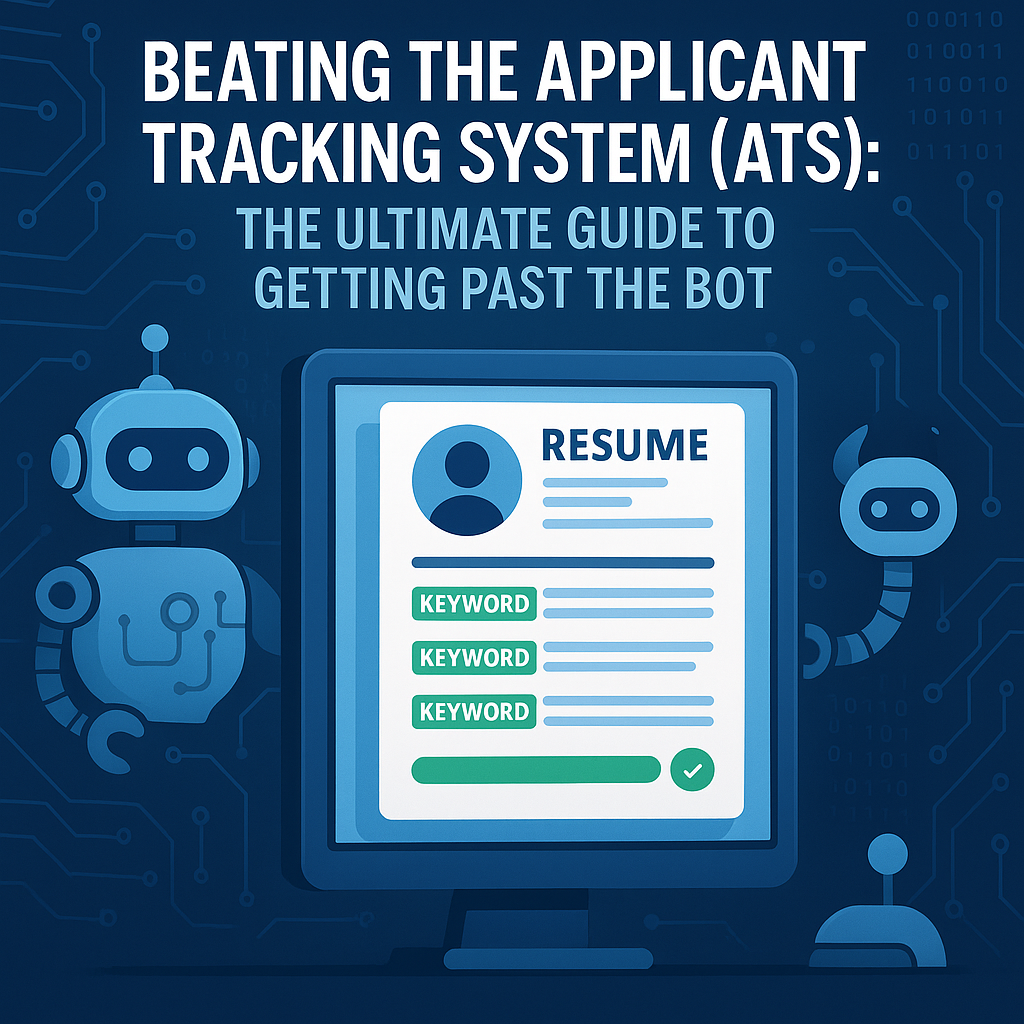
Beating the Applicant Tracking System (ATS): The Ultimate Guide to Getting Past the Bot
Is your resume getting rejected instantly? It might be the ATS. Learn how Applicant Tracking Systems work, how to format your resume to beat the bot, and the keyword strategies that get you noticed.
2025-12-10
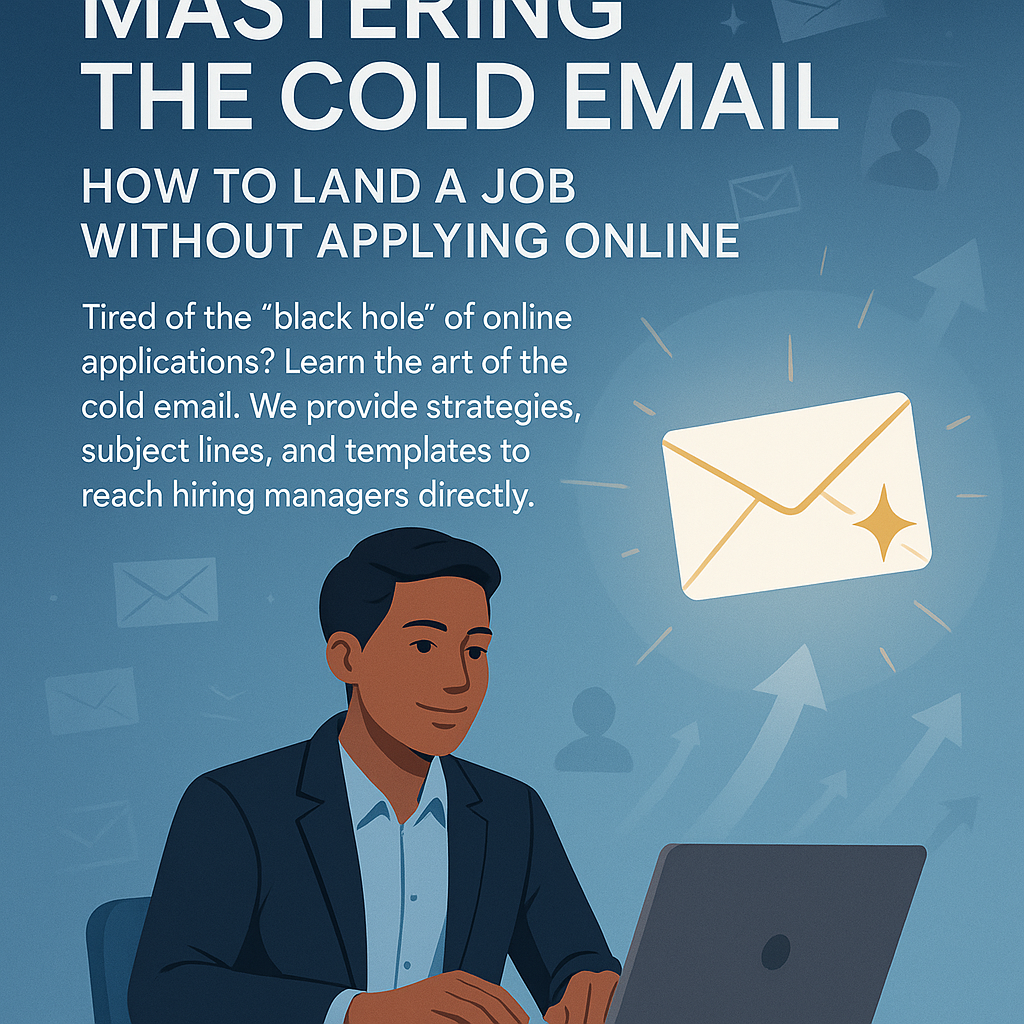
Mastering the Cold Email: How to Land a Job Without Applying Online
Tired of the "black hole" of online applications? Learn the art of the cold email. We provide strategies, subject lines, and templates to reach hiring managers directly.
2025-12-10
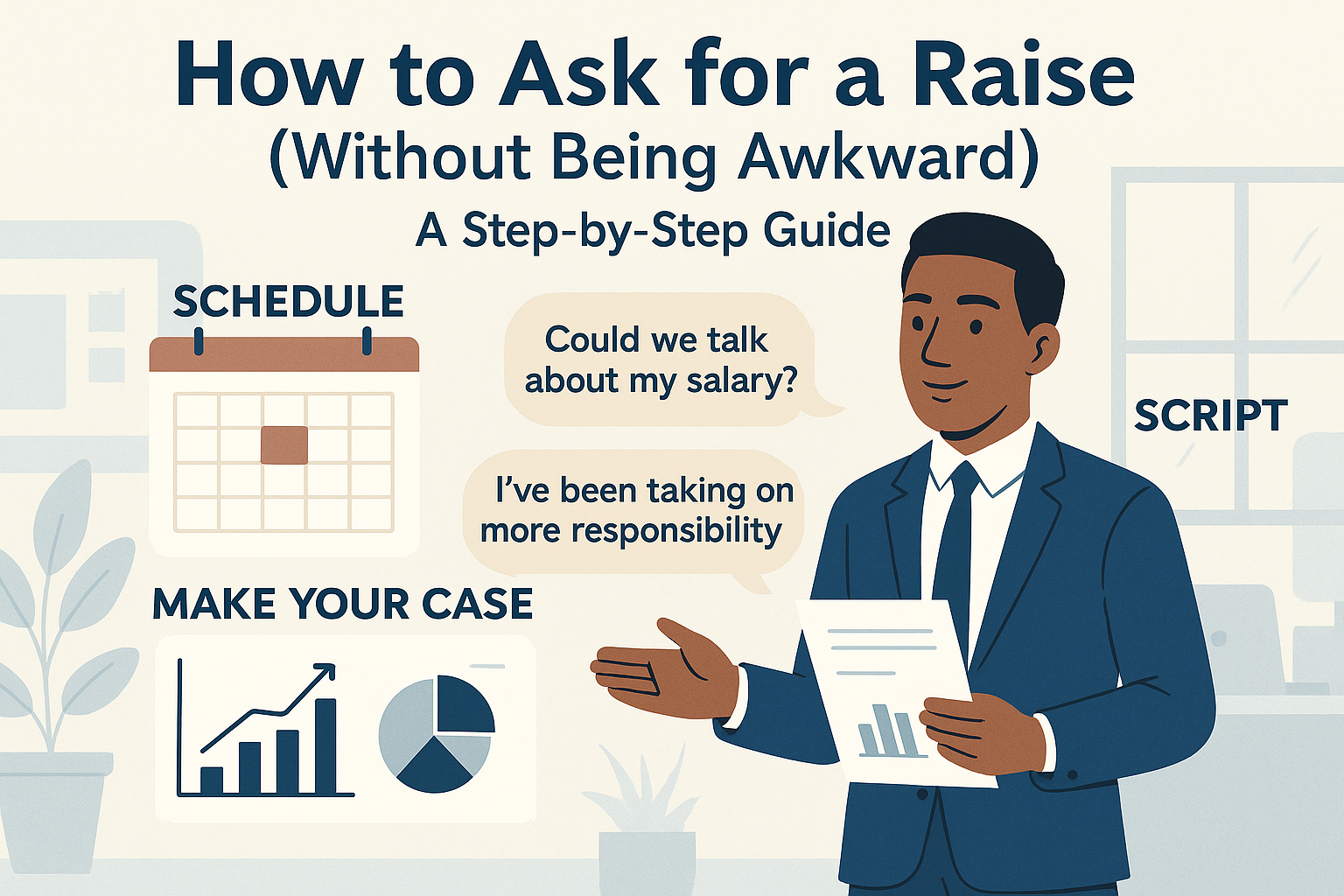
How to Ask for a Raise (Without Being Awkward): A Step-by-Step Guide
Don't wait for your annual appraisal. Learn the strategic way to ask for a raise, build your business case, and use our scripts to get the salary hike you deserve.
2025-12-10
The First 90 Days: A Strategic Plan to Impress Your New Boss
Your first 3 months in a new job determine your reputation. Use our 30-60-90 day plan to secure early wins, build relationships, and pass probation with flying colors.
2025-12-09
Background Verification (BGV) Explained: What Employers Actually Check (And What Gets You Rejected)
Worried about the background check? We decode the Background Verification (BGV) process in India, covering employment history, education checks, and how to handle discrepancies.
2025-12-09