


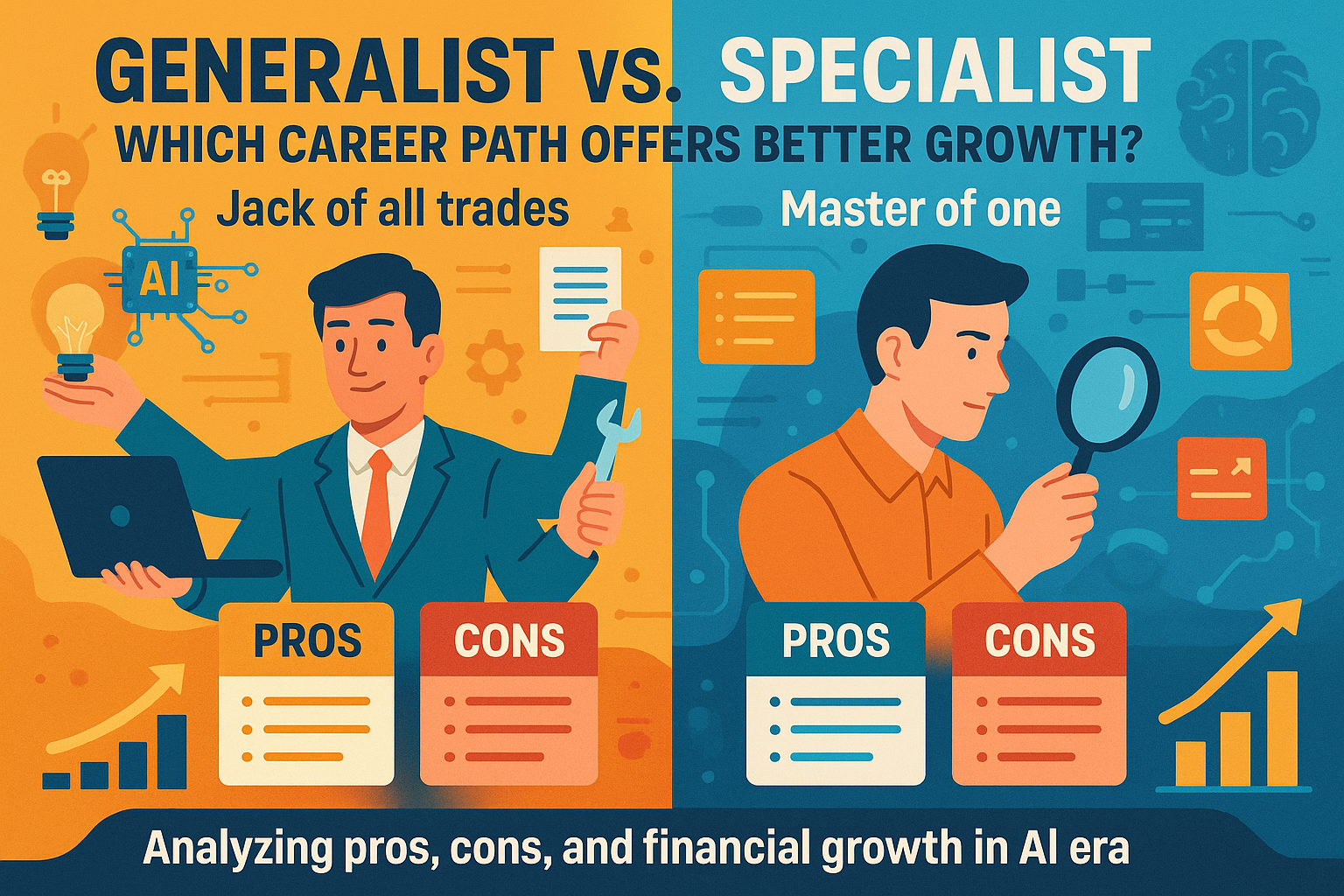
Generalist vs. Specialist: Which Career Path Offers Better Long-Term Growth?
For generations, the prevailing wisdom in the professional world has been clear: "Niche down." To succeed, you were told to pick a lane, deepen your expertise, and become the go-to person for a specific thing. The "Jack of all trades, master of none" was a cautionary tale—a warning against spreading yourself too thin.
However, the rapidly evolving landscape of the 2026 economy—driven by Artificial Intelligence, automation, and cross-functional agility—is challenging this age-old dogma. The rigid silos of the past are breaking down. Today, we see "Full-Stack" developers who understand design, marketing managers who write code, and CEOs who started in customer support.
This shift has reignited one of the most critical debates in career strategy: Is it better to be a Specialist (Deep) or a Generalist (Broad)?
This is not just a philosophical question; it is a financial and strategic one. It dictates what skills you learn, what roles you accept, and how you position yourself in the market. Does the specialist command the higher premium? Or does the generalist possess the agility to survive in a world of constant disruption?
This article provides an analytical breakdown of both paths. We will examine the economic incentives, the career trajectories, and the future viability of each model to help you determine which strategy aligns with your long-term goals.
The Case for the Specialist: The "Depth" Strategy
A Specialist focuses on mastering a specific domain, tool, or industry. Think of a Neurosurgeon, a Patent Lawyer, or a Blockchain Developer.
The Economic Advantage (Early to Mid-Career)
- The Premium on Expertise: In the early and mid-stages of a career, specialization almost always wins on salary. When a company has a specific, expensive pain point (e.g., "We need to migrate our database to the cloud"), they will pay a premium for the expert who can solve exactly that problem. Supply and demand work in the specialist's favor.
- Clear Career Trajectory: The path is linear and predictable. Junior Analyst -> Senior Analyst -> Lead Analyst -> Principal Analyst. You know exactly what certification or skill you need to reach the next rung.
- Reduced Competition: As you niche down, the pool of competitors shrinks. You are not competing with every "marketer"; you are competing with the handful of "B2B SaaS Demand Generation Specialists."
The Strategic Risks
- The "Pigeonhole" Effect: It can be difficult to pivot. If you are known only for one thing, employers may struggle to see your potential for broader leadership roles that require cross-functional understanding.
- Obsolescence: This is the greatest danger. If your niche is disrupted by technology (e.g., AI automating code generation or translation), your entire value proposition can evaporate overnight. The narrower the niche, the higher the risk.
The Case for the Generalist: The "Breadth" Strategy
A Generalist possesses a wide array of skills across different disciplines. They may not be the top expert in any single one, but they understand how they all connect. Think of a Founder, a Product Manager, or a Chief of Staff.
The Strategic Advantage (Long-Term & Leadership)
- Connecting the Dots: Innovation rarely happens in a silo; it happens at the intersection of disciplines. A generalist can see how a marketing decision impacts engineering timelines or how a sales strategy affects customer support. This "systems thinking" is the primary requirement for C-Suite leadership.
- Agility and Resilience: Generalists are career survivors. If one skill becomes obsolete, they have five others to fall back on. They can pivot industries and roles with relative ease because their core skills (communication, critical thinking, project management) are transferable.
- The "Wiki" Value: In a team, the generalist often acts as the translator between specialists (e.g., helping the engineers talk to the sales team). This makes them the indispensable "glue" of an organization.
The Economic Risks
- The "Slow Start": Generalists often struggle in the early years. Entry-level job descriptions are usually written for specialists ("Must know Java"). A generalist resume can look unfocused or "all over the place" to a junior recruiter.
- The "Master of None" Stigma: You may constantly battle imposter syndrome, feeling like you aren't "good enough" at any one thing compared to your specialist peers.
The Future: The Rise of the "T-Shaped" Professional
The binary choice between Generalist and Specialist is becoming a false dichotomy. The market is increasingly rewarding a hybrid model: The T-Shaped Professional.
- The Vertical Bar (Depth): You have deep, expert-level knowledge in one core area. This is your "hook" that gets you hired and builds your credibility (e.g., you are an expert Copywriter).
- The Horizontal Bar (Breadth): You have a broad, working knowledge of adjacent disciplines. (e.g., You also understand SEO, HTML, UX Design, and Analytics).
Why the "T-Shape" Wins in 2026
In an AI-driven world, the vertical bar (pure technical execution) is the easiest part to automate. AI can write code, draft contracts, and diagnose diseases. However, AI struggles with the horizontal bar—context, empathy, and connecting disparate ideas.
A T-Shaped professional uses their depth to understand the quality of the work and their breadth to apply it strategically. They are the specialists who can lead, or the leaders who actually understand the work.
Decision Framework: Which Path is for You?
Lean towards Specialist if: * You love deep focus and "flow state" work. * You prefer clear rules and defined problems. * You want to maximize earnings in the short-to-medium term. * You are passionate about the craft of your work (coding, writing, designing).
Lean towards Generalist if: * You get bored easily and love variety. * You are fascinated by the "big picture" and business strategy. * You enjoy people management and connecting teams. * You are aiming for general management or entrepreneurial roles (CEO, COO, Founder).
Conclusion: The Pendulum Swings
Your career is long. Many successful professionals start as specialists to build credibility and financial security, and then broaden into generalists as they move into management. Others start as generalists (in startups) and then find a niche they love.
The most dangerous position is to be a specialist in a dying field or a generalist with no tangible skills. Whether you go deep or broad, the goal is to remain relevant. Build your T-shape. Cultivate a depth that gets you in the door, but build the breadth that lets you own the building.
To see which companies value your specific mix of depth and breadth, explore the diverse roles on JobPe and use the JobPe Resume Builder to highlight your unique "T-Shape" to recruiters.

Creative Content Writer
More from Debojyoti Roy
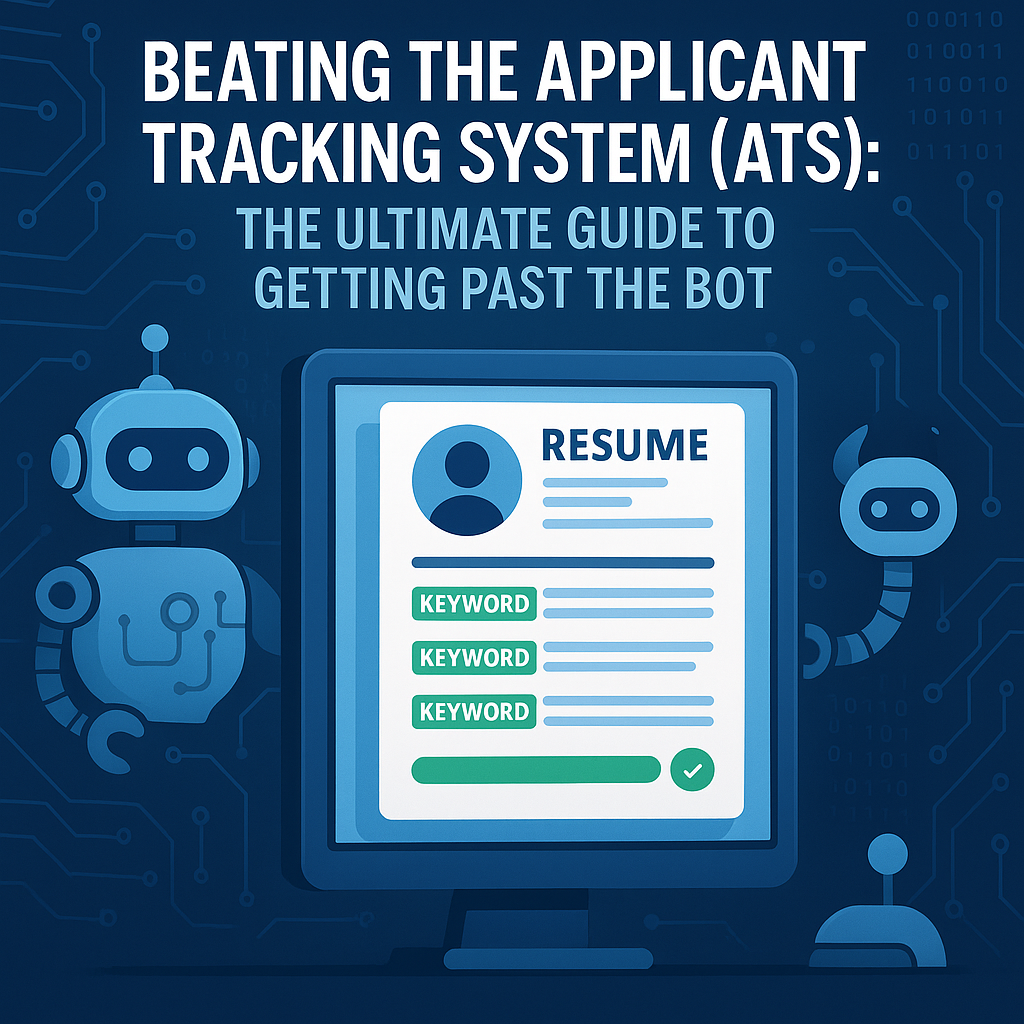
Beating the Applicant Tracking System (ATS): The Ultimate Guide to Getting Past the Bot
Is your resume getting rejected instantly? It might be the ATS. Learn how Applicant Tracking Systems work, how to format your resume to beat the bot, and the keyword strategies that get you noticed.
2025-12-10
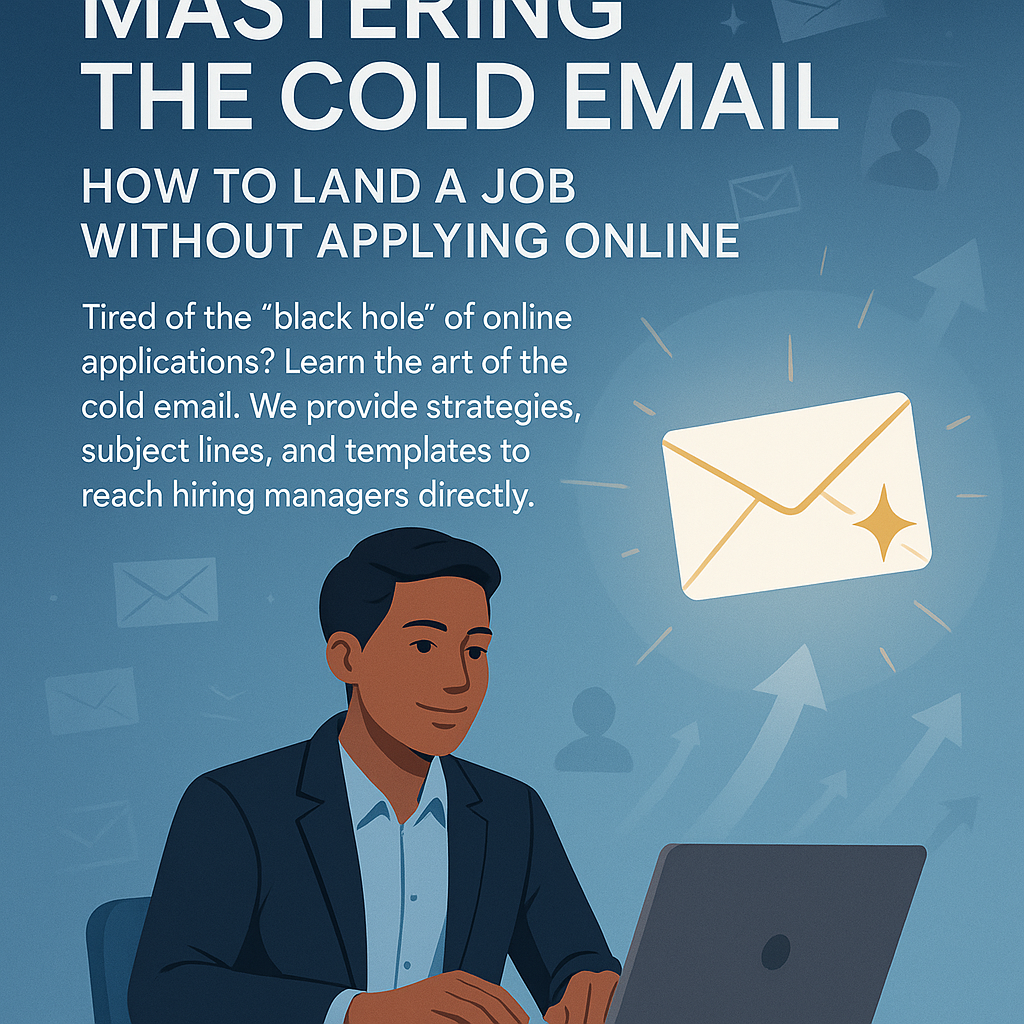
Mastering the Cold Email: How to Land a Job Without Applying Online
Tired of the "black hole" of online applications? Learn the art of the cold email. We provide strategies, subject lines, and templates to reach hiring managers directly.
2025-12-10
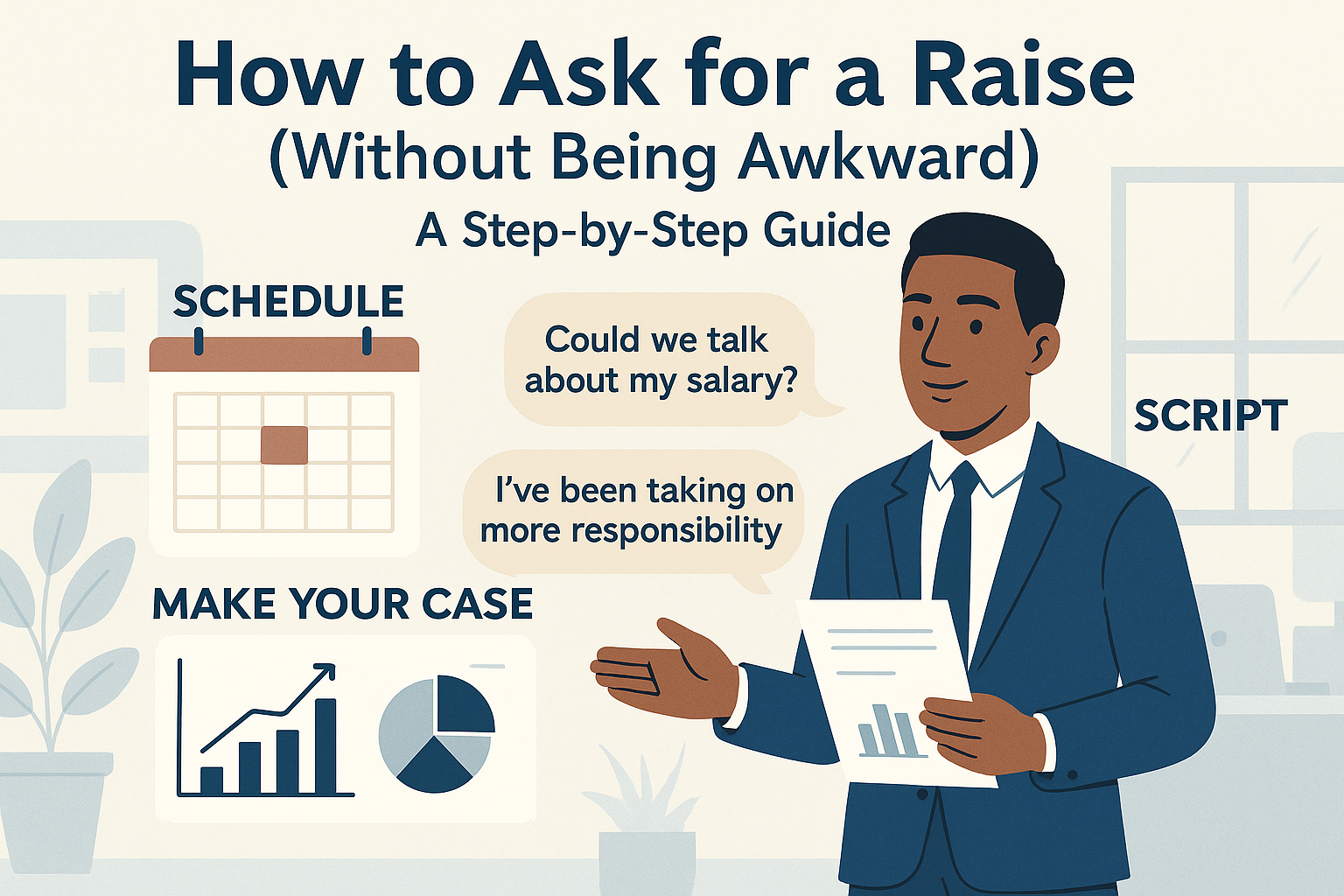
How to Ask for a Raise (Without Being Awkward): A Step-by-Step Guide
Don't wait for your annual appraisal. Learn the strategic way to ask for a raise, build your business case, and use our scripts to get the salary hike you deserve.
2025-12-10

The First 90 Days: A Strategic Plan to Impress Your New Boss
Your first 3 months in a new job determine your reputation. Use our 30-60-90 day plan to secure early wins, build relationships, and pass probation with flying colors.
2025-12-09
Background Verification (BGV) Explained: What Employers Actually Check (And What Gets You Rejected)
Worried about the background check? We decode the Background Verification (BGV) process in India, covering employment history, education checks, and how to handle discrepancies.
2025-12-09