


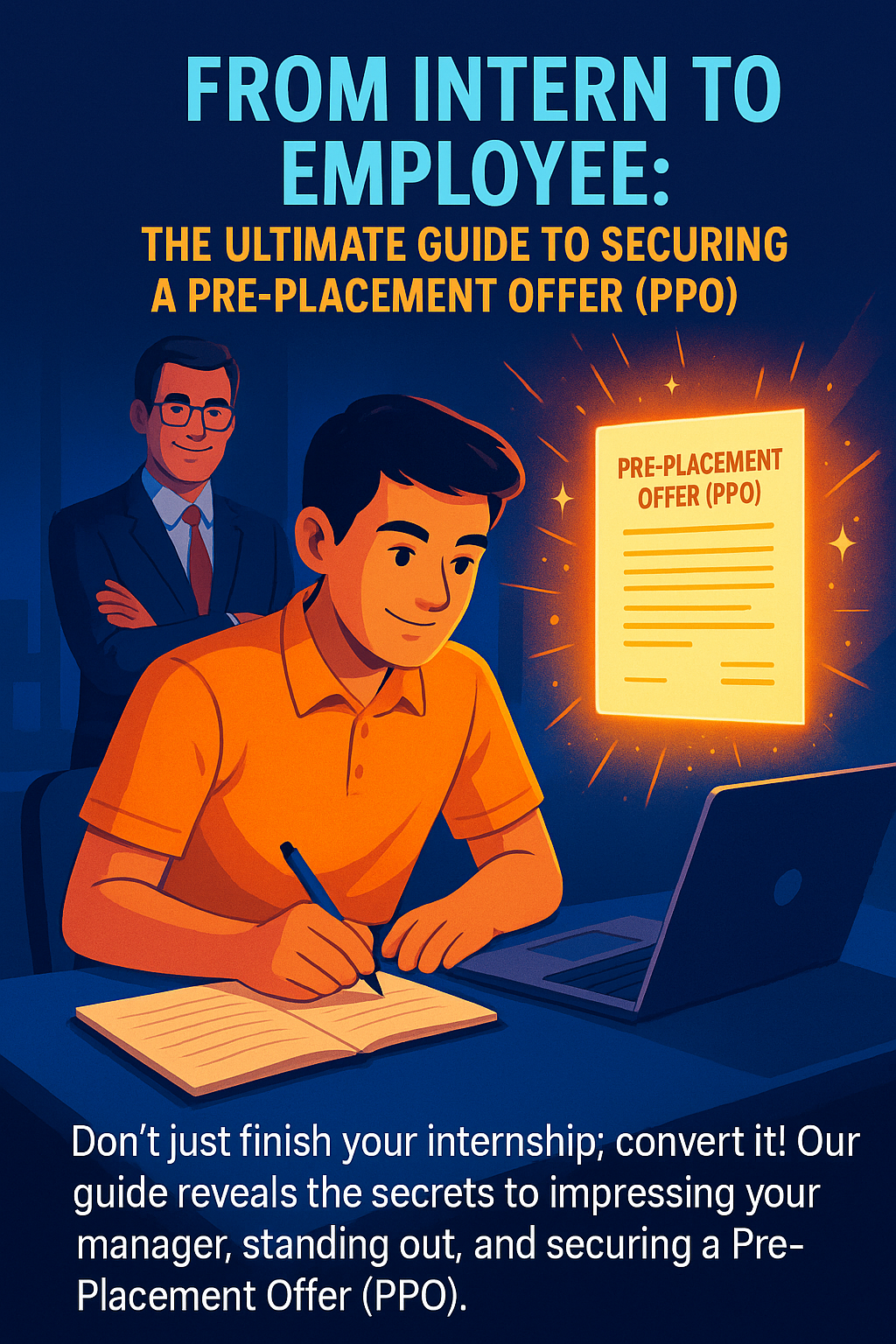
From Intern to Employee: The Ultimate Guide to Securing a Pre-Placement Offer (PPO)
For university students, landing a summer internship at a top company is a major victory. It’s a chance to gain real-world experience, build your network, and add a prestigious name to your resume. But for the truly strategic student, an internship is not just a two-month learning experience; it is a two-month-long job interview.
The ultimate prize of an internship is the Pre-Placement Offer (PPO). This is a formal job offer extended to an intern before the official campus placement season begins. Securing a PPO is the "golden ticket" of the fresher world. It means you walk into your final year of college with a job already in hand, freeing you from the immense stress, competition, and uncertainty of the placement process.
Companies love PPOs because they are a low-risk way to hire. They have already "test-driven" your skills and cultural fit. But they don't hand them out to everyone. You have to earn it. Being a "good" intern who quietly does their work is rarely enough. To convert your internship into a full-time offer, you need to be exceptional, visible, and strategic.
This guide is your playbook for turning a temporary gig into a permanent career. We will move beyond generic advice like "work hard" and provide you with actionable strategies to impress your stakeholders, deliver undeniable value, and position yourself as an indispensable member of the team.
Phase 1: The Setup (Weeks 1-2)
Your PPO journey starts on Day 1. You need to set the stage for success immediately.
1. Define Success Explicitly
Don't guess what your manager wants. Ask. In your first week, schedule a meeting to set goals. * The Question: "What specific outcomes or projects would you need to see from me by the end of this internship for you to consider it a massive success?" * The Goal: Get tangible, measurable targets. This becomes your PPO checklist.
2. Understand the "Shadow" Culture
Every company has an official culture and a "shadow" culture (how things actually get done). * Observe the communication style: Is it email, Slack, or face-to-face? * Observe the working hours: Do people leave at 5 PM or 7 PM? * Aligning with these unwritten rules shows you are a "cultural fit" who already belongs.
3. Build Your Network Early
Don't just hide at your desk. Make a goal to have coffee (or a virtual chat) with one new person in the company every week. * Target: People outside your immediate team. This builds a broad base of support. When the hiring committee meets to discuss your PPO, you want more than just your manager to say, "Oh, I know them, they're great."
Phase 2: The Execution (Weeks 3-6)
This is the "meat" of the internship. You need to deliver work that is better than expected.
4. The "Under-Promise, Over-Deliver" Rule
If a task will take you 2 days, say it will take 3. Then deliver it in 2. Reliability is the most valued trait in a fresher. Never miss a deadline. If you are going to miss one, communicate it 24 hours in advance, not 1 hour after.
5. Be a "Problem Solver," Not a "Problem Reporter"
When you hit a roadblock (and you will), don't run to your manager and say, "I'm stuck." * The PPO Approach: "I hit a roadblock with [Issue]. I've tried [Solution A] and [Solution B], but they didn't work. I'm thinking of trying [Solution C] next. What do you think?" * This shows ownership and critical thinking, key traits for a full-time hire.
6. Keep a "Brag Sheet" (Weekly Status Reports)
Managers are busy; they will forget what you did three weeks ago. Send a brief email every Friday afternoon: * Subject: Weekly Update - [Your Name] * Content: 3 bullet points on what you accomplished, 1 bullet point on what you plan to do next week. * Why: This creates a paper trail of your performance and makes it easy for your manager to advocate for you later.
Phase 3: The Closing (Weeks 7-8)
This is where you seal the deal.
7. The Final Project Presentation
Most internships end with a presentation to leadership. Treat this like a sales pitch for yourself. * Focus on Impact: Don't just list what you did ("I wrote code"). Explain the business impact ("I optimized the code, reducing page load time by 15%"). * Use Data: Quantify your results whenever possible. * Say "We," not "I": Acknowledge the team's help. It shows humility and maturity.
8. Ask for the Feedback (The "PPO Conversation")
Don't wait for the last day. About two weeks before the end, ask your manager for a formal feedback session. * The Question: "I’ve really loved working here and I am very interested in joining the team full-time. Based on my performance so far, do you think I am on track for a PPO? Is there anything specific I should focus on in my final two weeks to strengthen my case?" * Why: This shows ambition and gives you a chance to fix any last-minute issues.
9. Leave a "Handover" Document
Even if you finish your project, create a clean, documented handover guide for whoever takes over. This leaves a lasting impression of professionalism and care that persists even after you've left the building.
Conclusion: It’s About Value, Not Just Effort
Companies don't give PPOs for effort; they give them for value. By treating your internship as a strategic audition—defining goals, solving problems, and communicating your wins—you transform yourself from a "summer intern" into a "future colleague."
Make sure your resume reflects the high-impact work you did during your internship by updating it with the JobPe Resume Builder immediately after you finish. And just in case, keep your job alerts active so you have a backup plan.
For more resources to help you launch your career with confidence, https://jobpe.com.

Creative Content Writer
More from Debojyoti Roy
Beating the Applicant Tracking System (ATS): The Ultimate Guide to Getting Past the Bot
Is your resume getting rejected instantly? It might be the ATS. Learn how Applicant Tracking Systems work, how to format your resume to beat the bot, and the keyword strategies that get you noticed.
2025-12-10
Mastering the Cold Email: How to Land a Job Without Applying Online
Tired of the "black hole" of online applications? Learn the art of the cold email. We provide strategies, subject lines, and templates to reach hiring managers directly.
2025-12-10
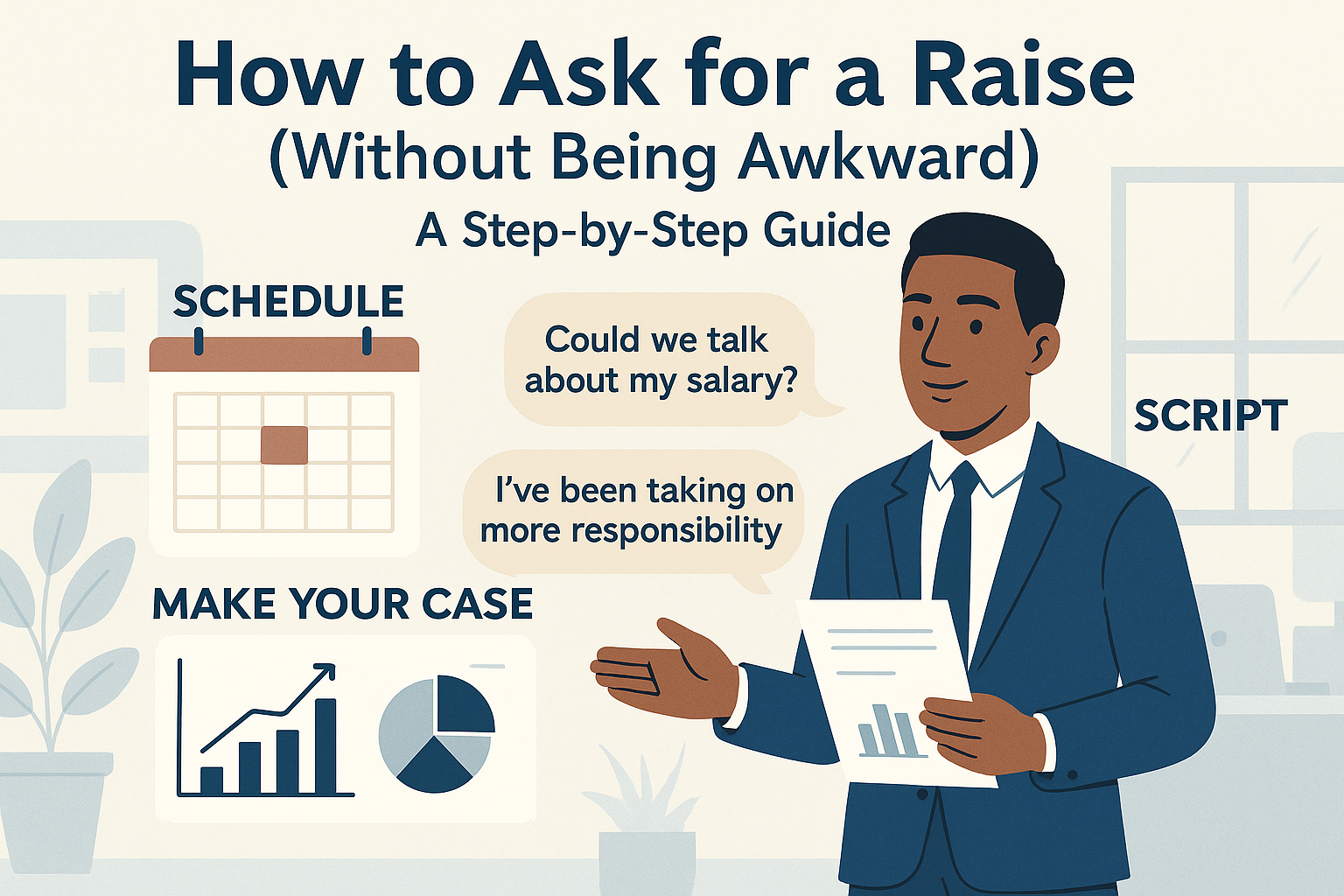
How to Ask for a Raise (Without Being Awkward): A Step-by-Step Guide
Don't wait for your annual appraisal. Learn the strategic way to ask for a raise, build your business case, and use our scripts to get the salary hike you deserve.
2025-12-10
The First 90 Days: A Strategic Plan to Impress Your New Boss
Your first 3 months in a new job determine your reputation. Use our 30-60-90 day plan to secure early wins, build relationships, and pass probation with flying colors.
2025-12-09
Background Verification (BGV) Explained: What Employers Actually Check (And What Gets You Rejected)
Worried about the background check? We decode the Background Verification (BGV) process in India, covering employment history, education checks, and how to handle discrepancies.
2025-12-09