


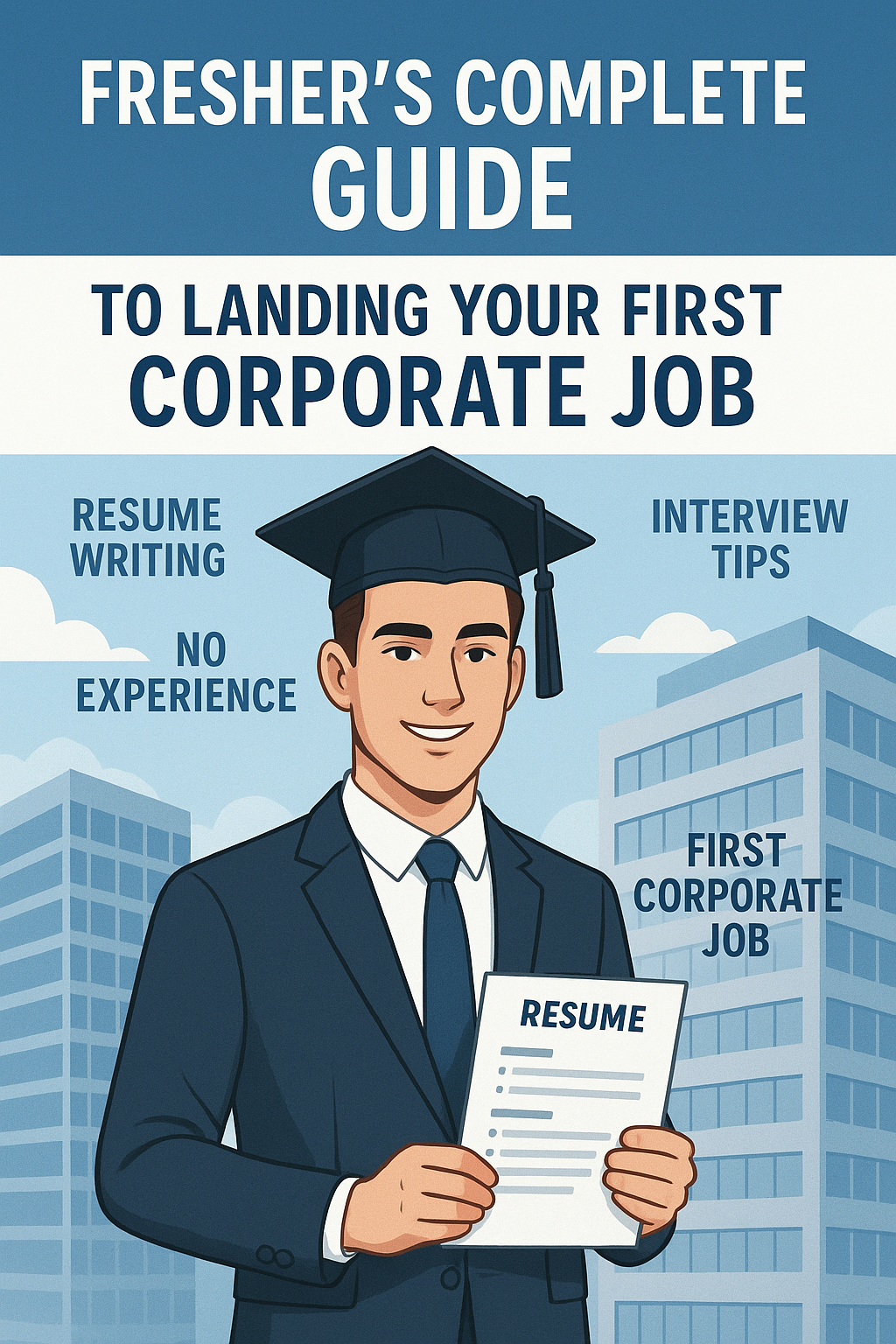
The Fresher's Complete Guide to Landing Your First Corporate Job
Graduation. It’s a moment of immense pride, a culmination of years of hard work, late-night study sessions, and countless exams. You toss your cap in the air, celebrate with your friends and family, and feel an incredible sense of accomplishment. And then, a new, slightly terrifying feeling begins to creep in: the overwhelming question of "What now?" Suddenly, the structured world of academics is gone, replaced by the vast, competitive, and often confusing landscape of the corporate world.
For millions of freshers across India every year, this transition is one of the most challenging periods of their lives. You’re armed with a degree and theoretical knowledge, but you’re facing a classic catch-22: you can’t get a job without experience, and you can’t get experience without a job. The job portals seem endless, the requirements feel daunting, and the competition is fierce. It's easy to feel lost, discouraged, and overwhelmed.
But here is the essential truth you need to hold onto: every single person in the corporate world, from the CEO to the senior manager, was once in your exact position. They all had to land their first job. Landing that first role isn't about having a decade of experience; it's about proving your potential. It’s about strategically showcasing your skills, your passion, and your readiness to learn and contribute.
This is not just a guide; it is your step-by-step roadmap. We will walk you through every critical stage of the process, from building a resume that gets noticed to acing the interview that seals the deal. Consider this your personal mentor for turning your degree into a successful career.
The Mindset Shift: From Student to Professional
Before you apply for a single job, the most important work happens in your mind. You need to consciously shift your identity from that of a student to that of a professional. What does this mean in practice?
It means taking ownership of your career. Your college may have had a placement cell, but now, you are your own placement officer. It means understanding that your degree is not a ticket to a job; it’s the foundation upon which you will build a case for why a company should hire you.
This professional mindset involves discipline. It means treating your job search like a job. Dedicate specific hours each day to researching companies, tailoring applications, and upskilling. It means being proactive, not passive. You are no longer waiting for assignments; you are seeking out opportunities. It also means building resilience. You will face rejection. It's a guaranteed part of the process. A professional mindset sees rejection not as a personal failure, but as a data point—an opportunity to learn, refine your approach, and go again. Adopting this focused, resilient, and proactive mindset is the true first step to landing your first job.
Building Your Resume When You Have "No Experience"
This is the biggest hurdle for every fresher: the blank "Work Experience" section. The key is to reframe what "experience" means. Companies know they aren't hiring a seasoned veteran. They are hiring for potential, and your job is to showcase that potential through every experience you’ve had, academic or otherwise.
Your Education is Your Experience
Your degree is your most significant asset. Don’t just list your college and your score. Detail your relevant coursework, projects, and academic achievements. * Capstone/Final-Year Project: This is your most important piece of "experience." Dedicate 3-4 bullet points to it. Describe the problem you were solving, the technologies you used (e.g., Python, Java, MATLAB), your specific role in the team, and the outcome or result. Quantify it if you can (e.g., "Developed a machine learning model that achieved 92% accuracy..."). * Relevant Coursework: List a few high-level courses that are directly related to the job you want. This shows a foundation of theoretical knowledge.
Uncover Your Hidden Experience
You have more experience than you think. You just need to know where to look. * Internships: This is the most obvious one. Treat your internship exactly like a real job on your resume. Use powerful bullet points to describe your responsibilities and achievements. * Part-Time Jobs & Volunteering: Did you work at a local shop? Volunteer for an NGO? These experiences demonstrate crucial soft skills like time management, customer service, and teamwork. Frame your responsibilities in a professional way. "Handled customer queries" is good; "Resolved over 20 customer issues daily, improving customer satisfaction" is much better. * Hackathons & Coding Competitions: For tech roles, participation in hackathons or coding challenges is invaluable. It shows passion, initiative, and the ability to work under pressure. Platforms like JobPe's Coding Practice section can be a great place to hone these skills. * Leadership Roles in College: Were you a member of a student club, a department fest organizer, or a team captain? These roles demonstrate leadership, organization, and communication skills. "Organized the annual tech fest" becomes "Led a team of 15 students to organize a 2-day tech festival for 500+ attendees, securing ₹1 Lakh in sponsorships."
Building a resume from scratch can be tough. Using an AI-powered tool like the JobPe Resume Builder is a game-changer for freshers. It can help you structure these varied experiences into a professional format and suggest powerful, action-oriented language that will catch a recruiter's eye. Ensure your resume passes automated screening by using the ATS Check tool as well.
The Proactive Job Search: Where to Find the Right Opportunities
Now that your resume is ready, where do you look? Don't just rely on one or two major job boards. A successful fresher job search is a multi-channel effort.
Strategic Use of Job Aggregators
Platforms like JobPe are your best friend, but you need to use them smartly. * Filter for "Fresher" or "Entry-Level": This is the most crucial filter. It immediately narrows the field to companies that are actively looking to hire new graduates. * Set Up Specific Job Alerts: Don't just get a daily digest of all jobs. Create highly specific job alerts for titles like "Graduate Engineer Trainee," "Junior Analyst," or "Software Developer - Fresher." This ensures you're one of the first to apply to relevant openings. * Look for "Walk-in" Opportunities: Many large IT and BPO companies conduct mass hiring through walk-in interviews specifically for freshers. Keep an eye out for these as they often have a faster turnaround time.
Leverage LinkedIn Strategically
Your LinkedIn profile is your digital identity. Make sure it's complete and professional. * Follow Target Companies: Identify 20-30 companies you'd love to work for and follow their official pages. You'll see their culture, their news, and their job openings directly in your feed. * Connect with HR Professionals and Alumni: Find recruiters who work at your target companies and send them a polite, personalized connection request. Also, find alumni from your college who work at these companies. They are often more than willing to offer advice or a referral.
The Power of Referrals
A referral is the single most effective way to get an interview. That's why building a network is so important. Reach out to your seniors from college, your relatives, and your friends' parents who are in the corporate world. Let them know you're looking for a job and what kind of roles you're interested in. A single employee referral can often bypass the ATS and land your resume directly on the hiring manager's desk.
Acing the Fresher Interview: Proving Your Potential
Congratulations! Your strategic resume and proactive search have landed you an interview. Now you need to prove you're the right person for the job. Fresher interviews are less about what you've done and more about what you can do. They are testing for aptitude, coachability, and enthusiasm.
Prepare for the Fundamentals
- "Tell Me About Yourself": This is your chance to deliver your 90-second elevator pitch. Don't talk about your family; talk about your academic journey, your key project, your internship, and why you are excited about this specific role.
- Know Your Resume Inside Out: Be prepared to discuss every single point on your resume in detail, especially your final-year project.
- Research the Company: Know what the company does, who its competitors are, and what its values are. Mentioning something specific you admire about the company shows genuine interest.
Showcase Your Soft Skills
Companies know they will have to teach you the technical aspects of the job. What they can't teach are soft skills. Be prepared with examples that demonstrate: * Teamwork: Talk about a time you collaborated successfully on a college project. * Problem-Solving: Describe a challenge you faced during your internship and how you overcame it. * Eagerness to Learn: Express your enthusiasm for training and your desire to learn new technologies.
For every role, there are specific questions you should anticipate. A fantastic resource is an online database of interview questions, where you can find common questions for your specific domain and practice your answers.
Ask Intelligent Questions
At the end of the interview, when they ask, "Do you have any questions for us?", your answer must be "Yes." Asking thoughtful questions shows you are engaged and genuinely interested. Good questions include: * "What does the training program for new hires look like?" * "What is the typical career path for someone starting in this role?" * "What are the biggest challenges the team is currently facing?"
Conclusion: Your Career Starts Now
The journey from graduation to your first corporate job is a marathon, not a sprint. It requires strategy, resilience, and a proactive mindset. Every application you tailor, every connection you make, and every interview you attend is a step forward in your professional journey.
Don't be discouraged by the "no experience" paradox. Your potential is your greatest asset. By effectively communicating that potential through a powerful resume, a smart job search strategy, and a confident interview performance, you will not just find a job—you will launch a career. The journey starts today.
For more tools and resources to help you launch your career, https://jobpe.com.

Creative Content Writer
More from Debojyoti Roy
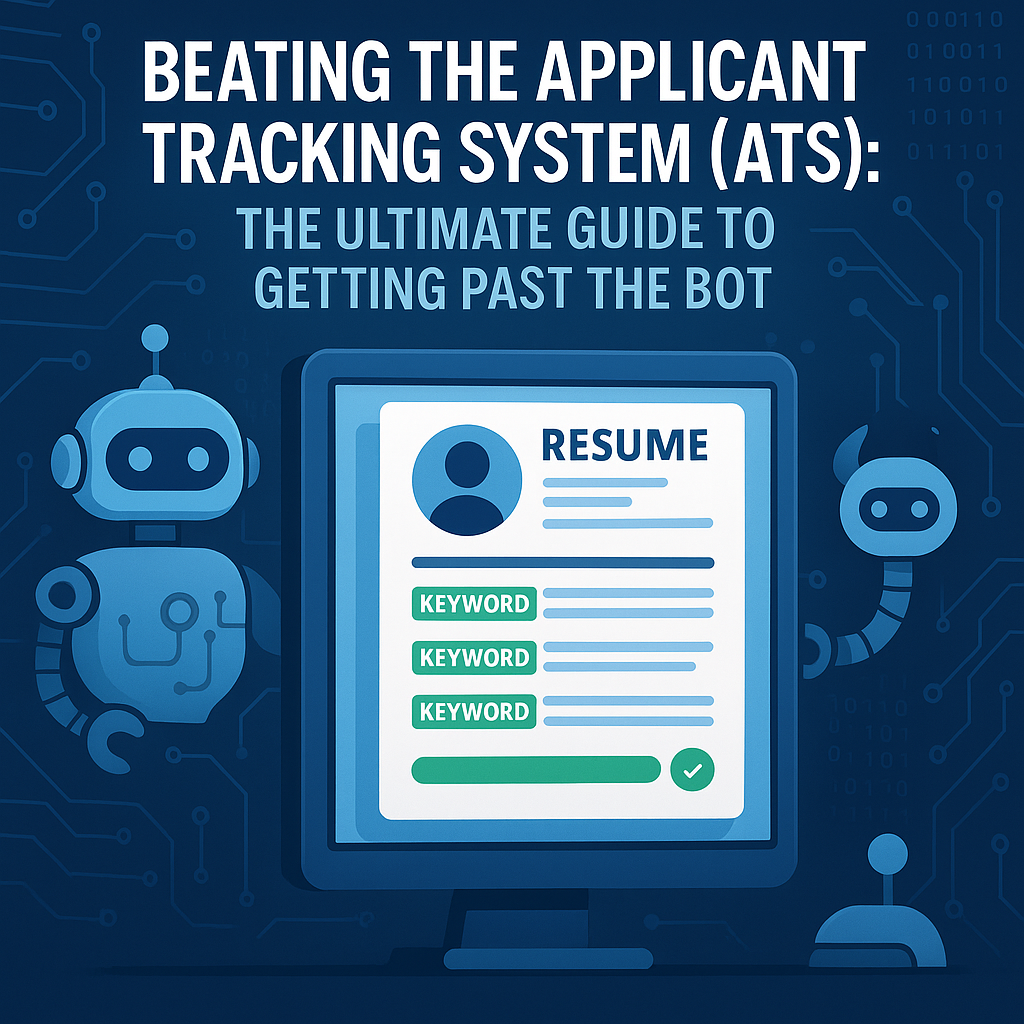
Beating the Applicant Tracking System (ATS): The Ultimate Guide to Getting Past the Bot
Is your resume getting rejected instantly? It might be the ATS. Learn how Applicant Tracking Systems work, how to format your resume to beat the bot, and the keyword strategies that get you noticed.
2025-12-10
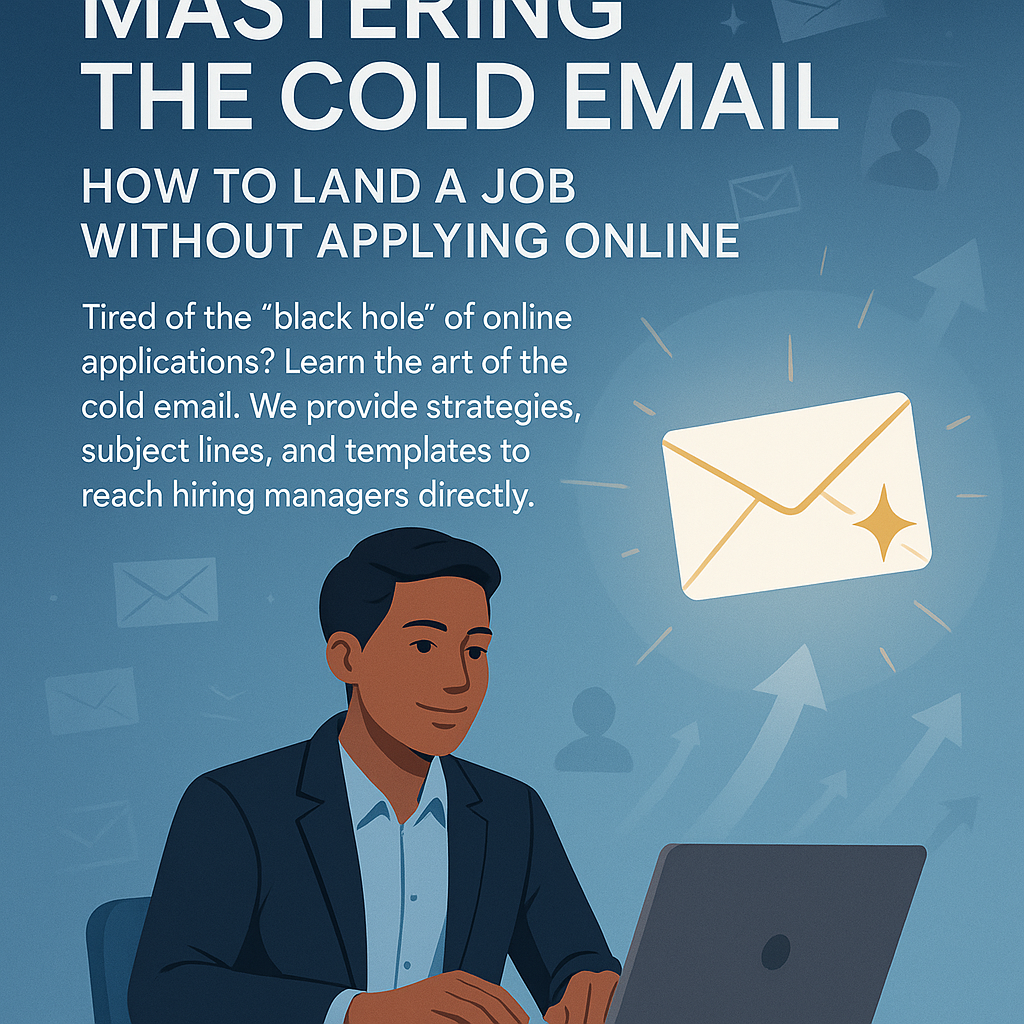
Mastering the Cold Email: How to Land a Job Without Applying Online
Tired of the "black hole" of online applications? Learn the art of the cold email. We provide strategies, subject lines, and templates to reach hiring managers directly.
2025-12-10
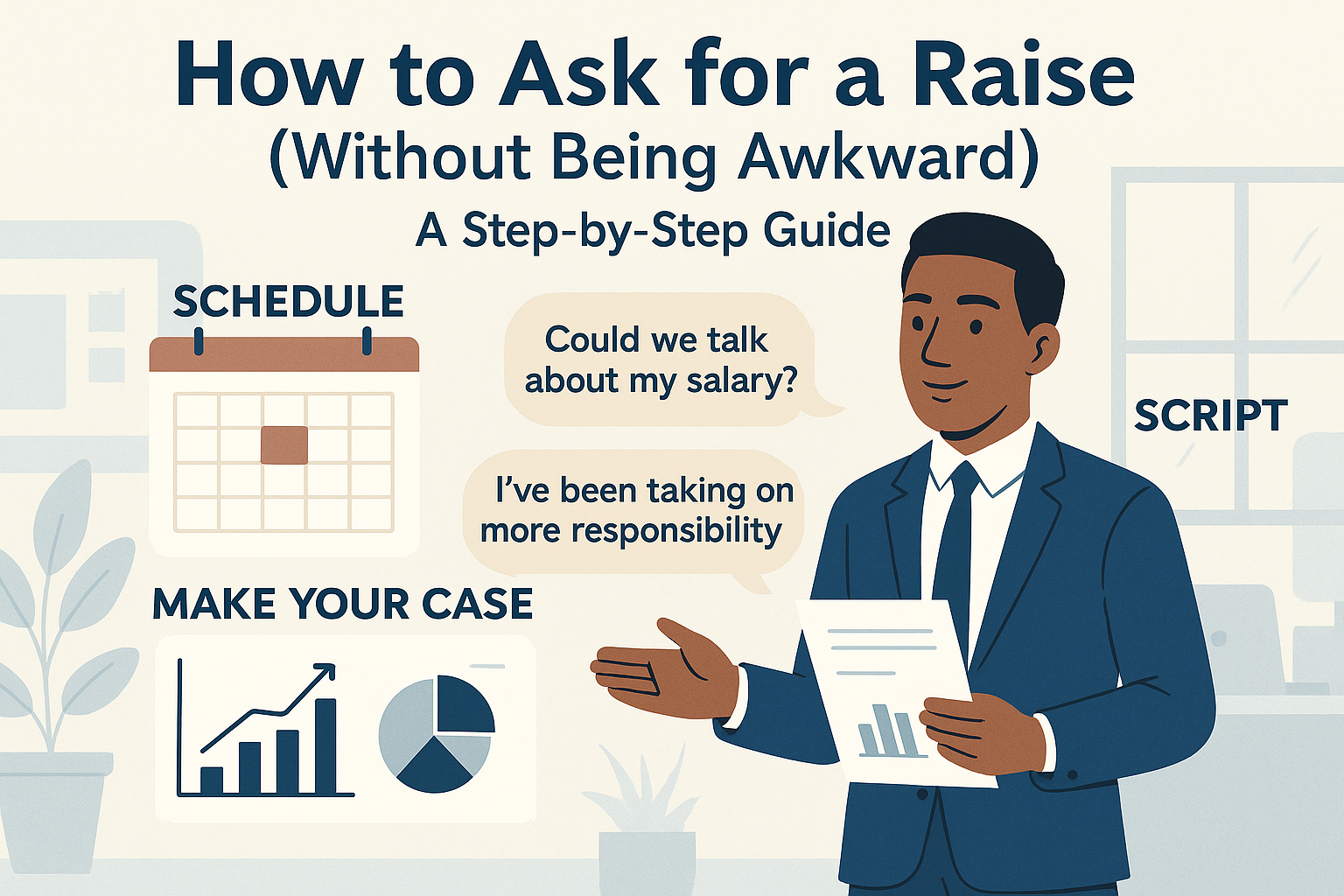
How to Ask for a Raise (Without Being Awkward): A Step-by-Step Guide
Don't wait for your annual appraisal. Learn the strategic way to ask for a raise, build your business case, and use our scripts to get the salary hike you deserve.
2025-12-10
The First 90 Days: A Strategic Plan to Impress Your New Boss
Your first 3 months in a new job determine your reputation. Use our 30-60-90 day plan to secure early wins, build relationships, and pass probation with flying colors.
2025-12-09
Background Verification (BGV) Explained: What Employers Actually Check (And What Gets You Rejected)
Worried about the background check? We decode the Background Verification (BGV) process in India, covering employment history, education checks, and how to handle discrepancies.
2025-12-09