


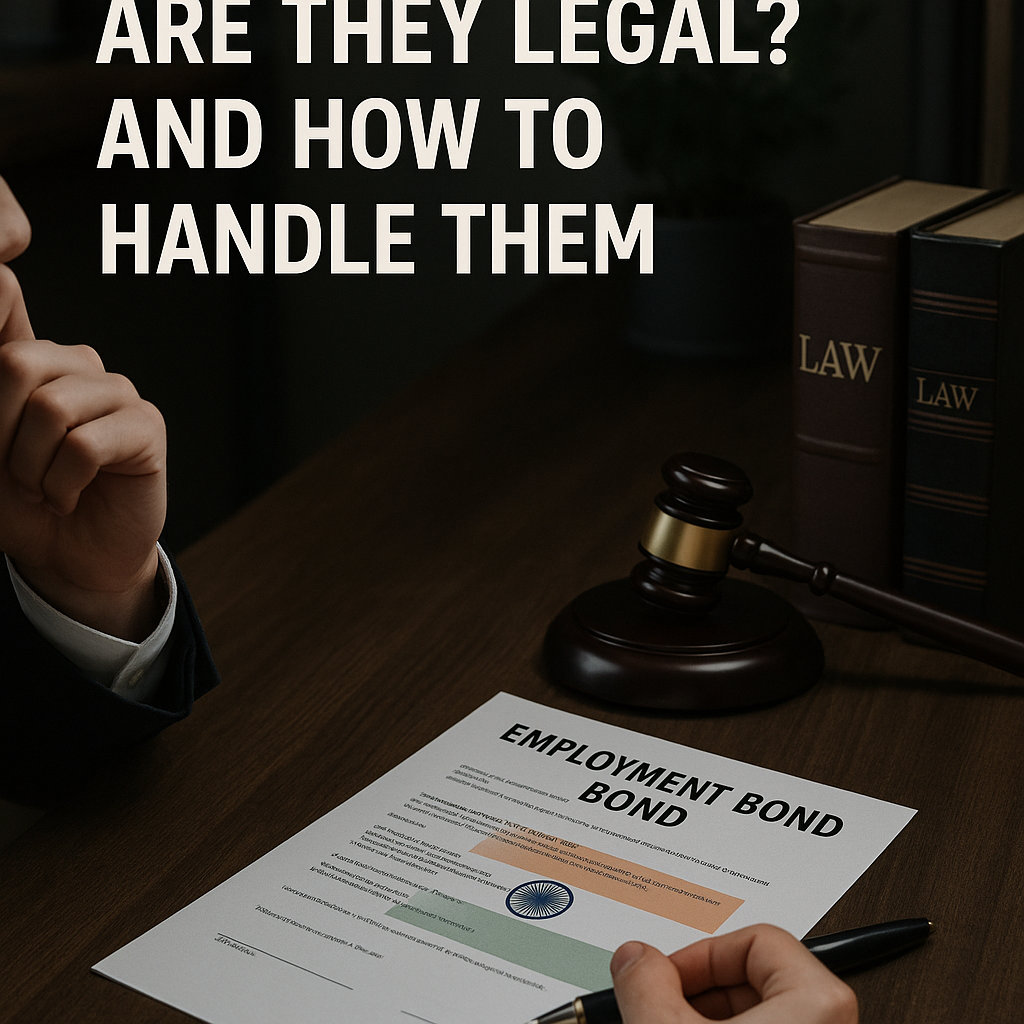
Employment Bonds in India: Are They Legal? And How to Handle Them
It’s a scenario thousands of fresh graduates face every year. You sit across from an HR manager, thrilled to be receiving your first job offer letter. But then, they slide another document across the table: an Employment Bond (or Service Agreement).
The terms are usually strict: "You agree to work with the company for a minimum period of 2 years. If you leave before this period, you are liable to pay the company ₹2 Lakhs as compensation."
Suddenly, the excitement turns into anxiety. You feel trapped before you’ve even started. Questions race through your mind: Is this legal? Can they actually force me to pay that much money? What happens if I get a better offer in six months? Am I signing my freedom away?
Employment bonds are a controversial but common practice in India, particularly in the IT, manufacturing, and banking sectors. Companies argue they are necessary to protect their investment in training. Employees argue they are restrictive and exploitative.
The truth lies somewhere in the middle, buried in the nuances of Indian Contract Law. This guide is designed to demystify the legality of these bonds, explain your rights as an employee, and provide a strategic roadmap for handling them—whether you are about to sign one or are trying to break one.
The Big Question: Are Employment Bonds Actually Legal?
The short answer is: Yes, but with major conditions.
Under the Indian Contract Act, 1872, an employment bond is valid only if the company can prove they have spent a significant amount of money on your specialized training.
However, the courts in India have consistently ruled that bonded labor is illegal. A company cannot force you to work for them against your will. They cannot physically stop you from resigning. The "bond" is essentially a financial agreement, not a slavery contract.
When is a Bond Enforceable?
Courts typically uphold bonds if: 1. Actual Training Costs Incurred: The company can prove they spent real money (e.g., external certifications, travel for training, specialized courses) on grooming you. 2. Reasonable Amount: The penalty amount must be "reasonable" and correspond to the actual cost incurred by the company. It cannot be an arbitrary, punitive figure (e.g., demanding ₹10 Lakhs for a ₹3 Lakh/year job). 3. Reasonable Duration: The time period must be justified (typically 1-2 years is seen as standard; 5 years might be deemed excessive).
When is a Bond ILLEGAL (Void)?
- If the company provided no specialized training (just on-the-job learning).
- If the penalty amount is exorbitant and designed solely to terrorize the employee.
- If the company forces you to sign it after you have joined without prior notice.
Before You Sign: How to Evaluate a Bond
If you are a fresher, you might not have the leverage to refuse a bond entirely. But you must read the fine print.
- Check the "Liquidation Damages": Does the contract specify exactly what the money is for? (e.g., "Training costs"). Or is it just a vague penalty?
- Look for a Declining Balance: A fair bond reduces over time. If you leave after 18 months of a 24-month bond, you should pay less than if you left after 2 months. Ask for this clause if it's missing.
- Understand the "Exit" Clause: What happens if they fire you? Ensure the bond is null and void if your employment is terminated by the company without cause.
Breaking the Bond: How to Leave Without Paying a Fortune
So, you signed the bond, but now you want to leave early. Maybe you have a better offer, or the workplace is toxic. How do you get out?
1. The "Notice Period" Route (The Cleanest Way)
In many cases, if you serve your full notice period (e.g., 3 months), companies may waive the bond amount, especially if you have completed a significant portion of the tenure. Negotiate this.
2. Request a Breakdown of "Training Costs"
If they demand the full bond amount (e.g., ₹2 Lakhs), politely write an email asking for a detailed breakdown and proof of the expenses incurred on your training. * Why this works: Most companies cannot provide receipts for ₹2 Lakhs worth of training if they just gave you a laptop and a senior mentor. If they can't prove the cost in court, they often back down to a smaller settlement amount.
3. The New Employer Buyout
This is your best card. If you have a job offer from a new company, explain your bond situation. Many large companies are willing to "buy out" your bond—paying the penalty on your behalf—if you are a valuable hire.
4. Legal Realities vs. Threats
Companies often send legal notices threatening lawsuits. * The Reality: Going to court is expensive and time-consuming for a company. They rarely sue individual employees for small bond amounts unless the employee has stolen IP or sensitive data. The legal notice is often a scare tactic. * The Risk: The biggest risk is not a lawsuit, but the Experience Letter. If you leave without settling the bond, the company may refuse to issue your relieving letter and experience certificate. This can hurt your background verification for future jobs.
Strategy for Negotiation
Do not just abscond (stop showing up). That burns bridges and ruins your documentation. 1. Resign Professionally: Submit your resignation. 2. Initiate Dialogue: "I know I have a bond, but I am resigning due to [Valid Reason]. I am willing to serve my notice period and ensure a smooth handover." 3. Negotiate the Amount: "I cannot afford the full ₹2 Lakhs. Since I have already served 14 months of the 24-month bond, and considering the training was internal, I propose a settlement of [Reasonable Amount, e.g., ₹50k] to close this amicably and receive my relieving letter."
Conclusion: Don't Let Fear Dictate Your Career
Employment bonds are a stress test, but they are manageable. They are not prison sentences. By understanding that these are financial contracts based on actual costs, you strip away the fear.
Read before you sign. If you must leave, negotiate based on logic and training proof, not emotion. And always prioritize getting your Relieving Letter, as that is the true currency of your work history.
For more guidance on navigating complex HR policies and career hurdles, https://jobpe.com.

Creative Content Writer
More from Debojyoti Roy
Beating the Applicant Tracking System (ATS): The Ultimate Guide to Getting Past the Bot
Is your resume getting rejected instantly? It might be the ATS. Learn how Applicant Tracking Systems work, how to format your resume to beat the bot, and the keyword strategies that get you noticed.
2025-12-10
Mastering the Cold Email: How to Land a Job Without Applying Online
Tired of the "black hole" of online applications? Learn the art of the cold email. We provide strategies, subject lines, and templates to reach hiring managers directly.
2025-12-10
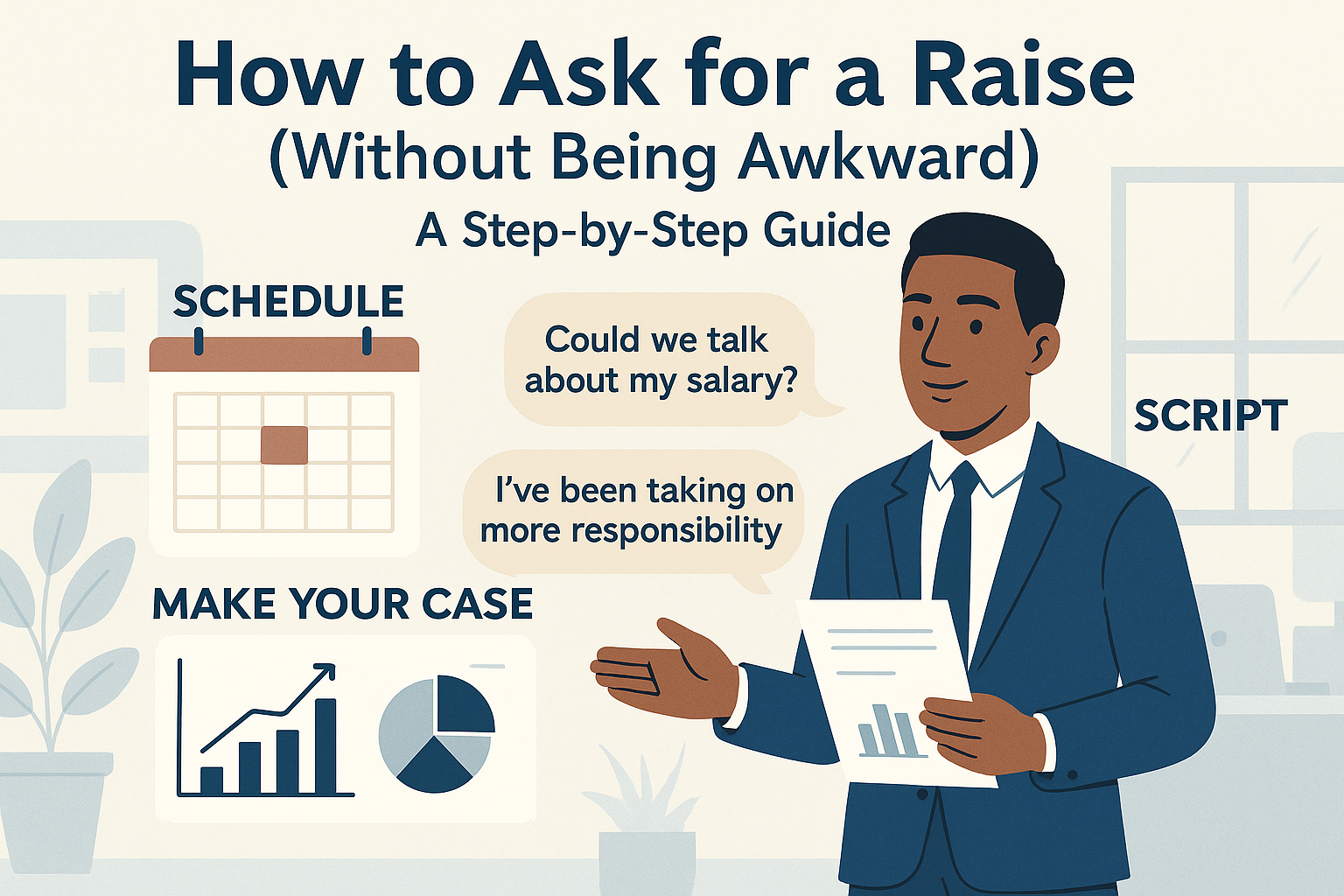
How to Ask for a Raise (Without Being Awkward): A Step-by-Step Guide
Don't wait for your annual appraisal. Learn the strategic way to ask for a raise, build your business case, and use our scripts to get the salary hike you deserve.
2025-12-10

The First 90 Days: A Strategic Plan to Impress Your New Boss
Your first 3 months in a new job determine your reputation. Use our 30-60-90 day plan to secure early wins, build relationships, and pass probation with flying colors.
2025-12-09
Background Verification (BGV) Explained: What Employers Actually Check (And What Gets You Rejected)
Worried about the background check? We decode the Background Verification (BGV) process in India, covering employment history, education checks, and how to handle discrepancies.
2025-12-09