


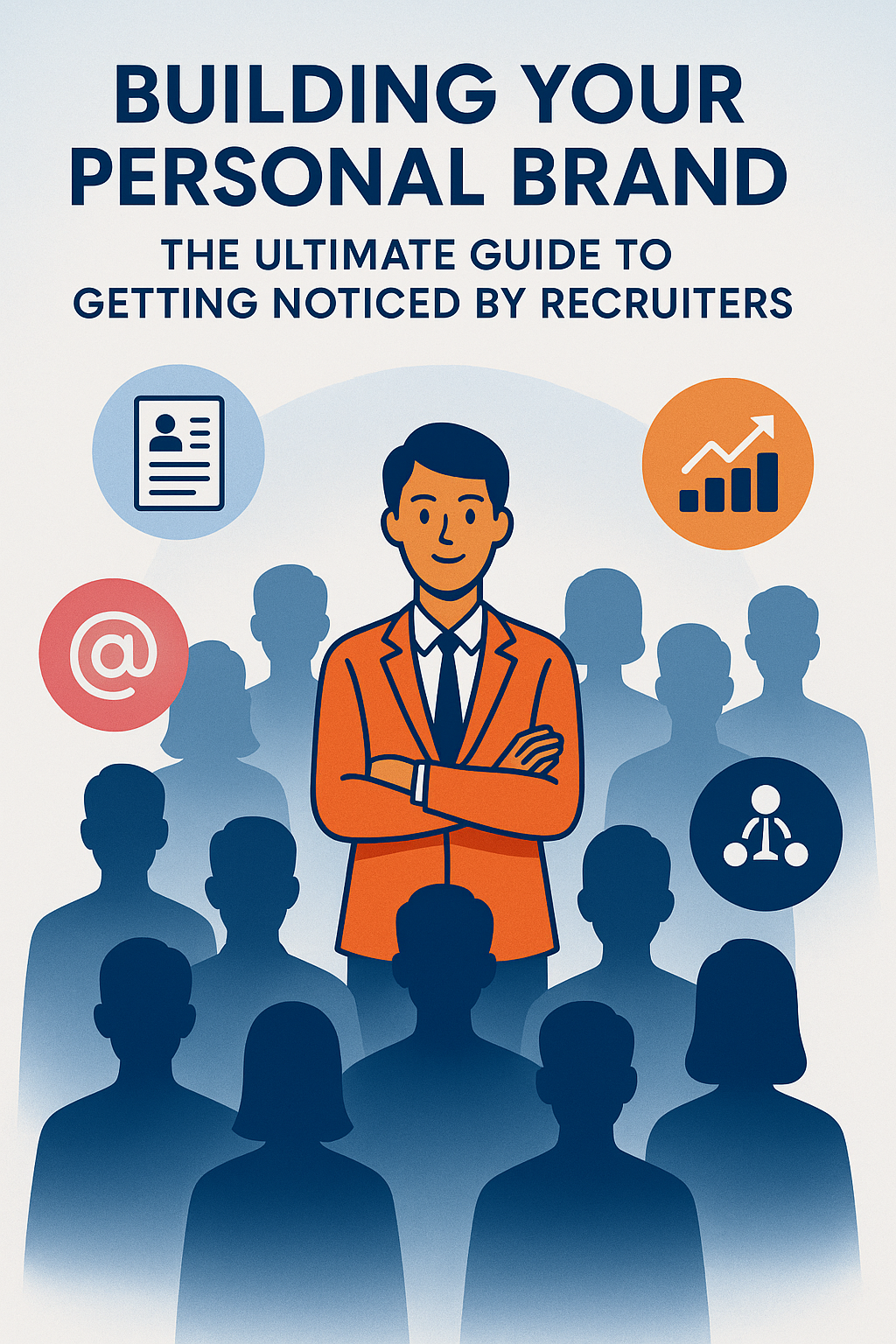
Building Your Personal Brand: The Ultimate Guide to Getting Noticed by Recruiters
In the fiercely competitive job market of 2026, the rules of the game have fundamentally changed. It's no longer enough to have a well-written resume and a solid set of skills. In a digital world where recruiters and hiring managers can learn more about you from a 30-second Google search than from your entire application, your professional reputation is your most valuable asset. This is the era of the Personal Brand.
For many professionals, the term "personal branding" can sound intimidating, narcissistic, or like something reserved for social media influencers and high-profile CEOs. But this is a dangerous misconception. In reality, you already have a personal brand, whether you are actively managing it or not. It's what people find when they search for your name. It's the impression you leave in professional interactions. It’s what your colleagues say about you when you’re not in the room. The only question is, are you going to let your brand be defined by chance, or are you going to strategically craft it to open the doors to the opportunities you deserve?
A strong personal brand is your ultimate career differentiator. It’s the story you tell about your skills, your expertise, and your unique value proposition. It’s what makes a recruiter pause their endless scrolling and say, "This person is interesting. I need to talk to them." It transforms you from a passive job applicant, waiting to be chosen, into a sought-after professional, attracting opportunities directly to you.
This guide is your comprehensive roadmap to building a powerful and authentic personal brand. We will demystify the concept, break it down into simple, actionable steps, and show you how to leverage your brand to get noticed by top recruiters and accelerate your career growth.
What is a Personal Brand (and Why Does it Matter So Much)?
At its core, your personal brand is your professional reputation. It's the unique combination of your skills, your experience, and your personality that you present to the world. It’s the answer to the question: "What do you want to be known for?"
In the past, your reputation was primarily built within the four walls of your office. Today, it’s built online. Recruiters are no longer just passive recipients of applications; they are active talent scouts. They use platforms like LinkedIn to search for candidates with specific skills long before a job is ever publicly posted. This is the "hidden job market," and a strong personal brand is your all-access pass.
When a recruiter searches for a "Senior Python Developer," they are met with thousands of profiles. If your profile is just a list of job titles, you are a commodity. But if your profile tells a compelling story of a Python expert who is passionate about FinTech, who regularly shares insights on scalable architecture, and who has a portfolio of impressive projects, you are no longer a commodity; you are a brand. You are a candidate they need to talk to.
Step 1: Define Your Brand Foundation (The "Who")
You cannot build a strong brand on a weak foundation. Before you create a single post or update your profile, you must do the deep work of self-assessment.
Identify Your Niche and Expertise
You cannot be known for everything. The most powerful brands are focused. What is the one core area of expertise you want to be known for? It's not just "marketing"; it's "B2B content marketing for SaaS startups." It's not just "software development"; it's "building secure and scalable backend systems with Go." This niche is your professional sweet spot, the intersection of your skills, your experience, and your genuine interest.
Define Your Unique Value Proposition (UVP)
What makes you different from the thousands of other professionals with a similar job title? Your UVP is your secret sauce. It might be your unique combination of skills (e.g., a developer who also has a deep understanding of UX design), your specific industry experience (e.g., a data analyst who has spent a decade in the healthcare sector), or your approach to problem-solving.
Craft Your Brand Statement
Once you have this clarity, distill it into a concise, one-sentence brand statement. This is your personal tagline. For example:
"I am a product manager who helps FinTech companies build user-friendly mobile applications by bridging the gap between customer needs and technical development."
This statement will become the guiding principle for all your branding efforts.
Step 2: Build Your Digital Headquarters (Your LinkedIn Profile)
Your LinkedIn profile is the cornerstone of your professional brand. It is your digital headquarters, your living portfolio, and the first place a recruiter will look for you. It needs to be more than just an online resume; it needs to be a compelling sales page for your brand.
- Your Headline is Your Billboard: As we've covered before, your headline is crucial. It should be packed with keywords and instantly communicate your brand statement.
- Your "About" Section is Your Story: Use this section to tell your career story in the first person. Start with your brand statement, provide evidence of your expertise with 2-3 key achievements, and end with what you're passionate about.
- Your Experience Section is Your Proof: Frame your past roles to support your brand. If your brand is about "driving growth through data," then every bullet point should be a quantifiable achievement that demonstrates this. A powerful tool like the JobPe Resume Builder can help you find the right achievement-oriented language.
- Your Recommendations are Your Testimonials: Social proof is incredibly powerful. Proactively seek out recommendations from former managers and colleagues that specifically speak to the expertise you want to be known for.
Step 3: Create and Curate Content (The Voice of Your Brand)
A static profile is a start, but an active one is what builds a powerful brand. You need to become a voice in your industry, not just a passive observer. This is done through content. The idea of "creating content" can be intimidating, but it doesn't have to be.
Start as a Curator
You don't have to be a prolific writer to build a brand. Start by being a smart curator. Find and share interesting articles, studies, and news from your industry. But don't just share the link. Add your own 2-3 sentence commentary. What is your unique take on this? What insight can you add? This simple act of curation positions you as someone who is knowledgeable and on the pulse of your field.
Evolve into a Creator
As you get more comfortable, start creating your own simple content. * Write Thoughtful Comments: The comments section is one of the most underrated networking and branding tools. Leaving a thoughtful, insightful comment on a post from an industry leader can get you more visibility than writing your own post. * Share Your Learnings: Did you just finish a challenging project or learn a new skill? Write a short post about it. Share what you learned, the challenges you faced, and the outcome. This is authentic, valuable content. For example, sharing your progress while learning a new skill on a platform like Allrounder.ai can be a great source of content. * Tell a Story: Turn a work experience into a short, compelling story with a clear lesson. People connect with stories far more than they connect with a list of skills.
The goal is not to go viral. The goal is consistency. A small, engaged audience of the right people (recruiters, hiring managers, and industry peers) is far more valuable than a large, disengaged one.
Step 4: Network with Intention (Build Your Community)
Your brand is amplified by your network. You need to be strategic about who you connect with and how you engage with them.
- Connect with Purpose: Don't just send a generic connection request. Add a personalized note explaining why you want to connect. "Hi [Name], I've been following your work in the [Industry] space and was really impressed by your recent post on [Topic]. I'd love to connect and follow your insights."
- Engage Generously: Your focus should be on giving, not taking. Congratulate people on their work anniversaries. Endorse them for skills you know they possess. Offer help or advice where you can.
- Take the Conversation Offline (or to a DM): If you have a great interaction with someone in the comments, don't be afraid to move the conversation to a direct message or even a brief virtual coffee chat. This is how you turn a simple connection into a meaningful professional relationship.
Conclusion: You Are the CEO of "You, Inc."
In the modern job market, waiting for opportunities to find you is a recipe for being overlooked. Building a personal brand is the ultimate act of taking control of your career. It is the proactive, strategic process of shaping your professional narrative and ensuring that when recruiters are looking for an expert in your field, your name is the first one that comes to mind.
It requires effort, consistency, and a willingness to put yourself out there. But by defining your expertise, building your digital headquarters, sharing your voice, and networking with intention, you move from being just another resume in a pile to being a recognized and sought-after brand. This brand will not only help you land your next job but will continue to pay dividends for your entire professional life.
Once your personal brand starts attracting attention, you need to be ready for the interviews that will follow. Sharpening your ability to articulate your brand's value in person is key. You can practice this with a comprehensive set of interview questions. To ensure you're aware of the opportunities that are now seeking you out, keep your job alerts finely tuned to your new, focused brand identity.
For more tools and resources to help you build and manage your career, https://jobpe.com.

Creative Content Writer
More from Debojyoti Roy
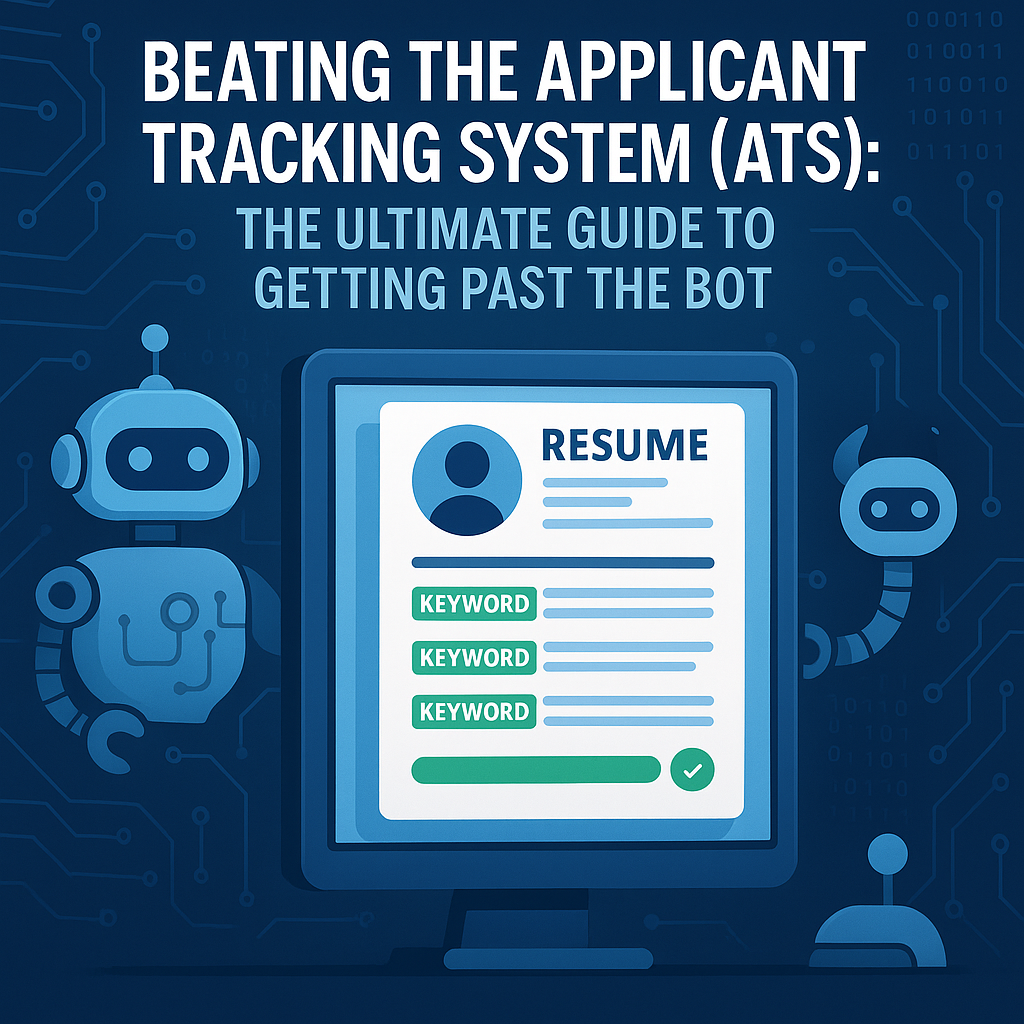
Beating the Applicant Tracking System (ATS): The Ultimate Guide to Getting Past the Bot
Is your resume getting rejected instantly? It might be the ATS. Learn how Applicant Tracking Systems work, how to format your resume to beat the bot, and the keyword strategies that get you noticed.
2025-12-10
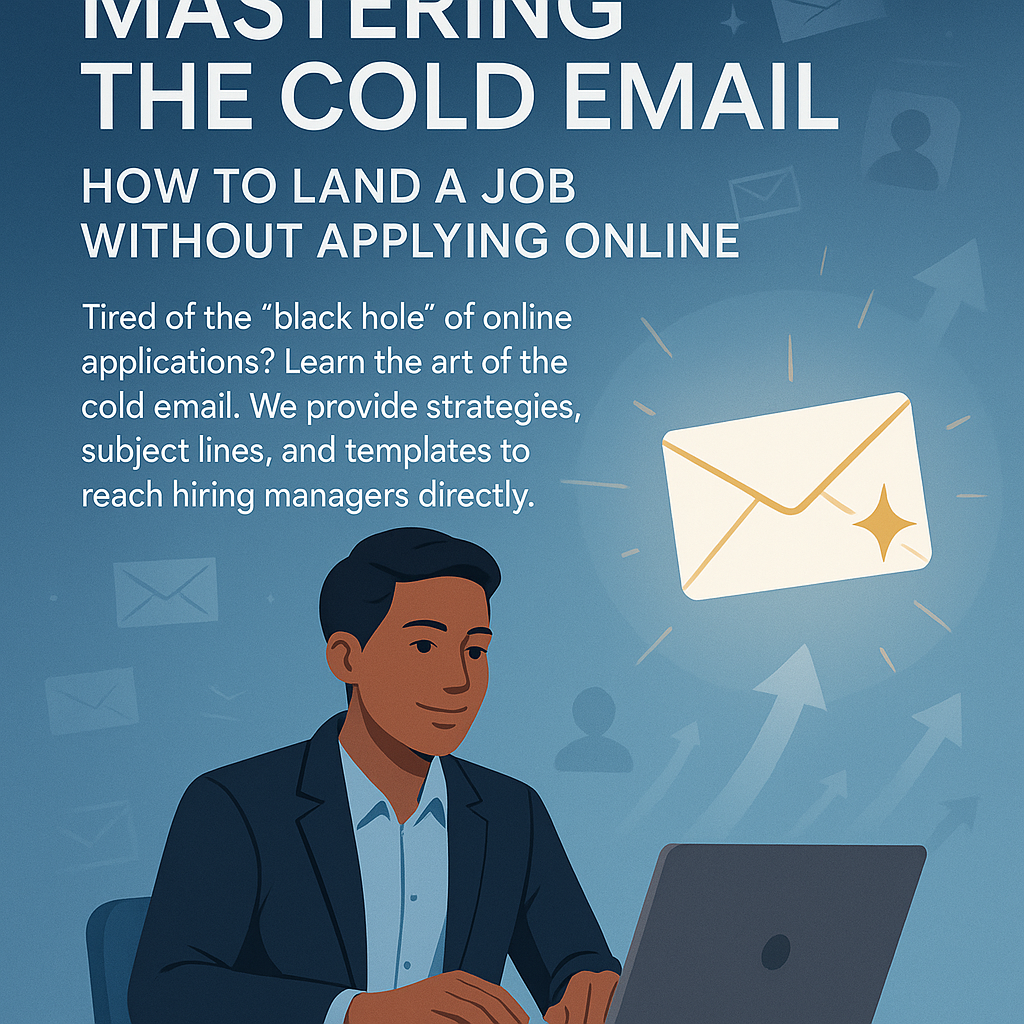
Mastering the Cold Email: How to Land a Job Without Applying Online
Tired of the "black hole" of online applications? Learn the art of the cold email. We provide strategies, subject lines, and templates to reach hiring managers directly.
2025-12-10
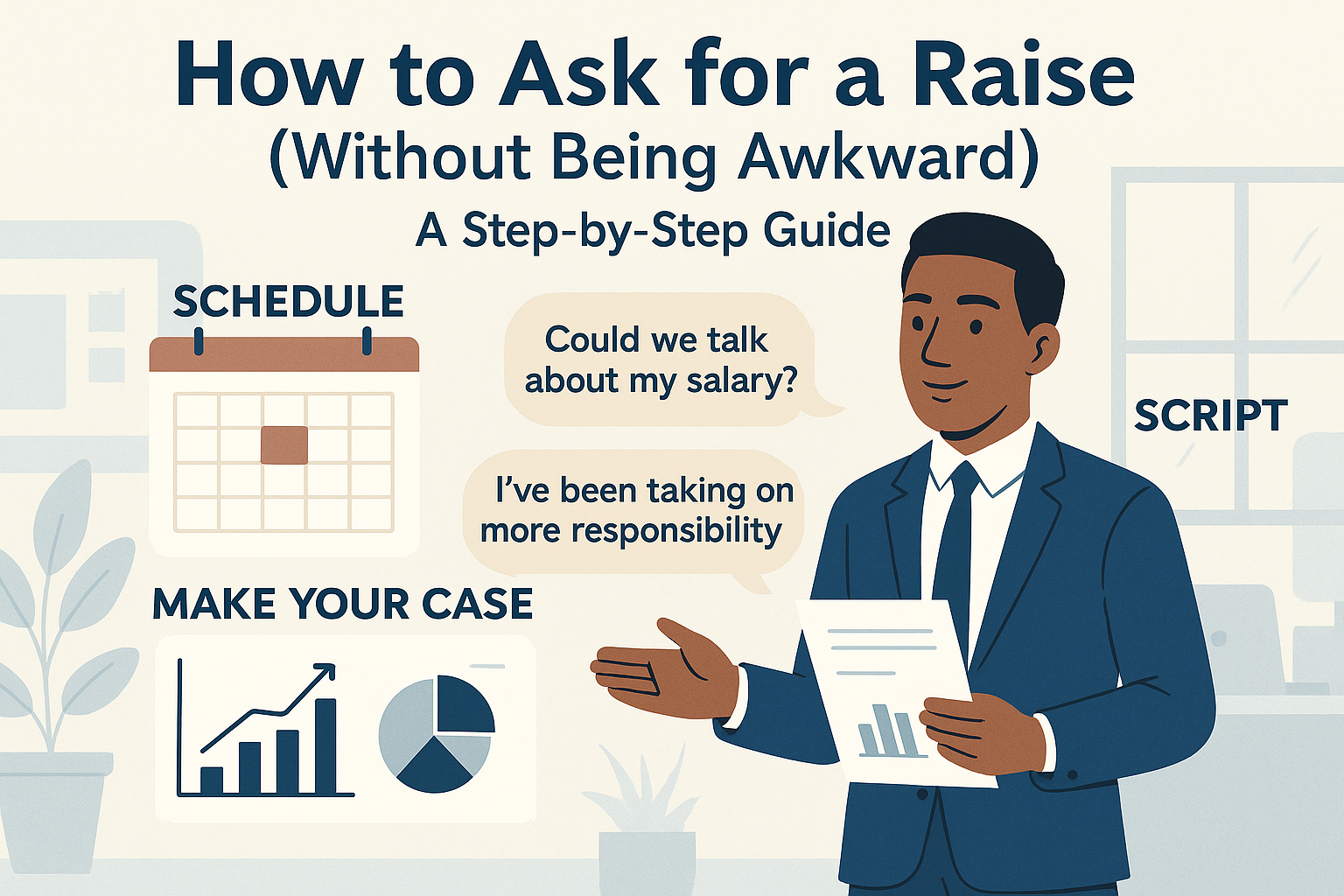
How to Ask for a Raise (Without Being Awkward): A Step-by-Step Guide
Don't wait for your annual appraisal. Learn the strategic way to ask for a raise, build your business case, and use our scripts to get the salary hike you deserve.
2025-12-10
The First 90 Days: A Strategic Plan to Impress Your New Boss
Your first 3 months in a new job determine your reputation. Use our 30-60-90 day plan to secure early wins, build relationships, and pass probation with flying colors.
2025-12-09
Background Verification (BGV) Explained: What Employers Actually Check (And What Gets You Rejected)
Worried about the background check? We decode the Background Verification (BGV) process in India, covering employment history, education checks, and how to handle discrepancies.
2025-12-09