


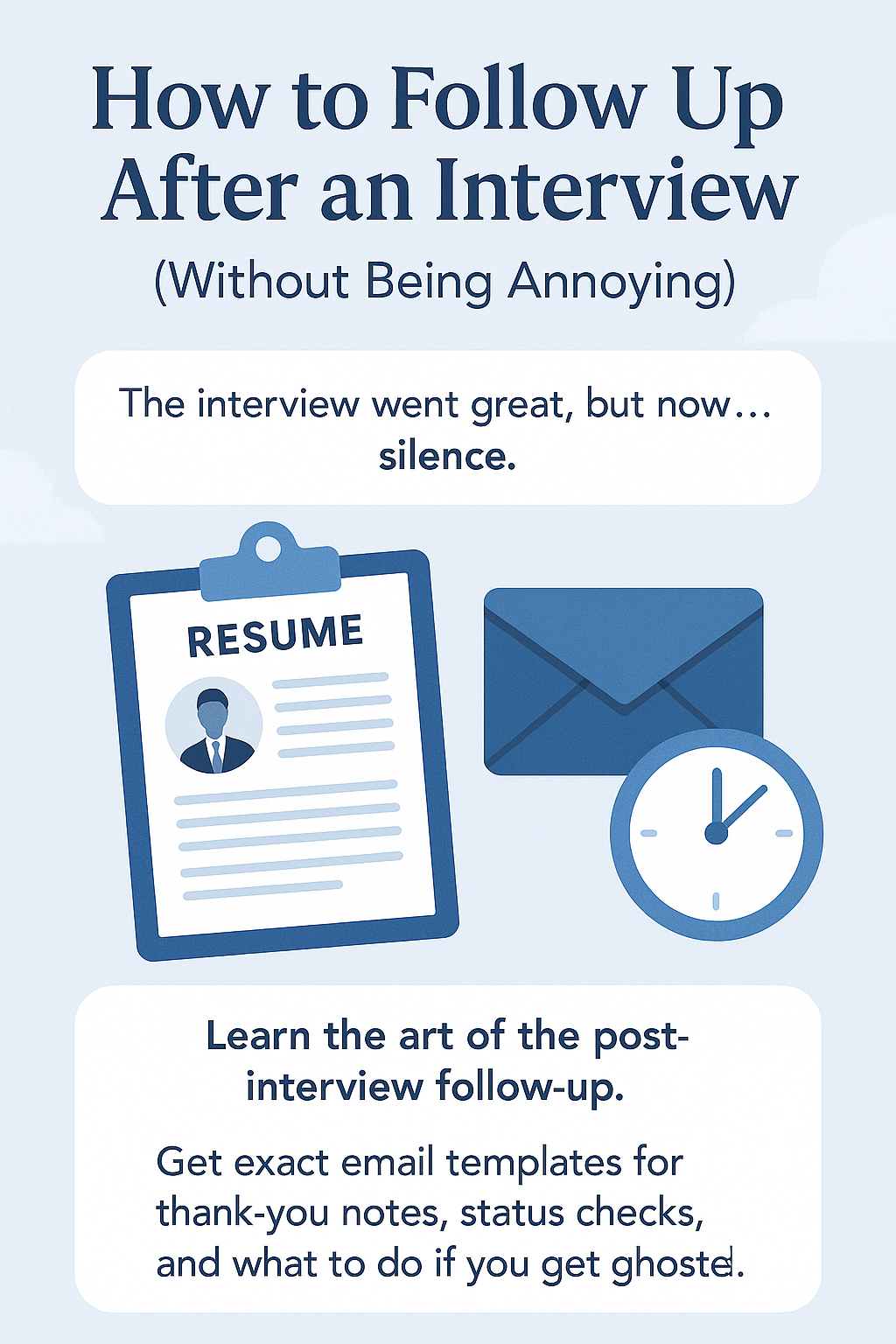
How to Follow Up After an Interview (Without Being Annoying)
You walked out of the interview feeling like a rockstar. You answered every question, you bonded with the hiring manager, and they ended with, "We'll get back to you early next week."
Monday comes. Silence. Tuesday comes. Silence. Wednesday comes. You start refreshing your inbox every 5 minutes.
The "Post-Interview Waiting Game" is psychologically draining. You vacillate between hope ("Maybe they are just busy") and despair ("They hated me, and I'm never getting hired").
Most candidates handle this phase in one of two ways: 1. The Ghost: They never write back, assuming if the company wants them, they will call. 2. The Stalker: They email every day asking, "Any update? Any update?"
Neither strategy works.
Following up is an art form. It is the final step of the sales process. Done correctly, it keeps you top-of-mind and demonstrates your professionalism. Done poorly, it reeks of desperation.
This guide provides the timeline and the exact copy-paste scripts to follow up with class, ensuring you get an answer (even if it's a "No").
Step 1: The "Immediate" Follow-Up (The Thank You Note)
Is the "Thank You" email outdated? No. While it likely won't change a "No" to a "Yes," it reinforces a "Yes" and distinguishes you from the lazy candidates.
- Timing: Send this within 24 hours of the interview.
- The Strategy: Do not just say "Thanks for your time." That is boring. Use the "Recall & Reinforce" method. Mention a specific topic you discussed to prove you were listening.
Template:
Subject: Great chatting with you / [Your Name]
Hi [Interviewer Name],
Thank you for the time yesterday. I really enjoyed learning more about how the [Team Name] is tackling [Specific Challenge discussed].
I was thinking more about your point regarding [Topic X], and it reminded me of an article/project I worked on recently. [Optional: Link/Attachment]. I think that approach could work well here too.
I remain very interested in the role and confident that I can help the team hit the ground running.
Best, [Your Name]
Step 2: The "Nudge" (The Status Check)
If they said "We will get back to you by Monday," and Monday passes... wait. Give them a grace period of 2-3 extra days. Hiring managers get pulled into fires; they aren't ignoring you on purpose.
- Timing: 3-4 days after their stated deadline. (If no deadline was given, wait 1 week after the interview).
- The Strategy: Keep it short. Assume positive intent.
Template:
Subject: Re: Interview for [Job Title] - [Your Name]
Hi [Recruiter Name],
I hope you’re having a productive week.
I’m checking in on the [Job Title] position. You mentioned you hoped to have an update by earlier this week, so I wanted to see if there was any news regarding the next steps.
I’m still very enthusiastic about the opportunity to join [Company Name]. Please let me know if you need any additional information from my end.
Best, [Your Name]
Step 3: The "Value" Follow-Up (The Secret Weapon)
If you still haven't heard back after the first nudge, do not send another "Just checking in" email. It adds no value. Instead, send value.
- Timing: 7-10 days after the last email.
- The Strategy: Send them something useful—a competitive analysis, a mock-up, or a relevant industry news piece. It shows you are already working for them in your head.
Template:
Subject: Idea for [Project Name]
Hi [Hiring Manager Name],
I saw the news today that [Competitor/Industry Trend] is launching [Feature]. It got me thinking about our conversation regarding your roadmap.
I sketched out a few quick ideas on how [Company] could approach this (attached PDF). No obligation to review, but I thought you might find it interesting given our discussion!
Hope you are doing well.
Best, [Your Name]
Step 4: The "Break Up" Email (The Hail Mary)
It has been 3 weeks. You have sent two emails. Crickets. It is time to close the loop. Sometimes, telling them you are moving on triggers a response because of "Loss Aversion."
- Timing: 3+ weeks of silence.
- The Strategy: Be polite but final.
Template:
Subject: Closing loop regarding [Job Title]
Hi [Name],
Since I haven't heard back, I assume you’ve moved forward with another candidate or the position has been put on hold.
I’ll be moving on to other opportunities, but I want to thank you again for the chance to meet the team. I’m a big fan of [Company], so please keep me in mind for future roles.
Best of luck, [Your Name]
The Rules of Engagement
- Don't Call: Unless you have a very close relationship, calling a recruiter's personal cell to ask "Did I get the job?" is invasive. Stick to email.
- Check Your Spam: Before you panic, check your Junk folder. Offers land there more often than you think.
- One Thread: Reply to the existing email thread. Don't start a new email subject line every time. Keep the history visible.
- Accept the Ghost: If they don't reply to the "Break Up" email, let it go. No answer is an answer. It tells you that their culture is disorganized or disrespectful. You dodged a bullet.
Conclusion: Control What You Can
You cannot control whether they hire you. You can control how professional you look while waiting.
A well-timed follow-up shows tenacity and organization—traits every boss wants. Send the email, then close the laptop and keep applying to other jobs. Never stop the engine until the offer letter is signed.
To keep your job search momentum going while you wait, browse fresh listings on JobPe.
For more templates to handle every career conversation, https://jobpe.com.

Creative Content Writer
More from Debojyoti Roy
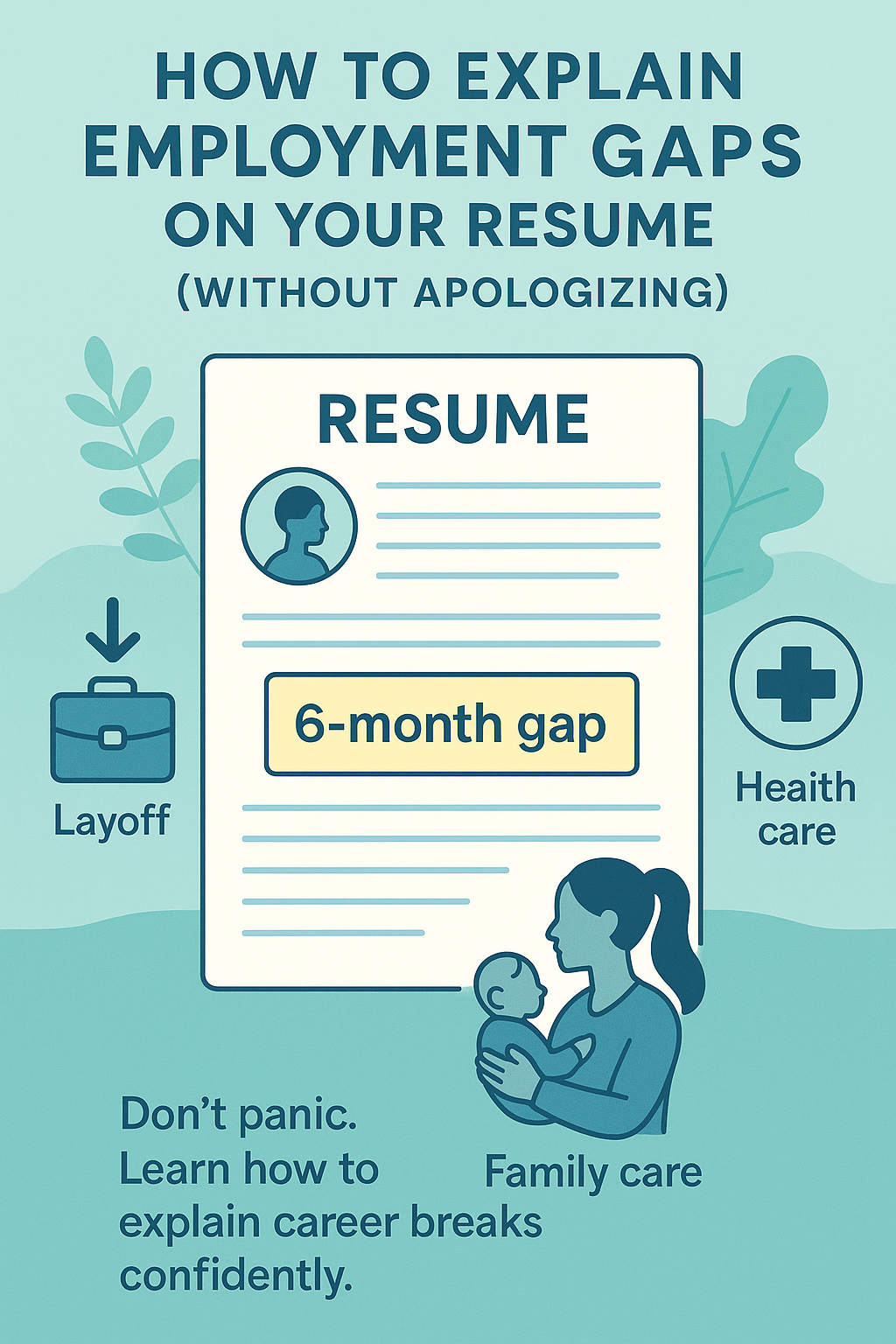
How to Explain Employment Gaps on Your Resume (Without Apologizing)
Worried about the 6-month gap on your resume? Don't panic. Learn how to explain career breaks due to layoffs, health, or family care without sounding defensive.
2025-12-22
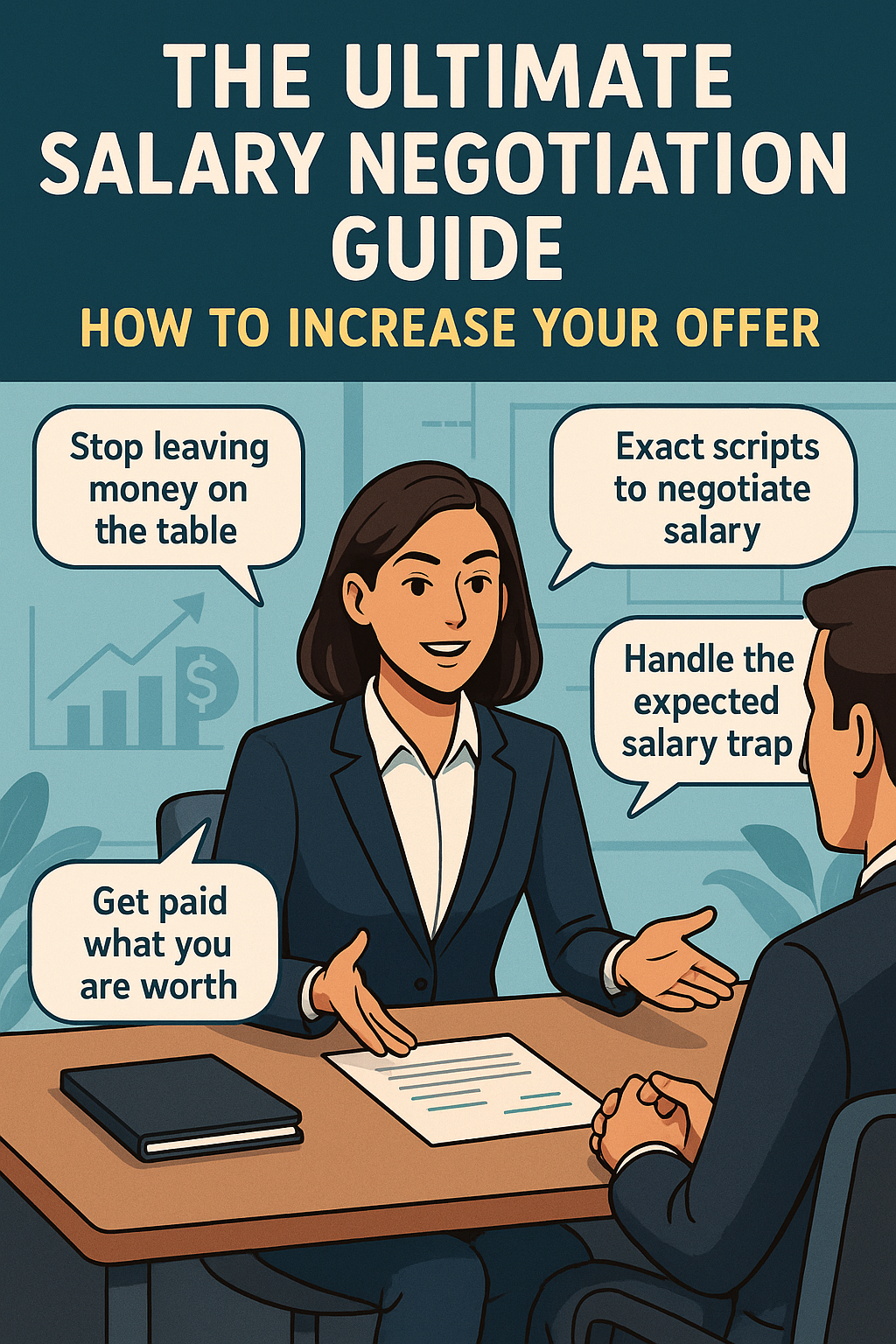
The Ultimate Salary Negotiation Guide: How to Increase Your Offer
Stop leaving money on the table. Learn the exact scripts to negotiate your salary offer, handle the "what is your expected salary" trap, and get paid what you are worth.
2025-12-22
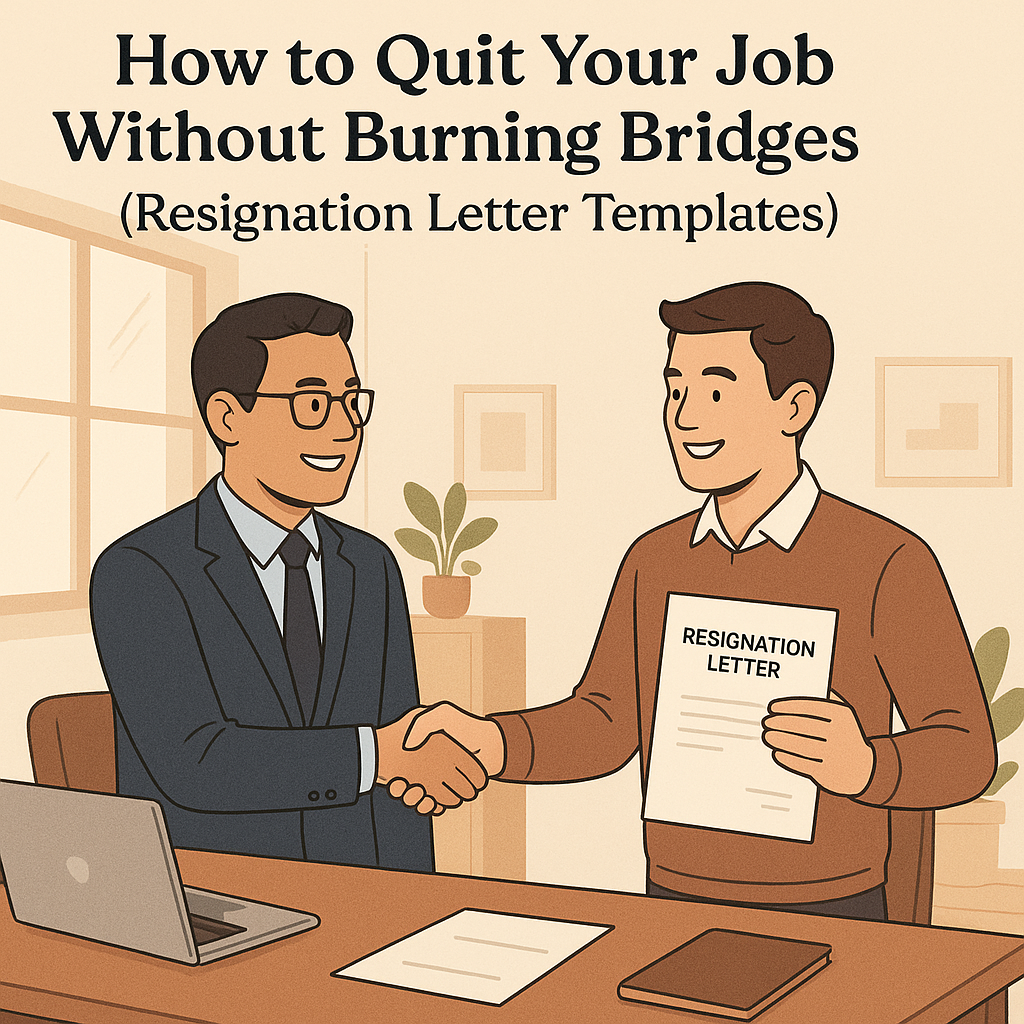
How to Quit Your Job Without Burning Bridges (Resignation Letter Templates)
Planning to resign? Don't rage-quit. Learn how to resign professionally, handle the notice period, and write a resignation letter that keeps your reputation intact.
2025-12-22
How to Pass the HR Phone Screen: The 15-Minute Gatekeeper Interview
The HR phone screen is the first hurdle in the hiring process. Learn what recruiters are looking for, how to answer the salary question early, and how to guarantee you move to the next round.
2025-12-19
Networking for Introverts: How to Build a Professional Network When You Hate Small Talk
Hate networking events? You don't need to be the loudest person in the room to build a powerful network. Learn the introvert's guide to making genuine professional connections.
2025-12-19