



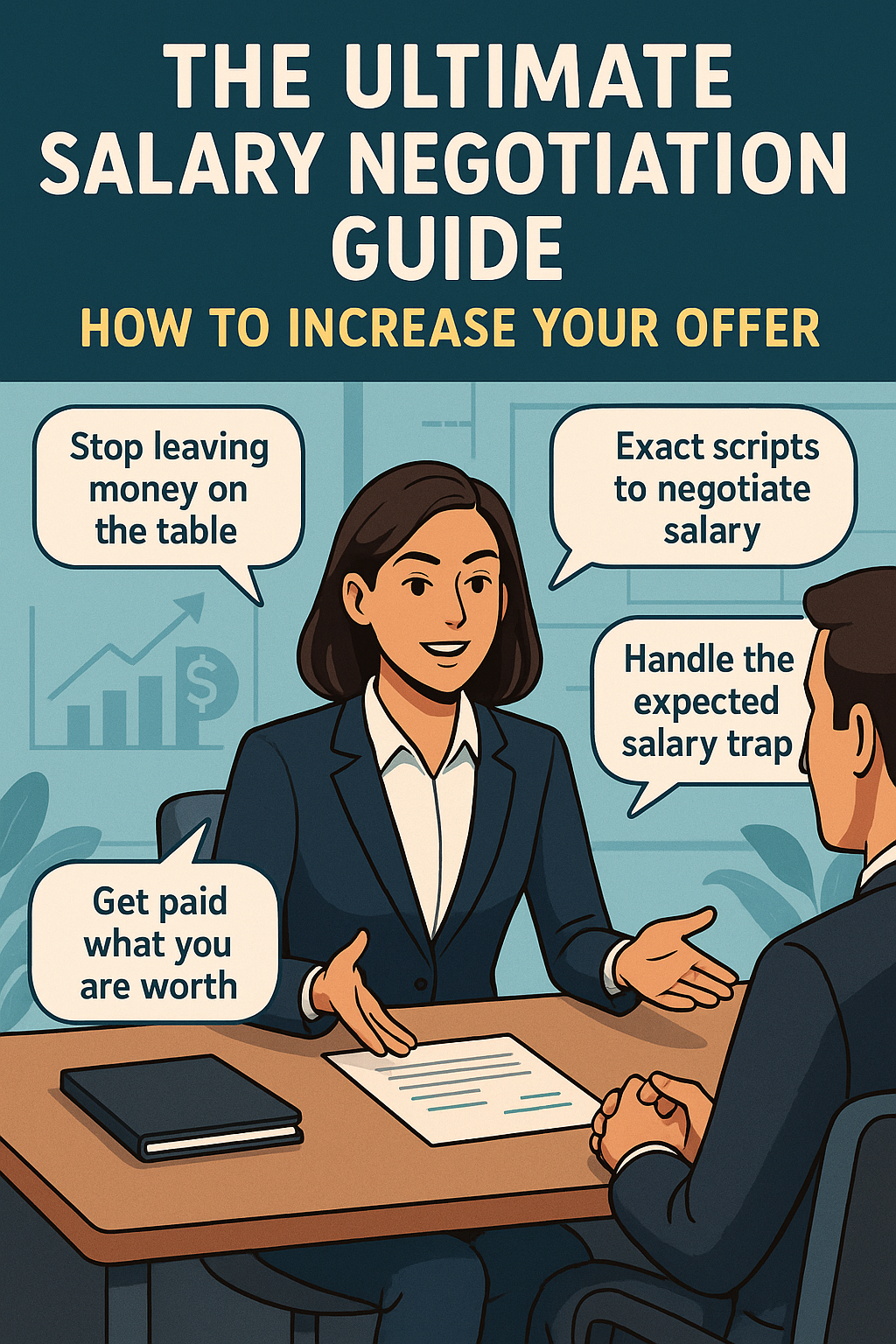
The Ultimate Salary Negotiation Guide: How to Increase Your Offer Without Losing the Job
You got the job offer. The email is in your inbox. The number looks okay.
Your brain immediately starts whispering: * "Just take it. Don't be greedy." * "What if they get angry and take the offer back?" * "I'm just lucky to have a job."
This fear costs the average employee over ₹50 Lakhs ($60,000+) in lost earnings over the course of a career.
Here is the truth: Recruiters expect you to negotiate.
The first number they give you is rarely their "best and final" number. It is usually the middle of their budget range. They expect a counter-offer. If you accept immediately, you aren't being polite; you are telling them they could have hired you for even less.
Negotiating is not about conflict; it is about collaboration. It is about finding a number that reflects the value you bring.
This guide will walk you through the psychology, the rules, and the exact email scripts to boost your starting salary—often by 10% to 20%—with a single email.
Rule 1: The "Flinch" (Don't Accept Immediately)
When they call you with the good news and say, "We are offering you ₹15 Lakhs," do not say "Yes!" immediately.
- The Mistake: Showing excitement too early weakens your leverage.
- The Strategy: Use the Positive Pause.
- The Script: "Thank you so much, [Recruiter Name]. I’m really excited about the role. I’ll need to review the full details of the offer in writing and discuss it with my family. Can you send the offer letter over?"
This buys you time to research and signals that you are a thoughtful decision-maker, not a desperate one.
Rule 2: Anchor Your Number (The Research)
Before you reply, you need data. You cannot just say "I want more." You need to say "The market pays more."
- Find the Range: Use sites like Glassdoor, AmbitionBox, or JobPe Salary Checker to find the market rate for that specific role in that specific city.
- Pick Your Number: If the offer is ₹15L and the market range is ₹16L-₹20L, your counter-offer should be towards the top (e.g., ₹19L), so you have room to settle in the middle (e.g., ₹17.5L).
Rule 3: The Negotiation Email (The Script)
Always negotiate over Email (or a scheduled call), not a surprise phone call. Email gives you time to draft the perfect phrasing without stumbling.
The "Gracious Counter" Script
Use this standard script to ask for more base salary.
Subject: Questions regarding Job Offer - [Your Name]
Hi [Recruiter Name],
Thank you again for the offer. I’m incredibly excited about the opportunity to join the team and solve [Challenge X] with you.
I’ve reviewed the details, and I have one question regarding the base salary.
Currently, the offer stands at [Current Offer]. Based on my research of the current market value for this role, and considering my specific experience in [Skill A] and [Skill B] that allows me to hit the ground running, I was expecting a package closer to [Counter Offer Number].
If we can move the base closer to that number, I would be thrilled to sign the offer immediately and start on [Date].
Best regards, [Your Name]
Why this works: 1. Positive Sandwich: Starts and ends with excitement. 2. Justification: It references "market value" and "skills," not "I need more money for rent." 3. The "Close": It promises an immediate signature if they meet the number. This is highly motivating for recruiters who want to close the role.
Rule 4: Negotiating "Beyond the Base"
If they come back and say: "Sorry, we have a strict salary cap. We can't move the base."
Do not give up. Pivot to the "perks." These often come from different budgets.
- Script: "I understand the budget constraints on the base salary. Since we can't move on that, would you be open to adjusting other components to bridge the gap? Specifically:
- A one-time Signing Bonus?
- A Relocation Allowance?
- An extra week of Paid Time Off (PTO)?
- A dedicated budget for Work-From-Home setup?"
A signing bonus is often the easiest thing for a recruiter to approve because it is a one-time cost, not a recurring salary expense.
Rule 5: Handling the "Current Salary" Trap
In India and many other markets, recruiters ask: "What is your current salary?" early in the process to peg your new offer to your old one (e.g., a standard 30% hike).
Do not let your past dictate your future.
- The Trap: If you are underpaid now, a 30% hike might still leave you underpaid.
- The Deflection: "I prefer to focus on the market value for this specific role and the responsibilities it entails, rather than my previous package, as this position is quite different in scope."
The "Walk Away" Test
The ultimate leverage in any negotiation is your willingness to say "No."
If the offer is fundamentally too low and they refuse to budge, you must be prepared to walk away. * The Script: "I really appreciate you trying to make this work. Unfortunately, at this salary level, I won't be able to accept the role. I have to make the best financial decision for my family. I truly hope we can cross paths in the future."
Creating this boundary often (but not always) triggers a panic response where they suddenly "find" extra budget. If not, you avoided a job that didn't value you.
Conclusion: It’s Just Business
Remember: The recruiter is not your friend, and they are not your enemy. They are a professional trying to close a deal.
When you negotiate professionally, you actually gain respect. It shows you know your worth.
Send that email. The worst they can say is "We can't do that," in which case you can still accept the original offer. But the best case? You just earned a year's worth of raises in 5 minutes.
To ensure you are asking for the right amount, benchmark your role on JobPe Salary Insights before you hit send.
For more guides on managing your career growth, https://jobpe.com.

Creative Content Writer
More from Debojyoti Roy
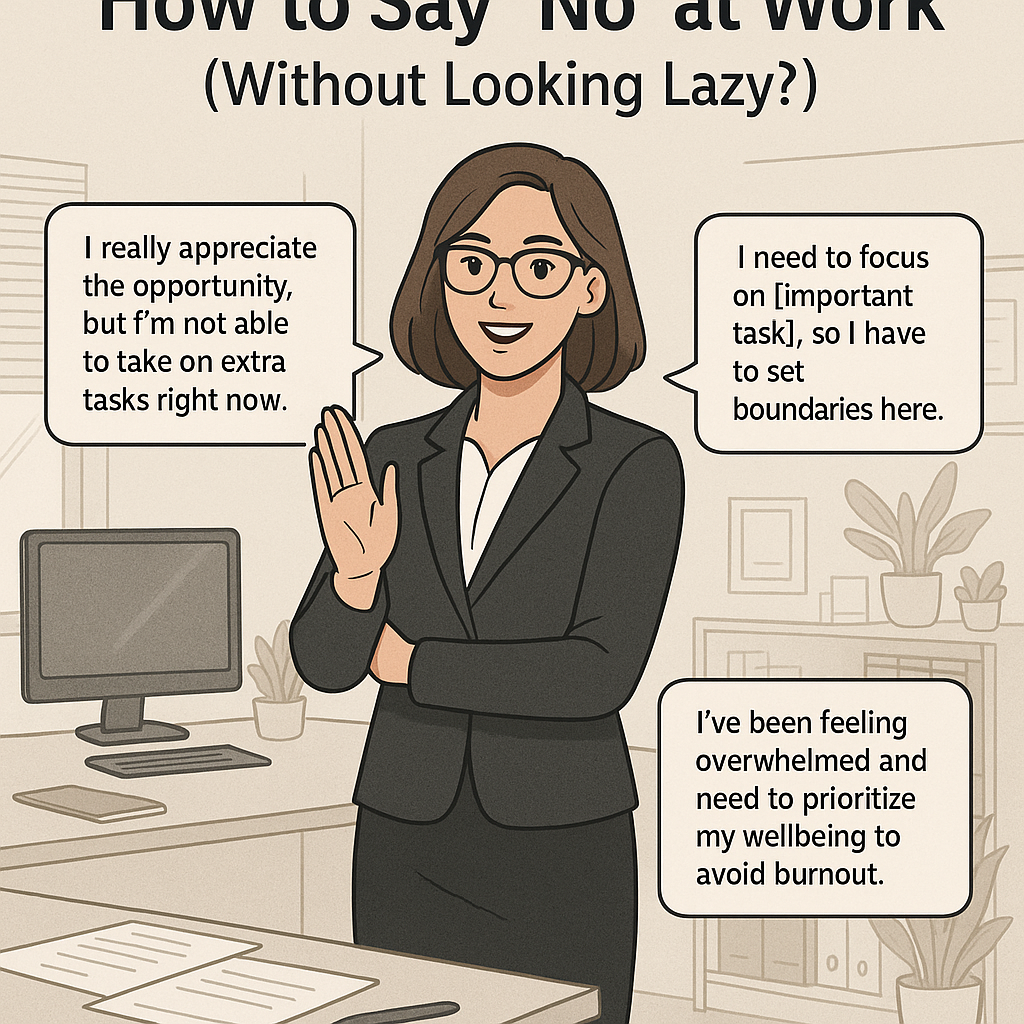
How to Say "No" at Work (Without Looking Lazy)?
Are you drowning in work because you can't say no? Learn the art of the "Positive No." Use these 3 professional scripts to decline extra tasks, set boundaries with your boss, and protect your burnout.
2026-02-06
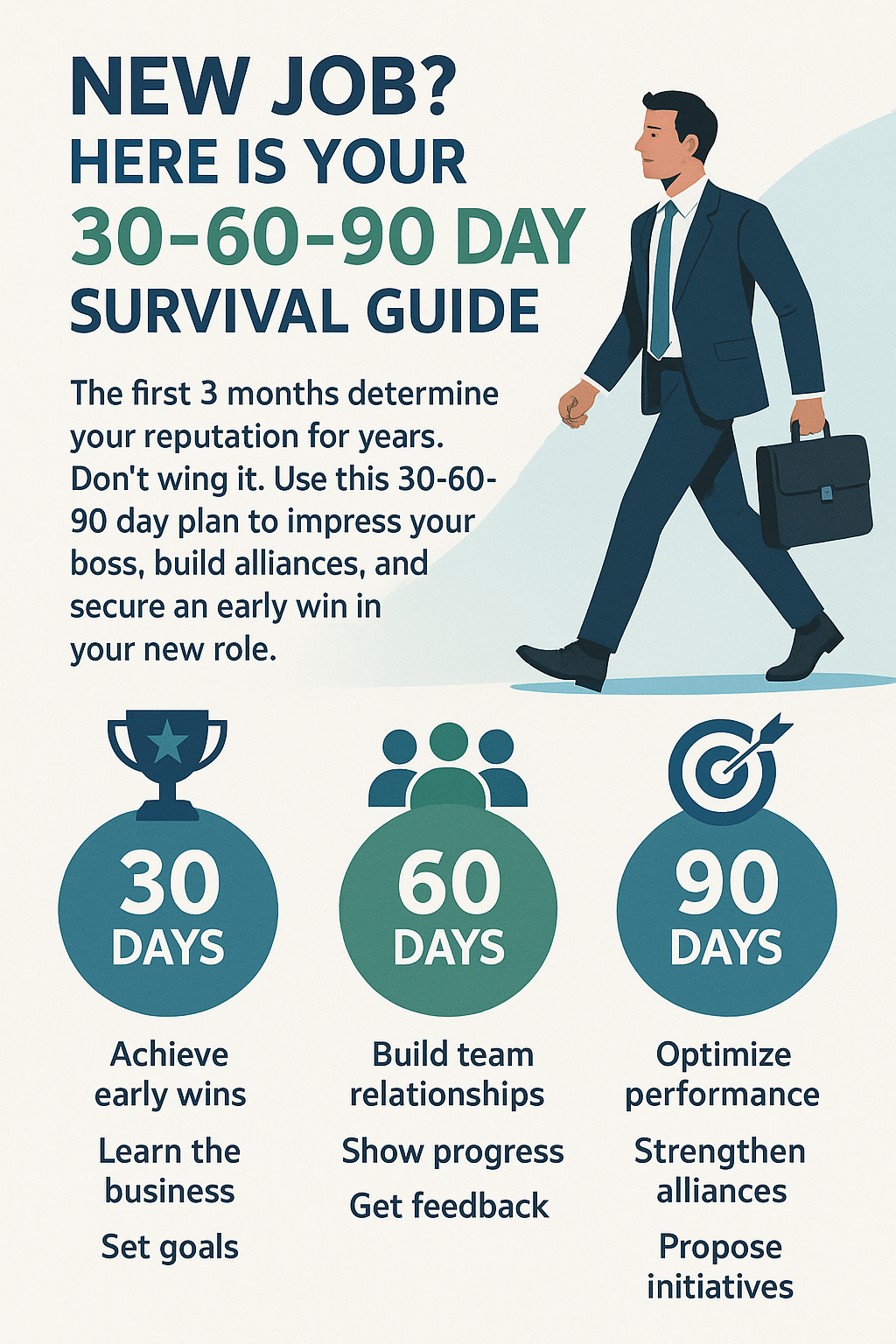
New Job? Here Is Your 30-60-90 Day Survival Guide
The first 3 months determine your reputation for years. Don't wing it. Use this 30-60-90 day plan to impress your boss, build alliances, and secure an early win in your new role.
2026-02-06

Why Hard Work Won't Get You Promoted (And What Actually Will)
Are you the "reliable" employee who keeps getting passed over for promotions? Learn the "PIE Model" of career success and why Visibility matters more than just Performance.
2026-01-30
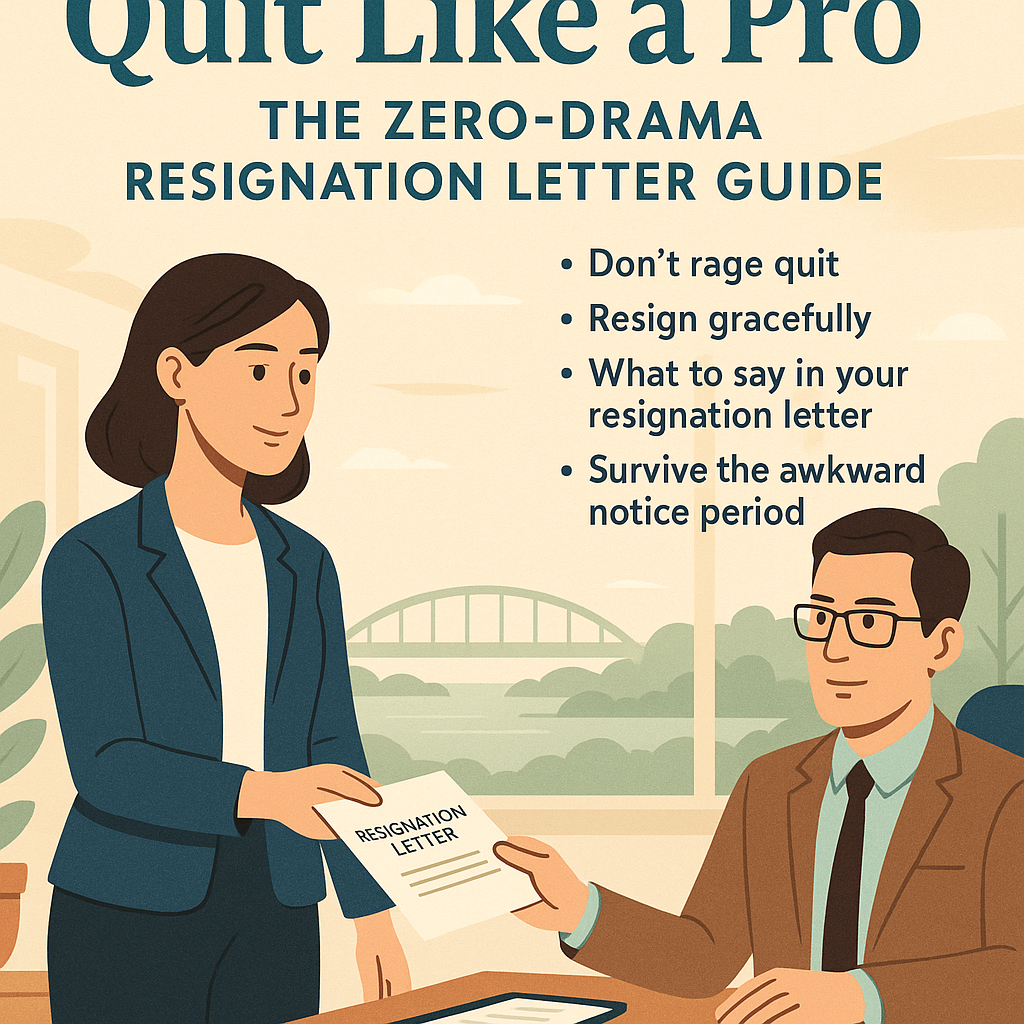
Quit Like a Pro: The Zero-Drama Resignation Letter Guide
Don't rage quit. Learn how to resign gracefully, what to say in your resignation letter, and how to survive the "awkward" notice period without burning bridges.
2026-01-29
1-Minute Salary Negotiation Script That Gets You a 20% Raise
60% of candidates accept the first salary offer. Don't be one of them. Use this copy-paste email script to negotiate a higher starting salary without being aggressive.
2026-01-29