



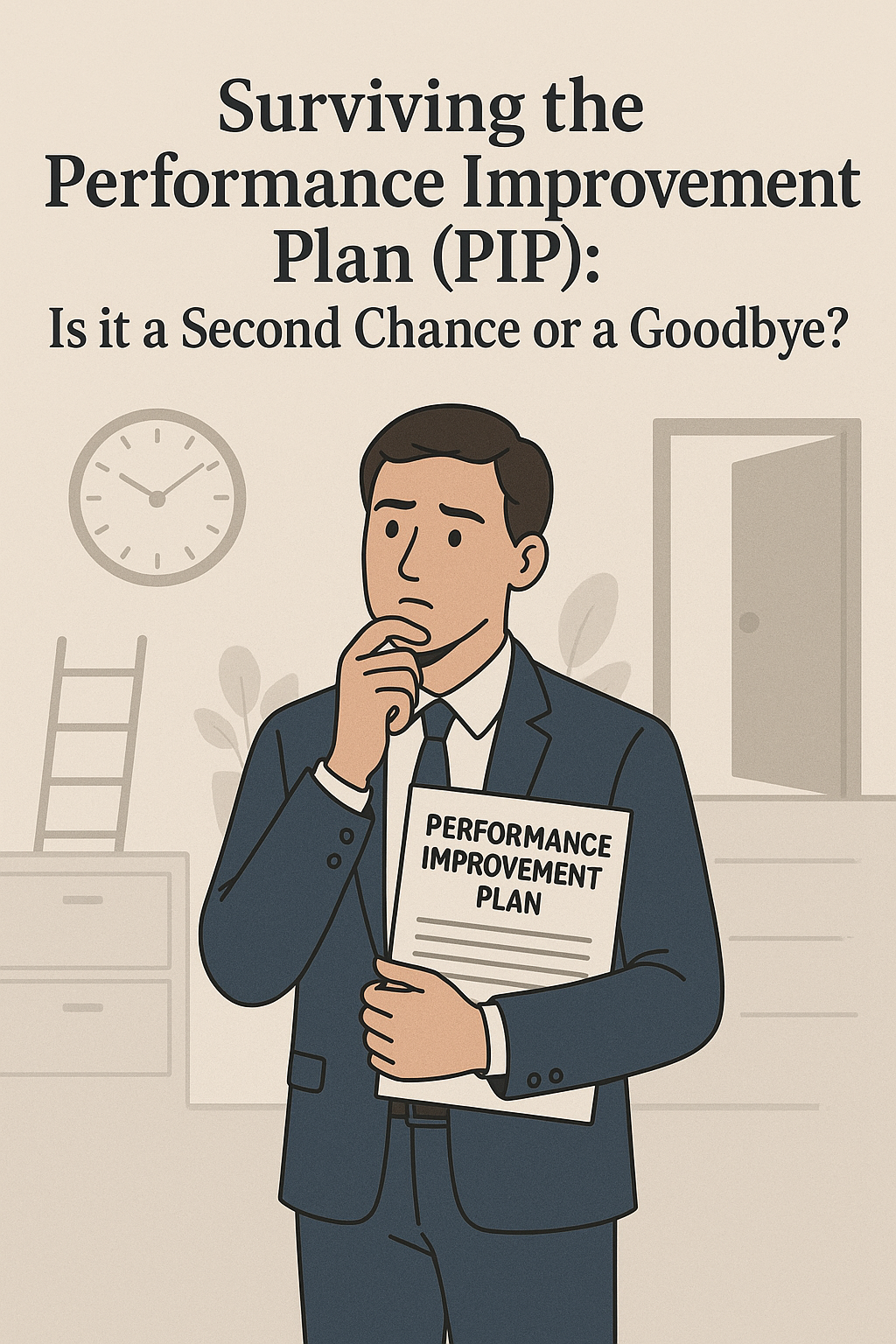
Surviving the Performance Improvement Plan (PIP): Is it a Second Chance or a Goodbye?
It usually happens in a scheduled 1:1 meeting. The tone is serious. An HR representative might be present. Your manager slides a document across the table (or sends a PDF) titled "Performance Improvement Plan."
Your heart sinks. In the corporate world, the acronym "PIP" is whispered with dread. It is often viewed as the "Kiss of Death"—a mere formality before you are fired, a paper trail created solely to protect the company from legal action during a termination.
But is that always true? Is a PIP essentially a fired notice with a 30-day delay? Or is it a genuine tool to help a struggling employee get back on track?
The answer is complicated. While many companies use PIPs as a pre-firing checklist, others genuinely use them to correct course. The difference between surviving a PIP and being escorted out by security lies in your ability to read the situation, control your emotions, and execute a cold, calculated strategy.
This guide will help you navigate this crisis. We will decode the true intent behind your PIP, provide a survival checklist, and tell you when it’s time to stop fighting and start packing.
Phase 1: The Diagnosis (Decode the Intent)
Before you sign anything or start working late nights, you need to determine the real purpose of this PIP.
Sign It’s a Genuine Second Chance: * The goals are SMART: Specific, Measurable, Achievable, Relevant, and Time-bound. (e.g., "Close 3 deals worth ₹5L," not "Improve attitude"). * Your manager is invested: They set up weekly check-ins to help you, offer training, or remove obstacles. * The timeline is reasonable: You are given 60-90 days to turn things around, not an impossible 2 weeks.
Sign It’s a "Paid Interview Period" (You are being managed out): * The goals are vague or impossible: "Show more leadership" or "Increase sales by 200%" in a dying market. * Your manager is distant: They document your failures via email but avoid helping you in person. * The surprise factor: You had no prior feedback about poor performance, and this hit you out of the blue.
Phase 2: The Strategy (Fight or Flight)
Once you’ve diagnosed the intent, pick your lane.
Strategy A: The "Fight" (You want to stay)
If the goals are achievable and you love the job, fight for it. 1. Over-Communicate: Do not hide. Send a daily or weekly email to your manager listing exactly what you achieved that day. Create a paper trail of your success. 2. Clarify the Ambiguity: If a goal says "Improve code quality," ask for the metric. "Does that mean zero bugs in UAT? Or passing 90% of unit tests?" Get it in writing. 3. Get a Mentor: Ask a senior peer (not your boss) to review your work before you submit it.
Strategy B: The "Flight" (You need to leave)
If the PIP is a sham, or the trust is broken, use this time to find your next job. 1. Do the Bare Minimum: Do just enough to not get fired immediately for "gross misconduct." Do not work 14-hour days trying to hit impossible targets. Save that energy for interviews. 2. Use the "Paid Time": A PIP is essentially a paid notice period. You are still getting a salary. Use your evenings and weekends to aggressively apply for jobs. 3. Negotiate the Exit: If you see the writing on the wall, you can sometimes approach HR proactively. "I don't think this role is the right fit. Instead of dragging out this PIP for 30 days, can we agree on a mutual separation with a severance package?" This saves them time and gets you money.
Phase 3: The Execution (Dos and Don'ts)
DO: * Sign the Acknowledgment: Signing usually just means "I received this," not "I agree I am terrible." Refusing to sign looks insubordinate. However, you can add a note: "I am signing to acknowledge receipt, but I respectfully disagree with the assessment of my performance." * Document Everything: Save emails, Slack messages, and positive feedback from clients. If they fire you unfairly, you might need this evidence (especially in disputes regarding severance or bonds). * Stay Professional: Do not badmouth your boss to colleagues. It will get back to them and accelerate your exit.
DON'T: * Panic: Anxiety leads to mistakes. Treat this as a project to be managed. * Argue the Past: In the PIP meeting, don't argue about what happened 6 months ago. Focus on the future. "Okay, I understand that is the concern. How do we measure the improvement going forward?"
The Aftermath: Life After PIP
- If you survive: Congratulations. But be warned—your card is marked. You will likely miss the next promotion or raise. It might be wise to stabilize your position and then look for a fresh start elsewhere in 6-12 months.
- If you are let go: It is not the end. A PIP is often a result of a bad fit, not bad talent. You might be a terrible fish, but an excellent bird. Find a tree to climb, not another ocean to swim in.
Conclusion: It’s a Wake-Up Call
A PIP is clarity. It tells you exactly where you stand. Whether you use it to fix your performance or to fund your job search, take control of the narrative. Do not let the PIP define your worth; let your response to it define your character.
If you decide the best path is a fresh start, begin your search immediately on JobPe. And to ensure you land a role that fits your strengths, use the JobPe Career Path Explorer to find environments where you can thrive, not just survive.

Creative Content Writer
More from Debojyoti Roy
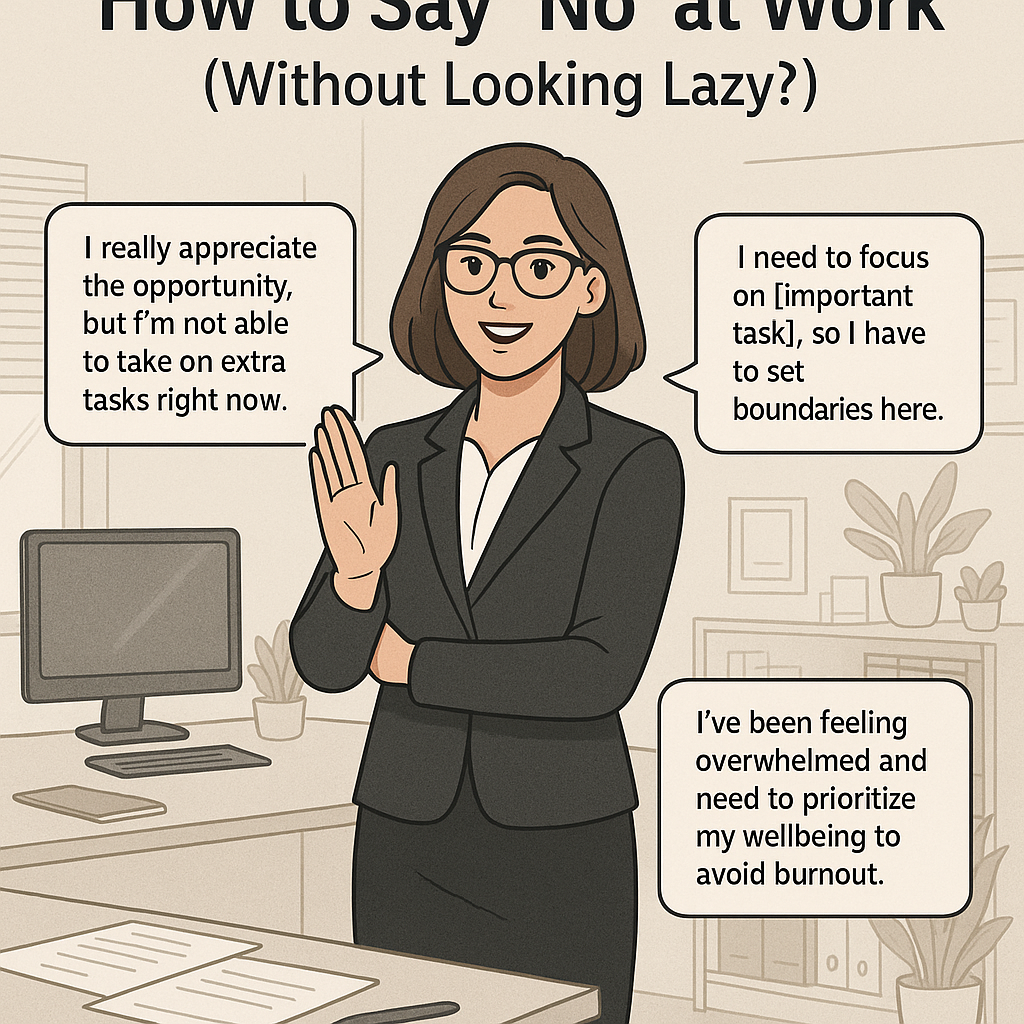
How to Say "No" at Work (Without Looking Lazy)?
Are you drowning in work because you can't say no? Learn the art of the "Positive No." Use these 3 professional scripts to decline extra tasks, set boundaries with your boss, and protect your burnout.
2026-02-06
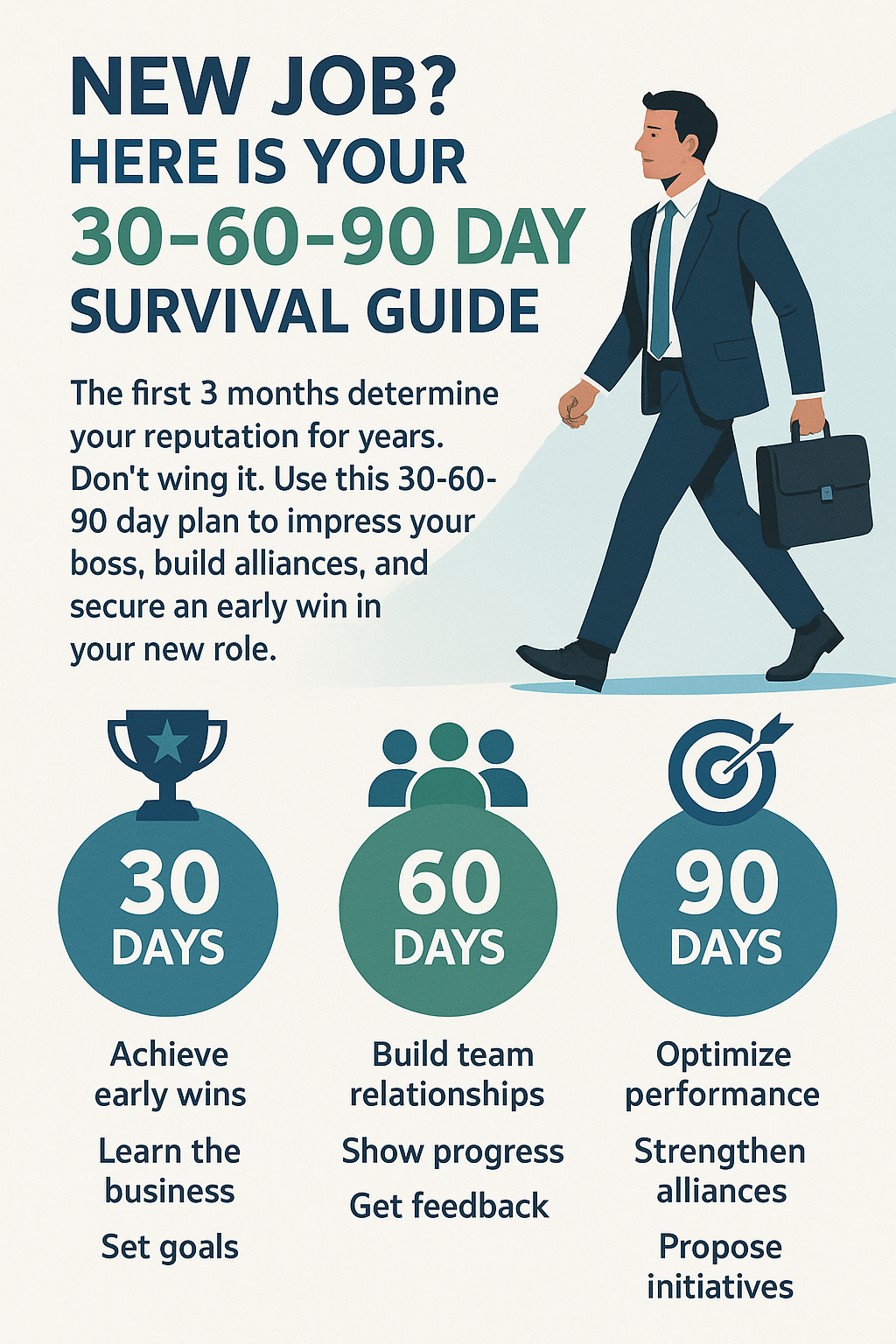
New Job? Here Is Your 30-60-90 Day Survival Guide
The first 3 months determine your reputation for years. Don't wing it. Use this 30-60-90 day plan to impress your boss, build alliances, and secure an early win in your new role.
2026-02-06
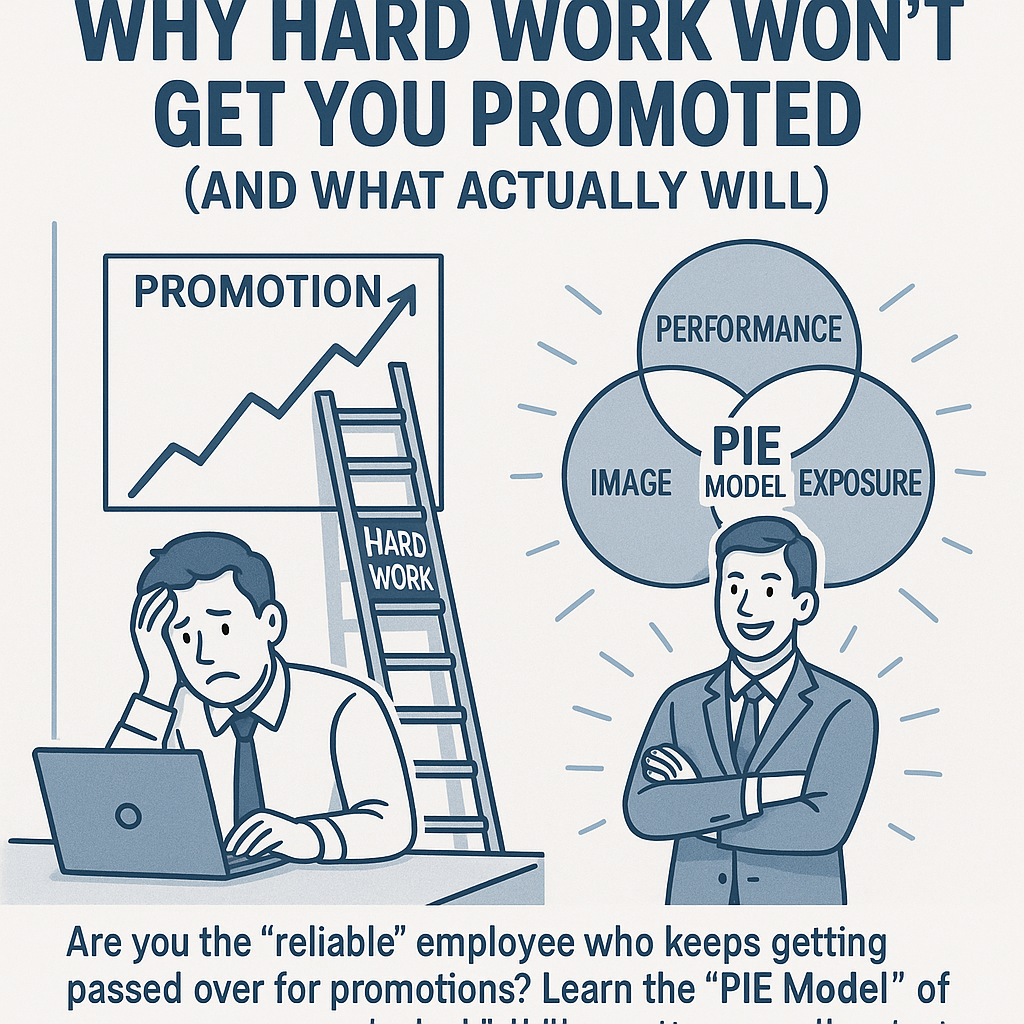
Why Hard Work Won't Get You Promoted (And What Actually Will)
Are you the "reliable" employee who keeps getting passed over for promotions? Learn the "PIE Model" of career success and why Visibility matters more than just Performance.
2026-01-30
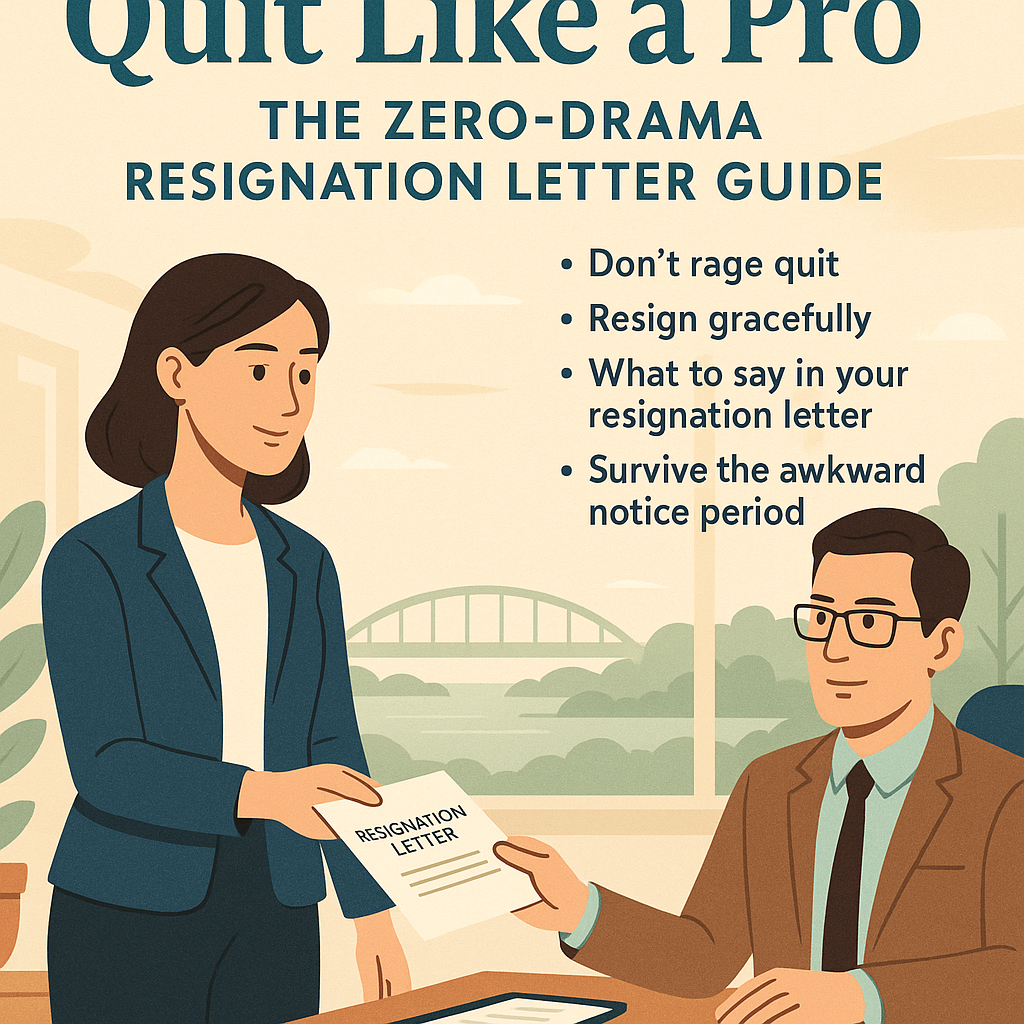
Quit Like a Pro: The Zero-Drama Resignation Letter Guide
Don't rage quit. Learn how to resign gracefully, what to say in your resignation letter, and how to survive the "awkward" notice period without burning bridges.
2026-01-29
1-Minute Salary Negotiation Script That Gets You a 20% Raise
60% of candidates accept the first salary offer. Don't be one of them. Use this copy-paste email script to negotiate a higher starting salary without being aggressive.
2026-01-29