



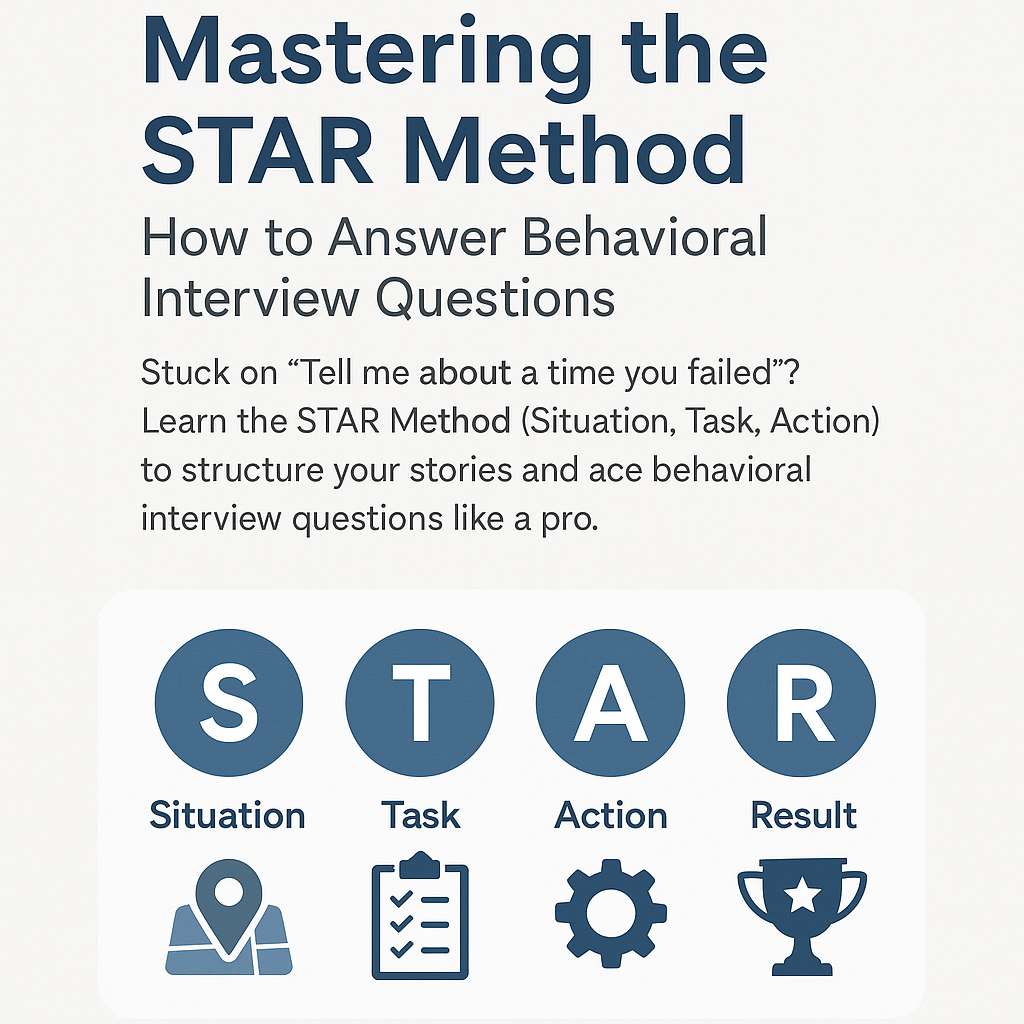
Mastering the STAR Method: How to Answer Behavioral Interview Questions
The interviewer looks at you and says: "Tell me about a time you had a conflict with a coworker and how you resolved it."
Your brain freezes. You scramble for a memory. You start rambling: "Well, there was this one guy, Bob, and he was really annoying, and we didn't agree on the project, but then we talked and it was fine."
This is a weak answer. It lacks detail, structure, and impact.
Recruiters call these Behavioral Questions. They always start with "Tell me about a time..." or "Give me an example of..."
The logic is simple: Past behavior predicts future performance. If you handled stress well in 2024, you will likely handle it well in 2026.
To ace these questions, you don't need to be a writer; you need a formula. That formula is the STAR Method. It is the industry standard for structuring interview answers at companies like Amazon, Google, and Deloitte.
What is the STAR Method?
STAR stands for Situation, Task, Action, Result. It turns a vague memory into a compelling 2-minute story.
1. Situation (Set the Scene)
Give the context. Keep it brief (10% of your answer). * Example: "In my previous role as a Marketing Lead, we were preparing for our biggest Black Friday sale ever, but our designer unexpectedly quit two weeks before the launch."
2. Task (The Challenge)
What was the problem? What were you trying to achieve? (10% of your answer). * Example: "My goal was to ensure all 50+ ad creatives were designed and approved on time, despite being short-staffed, to avoid losing our ad spend budget."
3. Action (The Hero Moment)
This is the most important part (60% of your answer). What did YOU do? Avoid saying "We." Use "I." * Example: "I immediately called an emergency meeting to prioritize the assets. I hired a freelance designer within 24 hours to handle the basic production work. I also personally stepped in to design the simpler templates using Canva, freeing up our Art Director to focus on the high-value video assets."
4. Result (The Happy Ending)
How did it end? Use numbers. (20% of your answer). * Example: "As a result, we launched the campaign on time. The ads generated ₹10 Lakhs in revenue, which was a 20% increase over the previous year. My manager commended my ability to stay calm under pressure."
Top 3 Behavioral Questions (And How to Answer Them)
Q1: "Tell me about a time you failed."
- The Trap: Saying "I never fail" or blaming others ("My team failed").
- The STAR Fix:
- S/T: I was leading a project to migrate our database. I underestimated the complexity.
- A: I missed the deadline by 3 days. I immediately took ownership, communicated the delay to the client, and worked over the weekend to fix it.
- R: We launched successfully. I then created a new "Risk Assessment Checklist" to ensure I never underestimated a timeline again. (Shows you learned).
Q2: "Tell me about a time you had a conflict with a coworker."
- The Trap: Badmouthing the coworker. ("He was lazy.")
- The STAR Fix:
- S/T: My colleague and I disagreed on the strategy for a sales pitch. He wanted to focus on price; I wanted to focus on quality.
- A: Instead of arguing, I suggested we A/B test both pitches with a small group of prospects. I listened to his reasoning and found a middle ground.
- R: We combined the strategies. The hybrid pitch closed the deal worth ₹50k. We built a stronger working relationship because we focused on data, not ego.
Q3: "Tell me about a time you showed leadership (even if you weren't the manager)."
- The Trap: Thinking leadership requires a title.
- The STAR Fix:
- S/T: Our team morale was low during the pandemic because of remote isolation.
- A: I took the initiative to organize a weekly virtual "Coffee Chat" on Fridays where work talk was banned.
- R: Attendance was 100%. The team reported feeling more connected, and our productivity on Mondays increased because people felt recharged.
The "Bank of Stories" Preparation Strategy
You cannot predict every question, but you can prepare 5 "Core Stories" that fit almost any question.
Prepare one story for each of these categories: 1. A Conflict Story (Disagreement, difficult client). 2. A Failure Story (Mistake, missed deadline). 3. A Leadership Story (Mentoring, stepping up). 4. A Problem-Solving Story (Fixing a bug, saving money). 5. A Success Story (Awards, revenue growth).
When they ask, "Tell me about a challenge," use Story #1 or #4. When they ask, "What is your greatest weakness," adapt Story #2.
Common Mistakes to Avoid
- The "We" Syndrome: "We did this, we decided that." The interviewer isn't hiring your team; they are hiring you. Use "I" statements for the Action part.
- The Never-Ending Story: Keep it to 2 minutes. If you ramble on the Situation for 5 minutes, you lose them.
- The Vague Result: "And then it worked out." Boring. Use data. "We saved 10 hours a week" or "We increased sales by 15%."
Conclusion: Be the Hero of Your Own Movie
The STAR method is just a way to structure a hero's journey. There is a villain (the problem), a struggle (the task), a battle (the action), and a victory (the result).
Before your next interview, write down your 5 Core Stories in bullet points. Practice telling them out loud.
To practice these stories with an AI that listens and grades your structure, use the JobPe Mock Interview Tool.
For more interview frameworks, https://jobpe.com.

Creative Content Writer
More from Debojyoti Roy
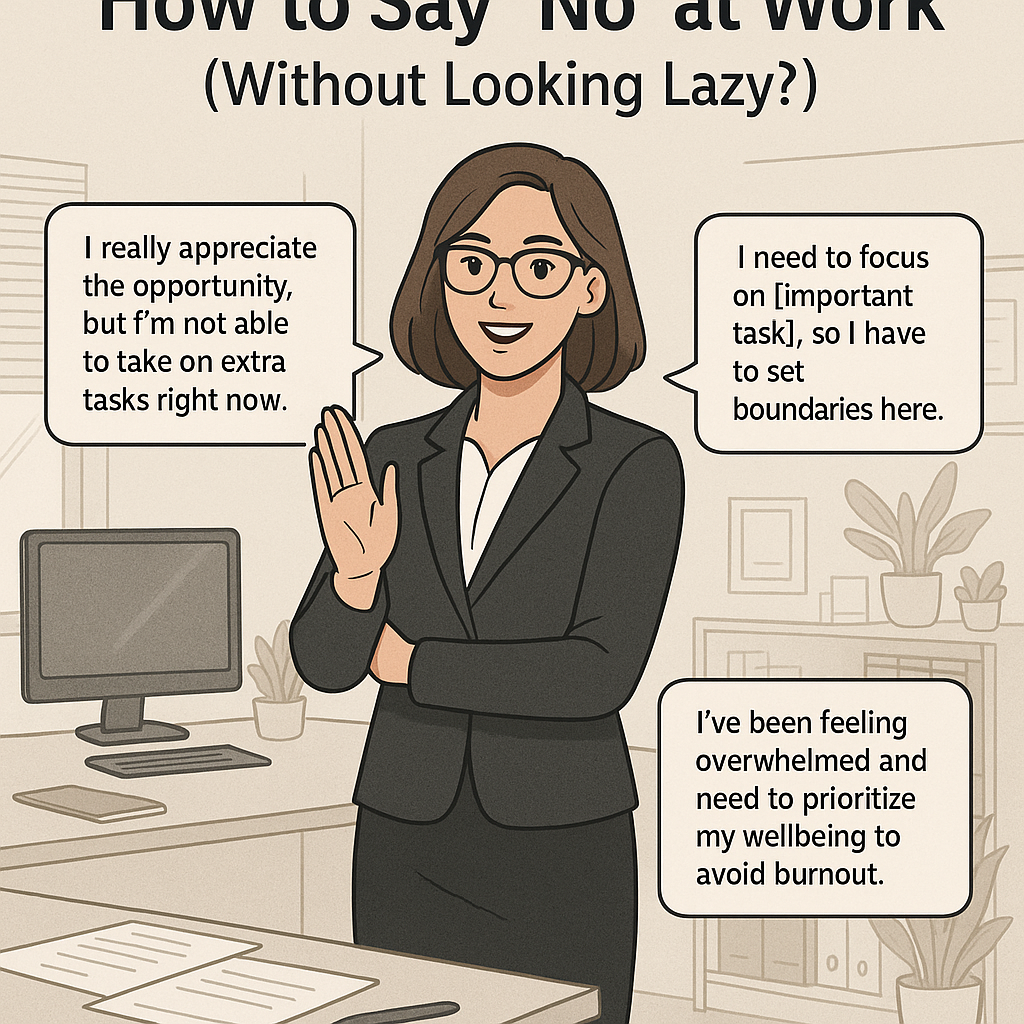
How to Say "No" at Work (Without Looking Lazy)?
Are you drowning in work because you can't say no? Learn the art of the "Positive No." Use these 3 professional scripts to decline extra tasks, set boundaries with your boss, and protect your burnout.
2026-02-06
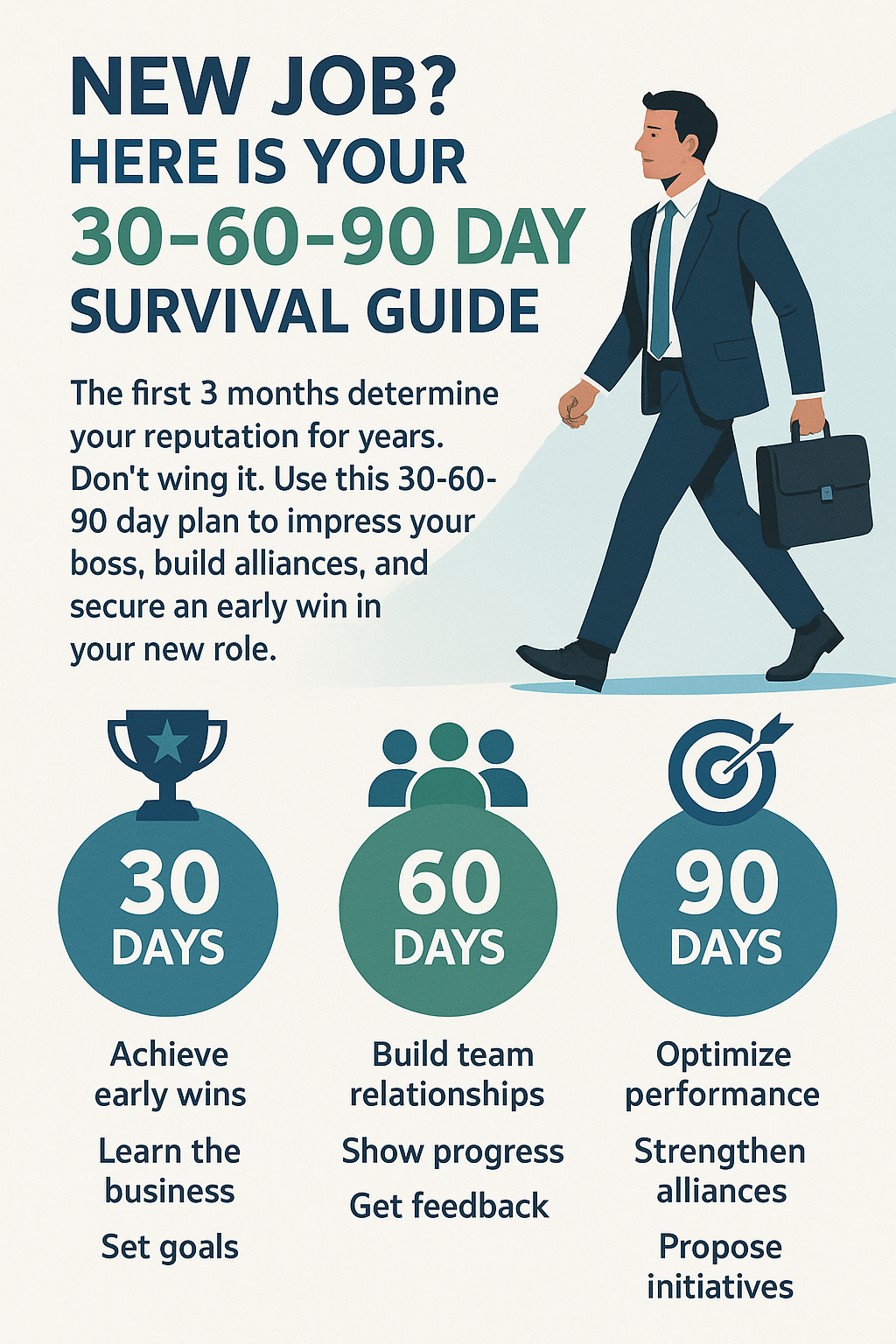
New Job? Here Is Your 30-60-90 Day Survival Guide
The first 3 months determine your reputation for years. Don't wing it. Use this 30-60-90 day plan to impress your boss, build alliances, and secure an early win in your new role.
2026-02-06
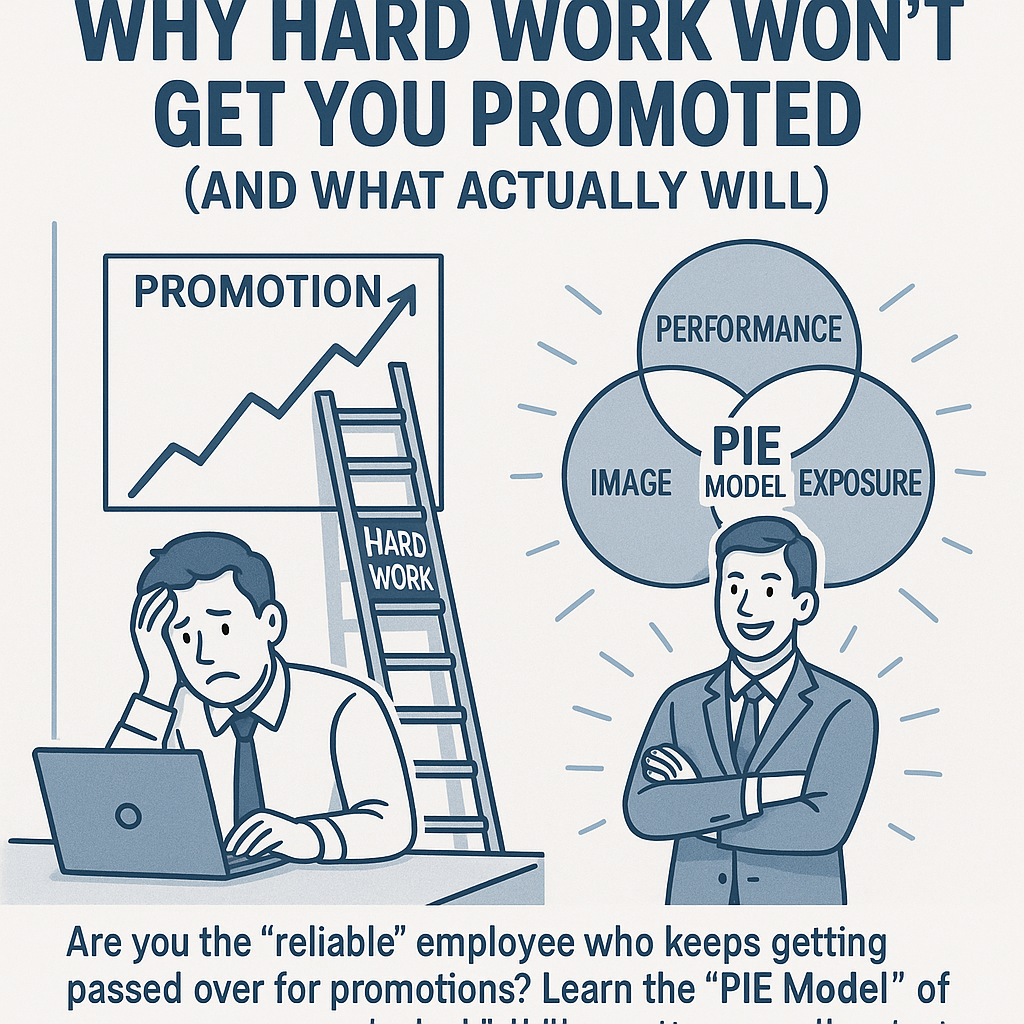
Why Hard Work Won't Get You Promoted (And What Actually Will)
Are you the "reliable" employee who keeps getting passed over for promotions? Learn the "PIE Model" of career success and why Visibility matters more than just Performance.
2026-01-30
Quit Like a Pro: The Zero-Drama Resignation Letter Guide
Don't rage quit. Learn how to resign gracefully, what to say in your resignation letter, and how to survive the "awkward" notice period without burning bridges.
2026-01-29
1-Minute Salary Negotiation Script That Gets You a 20% Raise
60% of candidates accept the first salary offer. Don't be one of them. Use this copy-paste email script to negotiate a higher starting salary without being aggressive.
2026-01-29