



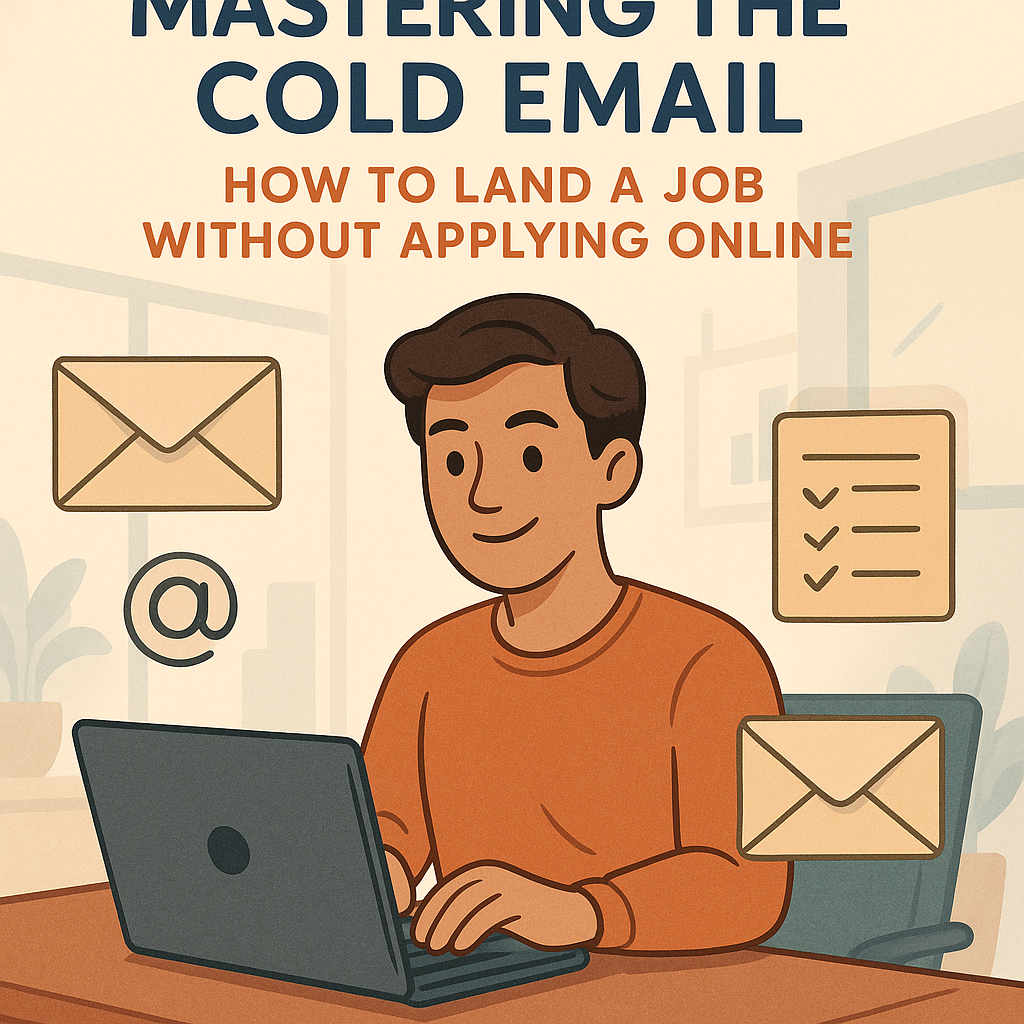
Mastering the Cold Email: How to Land a Job Without Applying Online
The standard job search process can often feel like shouting into a void. You spend hours tailoring your resume, fill out endless online forms, hit "submit," and then... silence. You are one of hundreds, perhaps thousands, of applicants in a digital pile, hoping that an algorithm picks you. It’s a passive, frustrating, and often inefficient way to find your next role.
But what if there was a way to skip the line? What if, instead of waiting to be picked, you could choose yourself? This is the power of the cold email.
Sending a direct email to a hiring manager, a recruiter, or a potential peer at your dream company is one of the most effective, yet underutilized, strategies in the modern job search. It allows you to bypass the Applicant Tracking System (ATS), showcase your initiative, and put your story directly in front of a human decision-maker. It taps into the "hidden job market"—roles that haven't been advertised yet or needs that a team hasn't even formalized into a job description.
However, cold emailing is a high-risk, high-reward game. A generic, copy-pasted email will be deleted in seconds. A thoughtful, strategic, and value-driven email can open doors that no online application ever could. This guide is your masterclass in cold emailing. We will teach you how to find the right person, craft a subject line that gets opened, write a message that gets read, and follow up without being annoying.
Step 1: Find the Right Target (Don't Email "HR")
The first rule of cold emailing is: never email a generic inbox like careers@company.com or info@company.com. These are black holes. You need to find a specific human being.
Who to target: * The Hiring Manager: This is the gold standard. If you're applying for a marketing role, look for the "Marketing Director" or "Head of Marketing." They are the ones with the pain point you can solve. * A Potential Peer: A "Senior Marketing Manager" (if you're applying for a junior role) can be a great entry point. They might be willing to give you advice or refer you internally. * The Recruiter: If you can't find the manager, a specialized recruiter at the company is a good backup.
How to find them:
* LinkedIn: Search for the company and filter by "People." Look for titles relevant to the department you want to work in.
* Company Website: Check the "Team" or "About Us" page.
* Email Finding Tools: Tools like Hunter.io or RocketReach can help you find the specific email format for the company (e.g., firstname.lastname@company.com).
Step 2: The Subject Line (The Gatekeeper)
Your subject line decides whether your email gets opened or deleted. It needs to be professional, clear, and intriguing. Avoid generic subject lines like "Job Application" or "Hello."
Winning Subject Line Formulas: * The Connection: "Question for a fellow [University] Alum" * The Flattery: "Loved your recent article on [Topic] / Quick Question" * The Value Prop: "[Your Role] with exp in [Key Skill] - Inquiry" * The Direct Approach: "Application for [Role Name] - [Your Name]" (Best if you know they are hiring).
Step 3: The Hook (The First Sentence)
Do not start with "My name is..." or "I am writing to apply for..." This is boring and self-centered. Start by making it about them.
- Mention a specific detail: "I've been following [Company Name]'s work on [Project] and was incredibly impressed by..."
- Reference a shared connection: "[Name] suggested I get in touch with you..."
- Compliment their work: "I recently listened to your podcast episode on [Topic] and found your perspective on..."
This proves you are not a robot and that you have done your homework.
Step 4: The Pitch (The "Why Me")
Briefly (in 2-3 sentences) explain who you are and the value you can bring. Do not just summarize your resume. Connect your skills to their problems.
- The Formula: "I am currently a [Current Role] helping [What you do]. Recently, I [Mention one major quantifiable achievement]. I noticed your team is [Mention a goal or challenge they might have], and I believe my experience in [Your Skill] could help you [Desired Result]."
Step 5: The Call to Action (The "Ask")
Be specific about what you want, but keep it low pressure. Don't ask for a job; ask for a conversation.
- The Soft Ask: "I’d love to learn more about your team's challenges. Would you be open to a brief 10-minute chat sometime next week?"
- The Direct Ask (if a job is posted): "I've attached my resume for your review. Are you open to a brief conversation to see if I might be a fit for the [Role Name] position?"
Proven Templates to Get You Started
Template 1: The "Admirer" (No specific job posted)
Subject: Loved your take on [Topic] / Aspiring [Role]
Hi [Name],
I recently read your article on [Topic] and was really struck by your insight on [Specific Point]. It completely changed how I view [Industry Trend].
I’m a [Your Role] with [Number] years of experience in [Skill], currently looking for my next challenge. I’ve consistently admired [Company Name]’s innovative approach to [Field], specifically your recent [Project].
I’d love to learn more about how your team approaches [Specific Challenge]. Would you be open to a brief 10-minute virtual coffee chat next week?
Best regards, [Your Name] [LinkedIn Profile Link]
Template 2: The "Direct Applicant" (Applying for an open role)
Subject: Application for [Role Name] - [Your Name] - [Key Achievement]
Dear [Hiring Manager Name],
I’ve been following [Company Name] for a while and was excited to see the opening for the [Role Name] position.
In my current role as [Current Role] at [Current Company], I recently [mention a specific, quantifiable achievement relevant to their job description, e.g., increased organic traffic by 40%]. I know you are looking for someone to drive [Key Goal from Job Description], and I am confident my experience in [Key Skill] would allow me to make an immediate impact.
I’ve attached my resume and would love the opportunity to discuss how I can contribute to your team’s success.
Best, [Your Name] [LinkedIn Profile Link]
Step 6: The Follow-Up (Don't Give Up)
Most people won't reply to the first email. They are busy. Sending a follow-up shows persistence, not annoyance. * Wait 3-5 business days. * Keep it short: "Hi [Name], just bubbling this up to the top of your inbox. I know you're busy, but I'd still love to connect if you have a moment. Thanks!" * Send a maximum of 2 follow-ups. If there is still no reply, move on.
Conclusion: Fortune Favors the Bold
Cold emailing is a skill that separates the passive job seeker from the proactive career builder. It requires courage, research, and a bit of resilience. You won't get a reply every time. But when you do, it will be a high-quality connection that skips the line and puts you directly in front of the people who matter.
Start small. Identify 5 people this week and send them a thoughtful, well-researched note. You might be surprised by who writes back.
To ensure your resume is ready to be attached to these emails, polish it with the JobPe Resume Builder. And to find the companies worth emailing, browse our extensive database of companies.
For more tools to help you take control of your job search, https://jobpe.com.

Creative Content Writer
More from Debojyoti Roy
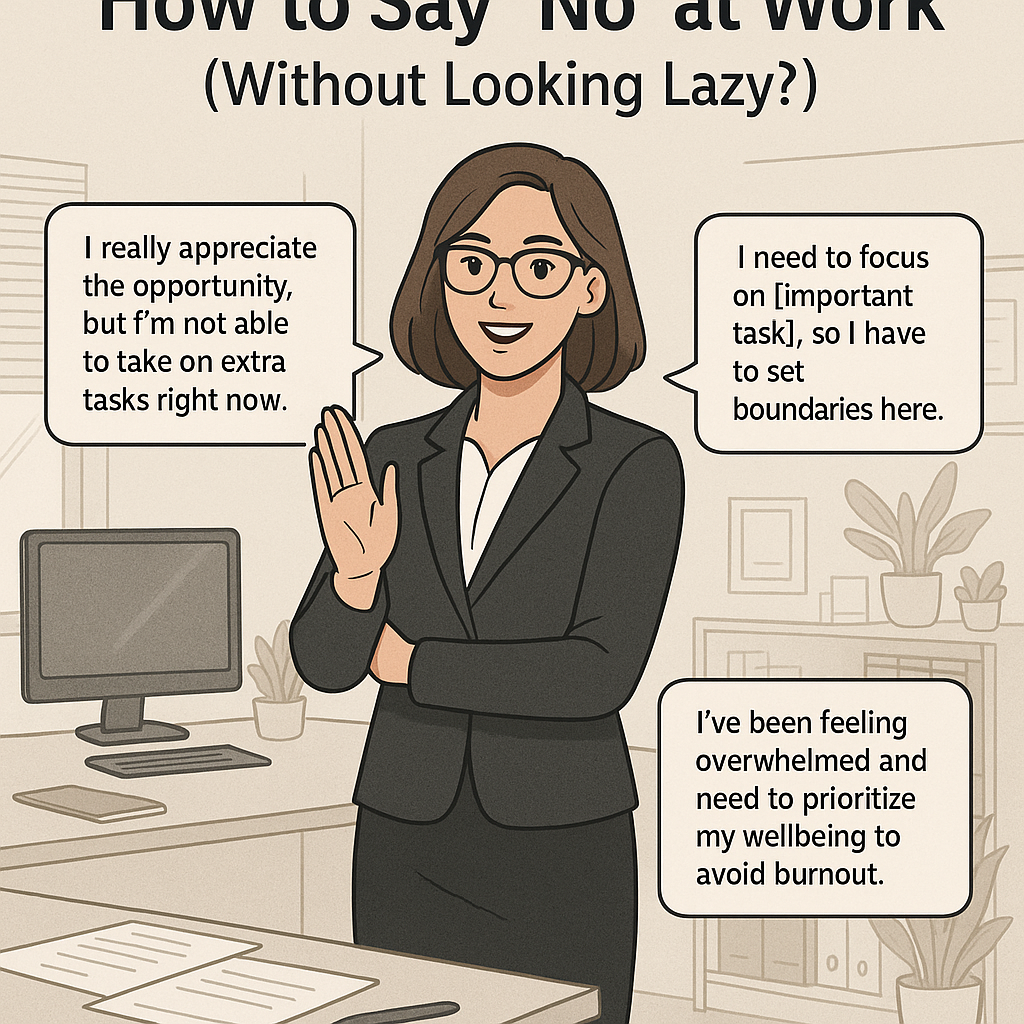
How to Say "No" at Work (Without Looking Lazy)?
Are you drowning in work because you can't say no? Learn the art of the "Positive No." Use these 3 professional scripts to decline extra tasks, set boundaries with your boss, and protect your burnout.
2026-02-06
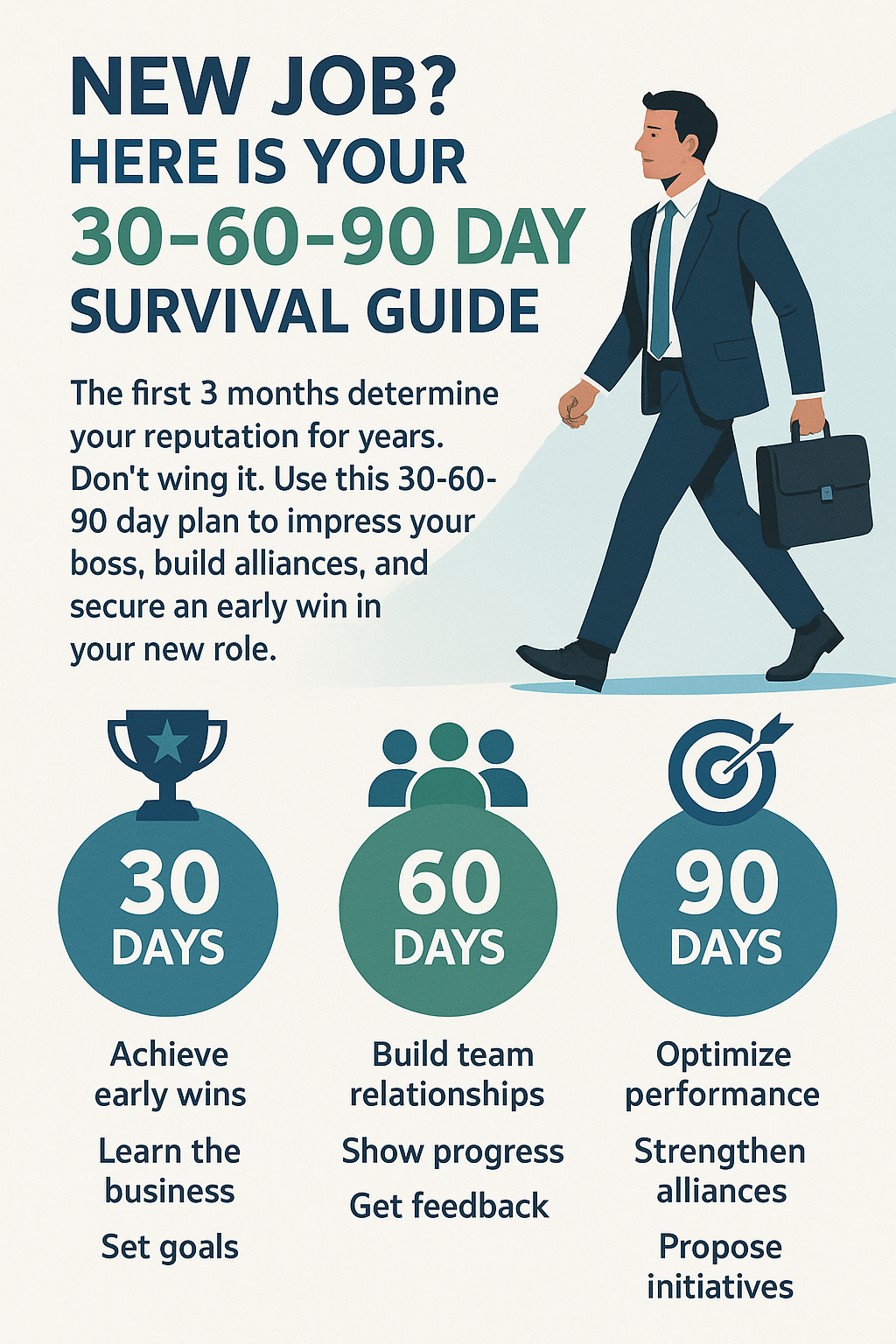
New Job? Here Is Your 30-60-90 Day Survival Guide
The first 3 months determine your reputation for years. Don't wing it. Use this 30-60-90 day plan to impress your boss, build alliances, and secure an early win in your new role.
2026-02-06
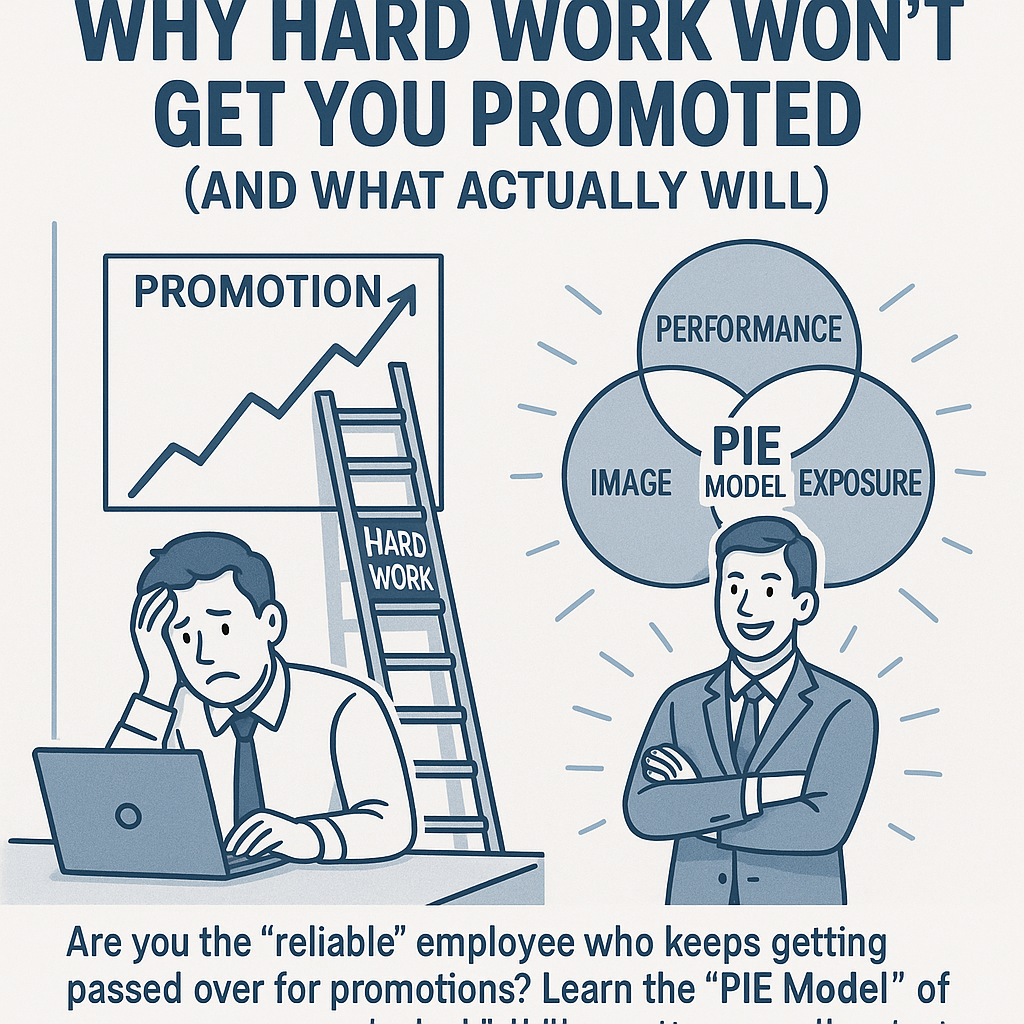
Why Hard Work Won't Get You Promoted (And What Actually Will)
Are you the "reliable" employee who keeps getting passed over for promotions? Learn the "PIE Model" of career success and why Visibility matters more than just Performance.
2026-01-30
Quit Like a Pro: The Zero-Drama Resignation Letter Guide
Don't rage quit. Learn how to resign gracefully, what to say in your resignation letter, and how to survive the "awkward" notice period without burning bridges.
2026-01-29
1-Minute Salary Negotiation Script That Gets You a 20% Raise
60% of candidates accept the first salary offer. Don't be one of them. Use this copy-paste email script to negotiate a higher starting salary without being aggressive.
2026-01-29