



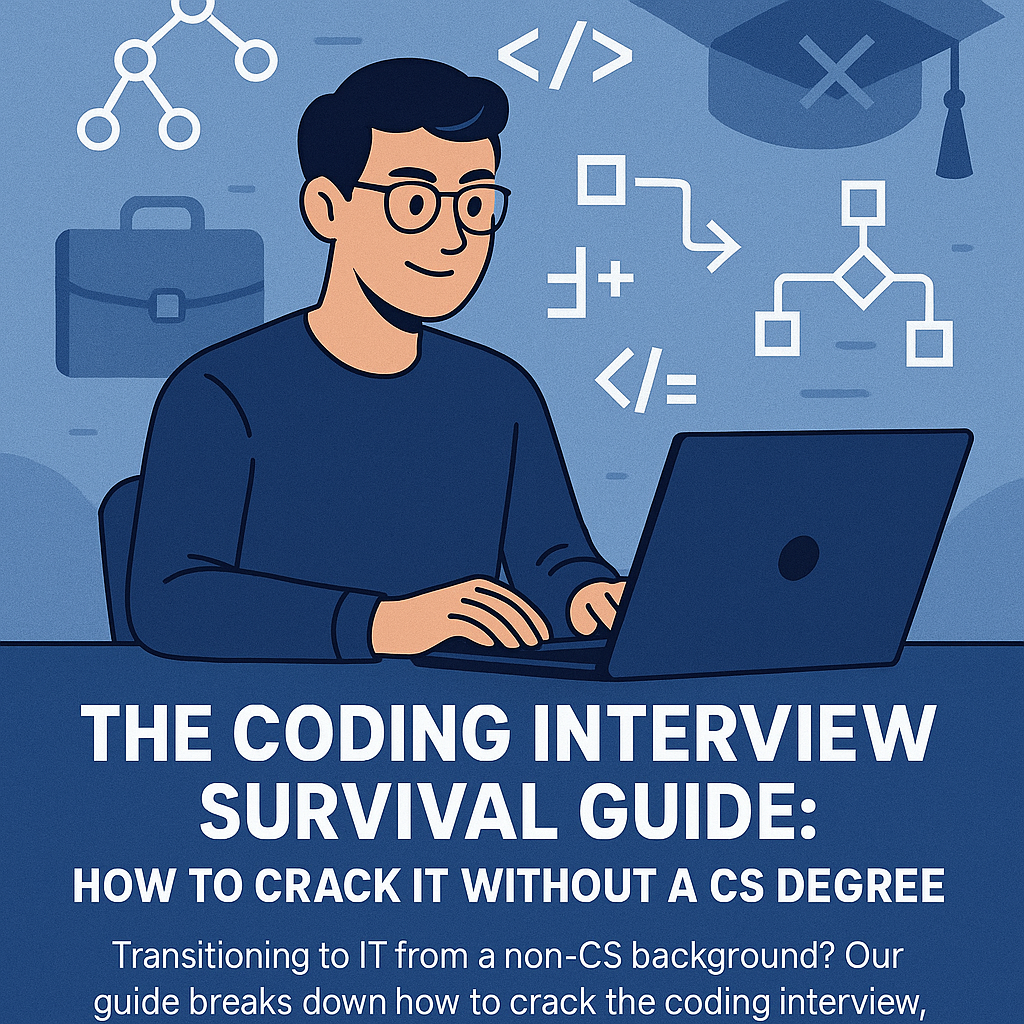
The Coding Interview Survival Guide: How to Crack It Without a CS Degree
In the booming Indian tech landscape, a quiet migration is happening. Every year, thousands of students from Mechanical, Civil, Electrical, and Commerce backgrounds decide to pivot their careers toward the IT sector. They are attracted by the high starting salaries, the rapid growth opportunities, and the sheer volume of jobs available.
However, standing between them and that lucrative offer letter is a formidable gatekeeper: The Coding Interview.
For a Computer Science graduate, concepts like "Binary Trees," "Big O Notation," and "Hash Maps" are part of their daily vocabulary. For everyone else, they can sound like an alien language. The fear of being "found out" as a non-coder is real. Many candidates freeze up, convinced that they lack the fundamental brainpower or years of theory required to solve algorithmic problems on a whiteboard.
Here is the truth: Coding interviews are not a test of your degree; they are a test of a specific, learnable skill set. It is a standardized game with rules, patterns, and strategies. You do not need four years of theory to win; you need 3-6 months of focused, strategic practice. Some of the best developers at companies like Google and Amazon do not have CS degrees; they simply mastered the interview process.
This guide is your bridge to the tech world. We will strip away the academic jargon, tell you exactly what to focus on (and what to ignore), and provide a roadmap to cracking the coding interview—even if you’ve never written a line of code in college.
Step 1: Pick One Language (And Stick to It)
The biggest mistake beginners make is trying to learn C++, Java, and Python all at once. In an interview, you only need one.
- The Strategy: Choose a language that is high-level and easy to read.
- Recommendation: Python is widely recommended for interviews because it is concise. A solution that takes 20 lines in Java might take 5 lines in Python. This saves you valuable time during a 45-minute interview.
- The Goal: You don't need to build apps with it yet. You just need to master the syntax (loops, variables, functions) so you can express your logic without syntax errors.
Step 2: Demystifying "DSA" (Data Structures & Algorithms)
You will hear the acronym "DSA" constantly. Don't let it scare you. It’s just a fancy way of organizing data. You don't need to know everything. Focus on the "Big 5" that show up in 80% of entry-level interviews:
- Arrays & Strings: Lists of numbers or text. (e.g., "Find the duplicate number in this list.")
- Hash Maps (Dictionaries): Storing data in key-value pairs. This is the secret weapon for solving problems quickly.
- Linked Lists: A chain of data nodes.
- Stacks & Queues: First-in, Last-out data structures.
- Trees (Basic): Organizing data hierarchically.
Ignore for Now: Dynamic Programming (Advanced), Graph Theory (Advanced). These are rarely asked in entry-level non-FAANG interviews.
Step 3: The "Think Aloud" Protocol (Your Safety Net)
In a coding interview, silence is suicide. The interviewer is not just checking if your code runs; they are checking how you think.
If you get stuck, do not stare at the screen. Talk. * Say: "Okay, my initial thought is to use a brute-force approach where I check every number, but that would be slow. I'm trying to think of a way to use a Hash Map to speed this up..." * Why it works: Even if you don't get the final solution, showing a logical thought process can still get you hired. Interviewers will often give you hints if they know what you are thinking.
Step 4: Pattern Recognition (Don't Memorize Solutions)
Do not try to memorize the code for 500 problems. It’s impossible. Instead, learn to recognize patterns.
Most coding questions are just variations of a few core patterns. * The "Two Pointer" Pattern: Used for searching pairs in a list. * The "Sliding Window" Pattern: Used for finding subarrays. * The "Fast & Slow Pointer" Pattern: Used for detecting cycles.
Once you learn the pattern, you can solve 50 different questions that use it.
Step 5: The Mock Interview (The Stress Test)
Coding alone in your room is very different from coding while someone watches you. You need to simulate the pressure. * Peer Mocks: Find a friend and interview each other. * Platform Practice: Use tools that simulate the timed environment.
Where to Practice?
You need a structured environment to practice these problems. * LeetCode / HackerRank: The industry standards. Start with "Easy" problems. * JobPe Coding Practice: Our dedicated Coding Practice section offers a curated list of problems specifically chosen for the Indian job market, filtering out the unnecessary noise of ultra-hard competitive programming questions.
Conclusion: It’s a Muscle, Not a Gift
Coding is not magic. It is logic. It is a muscle that grows with repetition. If you are from a non-CS background, you actually have an advantage: you bring a different perspective and often stronger soft skills to the table.
Combine your unique background with a solid 3 months of DSA practice, and you become a "double threat"—technically competent and functionally diverse.
Don't let the "CS Degree" requirement on the job description stop you. If you can solve the problem on the whiteboard, you get the job.
To find entry-level developer roles open to all backgrounds, set up your job alerts today.

Creative Content Writer
More from Debojyoti Roy
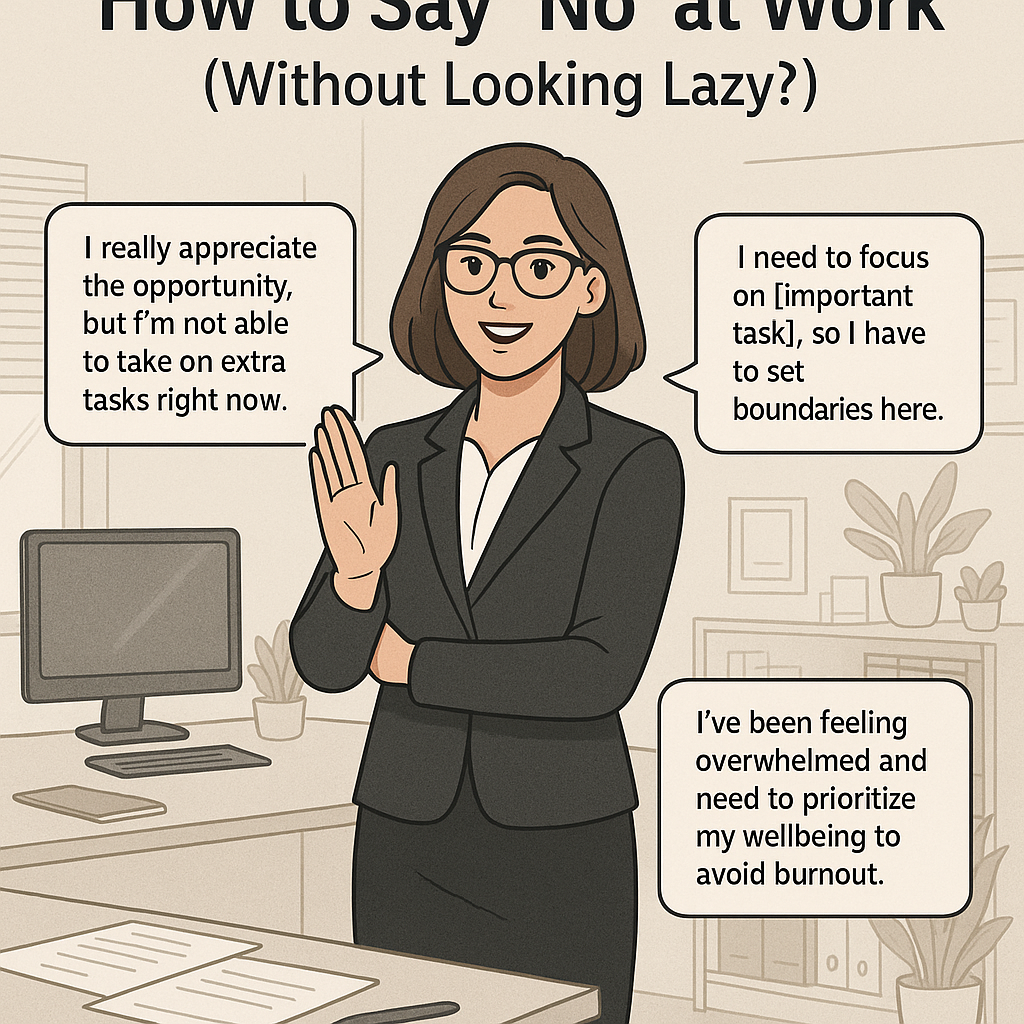
How to Say "No" at Work (Without Looking Lazy)?
Are you drowning in work because you can't say no? Learn the art of the "Positive No." Use these 3 professional scripts to decline extra tasks, set boundaries with your boss, and protect your burnout.
2026-02-06
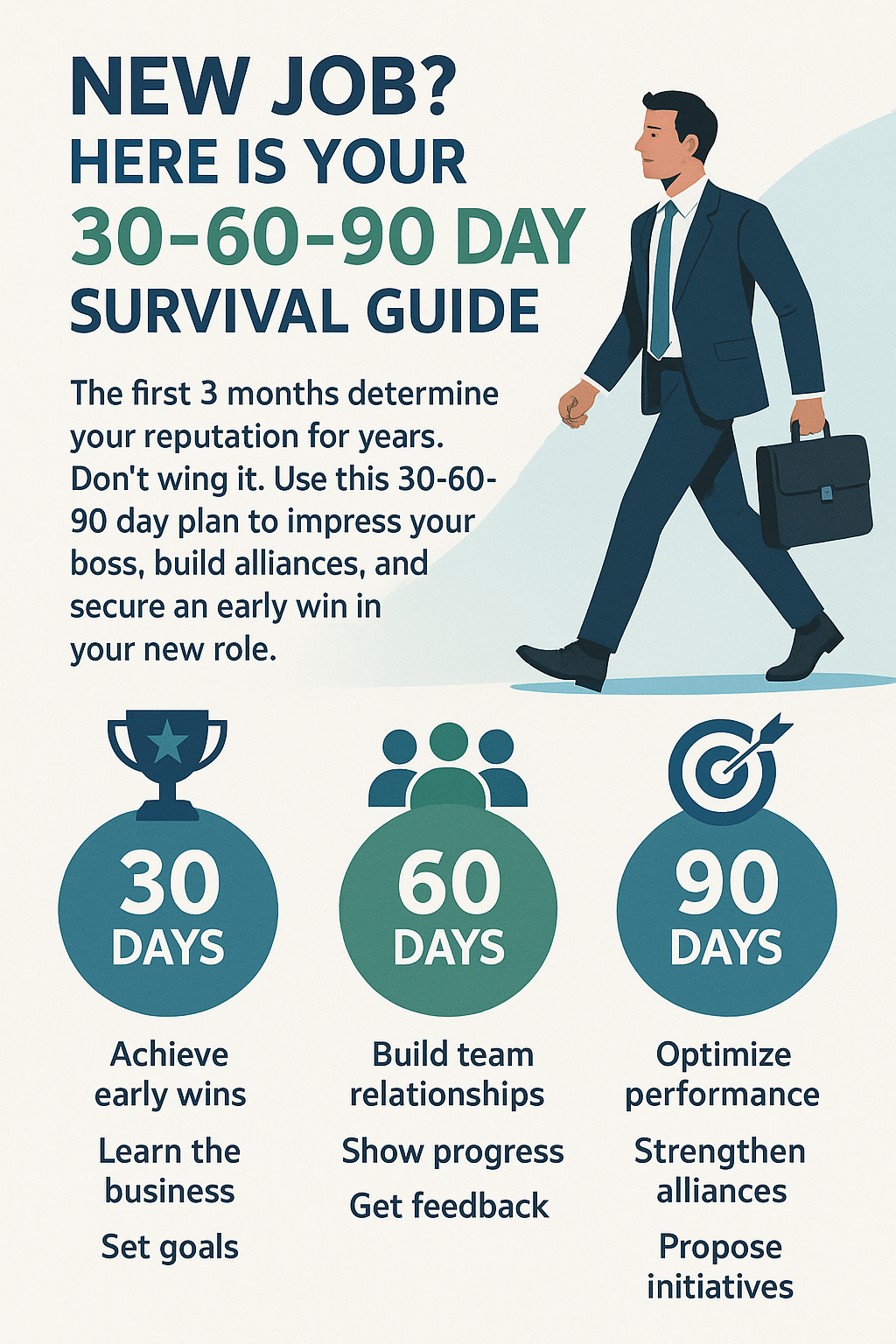
New Job? Here Is Your 30-60-90 Day Survival Guide
The first 3 months determine your reputation for years. Don't wing it. Use this 30-60-90 day plan to impress your boss, build alliances, and secure an early win in your new role.
2026-02-06
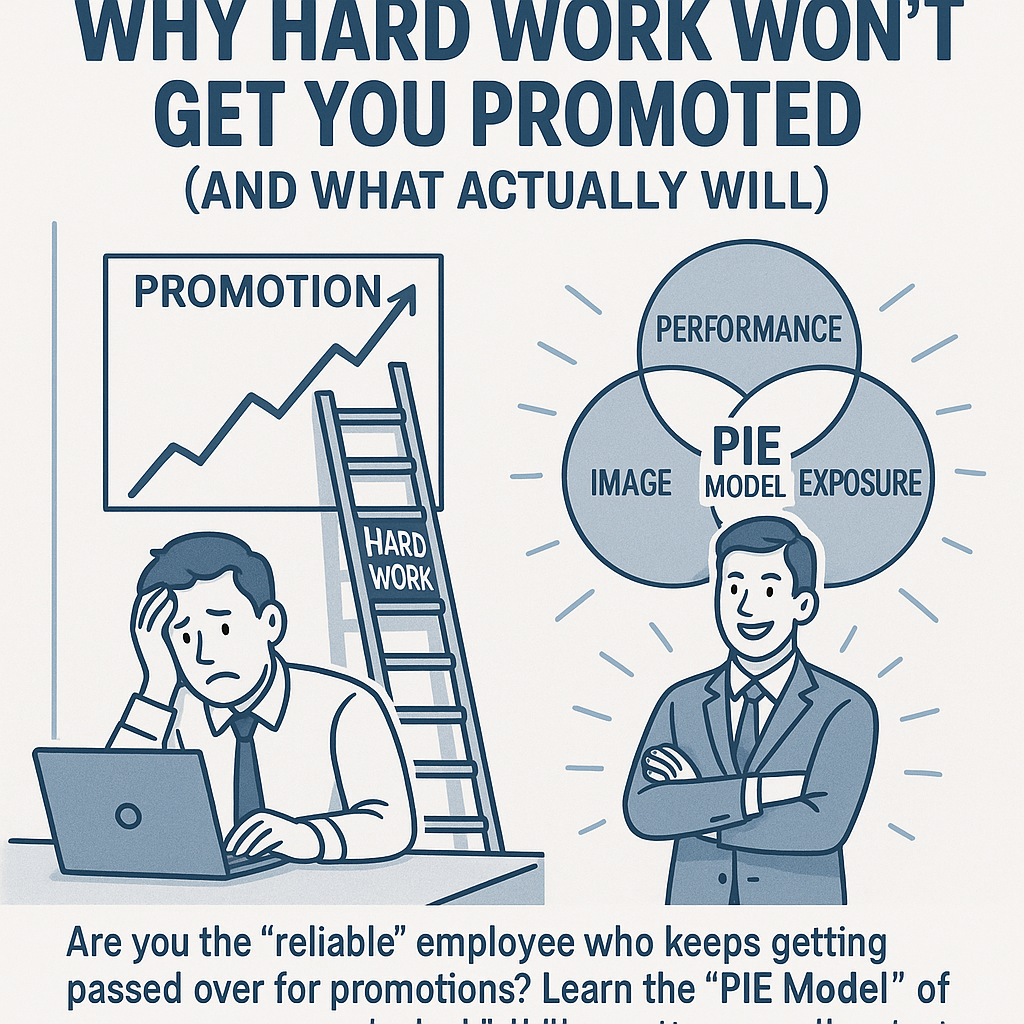
Why Hard Work Won't Get You Promoted (And What Actually Will)
Are you the "reliable" employee who keeps getting passed over for promotions? Learn the "PIE Model" of career success and why Visibility matters more than just Performance.
2026-01-30
Quit Like a Pro: The Zero-Drama Resignation Letter Guide
Don't rage quit. Learn how to resign gracefully, what to say in your resignation letter, and how to survive the "awkward" notice period without burning bridges.
2026-01-29
1-Minute Salary Negotiation Script That Gets You a 20% Raise
60% of candidates accept the first salary offer. Don't be one of them. Use this copy-paste email script to negotiate a higher starting salary without being aggressive.
2026-01-29